
Embarking on a journey from the iconic rolling hills of San Francisco to the sun-drenched shores of San Diego is more than just traversing miles; it’s an immersive experience through the diverse landscapes and vibrant cultures of California. This quintessential Golden State adventure promises breathtaking scenery, bustling cityscapes, and serene coastal towns, making the question of “how far” much more profound than a simple number. It speaks to the duration, the potential for discovery, and the memories waiting to be made. Whether you’re a seasoned road-tripper, a luxury seeker, or a budget-conscious explorer, understanding the nuances of this remarkable journey is key to unlocking an unforgettable travel experience. From the fastest routes to the most scenic detours, the accommodation options to the hidden gems along the way, this comprehensive guide will help you plan your ultimate Californian escapade.

The Grand California Coastal Journey: Understanding the Distance
The distance between San Francisco and San Diego varies depending on the route chosen, but typically hovers around 500 miles. While this might sound like a straightforward drive, the reality is a spectrum of possibilities, each offering its own unique charm and challenges. This segment delves into the practicalities of the journey, laying the groundwork for how you might choose to traverse this significant stretch of the American West Coast.
The Straight Answer: Distance and Driving Time
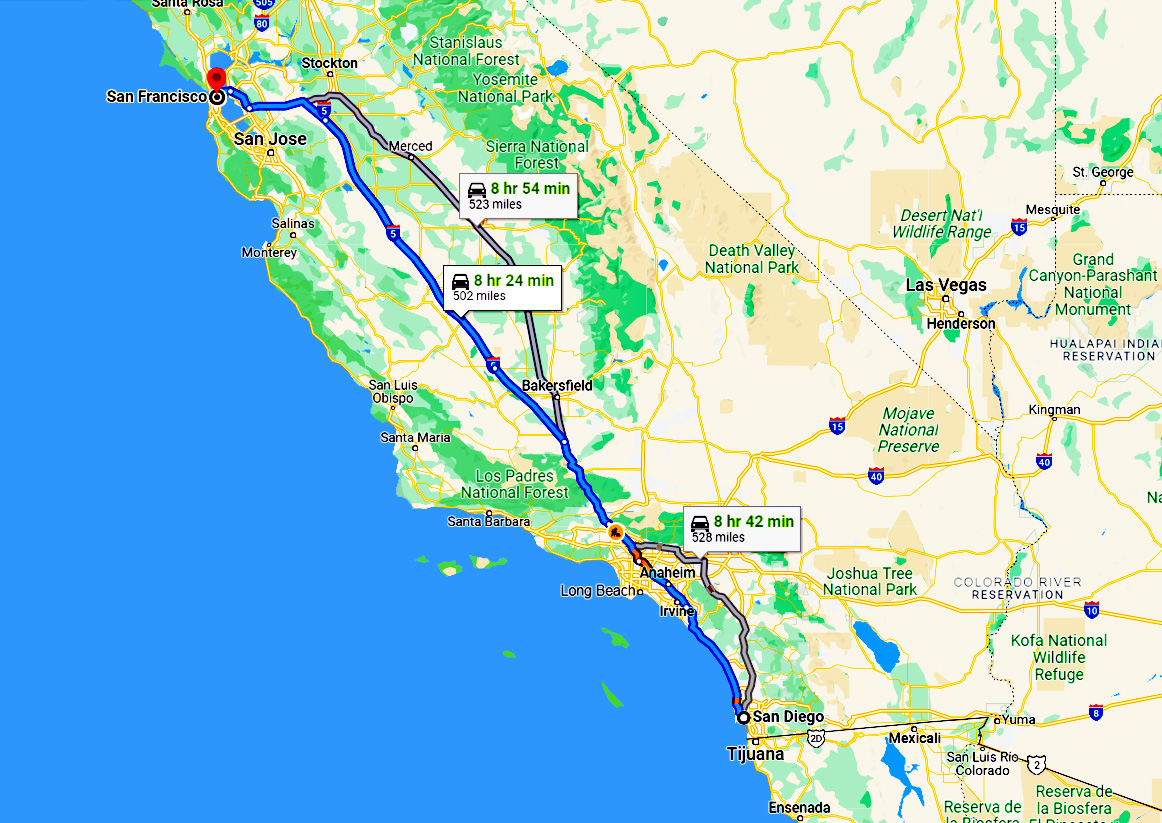
For those prioritizing efficiency, the most direct route primarily follows Interstate 5 (I-5). This inland freeway slices through California’s vast Central Valley, offering the quickest path between the two major cities. On I-5, the distance is approximately 490-500 miles, translating to a driving time of roughly 7.5 to 9 hours without significant stops, traffic, or adverse weather conditions. While efficient, this route is largely functional, passing through agricultural lands and smaller towns rather than coastal vistas. Traffic can be a major factor, especially when passing through the sprawling Los Angeles metropolitan area, which can add substantial time to the journey, particularly during peak hours. For those with a more leisurely approach, the scenic routes along US Route 101 or even the world-famous Pacific Coast Highway (PCH), also known as Highway 1, offer a dramatically different experience. These coastal roads extend the distance to around 550-600 miles or more and can easily stretch driving time to 10-12 hours or even multiple days, depending on how many stops and detours you embrace. The choice between speed and scenery profoundly impacts the overall journey, shaping it from a mere transit into a grand adventure. Understanding these foundational distances and times is the first step in crafting your ideal California itinerary.
More Than Just Miles: Why This Trip Matters
The journey from San Francisco to San Diego transcends a simple measurement of distance; it’s an emblematic American road trip that embodies the spirit of discovery and the allure of the open road. This expansive drive connects two of California’s most celebrated urban centers, each with its distinct character, yet united by the state’s vibrant energy and stunning natural beauty. What makes this trip truly matter is the opportunity to witness California’s unparalleled geographical and cultural diversity firsthand. From the cool, foggy embrace of Northern California’s redwood forests and dramatic coastlines to the sun-drenched beaches and desert-kissed landscapes of Southern California, the scenery constantly evolves. Along the way, travelers can immerse themselves in world-class culinary scenes, explore historic missions, marvel at iconic landmarks, and experience a range of lifestyles, from laid-back beach towns to bustling metropolises. It’s a journey that caters to every interest: adventure seekers can hike scenic trails, art enthusiasts can explore galleries, foodies can savor farm-to-table cuisine, and families can enjoy myriad attractions. The San Francisco-San Diego corridor is not just a path; it’s a tapestry of experiences waiting to be unraveled, offering a deep dive into the essence of the Golden State and creating memories that last a lifetime. This emphasis on exploration and diverse experiences elevates the trip beyond a logistical exercise, transforming it into a cherished part of any travel itinerary.
Navigating the Golden State: Modes of Transportation
Choosing the right mode of transportation is pivotal to shaping your experience from San Francisco to San Diego. Each option presents a unique blend of convenience, cost, speed, and scenic appeal, catering to different travel preferences and budgets. From the freedom of a personal vehicle to the efficiency of air travel or the relaxed pace of rail, understanding these alternatives is essential for planning your perfect Californian adventure.
The Classic American Road Trip: Driving
Embracing the open road by car remains the most popular choice for many embarking on the San Francisco-San Diego journey. Driving offers unparalleled flexibility, allowing travelers to set their own pace, make impromptu stops, and explore off-the-beaten-path attractions. For those without a personal vehicle, numerous rental car agencies provide convenient solutions. Companies like Hertz and Enterprise have extensive fleets and locations across both cities, offering everything from fuel-efficient sedans to spacious SUVs suitable for families or those carrying extra luggage. While the direct Interstate 5 route is the fastest, the allure of the Pacific Coast Highway (PCH or Highway 1) is undeniable. This iconic coastal road, particularly the section through Big Sur, offers some of the most spectacular ocean views in the world, albeit adding significant time and miles to the journey. When driving, it’s crucial to factor in fuel costs, potential tolls, and parking fees, especially in urban centers. Road conditions can vary, particularly during winter months when parts of PCH might experience closures due to mudslides or rockfalls. Additionally, being prepared for heavy traffic, especially around Los Angeles, is vital for a smooth drive. Despite these considerations, the freedom to create your own itinerary, stopping at charming towns, national parks, or scenic overlooks, makes driving the quintessential California experience.
Alternative Routes: Air, Rail, and Bus
While driving offers unparalleled flexibility, alternative modes of transport provide distinct advantages for the San Francisco to San Diego route. Flying is by far the fastest option, cutting travel time down to roughly 1 to 1.5 hours of flight time. Major airports like San Francisco International Airport (SFO) and San Diego International Airport (SAN) offer numerous direct flights daily from airlines such as Southwest Airlines and United Airlines. This option is ideal for business travelers or those with limited time, though it requires factoring in airport security, check-in, and transit to and from the city centers. Sometimes, connecting through Los Angeles International Airport (LAX) might be an option, but direct flights are generally preferred.
For a more relaxed and scenic journey, train travel presents a charming alternative. Amtrak operates services that connect the two cities, primarily via the Amtrak Pacific Surfliner in Southern California and connections from routes like the Amtrak San Joaquins further north. The Pacific Surfliner, in particular, offers stunning coastal views between San Luis Obispo and San Diego, with comfortable seating, dining cars, and Wi-Fi. The total travel time by train can range from 9 to 12 hours, depending on connections, making it slower than driving directly but far more scenic and stress-free than navigating traffic.
Finally, bus services offer the most budget-friendly option. Companies like Greyhound and FlixBus provide regular intercity routes. While typically the longest travel option, often taking 10-14 hours or more with stops, buses are an economical choice for solo travelers or those on a tight budget. They also offer the convenience of city-center drop-off and pick-up points, eliminating the need for parking. Each of these alternatives provides a distinct travel experience, allowing you to choose the best fit for your itinerary and preferences, balancing speed, cost, and the desire for a scenic journey.
The Journey Itself: Unforgettable Stops Along the Way
Whether you opt for the efficiency of Interstate 5 or the scenic allure of the coast, the road from San Francisco to San Diego is punctuated with countless opportunities for exploration. Turning the journey into a multi-day adventure allows travelers to fully appreciate California’s diverse offerings. From quaint seaside villages to bustling metropolises, each stop adds another layer to the Golden State’s rich tapestry.
Coastal Wonders and Central Valley Charms (For PCH/101 routes)
For those who believe the journey is as important as the destination, opting for the coastal routes (Pacific Coast Highway or US Route 101) is a must. The first major stop south of San Francisco often includes the charming towns of Monterey and Carmel-by-the-Sea. In Monterey, visitors can explore Cannery Row, once a hub for sardine canneries and now home to shops and restaurants, and the world-renowned Monterey Bay Aquarium, a marine life conservation leader. Just a short drive away, Carmel-by-the-Sea enchants with its fairy-tale cottages, art galleries, and pristine white-sand beach.
Further south, the dramatic coastline of Big Sur unfolds, a truly iconic stretch of Highway 1 where mountains plunge into the Pacific Ocean. Here, photo opportunities abound, particularly at the famous Bixby Bridge. Continuing down the coast, travelers can stop in San Simeon to visit the opulent Hearst Castle, the historic estate of publishing magnate William Randolph Hearst, perched majestically atop a hill overlooking the ocean. The journey then leads to Santa Barbara, known as the “American Riviera,” with its Spanish Colonial architecture, palm-lined beaches, and the picturesque Stearns Wharf.
Approaching Southern California, the metropolitan sprawl of Los Angeles offers countless attractions. Travelers can stroll along the Hollywood Walk of Fame, enjoy the vibrant energy of the Santa Monica Pier, or explore the museums and gardens. Each of these coastal stops not only breaks up the drive but also provides unique insights into California’s diverse natural beauty and cultural heritage, making the journey an integral part of the overall vacation experience.
Quicker Routes and Hidden Gems (For I-5)
While the coastal routes steal the spotlight for scenic beauty, the inland Interstate 5 offers its own set of advantages and unique stops for those prioritizing efficiency or seeking a different perspective of California. This route takes you through the heart of the vast Central Valley, a highly productive agricultural region that serves as the “breadbasket of the world.” While less glamorous than the coast, the I-5 drive provides a fascinating glimpse into California’s agricultural prowess, with endless orchards, farmlands, and vineyards stretching as far as the eye can see.
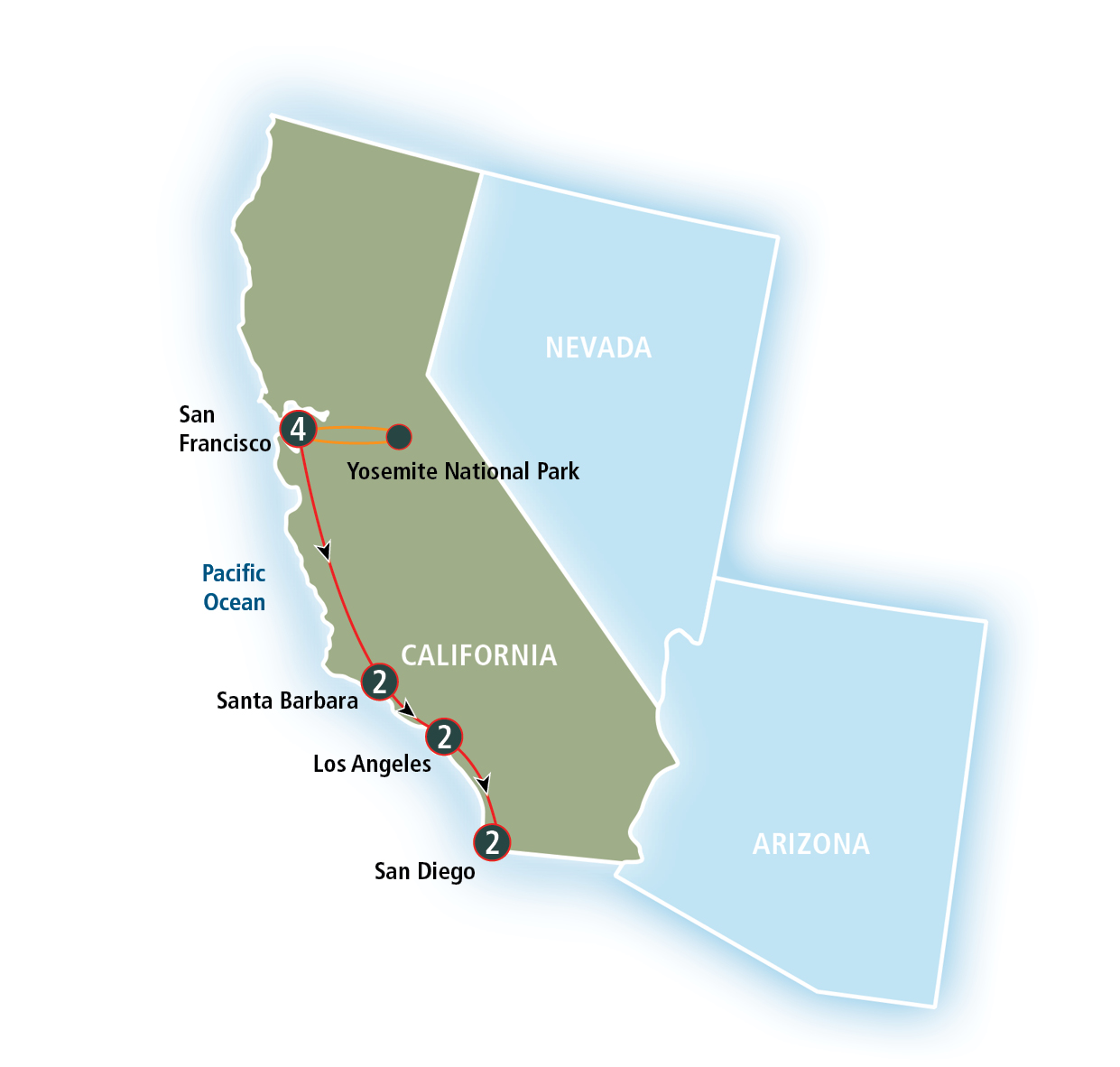
For those needing a break, towns like Bakersfield or Fresno offer convenient stopping points with numerous dining and lodging options. Bakersfield, for instance, has a rich country music heritage, often dubbed “Nashville West,” and offers unique cultural experiences for those willing to explore. These cities, though not traditional tourist hotspots, serve as practical hubs for refueling and rest, ensuring a comfortable continuation of the drive. The I-5 route also passes relatively close to some of California’s stunning national parks, such as Yosemite and Sequoia National Park, though these would require significant detours and are often better saved for separate trips.
Near Los Angeles, I-5 merges into a complex network of freeways. While navigating this section, travelers might consider a quick stop at destinations like Disneyland Resort in Anaheim if traveling with family, or simply use it as a strategic point for an overnight stay to break up the journey and avoid L.A.’s infamous rush hour traffic. The I-5, while often seen as purely utilitarian, offers a different kind of immersion into California – one focused on its foundational industries and the sheer scale of its land. It underscores the incredible diversity of experiences available within a single state, inviting travelers to look beyond the obvious and appreciate the hidden gems along the quicker path.
Where to Rest Your Head: Accommodation Along the Route
A successful road trip or journey between San Francisco and San Diego relies heavily on comfortable and convenient accommodation. Whether you’re seeking opulent luxury, boutique charm, or simply a clean and affordable place to rest, California offers an extensive range of options in both the starting and ending cities, as well as at strategic points along the route.
Luxurious Stays and Boutique Charms
For travelers seeking an indulgent experience, both San Francisco and San Diego, along with major stops like Los Angeles, boast an array of high-end hotels and charming boutique properties. In San Francisco, epitomes of luxury include The Ritz-Carlton, San Francisco, known for its neoclassical elegance and impeccable service in Nob Hill, and the sophisticated Hotel Drisco in Pacific Heights, offering panoramic city views and a refined atmosphere.
As you head south, the Los Angeles area provides a wealth of upscale choices. Waldorf Astoria Beverly Hills combines Art Deco glamour with modern amenities, while the legendary The Beverly Hills Hotel, affectionately known as the “Pink Palace,” offers a timeless Hollywood experience amidst lush gardens. These properties are not just places to stay but destinations in themselves, providing exquisite dining, spa services, and unparalleled hospitality.
Upon reaching San Diego, the grand Victorian architecture of Hotel del Coronado stands out as an iconic landmark directly on the beach, offering a historic yet luxurious stay. In downtown San Diego, The US Grant, a Luxury Collection Hotel, blends historic grandeur with contemporary design, providing a refined urban retreat. Boutique hotels throughout these cities also offer unique, personalized experiences, often reflecting local culture and art. These luxury and boutique options are perfect for those looking to elevate their journey with exceptional comfort and memorable stays.
Mid-Range Comfort and Budget-Friendly Options
For many travelers, a comfortable, clean, and well-located mid-range or budget-friendly accommodation is the ideal choice. Along the primary driving routes, particularly near Interstate 5 exits, familiar hotel chains like Holiday Inn Express and Best Western are abundant. These hotels reliably offer essential amenities such as complimentary breakfast, free Wi-Fi, and often a pool, providing excellent value for money. They are perfect for an overnight stop to break up a long drive, offering consistent quality and convenience without the premium price tag. In larger cities like San Francisco, Los Angeles, and San Diego, mid-range hotels also include brands like Courtyard by Marriott or Hilton Garden Inn, which provide a step up in amenities and usually better locations closer to attractions.
Beyond traditional hotels, the rise of vacation rentals offers another flexible and often cost-effective accommodation solution. Platforms like Airbnb and Vrbo allow travelers to find everything from private rooms and entire apartments to spacious villas, often at competitive rates, especially for longer stays or groups. These options can provide a more localized experience, with access to kitchens and more living space, which can be particularly appealing for families or those looking to self-cater.
Regardless of your budget, it’s always advisable to book accommodation in advance, especially if traveling during peak season, holidays, or major events. Prices can fluctuate significantly, and popular spots fill up quickly. Utilizing comparison websites and checking reviews can help ensure you find the best value and avoid any unpleasant surprises. From a quick, no-frills overnight stay to a comfortable, extended stop, California’s accommodation landscape is robust enough to meet every traveler’s needs and budget, ensuring a restful journey between its northern and southern gems.
Planning Your California Adventure: Tips for a Seamless Journey
A successful journey from San Francisco to San Diego isn’t just about covering the distance; it’s about meticulous planning that enhances the entire experience. From choosing the optimal time to travel to understanding the nuances of budgeting and safety, these tips will help ensure your Californian adventure is as smooth and enjoyable as possible.
Best Time to Travel and Essential Packing
Timing your journey can significantly impact the experience. Generally, the best times to travel from San Francisco to San Diego are during the spring (April-May) and fall (September-October) months. During these periods, the weather is typically pleasant across California, avoiding the intense heat of the Central Valley in summer and the potential for heavy rains or road closures on Pacific Coast Highway sections during winter. Spring brings wildflowers and milder temperatures, while fall offers warm, sunny days and fewer crowds. Summer, especially June to August, is popular but can mean higher prices, more crowded attractions, and significant traffic, particularly around Los Angeles.
Essential packing for this trip should account for California’s diverse microclimates. Layers are key: even on a warm day, coastal areas can be breezy and cool down rapidly in the evenings, especially in San Francisco. Sunscreen, sunglasses, and a wide-brimmed hat are non-negotiable for sun protection, regardless of the season. Comfortable walking shoes are essential for exploring cities and natural landmarks. If you plan on hiking or visiting beaches, include appropriate gear. Don’t forget car chargers, a first-aid kit, and plenty of water for road segments, particularly if taking the Interstate 5 route through the drier Central Valley. Having a physical map or downloaded offline maps can also be a lifesaver in areas with spotty cell service, especially along parts of Highway 1. Thoughtful packing and timing can elevate your journey from good to exceptional.
Budgeting and Local Experiences
Effective budgeting is crucial for a stress-free San Francisco to San Diego adventure, as costs can vary widely depending on your travel style. Key expenses to consider include fuel (especially if driving the longer scenic routes), accommodation (ranging from luxury resorts to budget motels or vacation rentals), food, and attraction entrance fees. Setting a daily budget for each category can help manage spending. Look for ways to save, such as packing snacks and drinks for the car, utilizing free attractions like parks and beaches, and cooking some meals if your accommodation has kitchen facilities.
To enrich your trip, prioritize local experiences. In San Francisco, explore the vibrant neighborhoods like the Mission District for its murals and taquerias, or Fisherman’s Wharf for seafood. Along the coast, stop at farmers’ markets in towns like San Luis Obispo for fresh produce and local crafts. In San Diego, immerse yourself in the rich culture of Balboa Park, sample authentic Mexican food in Old Town San Diego, or enjoy the Gaslamp Quarter’s nightlife. Consider purchasing a multi-attraction pass, like the Go City San Diego Pass, if you plan to visit multiple paid attractions, as these can offer significant savings. Engage with locals, try regional specialties, and seek out unique events or festivals happening during your visit. These authentic interactions and experiences often become the most memorable parts of the journey, transforming a simple road trip into a deep dive into California’s unique lifestyle and charm.
Safety and Road Preparedness
Ensuring safety and road preparedness is paramount for any long-distance journey, especially one spanning the diverse terrains and urban centers between San Francisco and San Diego. Before setting out, conduct a thorough check of your vehicle: inspect tire pressure, oil levels, and fluid levels, and ensure your brakes and lights are in good working order. If renting a car, familiarize yourself with its features and controls. Pack an emergency kit that includes jumper cables, a flashlight, basic tools, a first-aid kit, non-perishable food, and plenty of water. A fully charged mobile phone with a car charger is essential, as is a portable power bank.
When on the road, be mindful of traffic patterns, particularly when navigating the sprawling Los Angeles metropolitan area. Rush hour traffic can be intense and unpredictable, so planning to drive through these areas during off-peak times (mid-morning or early afternoon) can save considerable time and reduce stress. Always adhere to speed limits and be aware of your surroundings. California’s driving culture can be fast-paced, and lane changes are frequent, especially on multi-lane freeways. If you’re opting for the scenic Pacific Coast Highway, be aware of winding roads, narrow sections, and potential rockfalls, particularly after heavy rains. Take breaks regularly to combat driver fatigue, and if traveling alone, inform someone of your itinerary. For those traveling by public transport, keep valuables secure and be aware of your surroundings, especially when transferring between different services or waiting at stations. By taking these proactive measures, you can ensure a safer, more enjoyable, and ultimately more memorable journey through the Golden State.
The distance from San Francisco to San Diego is not merely measured in miles but in the breadth of experiences, the diversity of landscapes, and the wealth of memories created along the way. Whether you rush through on Interstate 5 or savor every moment on the Pacific Coast Highway, this journey offers a definitive glimpse into the heart and soul of California. From the iconic landmarks and vibrant city life to the serene coastal beauty and hidden gems, every traveler can tailor this route to fit their preferences, budget, and aspirations. Armed with the right information about travel options, accommodation, and essential planning tips, your Californian adventure is set to be an unforgettable exploration from the northern charm to the southern warmth of the Golden State.
LifeOutOfTheBox is a participant in the Amazon Services LLC Associates Program, an affiliate advertising program designed to provide a means for sites to earn advertising fees by advertising and linking to Amazon.com. Amazon, the Amazon logo, AmazonSupply, and the AmazonSupply logo are trademarks of Amazon.com, Inc. or its affiliates. As an Amazon Associate we earn affiliate commissions from qualifying purchases.