
The allure of the Pacific Northwest is undeniable, a region where stunning natural beauty meets vibrant urban landscapes. At the heart of this captivating area lie two iconic cities: Seattle, the tech-savvy Emerald City in the United States, and Vancouver, Canada‘s cosmopolitan gem on the Pacific coast. For many travelers, the question isn’t whether to visit one, but how to experience both. Understanding the distance between these two dynamic cities, and the various ways to traverse it, is the first step in planning an unforgettable cross-border adventure.
This comprehensive guide delves into the geographical proximity, diverse transportation options, and the unique attractions awaiting you in both Seattle and Vancouver. Whether you’re planning a short getaway or a longer exploration of the Pacific Northwest, we’ll help you navigate the journey, discover the best of what each city has to offer, and ensure your travel experience is as smooth and enriching as possible.
The Proximity and the Promise: Understanding the Distance
While separated by an international border, Seattle and Vancouver are surprisingly close, making a dual-city itinerary incredibly feasible. The journey between them is more than just a transition; it’s an integral part of the adventure, offering scenic vistas and the unique experience of crossing between two distinct nations.
Geographic Overview and Key Distances
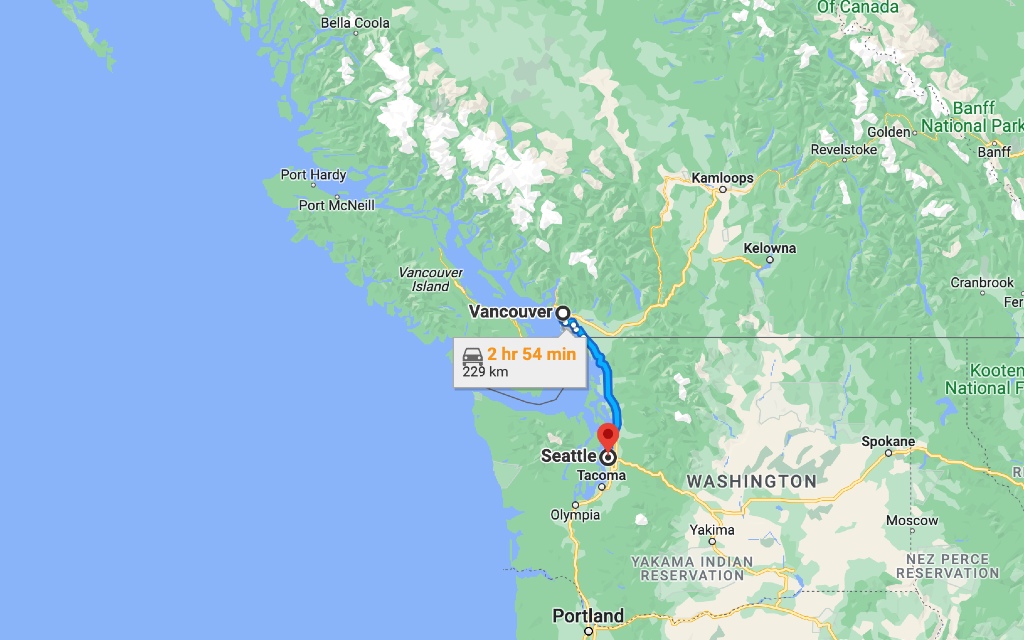
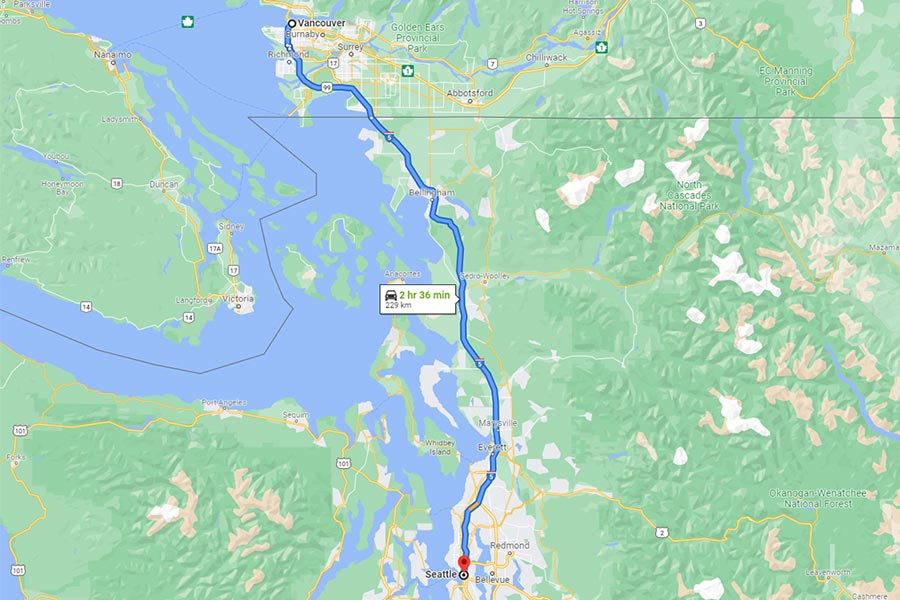
Geographically, Seattle is situated in Washington State, USA, while Vancouver is located in British Columbia, Canada. The most direct route, typically via Interstate 5 (I-5) on the U.S. side and Highway 99 in Canada, covers approximately 140 to 145 miles (225 to 233 kilometers). This relatively short distance means that with proper planning, you can easily experience the distinct cultures and attractions of both urban centers within a single trip.
The journey also involves crossing the international border, which is a significant consideration for travelers. While typically straightforward, border wait times can vary greatly depending on the day of the week, time of day, and holiday schedules. Ensuring you have the correct documentation (passport for most international travelers, or enhanced driver’s licenses for U.S. and Canadian citizens) is paramount for a seamless crossing. Resources from the U.S. Customs and Border Protection and Canada Border Services Agency provide real-time updates on wait times, which can be invaluable for planning your departure.
Estimated Travel Times by Mode of Transport
The time it takes to travel from Seattle to Vancouver can vary significantly based on your chosen mode of transportation and, crucially, border crossing efficiency.
- By Car: Driving is often the most popular choice, offering flexibility and the opportunity to stop at scenic points along the way. Without factoring in border delays, the drive typically takes 3 to 3.5 hours. However, during peak travel times or holidays, border waits can add anywhere from 30 minutes to several hours to your journey.
- By Bus: Several bus companies operate routes between the two cities. Services like BoltBus and Greyhound offer comfortable and affordable options. The total travel time by bus usually ranges from 4 to 5 hours, including scheduled stops and border processing. This can be a relaxing way to travel, allowing you to avoid driving and parking concerns.
- By Train: Amtrak Cascades provides a highly scenic train journey between Seattle and Vancouver. This route is renowned for its picturesque views of the coastline, mountains, and forests. The train ride typically takes around 4 hours, plus border processing time which usually occurs on board or at the final destination. It’s a fantastic option for those who prefer a leisurely pace and breathtaking scenery.
- By Air: For the quickest transfer, flying is an option, though less common for this specific route due to the short distance and ground travel time to and from airports. Direct flights between Seattle-Tacoma International Airport (Sea-Tac) and Vancouver International Airport (YVR) are available and take approximately 1 hour. However, when accounting for check-in, security, and transfers to and from city centers, the total travel time can easily rival or exceed that of driving or taking the train. For a unique and faster air experience, seaplane services like Kenmore Air (from Seattle’s Lake Union) and Harbour Air Seaplanes (to Vancouver Harbour) offer a direct city-to-city flight experience in about 45 minutes, complete with stunning aerial views. This is a premium lifestyle option often chosen for its convenience and scenic beauty.
Navigating the Journey: Your Transportation Options
Choosing the right mode of transportation between Seattle and Vancouver depends on your budget, time constraints, and desired travel experience. Each option offers a unique perspective on the Pacific Northwest and has its own set of advantages.
Hitting the Road: Driving Across the Border
Driving offers unparalleled flexibility, allowing you to depart on your schedule and make stops along the way. The primary route is straightforward: head north on I-5 from Seattle, which seamlessly transitions into Canada’s Highway 99 at the border.
Border Crossing Tips:
- Documentation: Always have your passport (or NEXUS card for expedited crossing if you’re eligible) ready for all occupants of the vehicle.
- Declaration: Be prepared to declare any goods you are bringing into Canada or the U.S.. Familiarize yourself with permissible items and quantity limits to avoid delays.
- Wait Times: Check border wait times online before you leave, especially on weekends, holidays, or during peak hours. The major crossings include Peace Arch and Pacific Highway. The Peace Arch crossing is generally more scenic, while Pacific Highway often has commercial traffic.
- Fuel: Fuel is typically cheaper in the U.S., so consider filling up before crossing into Canada.
- Insurance: Ensure your vehicle insurance covers driving in Canada. Most U.S. policies extend coverage, but it’s wise to confirm.
Driving gives you the freedom to explore beyond the city centers, perhaps venturing to attractions like Bellingham or the scenic Skagit Valley on the U.S. side, or extending your Vancouver trip to Whistler or Victoria on Vancouver Island in British Columbia.
Seamless Connections: Buses and Trains
For a stress-free journey, public transportation options like buses and trains offer a comfortable alternative to driving.
- Bus Services: BoltBus and Greyhound are popular choices, providing direct service between downtown Seattle and downtown Vancouver. Buses are generally economical and offer amenities like Wi-Fi and power outlets. Border checks are typically conducted on the bus, requiring passengers to disembark briefly with their luggage for customs inspection.
- Amtrak Cascades: The train journey on Amtrak Cascades is a favorite for many, offering breathtaking coastal and mountain views that are impossible to appreciate while driving. The route runs along the shores of Puget Sound, providing a unique perspective of the Pacific Northwest landscape. Onboard services include dining cars and comfortable seating. Border processing for Amtrak Cascades occurs at the Vancouver station for northbound trains and at the Seattle station for southbound trains, making for a relatively smooth experience.
Taking to the Skies and Seas: Flights and Ferries
While less common for the direct city-to-city commute due to the proximity, air and sea travel offer distinct advantages and experiences.
- Commercial Flights: Regular commercial flights connect Seattle-Tacoma International Airport (Sea-Tac) and Vancouver International Airport (YVR). These are generally chosen by travelers who prioritize speed above all else or are connecting from longer international flights. The total journey time, including airport transfers and security, often makes it comparable to ground transportation for this specific route.
- Seaplane Services: For a truly memorable and efficient experience, consider seaplane services like Kenmore Air from Seattle’s Lake Union to Vancouver Harbour. These flights offer incredible aerial views of the cities, islands, and waterways, landing directly in the heart of downtown, saving significant ground transfer time. It’s an excellent choice for a luxurious and scenic start to your tourism adventure.
- Ferry Options: While there isn’t a direct car ferry between downtown Seattle and Vancouver, you can combine ferry travel with driving. For instance, you could take a Washington State Ferries service from Seattle to Bainbridge Island for a scenic excursion, or explore ferry routes from the Olympic Peninsula to Vancouver Island, connecting via land to Vancouver. The Victoria Clipper offers passenger-only ferry service between downtown Seattle and downtown Victoria, British Columbia, from where you can take another ferry or seaplane to Vancouver. This multi-modal approach can be an adventure in itself.
A Tale of Two Cities: Exploring Seattle and Vancouver
Once you’ve successfully navigated the journey, a world of urban exploration awaits. Both Seattle and Vancouver boast unique personalities, vibrant cultures, and an abundance of attractions that appeal to every type of traveler.
Seattle: The Emerald City’s Allure
Seattle, known as the Emerald City for its lush greenery, is a hub of innovation, culture, and stunning natural beauty.
- Iconic Landmarks: No visit to Seattle is complete without seeing the Space Needle, a futuristic landmark offering panoramic views of the city, Mount Rainier, and Puget Sound. Adjacent to it, the Chihuly Garden and Glass showcases breathtaking glass artwork, while the Museum of Pop Culture (MoPOP) celebrates music, science fiction, and popular culture.
- Market Life: Immerse yourself in the bustling atmosphere of Pike Place Market, one of the oldest continuously operated public markets in the United States. Here, you can watch fishmongers toss salmon, sample local delicacies, and explore artisan crafts.
- Coffee Culture: As the birthplace of Starbucks, Seattle has a deeply ingrained coffee culture. Explore countless independent coffee shops, each with its own unique vibe.
- Waterfront Activities: Take a scenic ferry ride across Puget Sound to Bainbridge Island for charming shops and stunning city views, or explore the bustling Seattle waterfront.
- Neighborhoods: Discover diverse neighborhoods like Fremont with its quirky art, Capitol Hill known for its vibrant nightlife, and Ballard with its maritime history and popular Locks.
Vancouver: Canada’s Pacific Gem
Just across the border, Vancouver captivates visitors with its stunning natural setting, multicultural flair, and outdoor lifestyle.
- Urban Oasis: Stanley Park is an expansive urban park, larger than New York City’s Central Park, offering miles of seawall paths for walking and biking, pristine beaches, and temperate rainforest trails. It’s home to the Vancouver Aquarium and impressive totem poles.
- Historic Charm: Wander through the cobbled streets of Gastown, Vancouver’s oldest neighborhood, famous for its Victorian architecture, steam clock, and trendy boutiques and restaurants.
- Culinary Delights: Explore Granville Island Public Market, a food lover’s paradise boasting fresh produce, gourmet foods, and artisan crafts. Vancouver’s culinary scene is renowned for its diverse food and exceptional Asian cuisine.
- Adventure Awaits: For thrill-seekers, the Capilano Suspension Bridge Park offers exhilarating walks high above the canyon floor. Alternatively, a short drive north takes you to the majestic North Shore Mountains for hiking and skiing.
- Shopping & Arts: Discover high-end shopping on Robson Street or explore the vibrant arts scene in areas like Mount Pleasant and Yaletown. The Museum of Anthropology at the University of British Columbia is also a must-visit for its stunning First Nations art and cultural artifacts.
Making the Most of Your Trip: Accommodation and Lifestyle
Planning your stay and understanding the local lifestyle are key to a fulfilling travel experience. Both Seattle and Vancouver offer a range of accommodation options and distinct cultural nuances.
Finding Your Perfect Stay
When traveling between Seattle and Vancouver, you’ll find a wide variety of accommodation options to suit every preference and budget.
- Hotels & Resorts: From luxury resorts and boutique hotels in downtown areas to more budget-friendly options in outlying neighborhoods, both cities provide extensive choices. In Seattle, consider stays near Pike Place Market for central access or in South Lake Union for a modern vibe. In Vancouver, popular choices include the Downtown area for proximity to Robson Street and Gastown, or Yaletown for trendy dining and waterfront views.
- Apartments & Villas: For longer stays, family trips, or those seeking a more local experience, serviced apartments and vacation villas are excellent choices. Websites specializing in accommodation booking offer a wide range of options, allowing you to compare amenities, reviews, and locations.
- Budget & Luxury Travel: Whether you’re on a shoestring budget or looking for a luxurious escape, both cities cater to diverse lifestyle travel preferences. Hostels and guesthouses provide affordable alternatives, while five-star hotels offer premium services and amenities. Don’t forget to check for seasonal deals, especially during off-peak times, for better rates.
Enhancing Your Travel Experience
To fully appreciate your Seattle and Vancouver adventure, consider these tips:
- Local Culture & Food: Embrace the distinct local culture of each city. In Seattle, that means indulging in coffee and fresh seafood. In Vancouver, explore its multicultural culinary scene, especially the vibrant Asian food offerings. Engage with locals, visit neighborhood markets, and seek out unique food activities for authentic experiences.
- Best Time to Visit: The summer months (June to September) offer the warmest weather and most daylight, ideal for outdoor activities and sightseeing. However, this is also peak tourism season, so expect larger crowds and higher prices for flights and accommodation. Spring and fall provide milder temperatures, fewer tourists, and often better deals.
- Currency & Language: The United States uses the U.S. Dollar (USD), while Canada uses the Canadian Dollar (CAD). English is the primary language in both cities, though Vancouver is notably more multicultural with a strong presence of various languages. Credit cards are widely accepted, but it’s wise to carry some local currency for smaller purchases.
- Packing Essentials: Be prepared for varying weather, even in summer. Layers are key in the Pacific Northwest, and rain gear is always a good idea, regardless of the season. Comfortable walking shoes are a must for exploring the cities’ many attractions and landmarks.
- Family & Business Trips: Both cities are well-equipped for family trips, with numerous kid-friendly attractions and amenities. For business stays, you’ll find plenty of business-class hotels, conference facilities, and excellent connectivity.
In conclusion, the journey from Seattle to Vancouver is more than just a matter of miles; it’s an opportunity to bridge cultures, traverse stunning landscapes, and create a dual-city adventure that caters to every interest. With a clear understanding of the distance, diverse transportation choices, and the rich array of experiences awaiting you, your Pacific Northwest exploration promises to be truly unforgettable.