
The rhythmic pulse of the ocean, often unseen yet profoundly impactful, governs countless aspects of our planet, from global climate patterns to local ecosystems. Among these mighty maritime forces, the California Current stands as a pivotal influencer along the western edge of North America. For anyone contemplating travel along the stunning Pacific Coast Highway, seeking the perfect surf break, or simply fascinated by the intricate dance of nature, understanding this oceanic phenomenon is key. It’s not just a body of moving water; it’s a dynamic artery of the Pacific Ocean that sculpts the very character of the California coastline, affecting everything from its famous fog to its rich marine life and the lifestyle of its coastal communities.
But how fast does this critical current actually move? The answer, like many things in nature, is not a simple, fixed number. Instead, it’s a fascinating interplay of various environmental factors, resulting in a current that is both consistent in its general direction and remarkably variable in its speed. Delving into its intricacies reveals a deeper appreciation for the forces that shape our world and the unique experiences awaiting those who explore California’s shores. From the chilly waters that nourish kelp forests to the prevailing winds that challenge intrepid sailors, the speed of the California Current is a fundamental piece of the puzzle, influencing everything from migratory patterns of whales to the microclimates that define iconic wine regions. This article will unravel the complexities of the current’s velocity, explore its far-reaching implications for tourism and the environment, and offer insights for travelers planning their next coastal adventure.
Understanding the California Current: A Dynamic Oceanic Artery
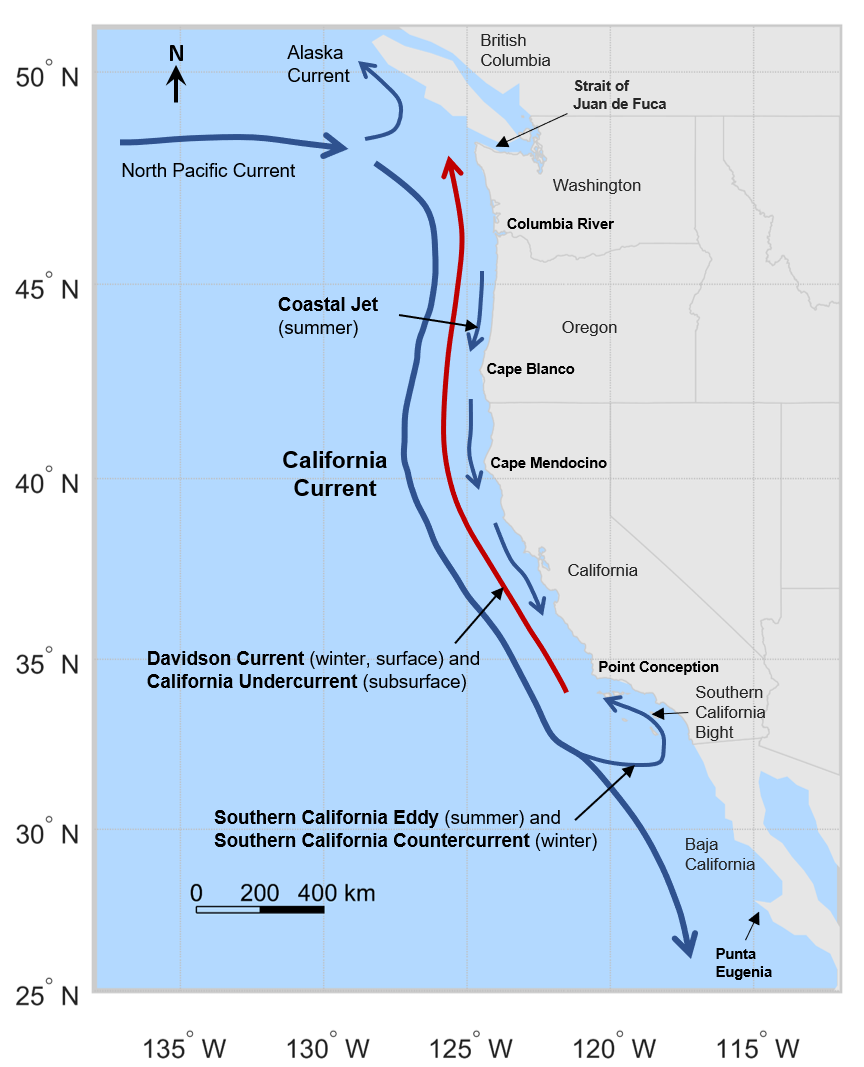
The California Current is a cold-water current that flows southwards along the western coast of North America, originating from the North Pacific Gyre in the Gulf of Alaska. As it moves towards the Equator, it primarily affects the coastal waters of Washington, Oregon, California, and Baja California in Mexico. Unlike the powerful, fast-moving currents found in other parts of the world, such as the Gulf Stream, the California Current is generally considered a slow to moderately paced flow. On average, its surface waters typically move at speeds ranging from 0.25 to 1 knot, which translates to approximately 0.5 to 1.8 kilometers per hour (or about 0.3 to 1.1 miles per hour).
However, these are just averages. The current’s speed is not constant; it fluctuates significantly due to a variety of factors. Near the coast, especially over shallow continental shelves, the current tends to be slower and more influenced by local winds and topography. Further offshore, in deeper waters, it can pick up speed. Seasonal variations also play a crucial role. During the spring and summer months, when prevailing winds from the northwest intensify, a phenomenon known as upwelling becomes prominent. These winds push surface waters offshore, allowing colder, nutrient-rich waters from the depths to rise to the surface. This upwelling not only affects the temperature of the water but can also influence the speed and direction of localized currents, often intensifying them. Conversely, during the winter, the current tends to be weaker and less distinct, sometimes even experiencing reversals in flow close to the shore. These fluctuations are vital for understanding the complex dynamics that sustain the diverse marine ecosystems along the coast.
The Dynamics of Oceanic Flow
Understanding the precise speed of the California Current requires appreciating the complex interplay of several physical forces. At its most fundamental, the current is part of a larger gyre, driven by global wind patterns and the Coriolis Effect, a force resulting from the Earth’s rotation that deflects moving objects (like ocean currents) to the right in the Northern Hemisphere. This effect is why the California Current consistently flows southwards.
Beyond these large-scale drivers, local factors significantly modify its speed and character.
- Wind Stress: Persistent winds from the northwest are the primary engine for the current’s flow and, more importantly, for the upwelling that defines the California coast. Stronger winds generally lead to a faster surface current and more intense upwelling.
- Bottom Topography: As the current encounters the continental shelf and various underwater landmarks like seamounts and canyons, its flow can be constricted, accelerated, or deflected. Nearshore, friction with the seafloor can slow the current down.
- Temperature and Salinity Gradients: Differences in water temperature and salinity create density variations, which in turn drive thermohaline circulation. The cold, relatively fresh waters of the California Current interact with warmer, saltier waters, contributing to localized eddies and changes in flow speed.
- Mesoscale Eddies: The California Current system is characterized by numerous mesoscale eddies—swirling masses of water, often tens to hundreds of kilometers in diameter. These eddies can spin off the main current, moving at varying speeds and creating localized areas of faster or slower flow, significantly influencing the distribution of marine life and heat within the water column.
- Climate Phenomena: Large-scale climatic events like El Niño and La Niña have profound effects. During an El Niño event, the California Current typically weakens, and warmer waters from the south can push northward, sometimes even reversing nearshore flows. Conversely, during La Niña, the current tends to be stronger and colder than average. These events lead to noticeable shifts in marine ecosystems and coastal weather patterns.

Measuring the Invisible Highway
Scientists employ a variety of sophisticated methods to measure the speed and trajectory of the California Current and other ocean currents. These techniques range from direct measurements to remote sensing, providing a comprehensive picture of this invisible highway.
- Current Meters and Acoustic Doppler Current Profilers (ADCPs): These instruments are deployed on moorings (anchored buoys) or integrated into research vessels. Current meters directly measure the speed and direction of water flow at specific depths, while ADCPs use sound waves to measure water velocity across a range of depths in the water column.
- Satellite Altimetry: Satellites like those operated by NASA and NOAA measure the sea surface height with extreme precision. Variations in sea surface height are directly related to ocean currents; higher elevations indicate warmer, less dense water or dynamic uplift, while lower elevations correspond to colder, denser water or dynamic depression. By mapping these height differences, scientists can infer the speed and direction of geostrophic currents.
- Drifters and Floats: Autonomous drifters equipped with GPS transmit their positions as they are carried by the currents. These “Lagrangian” measurements provide direct observations of water parcel movement and are invaluable for tracking the path and speed of surface and subsurface currents. Floats, such as Argo floats, can profile the ocean’s temperature and salinity at various depths, helping to map the thermohaline circulation.
- Numerical Models: Oceanographers also use complex computer models that simulate ocean dynamics, incorporating observed data from satellites, buoys, and other sources. These models help predict current patterns, understand their variability, and fill in gaps where direct measurements are sparse.

Through these combined efforts, researchers continually refine our understanding of the California Current’s speed and its crucial role in the broader Pacific Ocean system.
The Current’s Impact on Coastal California Life and Tourism
The relatively cool and nutrient-rich waters carried by the California Current, propelled by the phenomenon of upwelling, are arguably the single most important factor shaping the unique character of California’s coastal environment. This dynamic marine system has profound implications for everything from the vibrant marine ecosystems and the state’s iconic tourism industry to its distinctive climate and agricultural output. The speed and intensity of the current, therefore, indirectly influence countless aspects of California life and offer diverse attractions for travelers.
Marine Biodiversity and Ecotourism
The cold, nutrient-rich waters brought to the surface by upwelling, driven by the California Current, create an incredibly productive marine environment. This influx of nutrients fuels vast phytoplankton blooms, forming the base of a complex food web that supports an astonishing array of marine life. This biological richness is a cornerstone of ecotourism in the state.
- Whale Watching: California is world-renowned for its whale watching opportunities. Species like gray whales, blue whales, humpback whales, and fin whales migrate through these waters, drawn by the abundant food supply. Major hubs for whale watching tours include San Diego, Dana Point, Santa Barbara, Monterey Bay, and San Francisco, offering unforgettable experiences for visitors.
- Kelp Forests: The cold waters are ideal for the growth of giant kelp forests, which are among the most biodiverse ecosystems on Earth. These underwater forests provide habitat and food for countless species, including sea otters, harbor seals, various fish, and invertebrates. Scuba diving and snorkeling in areas like La Jolla Cove or the Channel Islands National Park offer mesmerizing encounters with this underwater world.
- Aquariums and Research Centers: Institutions like the Monterey Bay Aquarium leverage the local marine biodiversity for education and conservation. Located directly on the shores of Monterey Bay, a marine sanctuary profoundly influenced by the current, the aquarium provides an unparalleled window into this vibrant ecosystem. These centers are major tourist attractions, drawing millions annually and fostering an appreciation for ocean health.
Surfing, Sailing, and Coastal Recreation
The California Current indirectly influences wave patterns and coastal conditions, making California a global hotspot for water sports. While the current itself isn’t directly responsible for generating large surfable waves (that’s primarily due to distant storms and wind swell), its influence on water temperature, local winds, and coastal morphology creates conditions conducive to a thriving surf and sailing culture.
- Surfing: The cool water, often requiring wetsuits even in summer, combined with consistent swells, makes California a mecca for surfers. Iconic surf spots like Huntington Beach (“Surf City USA”), Santa Cruz, Malibu, and Mavericks (near Half Moon Bay) attract enthusiasts from around the globe. The prevalence of colder water helps to preserve some of the more rugged and pristine coastlines, contributing to the adventurous spirit of these surf towns.
- Sailing and Boating: Sailors navigating the California coast must account for the current’s general southward flow and local variations. The consistent northwest winds, often enhanced by the current’s influence, provide excellent conditions for sailing, making cities like San Diego, Newport Beach, and San Francisco popular sailing destinations. Regattas and pleasure cruises are common, offering another way for travelers to experience the coastal environment.
- Sport Fishing: The abundant marine life supported by the current makes California a prime destination for sport fishing. Anglers target species like tuna, yellowtail, rockfish, and salmon, with numerous charters operating from coastal marinas.
Influence on Climate and Agriculture
Perhaps less intuitively, the California Current significantly shapes California’s terrestrial climate, particularly near the coast. The cold surface waters of the current cool the overlying air, leading to a prevalent coastal fog, especially during the late spring and summer months (often called “June Gloom” or “May Gray”).
- Coastal Fog: This fog, famously engulfing San Francisco’s Golden Gate Bridge and rolling into valleys, moderates coastal temperatures, keeping summers cooler than inland areas. It also provides essential moisture for unique ecosystems, such as the redwood forests of Northern California.
- Agriculture: The cool, moist air from the coast extends inland, creating ideal microclimates for specific agricultural products. Regions like Napa Valley and Sonoma (renowned for their vineyards), and the Salinas Valley (a major agricultural hub for lettuce and other produce), directly benefit from the moderating influence of the California Current. The diurnal temperature shifts (warm days, cool nights) and the humidity provided by the marine layer are crucial for the quality of these crops, making these areas significant landmarks of agricultural tourism.
The California Current’s speed, therefore, isn’t just a scientific curiosity; it’s a fundamental environmental driver that underpins much of what makes coastal California so distinctive and appealing to residents and travelers alike.
Travel and Accommodation Along the Pacific Coast Highway
Experiencing the California Current’s influence first-hand is an integral part of any travel experience along California’s magnificent coastline. The legendary Pacific Coast Highway (PCH), or Highway 1, is perhaps the most iconic route to witness the current’s impact, winding along dramatic cliffs, pristine beaches, and charming seaside towns. This journey offers a blend of adventure, natural beauty, and unparalleled opportunities for relaxation and luxury, catering to a diverse range of lifestyles and preferences. From world-class resorts perched above the crashing waves to cozy boutique hotels in surf towns, the coastal accommodation scene is as varied as the landscape itself.
Hotels with a View: Experiencing the Current Up Close
For travelers seeking to immerse themselves fully in the coastal experience, choosing accommodation that offers direct views of the Pacific Ocean is paramount. These hotels and resorts are often situated to capitalize on the dramatic beauty carved by the very forces of the current and its associated upwelling.
- Luxury in Big Sur: The stretch of coastline known as Big Sur offers some of the most spectacular coastal landmarks and exclusive accommodation options. Properties like the Post Ranch Inn and Ventana Big Sur are renowned for their breathtaking cliffside locations, infinity pools that seem to merge with the ocean, and unparalleled views of the expansive Pacific. Here, guests can truly feel the raw power of the ocean, observe migrating whales from their balconies, and experience the characteristic coastal fog rolling in. These are ideal for those seeking a luxury lifestyle experience amidst nature.
- Coastal Elegance in Laguna Beach: In Southern California, artistic communities like Laguna Beach boast elegant hotels and resorts such as The Ritz-Carlton, Laguna Niguel or Montage Laguna Beach. These establishments often feature private beach access, ocean-facing rooms, and exquisite dining with fresh, locally sourced seafood, a direct beneficiary of the current’s rich waters. Their proximity to tide pools and marine protected areas offers unique opportunities for exploration and ecotourism.
- Charming Stays in Carmel-by-the-Sea: Further north, the quaint village of Carmel-by-the-Sea provides a different flavor of coastal escape. Its charming inns and boutique hotels, many with ocean peeks, offer a romantic and picturesque setting. Visitors can explore the white sands of Carmel Beach, enjoy gourmet dining, and venture out to the nearby Point Lobos State Natural Reserve, a prime spot for observing marine mammals sustained by the cold waters.
Navigating the Coast: Tips for Travelers
Understanding the influence of the California Current can enhance any coastal journey, particularly for travelers planning to engage in water-based activities or explore California’s unique coastal climate.
- Be Prepared for Cool Waters: Even during summer, the California Current ensures ocean temperatures remain cool, often in the 50s and low 60s Fahrenheit (10-17 Celsius). If you plan to swim, surf, or participate in other water sports, a wetsuit is highly recommended, especially north of Southern California.
- Embrace the Fog: The iconic coastal fog, a direct result of the cold current, is a signature feature of California’s coastline. While it can obscure views, particularly in the mornings, it also creates a mystical atmosphere and contributes to the lushness of coastal vegetation. Pack layers of clothing, as temperatures can drop significantly when the fog rolls in.
- Whale Watching Seasons: Plan your visit around specific whale migration seasons to maximize your chances of seeing these magnificent creatures. Gray whales are typically seen from December to May (southbound in winter, northbound in spring), while blue and humpback whales are more common in the summer and fall, feeding in the nutrient-rich waters.
- Explore State Parks and Landmarks: Many California State Parks and national landmarks are located along the coast, offering hiking, wildlife viewing, and educational opportunities. From the rugged cliffs of Big Sur to the sandy beaches of Santa Monica, these sites provide direct access to the current-shaped environment.
- Consider Sustainable Tourism: Given the ecological sensitivity of these areas, engaging in sustainable tourism practices is crucial. Support local businesses, minimize your environmental footprint, and respect marine wildlife. Many hotels and resorts along the coast are actively involved in conservation efforts, aligning with an ecotourism lifestyle.
The speed and characteristics of the California Current are not just scientific metrics; they are fundamental elements that define the allure and unique challenges of California’s coastal experience. Whether you’re seeking adventure, relaxation, or a deeper connection with nature, the rhythmic flow of this powerful current remains a silent, yet ever-present, companion to your journey.
In conclusion, while the California Current may not be the fastest ocean current, moving at an average pace of 0.25 to 1 knot, its influence is undeniably vast and far-reaching. It is a slow, steady pulse that shapes the ecological richness of the Pacific coastline, dictates the pleasant, fog-kissed climate that fosters iconic vineyards, and underpins a vibrant tourism industry. From the bustling harbors of San Diego to the majestic cliffs of Big Sur and the surf-lined beaches of Huntington Beach, every aspect of coastal California life bears its mark. For travelers and those planning their next escape, understanding this subtle yet powerful force enriches the experience, transforming a simple coastal drive into an appreciation of one of nature’s grandest, albeit often overlooked, masterpieces. The next time you feel the cool Pacific breeze or witness a whale breach, remember the silent, persistent journey of the California Current, endlessly sculpting the golden state’s legendary shores.