
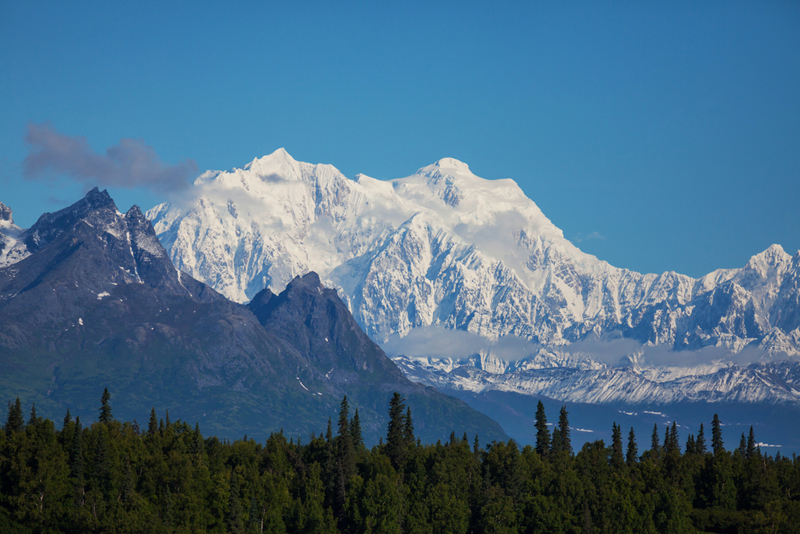
The question “How high is Mount McKinley in Alaska?” is one that sparks curiosity and wonder, inviting travelers to delve into the heart of one of the world’s most formidable natural wonders. While historically known as Mount McKinley, this majestic peak officially reverted to its original Indigenous name, Denali, in 2015, a recognition of its deep cultural significance to the native Alaskan Athabascan people. Regardless of its name, Denali stands as an undisputed titan, not only dominating the Alaskan landscape but also claiming the title of the highest mountain peak in North America. Its sheer scale, breathtaking beauty, and the profound wilderness that surrounds it make it a quintessential destination for adventure seekers, nature enthusiasts, and those simply looking to witness the grandeur of our planet.
Beyond its impressive statistics, Denali represents the ultimate challenge for mountaineers and an unparalleled experience for visitors exploring Denali National Park and Preserve. The journey to comprehend its height goes beyond mere numbers; it encompasses the vast expanses of the park, the vibrant ecosystems it nurtures, the thrilling activities it offers, and the diverse accommodation options that cater to every type of traveler. From the bustling gateway cities to the tranquil wilderness lodges, an adventure centered around Denali promises a lifetime of memories, intertwining the thrill of discovery with the comforts of thoughtful travel planning. This article aims to explore the various facets of Denali, from its exact elevation to the immersive travel experiences it provides, offering insights into how to best approach this iconic Alaskan landmark.

The Majestic Giant: Understanding Denali’s Stature
To truly appreciate Denali, one must first grasp the sheer magnitude of its physical presence. It’s not just a mountain; it’s a geological phenomenon, a colossal mass of rock and ice that rises dramatically from the surrounding plains, creating its own weather patterns and microclimates. Its isolation from other high peaks contributes significantly to its imposing vertical relief, making it one of the most prominent mountains on Earth.
Unveiling the True Elevation
So, to answer the initial question directly: Denali stands at an astounding 20,310 feet (6,190 meters) above sea level. This makes it the highest peak in North America and one of the “Seven Summits,” the highest mountains on each of the seven continents, a challenge coveted by elite climbers worldwide. What truly sets Denali apart, however, is not just its absolute height, but its immense base-to-peak rise. Unlike many other high mountains that are part of vast mountain ranges with high plateaus, Denali rises almost 18,000 feet (5,500 meters) from its base at approximately 2,000 feet (600 meters) above sea level. This makes its vertical relief greater than that of Mount Everest, which starts from a much higher plateau. This dramatic rise gives Denali an even more imposing and visually striking appearance, often described as a mountain lying down, encompassing a vast area rather than just a sharp peak. The mountain’s summit is characterized by extreme cold, unpredictable storms, and low atmospheric pressure, presenting formidable challenges even to the most experienced mountaineers.

A Name with History: Mount McKinley to Denali
The journey of the mountain’s name is as rich and complex as its geology. For thousands of years, the Koyukon Athabascan people, the Indigenous inhabitants of the region, have known the peak as Denali, meaning “The Great One” or “The High One.” This name reflects their profound respect and spiritual connection to the mountain. However, in 1896, a gold prospector named William Dickey named it Mount McKinley after then-presidential candidate William McKinley of Ohio. This name gained official recognition by the United States government in 1917, despite persistent efforts by Alaskans to restore the traditional name.
For decades, there was a spirited debate between Alaska, which sought to restore “Denali,” and Ohio, which championed “Mount McKinley.” Finally, in August 2015, the United States Department of the Interior officially restored the mountain’s original Athabascan name, Denali. This decision was a significant step in recognizing the cultural heritage of Indigenous peoples and aligning the official nomenclature with local tradition and preference. Today, the name Denali stands as a powerful symbol of Alaska’s wild heart and its rich Indigenous history, welcoming visitors to discover “The Great One.”
Journey to the Roof of North America: Planning Your Alaska Adventure
Embarking on an adventure to Denali requires careful planning, especially given the remote nature of the Alaskan wilderness. However, with the right preparation, the journey itself can be as rewarding as the destination, offering breathtaking vistas and unique travel experiences from the moment you set foot in the Last Frontier.
Gateway Cities and Access Points
Most travelers begin their Alaskan journey by flying into one of the state’s major gateway cities: Anchorage or Fairbanks. Anchorage, the largest city in Alaska, serves as a popular starting point due to its international airport and comprehensive amenities. From Anchorage, Denali National Park is approximately a 4-5 hour drive or a scenic 7-8 hour train ride north. Fairbanks, located further north, is closer to the park entrance, making it about a 2-3 hour drive or a 4-5 hour train ride.
The iconic Alaska Railroad offers one of the most memorable ways to reach Denali National Park. Known for its glass-domed cars and unparalleled views of the Alaskan interior, the train ride allows passengers to relax and soak in the majestic scenery, including potential wildlife sightings and, on clear days, magnificent views of Denali itself long before arriving at the park entrance. Driving, while offering flexibility, requires careful attention to road conditions and rental car availability, especially during peak season. Buses and guided tours are also excellent options, providing convenience and expert commentary on the journey.
Denali National Park and Preserve: A Wilderness Wonderland
Once you arrive, Denali National Park and Preserve unfolds as a six-million-acre wilderness paradise, larger than the state of Massachusetts. The park is a breathtaking tapestry of taiga forests, tundra, glaciers, and towering mountains, all culminating in the formidable presence of Denali. The single 92-mile Denali Park Road is the primary artery through the park, offering access to its diverse ecosystems and stunning viewpoints. Private vehicles are generally restricted beyond Savage River (mile 15), necessitating the use of park-operated shuttle buses for deeper exploration. These buses are not mere transportation; they are guided tours led by knowledgeable drivers who stop for wildlife, provide commentary, and ensure visitors have ample opportunities to experience the park’s grandeur. The park is renowned for its “Big Five” wildlife: grizzly bears, moose, caribou, Dall sheep, and wolves, making every turn of the road a potential wildlife photography opportunity.
Best Time to Visit and What to Pack
The optimal time to visit Denali National Park and Preserve is during the summer months, typically from late May to early September. This period offers the mildest weather, the longest daylight hours (up to 20 hours around the summer solstice), and the greatest accessibility to park facilities and activities. Wildlife is most active during these months, and the chance of clear views of Denali is highest, although the mountain is famously shy and often shrouded in clouds. The shoulder seasons (May and September) can offer fewer crowds and potentially lower prices, but with the trade-off of cooler temperatures and reduced services.
Packing for an Alaskan adventure, especially to a high-altitude wilderness like Denali, requires strategic layering. Essentials include waterproof and windproof outerwear, warm layers (fleece, down), sturdy hiking boots, a hat and gloves, insect repellent (mosquitoes can be prolific), sunscreen, and sunglasses (even on cloudy days, UV exposure is high). Binoculars are a must for wildlife viewing, and a good camera with a telephoto lens will capture those distant shots of wildlife and the sprawling landscapes. Flexibility in clothing is key, as Alaskan weather can change rapidly and dramatically.
Experiencing the Alaskan Wilderness: Activities and Attractions
Denali National Park and Preserve is not just a place to observe; it’s a place to participate. The vast wilderness offers a spectrum of activities, from the extreme challenge of high-altitude climbing to serene nature walks, ensuring that every visitor can find their own unique way to connect with “The Great One.”
Climbing Denali: The Ultimate Challenge
For a select few, the question of Denali’s height transforms from a curiosity into a tangible goal: to stand atop its summit. Climbing Denali is one of the world’s most demanding mountaineering endeavors, combining extreme altitude, glacial travel, severe weather, and the need for self-sufficiency. It is not a climb for the faint of heart or the inexperienced. Climbers typically spend weeks on the mountain, navigating crevasses, hauling heavy sleds, and establishing camps at progressively higher elevations. A permit is required, and climbers must demonstrate significant mountaineering experience and preparedness. Despite the formidable challenges, successful summiteers describe an unparalleled sense of accomplishment and awe at the panoramic views stretching across the top of North America.
Scenic Drives and Bus Tours
For the majority of visitors, experiencing Denali involves exploring the Denali Park Road. The park’s bus system is a fantastic way to delve deep into the wilderness. There are various tour options, ranging from shorter narrative tours to longer transit buses that allow you to disembark for hiking and then catch a later bus. Key viewpoints along the road, such as Savage River, Teklanika River, and Eielson Visitor Center, offer stunning opportunities to view Denali on clear days and observe wildlife in their natural habitat. Each turn reveals a new landscape, from broad glacial valleys to dense spruce forests, all contributing to the park’s mesmerizing allure.
Wildlife Viewing and Photography
Denali National Park and Preserve is a premier destination for wildlife viewing. The open tundra and taiga provide excellent opportunities to spot the “Big Five” and countless other species. Observing a grizzly bear foraging for berries, a majestic moose wading in a pond, a herd of caribou traversing the landscape, nimble Dall sheep clinging to steep cliffs, or the elusive wolves is an unforgettable experience. Park rangers and bus drivers are adept at spotting animals, and visitors are encouraged to bring binoculars and telephoto lenses to capture these moments respectfully from a safe distance. The park’s commitment to preserving its wild inhabitants ensures an authentic and impactful wildlife encounter.
Flightseeing Tours: An Aerial Perspective
To truly appreciate the scale and grandeur of Denali and the Alaska Range, nothing compares to a flightseeing tour. Numerous operators offer flights from outside the park, providing an incredible aerial perspective of the glaciers, peaks, and vast wilderness. These tours often fly close to Denali’s towering south face, offering breathtaking views of the summit and surrounding ice fields that are inaccessible by ground. Some tours even include glacier landings, allowing passengers to step out onto a remote glacier and walk on the ancient ice, an experience that is both exhilarating and humbling. Flightseeing provides an unparalleled opportunity to witness the entire ecosystem from a bird’s-eye view, revealing the intricate patterns of the landscape forged by ice and time.
Accommodation and Comfort in the Alaskan Frontier
While the wilderness around Denali is rugged, the accommodation options cater to a wide range of preferences and budgets, ensuring comfort and relaxation after a day of exploration. From luxurious lodges to cozy cabins and well-equipped campsites, there’s a perfect base for every Denali adventure.
Lodging Options Near Denali
Most accommodations are located just outside the park entrance, primarily in the areas around Healy and Cantwell. These areas offer a concentration of hotels, lodges, and cabins, ranging from rustic to modern. Many establishments provide shuttle services to the park entrance, making access convenient. Within the park, options are limited primarily to campgrounds and a few exclusive wilderness lodges deep inside, which offer an immersive, off-grid experience but require special arrangements and come at a premium. The general area outside the park is often referred to as “Glitter Gulch” due to the collection of tourist services, but don’t let the nickname deter you; many lodges offer genuine Alaskan hospitality and fantastic amenities.
Upscale Resorts and Wilderness Cabins
For those seeking a more luxurious experience, several upscale resorts and lodges near Denali offer premium amenities. For example, the Denali Princess Wilderness Lodge provides comfortable rooms, excellent dining, and stunning views, often featuring evening entertainment and easy access to park activities. These resorts often have on-site restaurants, gift shops, and tour desks, simplifying travel logistics. On the other end of the spectrum, charming wilderness cabins offer a more intimate and rustic experience, often nestled away from the main tourist hubs, providing a tranquil retreat. These can range from simple, self-catering units to fully equipped cabins with modern comforts. The choice often depends on whether you prefer a full-service experience or a more independent, secluded stay amidst nature.
Planning Your Stay: Booking and Reviews
Given the popularity of Denali National Park and Preserve, especially during the summer peak season, booking accommodation well in advance is highly recommended – often six months to a year ahead, particularly for larger groups or specific preferences. Online travel agencies, direct bookings through lodge websites, and local tour operators are good resources. It’s also wise to consult reviews on reputable travel websites to gauge the quality of service, amenities, and location, ensuring your chosen accommodation aligns with your expectations for an Alaskan adventure. Consider proximity to the park entrance, dining options, and any specific tour or shuttle services offered by the lodging.
Embracing the Alaskan Lifestyle: Tips for an Unforgettable Trip
An expedition to Denali is more than just a sightseeing trip; it’s an immersion into the distinct Alaskan lifestyle, a blend of rugged individualism, deep respect for nature, and a vibrant local culture. Understanding and embracing this ethos can significantly enhance your travel experience.
Local Cuisine and Cultural Experiences
Alaska’s culinary scene is a delightful surprise, heavily influenced by its bountiful natural resources. Freshly caught salmon, halibut, and crab are staples, often prepared with a hearty, comforting flair. Wild game, such as moose or caribou sausage, also makes appearances on menus, offering a taste of the true Alaskan wilderness. Beyond the food, exploring the rich Alaskan Native culture is an enriching experience. Many visitor centers and cultural sites, both within and outside Denali National Park, offer insights into the traditions, art, and history of the Athabascan people. Look for opportunities to engage with local artisans, attend storytelling sessions, or visit a cultural heritage center to gain a deeper appreciation for the land and its original inhabitants.
Budget-Friendly Travel vs. Luxury Escapes
Alaska travel can accommodate a wide range of budgets. For those looking to minimize costs, camping within Denali National Park (reservations essential) or staying in more budget-friendly motels outside the park are viable options. Self-driving and packing your own meals can also cut down expenses. On the other hand, luxury escapes offer unparalleled comfort and convenience. This might involve staying in high-end wilderness lodges, opting for private guided tours, or indulging in scenic flightseeing tours with glacier landings. Many tour operators specialize in bespoke luxury Alaskan itineraries, handling all logistics from private transfers to gourmet dining experiences. Whether you’re a backpacker or seeking a pampered retreat, Denali can be tailored to your preferred travel style.
Safety and Preparedness in the Wild
The Alaskan wilderness, while beautiful, demands respect and preparedness. Wildlife safety, particularly regarding bears, is paramount. Always carry bear spray, know how to use it, and understand appropriate responses to wildlife encounters. Hiking in groups, making noise on trails, and storing food securely are essential practices. The weather is notoriously unpredictable, so always be prepared for sudden changes in temperature, rain, or even snow, regardless of the season. Inform someone of your hiking plans, carry a map and compass (or GPS device), and bring sufficient water and snacks. For more adventurous activities like backcountry hiking or mountaineering, consider hiring experienced local guides who possess invaluable knowledge of the terrain, weather patterns, and safety protocols, ensuring a memorable and secure exploration of “The Great One.”
In conclusion, Denali, standing majestically at 20,310 feet (6,190 meters), is more than just North America’s highest peak. It is a symbol of wild beauty, a testament to geological power, and a beacon for adventurers worldwide. Visiting this iconic landmark in Alaska is an immersive experience that combines breathtaking natural scenery, thrilling activities, and a glimpse into a unique way of life. By understanding its stature, planning thoughtfully, and embracing the spirit of the Alaskan frontier, travelers can embark on an unforgettable journey to the roof of North America.
LifeOutOfTheBox is a participant in the Amazon Services LLC Associates Program, an affiliate advertising program designed to provide a means for sites to earn advertising fees by advertising and linking to Amazon.com. Amazon, the Amazon logo, AmazonSupply, and the AmazonSupply logo are trademarks of Amazon.com, Inc. or its affiliates. As an Amazon Associate we earn affiliate commissions from qualifying purchases.