
The question “How high is the Sears Tower in Chicago?” evokes a sense of wonder and curiosity about one of the world’s most iconic architectural achievements. While officially renamed the Willis Tower in 2009, its former moniker remains etched in the collective memory, a testament to its enduring legacy and significant impact on the Chicago skyline. This towering structure is not merely a skyscraper; it’s a symbol of human ingenuity, an engineering marvel, and a must-visit destination for anyone exploring the vibrant city of Chicago, Illinois.
Standing majestically over the Windy City, the Willis Tower — still affectionately known to many as the Sears Tower — reaches an astonishing height that once dominated the global architectural landscape. For decades, it held the title of the world’s tallest building, a testament to the ambitious vision and groundbreaking engineering that brought it to life. Today, while other skyscrapers have surpassed its pinnacle, its stature remains incredibly impressive, offering unparalleled views and a unique experience from its famed Skydeck Chicago. For travelers seeking breathtaking panoramas, a dive into architectural history, or simply an unforgettable experience high above the bustling streets, understanding the sheer scale of this landmark is the first step in appreciating its grandeur.
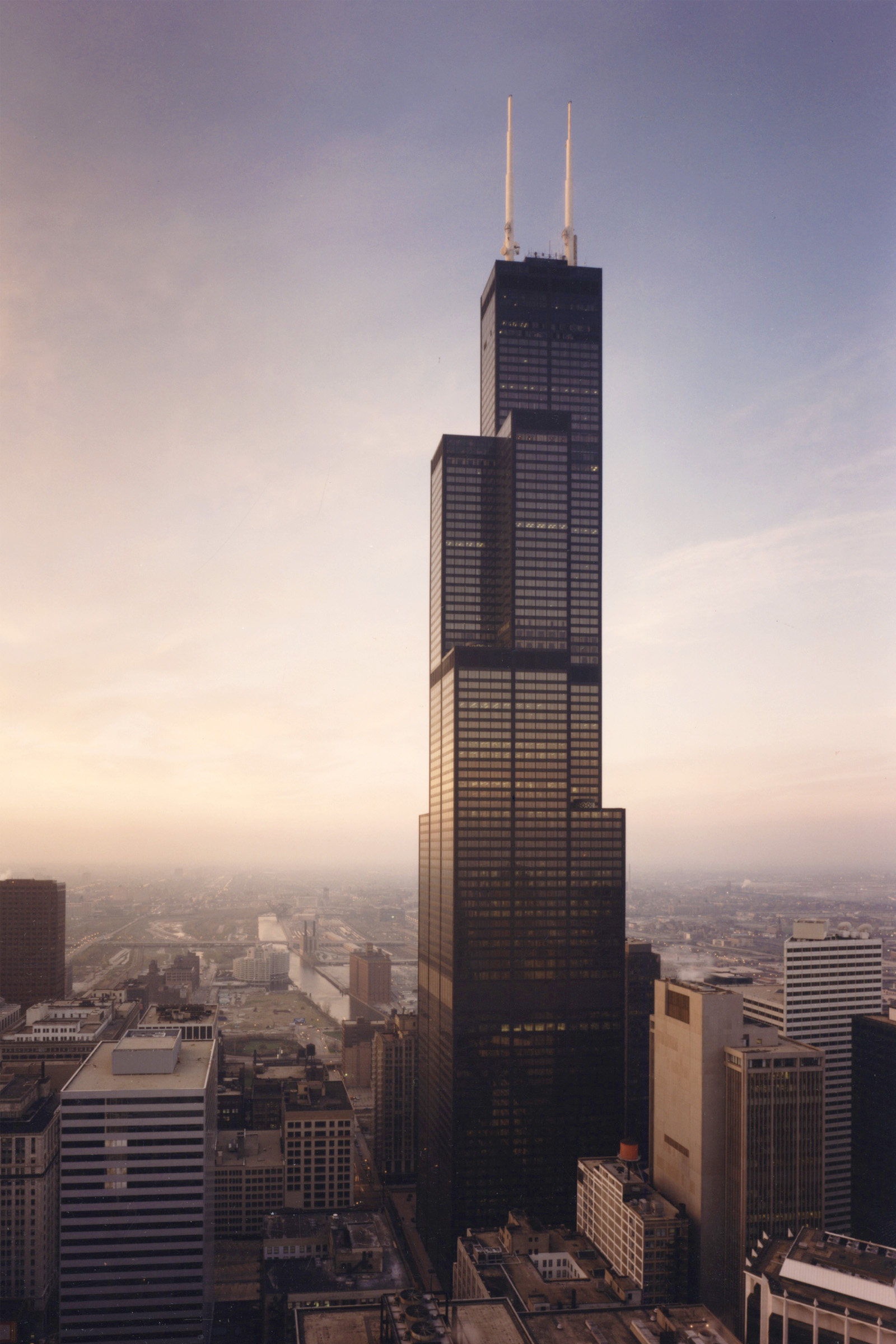
A Colossus Among Giants: Unveiling the Willis Tower’s Stature
The Willis Tower represents a pinnacle of 20th-century architectural ambition and engineering prowess. Its sheer scale and distinctive design have cemented its place not just in Chicago’s history, but in the annals of global architecture. To fully appreciate its impact, one must delve into the numbers that define its remarkable height and the narrative behind its transformation from the Sears Tower to its current identity.
The Definitive Height: Numbers That Awe
The Willis Tower stands at a formidable 1,450 feet (442 meters) to the top of its architectural height. This measurement includes the roof and the highest structural element, making it a monumental presence. When considering its antennae, the height extends even further, reaching an impressive 1,729 feet (527 meters). This colossal structure comprises 108 stories, though officially counted as 110 by its designers, using a system that includes two mechanical floors at the very top. For nearly 25 years, from its completion in 1973 until 1998, it proudly held the title of the tallest building in the world, a remarkable feat that placed Chicago firmly at the forefront of modern architectural innovation.
While no longer the world’s tallest – titles now held by marvels like the Burj Khalifa in Dubai and the Shanghai Tower in China – the Willis Tower remains a towering giant. It is currently the third-tallest building in the United States and the Western Hemisphere, standing proudly behind One World Trade Center in New York City and Central Park Tower, also in New York City. Its enduring height makes it a perpetual beacon on the Chicago skyline, an unavoidable landmark that captures the imagination of residents and visitors alike. The sheer verticality of the tower provides an incomparable perspective of the city, Lake Michigan, and even distant states on a clear day, solidifying its status as a premier attraction for anyone interested in the scale and scope of urban environments.

From Sears Tower to Willis Tower: A Legacy Reimagined
The iconic skyscraper, originally named the Sears Tower, was commissioned by Sears, Roebuck and Company, then the world’s largest retailer, to consolidate its thousands of employees into a single corporate office. Its completion in 1973 marked a new era in skyscraper design and construction. For over three decades, the name Sears Tower was synonymous with Chicago’s architectural prowess and the economic might of the United States.
However, in 2009, the naming rights were acquired by Willis Group Holdings, a global insurance broker, leading to its official renaming as the Willis Tower. This change, while initially met with some resistance and nostalgia from locals and long-time fans of the original name, has gradually become accepted. The tower itself has seen several ownership changes over the years, with prominent firms like the Blackstone Group acquiring it in 2015. Despite the change in name, the building’s historical significance, its striking architecture, and its role as a key player in the Chicago identity remain undiminished. It continues to be a vibrant hub for businesses, a symbol of urban innovation, and a magnet for millions of tourists annually, eager to experience its unparalleled views and rich history. The transition from Sears Tower to Willis Tower is a narrative that mirrors the dynamic evolution of modern commerce and urban development, highlighting how even the most established landmarks adapt and thrive.
An Architectural Marvel and Engineering Feat
The Willis Tower is far more than just a tall building; it’s a masterclass in structural engineering and architectural design. Its construction pushed the boundaries of what was thought possible in the early 1970s, setting new standards for skyscraper development worldwide. Understanding the visionaries behind its creation and the innovative techniques employed reveals the true genius embedded within its imposing facade.
The Visionaries Behind the Icon
The creation of the Sears Tower was a collaborative effort led by the renowned architectural firm Skidmore, Owings & Merrill (SOM). The principal architect was Bruce Graham, whose vision shaped the building’s distinctive form. However, the true engineering innovation came from Fazlur Rahman Khan, a Bangladeshi-American structural engineer and architect, who revolutionized skyscraper design with his “bundled tube” concept.
Khan’s approach was groundbreaking. Before his innovations, tall buildings typically relied on internal steel frames that became inefficient at extreme heights due to sway. Khan’s bundled tube system fundamentally changed this by treating the entire building as a hollow cylinder, or a “tube,” capable of resisting lateral forces like wind with remarkable efficiency. This system was first implemented in Chicago with the John Hancock Center (now 875 North Michigan Avenue), another SOM project, and perfected with the Sears Tower. Their combined genius allowed for the construction of buildings that were not only taller but also more stable and economically viable, fundamentally altering the trajectory of skyscraper development for decades to come.
Innovative Design: The Bundled Tube Concept
The bundled tube design of the Willis Tower is arguably its most defining engineering characteristic. Instead of a single, monolithic tower, the structure is conceived as nine square “tubes” bundled together to form a larger square base. These nine tubes rise together up to the 50th floor. At this point, two of the tubes drop off. Two more drop off at the 66th floor, and another two at the 90th floor, creating the building’s distinctive stepped, or setback, appearance. Only two of the original nine tubes continue all the way to the 108th floor, forming the slender upper sections of the tower.
This innovative design offers several critical advantages:
- Wind Resistance: The bundled tubes act like a giant truss system, distributing wind loads across the entire structure. This dramatically reduces sway, making the building more stable and comfortable for occupants even at extreme heights.
- Structural Efficiency: By creating a rigid, tube-like perimeter, the design requires less steel than traditional frame structures of comparable height, making it more cost-effective to construct.
- Flexible Interior Spaces: The perimeter-focused structure allows for large, open floor plans, providing tenants with flexible office layouts.
- Aesthetic Appeal: The setbacks create a dynamic and recognizable silhouette against the Chicago skyline, distinguishing it from other monolithic towers.
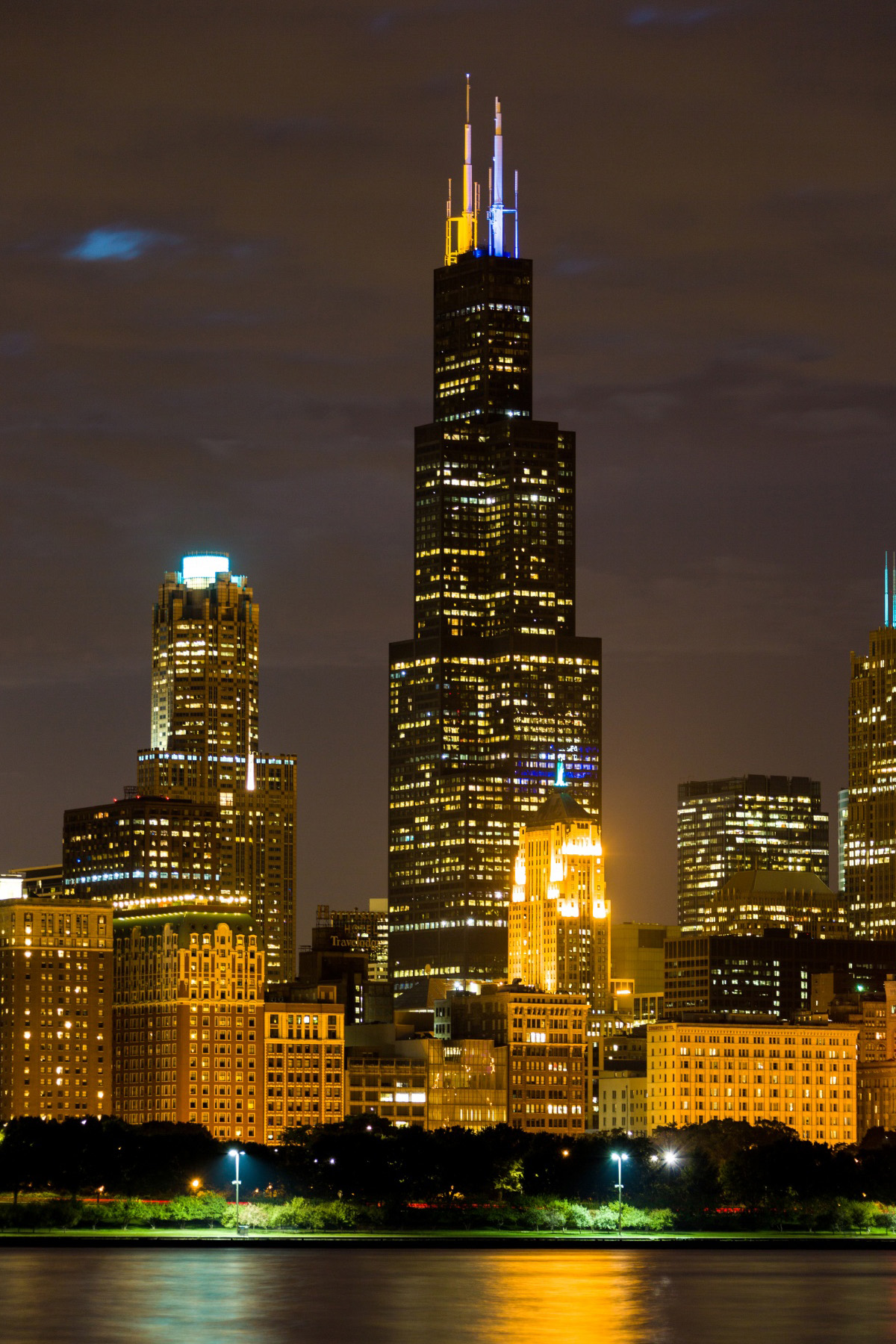
The bundled tube concept paved the way for future supertalls and remains a benchmark in structural engineering. The Willis Tower stands as a monument to how engineering innovation and bold architectural vision can converge to create structures that are both functionally superior and aesthetically iconic, inviting admiration from architects, engineers, and everyday travelers alike.
The Skydeck Chicago Experience: Soaring Above the Windy City
No visit to the Willis Tower is complete without ascending to Skydeck Chicago. Located on the 103rd floor, this world-famous observation deck offers an experience unlike any other, transforming the mere act of looking out a window into an exhilarating adventure. It is undoubtedly one of Chicago’s premier tourist attractions, drawing millions each year who seek to stand literally above the city.
Stepping Onto The Ledge: A Glass-Bottomed Thrill
The undisputed highlight of Skydeck Chicago is The Ledge. Introduced in 2009, these four glass boxes extend out 4.3 feet (1.3 meters) from the building’s facade, providing visitors with an utterly unique, heart-pounding sensation. Stepping into The Ledge places you 1,353 feet (412 meters) above the streets of Chicago, with nothing but a crystal-clear glass floor between you and the busy city below. The view directly down is dizzying and awe-inspiring, offering an unparalleled perspective of the bustling streets, ant-sized cars, and distant Lake Michigan.
This experience is designed for thrill-seekers and those looking to capture truly unforgettable photos. While it might challenge those with a fear of heights, the sensation of floating above the city is remarkably safe and an absolute must-do. The Ledge is constructed with three layers of half-inch-thick glass laminated into a single, seamless unit, capable of holding up to five tons of weight. Waiting in line for your turn on The Ledge is part of the anticipation, adding to the build-up of this extraordinary moment. It perfectly encapsulates the adventurous spirit of modern tourism, blending architectural wonder with immersive, high-octane experiences.
Panoramic Views and Interactive Exhibits
Beyond The Ledge, Skydeck Chicago offers expansive 360-degree panoramic views that stretch across four states on a clear day: Illinois, Indiana, Michigan, and Wisconsin. From this vantage point, visitors can identify numerous Chicago landmarks, including Millennium Park, the Art Institute of Chicago, Soldier Field, and the vast expanse of Lake Michigan. The changing light throughout the day offers different spectacles, with sunset views being particularly magical as the city lights begin to twinkle below.
The entire Skydeck Chicago experience is enhanced by a series of interactive exhibits that precede the ascent. These exhibits delve into Chicago’s rich history, from the Great Chicago Fire to its architectural evolution, and highlight the significance of the Willis Tower itself. Visitors can learn about the tower’s construction, its engineering feats, and its place in popular culture through engaging displays, educational videos, and fun photo opportunities. These pre-summit experiences add context and depth to the visit, transforming it from a simple sightseeing trip into an educational journey that enhances appreciation for both the building and the city it overlooks. It’s an ideal way to start a Chicago itinerary, providing an invaluable orientation to the city’s layout and its most prominent features.
The Willis Tower’s Enduring Impact on Chicago and Beyond
The Willis Tower isn’t just a landmark; it’s an economic engine, a cultural touchstone, and an integral part of Chicago’s identity. Its presence has profoundly shaped the city’s urban development, tourism landscape, and global reputation as a hub of architectural innovation and vibrant city life.
A Beacon for Tourism and Urban Development
From the moment it opened, the Willis Tower has been a powerful magnet for tourism. Its status as the world’s tallest building for a quarter-century cemented its place on the global stage, drawing millions of visitors eager to witness its height and experience its panoramic views. Even today, as other towers have surpassed it in height, Skydeck Chicago remains one of the most visited attractions in the United States, welcoming approximately 1.7 million visitors annually. This influx of tourists supports local businesses, from hotels and restaurants to souvenir shops and transport services, contributing significantly to Chicago’s economy.
Beyond tourism, the tower has played a crucial role in Chicago’s urban development. Its immense office spaces have attracted countless corporations over the decades, making it a pivotal commercial hub. The ongoing maintenance and modernization efforts ensure its continued relevance as a premium business address. Its location in the bustling Loop District has also spurred growth and development in the surrounding area, fostering a dynamic urban environment where commerce, culture, and tourism converge. The tower serves as a constant reminder of Chicago’s forward-thinking approach to urban planning and its ability to blend historical significance with contemporary dynamism.
Exploring the Vibrant Loop District
The Willis Tower’s prime location within the Loop District — Chicago’s central business district and a cultural heartland — makes it an excellent starting point for exploring the city. Visitors exiting the tower find themselves immersed in a vibrant urban landscape brimming with attractions, dining options, and accommodation choices.
Within easy walking distance, travelers can discover an array of iconic Chicago experiences:
- Millennium Park: Home to the famous “Cloud Gate” sculpture (affectionately known as “The Bean”), Pritzker Pavilion, and the Crown Fountain.
- Art Institute of Chicago: One of the oldest and largest art museums in the United States, boasting an encyclopedic collection.
- The Theatre District: A hub for Broadway in Chicago productions and various live performances.
- Architecture River Cruise: A highly recommended way to appreciate Chicago’s world-renowned architecture from a unique perspective.
- Dining and Shopping: The Loop District offers everything from high-end restaurants to casual eateries, and diverse shopping experiences. The nearby Magnificent Mile, though a bit further north, is also a prime destination for luxury shopping.
For those planning to stay, the Loop District and its surrounding areas offer a wide range of accommodation options, from luxury hotels like the JW Marriott Chicago and Palmer House Hilton to boutique hotels and extended-stay apartments. The accessibility to public transportation, including elevated trains (the “L”) and buses, makes it easy to navigate to other Chicago attractions like the Museum Campus (featuring the Field Museum, Shedd Aquarium, and Adler Planetarium) or the vibrant neighborhoods beyond downtown. The Willis Tower thus serves not only as a destination in itself but also as a gateway to the broader Chicago experience, enriching any travel itinerary.
Planning Your Ascent: Tips for a Memorable Visit
Visiting the Willis Tower and its Skydeck Chicago is a highlight for many travelers to Chicago. To ensure a smooth and enjoyable experience, especially given its popularity, a little planning goes a long way. From navigating ticket purchases to understanding the best times to visit and exploring nearby amenities, these tips will help maximize your time and enhance your overall adventure.
Navigating Tickets and Best Times to Visit
Ticketing: It is highly recommended to purchase tickets for Skydeck Chicago online in advance through the official website. This often allows you to select a specific date and time slot, helping to bypass long queues, especially during peak seasons or weekends. Various ticket options may be available, including general admission, fast pass options for quicker entry, and combo tickets that might include other Chicago attractions. Always check for current pricing and any available discounts, such as those for children, seniors, or military personnel.
Best Times to Visit: To avoid the largest crowds and have the most serene experience, consider visiting during off-peak hours.
- Early Mornings: Immediately after opening, typically between 9:00 AM and 10:30 AM, can offer lighter crowds and clearer views.
- Late Evenings: About an hour or two before closing, the crowds tend to thin out. This also provides the magical experience of seeing the city lights come alive.
- Weekdays: Tuesdays, Wednesdays, and Thursdays are generally less busy than weekends or Mondays.
- Sunset: While popular and often crowded, experiencing sunset from the Skydeck is breathtaking. If you aim for sunset, plan to arrive at least an hour before the actual sunset time to secure a good spot and enjoy the transition from daylight to twilight.
- Weather: Check the weather forecast before your visit. A clear day will offer the best visibility, allowing you to see for miles across Lake Michigan and into neighboring states. Foggy or rainy days can obscure the views, so adjust your plans accordingly if flexibility allows.
Security and Entry: Be prepared for airport-style security checks. Bags are typically scanned, and certain items might be prohibited. Arrive a little ahead of your scheduled time to allow for these procedures.
Beyond the Tower: Nearby Attractions and Accommodation Options
Your visit to the Willis Tower can easily be integrated into a broader Chicago itinerary, thanks to its central location.
Nearby Attractions:
- Chicago Architecture Foundation Center River Cruise: A highly recommended experience to see Chicago’s architectural masterpieces from the Chicago River. Several departure points are within easy reach.
- Art Institute of Chicago: A world-class museum located just a short walk east.
- Millennium Park: Discover “The Bean” (Cloud Gate), Jay Pritzker Pavilion, and the Crown Fountain, also within walking distance.
- Chicago Cultural Center: Features stunning architecture, free art exhibits, and cultural events.
Accommodation: The Loop District and adjacent areas offer a comprehensive range of hotels suitable for all types of travelers and budgets.
- Luxury: Hotels like the The Langham, Chicago, Four Seasons Hotel Chicago, and Peninsula Chicago offer unparalleled amenities and services.
- Mid-Range: Reputable chains such as Hilton, Marriott, and Hyatt have multiple properties with excellent locations and comfortable stays, including the Palmer House Hilton and Hyatt Centric Loop Chicago.
- Budget-Friendly/Boutique: Numerous boutique hotels and more economical options can be found further afield or through careful booking, offering unique experiences without breaking the bank. Consider looking at properties a bit outside the immediate Loop for potentially better value, relying on Chicago’s efficient public transport.
When planning your stay, consider booking hotels with views of the Willis Tower itself for a continuous appreciation of its grandeur. Many hotels in Chicago’s downtown area boast incredible skyline vistas. By thoughtfully combining your Willis Tower visit with nearby attractions and convenient accommodation, you can craft a seamless and enriching travel experience in one of the United States’ most captivating cities.