
Mention Alaska, and most people immediately conjure images of snow-capped mountains, glaciers, and endless winter. While these iconic landscapes are undeniably part of its charm, the idea that Alaska is perpetually frozen is a common misconception. In reality, the Last Frontier experiences surprisingly warm, vibrant, and even hot summers that transform its rugged terrain into a lush paradise teeming with life. From long, sun-drenched days to genuinely high temperatures, summertime in Alaska offers a dramatically different experience than many expect, making it a prime destination for travelers seeking unique adventures under the midnight sun.
Understanding “how hot” it gets isn’t just about a number on a thermometer; it’s about the feeling of the warm sun on your skin, the active wildlife, the blooming wildflowers, and the sheer energy that permeates the state during these brief but intense months. This article delves into the nuances of Alaska’s summer climate, exploring regional variations, record-breaking temperatures, and the incredible opportunities this warm season presents for travel, tourism, and unforgettable experiences.
Unveiling Alaska’s Summer Heat: A Regional Breakdown
Alaska is a vast state, nearly one-fifth the size of the contiguous United States, and its climate varies significantly from one region to another. While the entire state enjoys extended daylight hours during summer, the actual temperatures and precipitation patterns can differ dramatically.
Southcentral Alaska: The Anchorage Area and Beyond
Southcentral Alaska is the most populous region, home to the state’s largest city, Anchorage. Here, summers are generally mild and pleasant, but they can also surprise visitors with genuine heat. July is typically the warmest month, with average daytime temperatures hovering around 65-70°F (18-21°C). However, it’s not uncommon for temperatures to climb into the 70s and even low 80s°F (20s°C).
The record high temperature for Anchorage was a scorching 90°F (32°C) set in July 2019, shattering previous records. These warmer spells are often accompanied by clear, sunny skies, perfect for exploring urban attractions like the Anchorage Museum or venturing into nearby natural wonders such as Chugach State Park.
The region also encompasses the picturesque Kenai Peninsula, including towns like Seward and Homer, and the scenic Mat-Su Valley with Palmer and Wasilla. These areas offer similar temperature ranges, providing ideal conditions for salmon fishing, kayaking, and wildlife viewing. Accommodation options in Anchorage range from luxury establishments like the Captain Cook Hotel to more budget-friendly Westmark Hotels, catering to various lifestyle preferences for your travel experience.
Interior Alaska: Fairbanks and Beyond
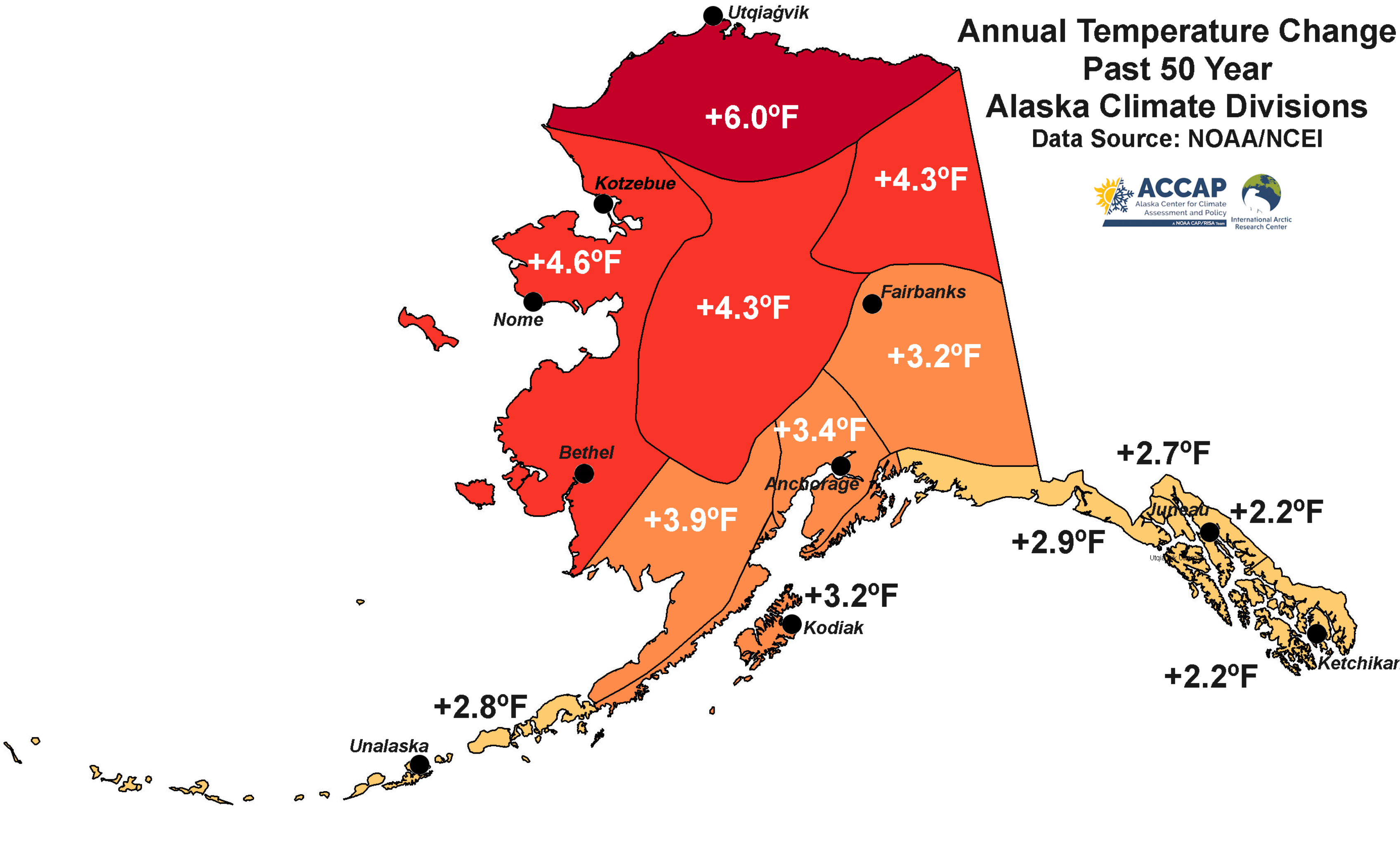
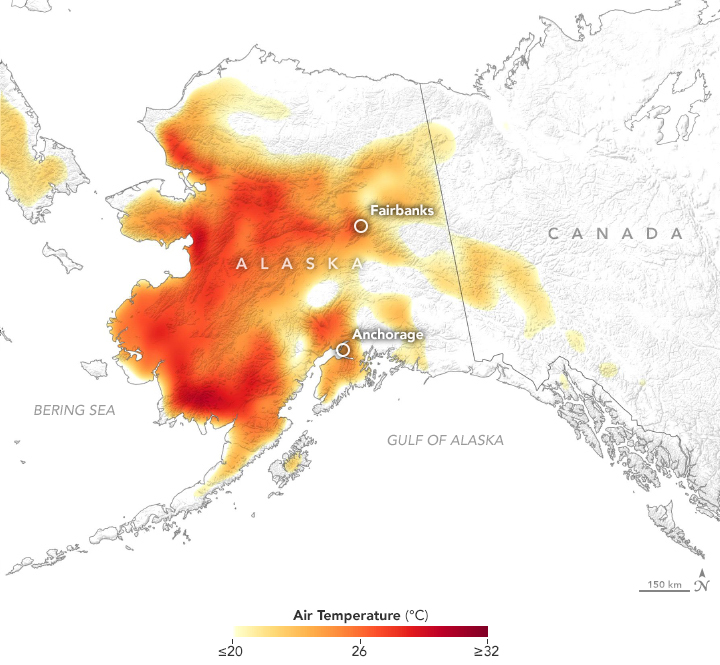
Venture inland to Interior Alaska, where the climate is more continental, and you’ll find the warmest temperatures in the state. Cities like Fairbanks, situated closer to the geographic center of Alaska, experience dramatic temperature swings between winter and summer. While winters are brutally cold, summers can be surprisingly hot and dry.
In July, Fairbanks typically sees average highs in the low to mid-70s°F (22-24°C). However, temperatures frequently soar into the 80s°F (27-30°C), and even occasionally touch the low 90s°F (32-34°C). The record high for Fairbanks stands at a blistering 99°F (37°C), a testament to the region’s capacity for extreme warmth. This intense heat, combined with nearly 24 hours of daylight around the summer solstice, creates a unique atmosphere for travelers.
This is the land of the Midnight Sun, where you can play golf at midnight or explore the wilderness of Denali National Park and Preserve under an eternal glow. The warmth supports thriving ecosystems, making it a prime location for wildlife viewing, particularly for bears, moose, and caribou. Lodges and hotels, like The Hotel Denali near Denali National Park and Preserve, offer comfortable accommodation for experiencing this unique climate.
Southeast Alaska: The Panhandle’s Temperate Charm
The panhandle of Southeast Alaska, a narrow strip of land and islands bordering Canada, has a very different climate profile. Influenced by the Gulf of Alaska and extensive rainforests, this region, home to cities like Juneau, Ketchikan, and Sitka, is characterized by milder temperatures and significantly more rainfall.
Summers here are pleasant but rarely “hot” in the way Interior Alaska can be. Average daytime temperatures in July range from the mid-50s to low 60s°F (13-18°C). However, sunny days can push temperatures into the upper 60s and even low 70s°F (19-22°C), providing comfortable conditions for exploring the Tongass National Forest or viewing the iconic Mendenhall Glacier.
The highest recorded temperature in Juneau was 89°F (32°C), indicating that even this coastal, rainy region can experience rare heatwaves. This area is a popular destination for cruise ship passengers, offering a blend of natural beauty and rich Gold Rush history in towns like Skagway. Tourism here often revolves around marine activities like whale watching and exploring the myriad islands.
Arctic and Western Alaska: The Wild Frontier
Even Arctic Alaska and Western Alaska, often perceived as perpetually frozen, experience their own version of summer warmth. North of the Arctic Circle, in places like Utqiaġvik (formerly Barrow), average July temperatures are in the low to mid-40s°F (4-7°C). While this might not sound “hot,” it’s a stark contrast to the sub-zero winter temperatures, making these months feel genuinely warm to locals. Utqiaġvik has even recorded temperatures up to 79°F (26°C)!
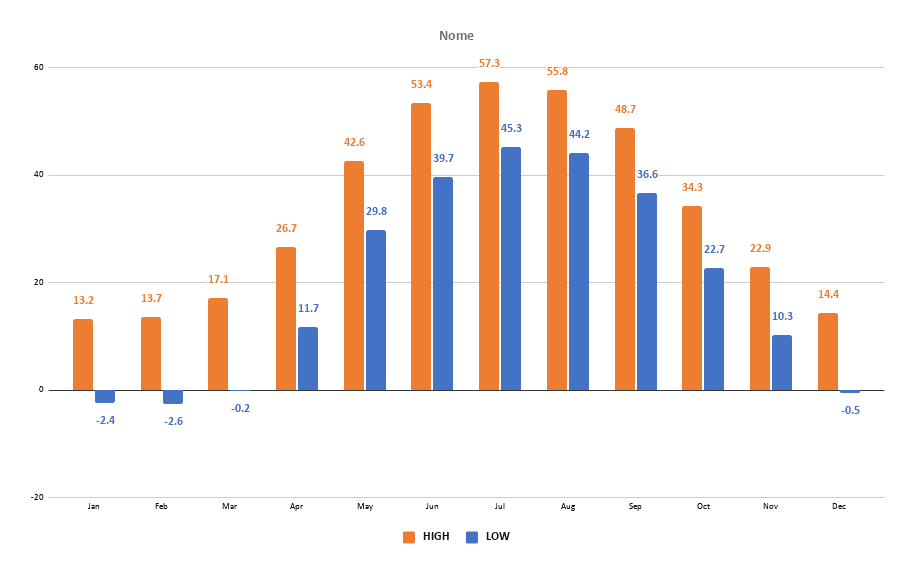
Further south in Western Alaska, coastal towns like Nome on the Bering Sea can see July averages in the 50s°F (10-15°C), with record highs reaching the low 80s°F (27-28°C). These regions, while challenging to access, offer incredible opportunities for adventure travel and experiencing unique local culture, particularly with Alaska Native Heritage Center.
Beyond the Thermometer: Experiencing Alaska’s Warm Season
The summer warmth in Alaska is about more than just numbers; it’s about a complete sensory experience that transforms the state.
The Magic of Endless Daylight
One of the most captivating aspects of an Alaskan summer is the sheer abundance of daylight. North of the Arctic Circle, the sun doesn’t set for weeks or even months. In Anchorage, you’ll enjoy around 19 hours of daylight in late June, with civil twilight extending for several more hours. This means bright skies virtually around the clock.
This endless daylight fuels an incredible burst of activity. Plants grow at an astonishing rate, producing giant vegetables and vibrant wildflowers that carpet the landscapes. Animals, from bears feasting on salmon to migratory birds, are at their most active. For travelers, the long days mean more time for exploration, hiking, and experiencing everything Alaska has to offer, without feeling rushed. Many hotels and resorts in Alaska are designed to help guests manage the light, with blackout curtains being a common amenity.
Summer Activities for Every Traveler
The warm summer months unlock a myriad of outdoor activities. Whether you’re an adrenaline junkie or seeking serene natural beauty, Alaska delivers.
- Hiking and Backpacking: With trails clear of snow and temperatures comfortable, the state’s vast network of trails in places like Denali National Park and Preserve, Chugach State Park, and along the Kenai Peninsula become accessible. Explore alpine meadows, gaze upon glaciers, and spot wildlife.
- Wildlife Viewing: Summer is prime time to see Alaska’s iconic creatures. Bears are active, moose wander freely, and bird migrations bring vibrant species. Coastal tours offer incredible opportunities to spot humpback whales, orcas, puffins, and bald eagles in places like Kenai Fjords National Park or Glacier Bay National Park and Preserve.
- Fishing: Alaska is a world-renowned fishing destination, and summer is when the salmon runs are in full swing. Anglers flock to rivers and coastal waters for salmon, halibut, and trout. Fishing lodges, often remote and luxurious, offer unparalleled experiences.
- Kayaking and Rafting: Explore glacial lakes, tranquil rivers, or coastal fjords by water. Prince William Sound near Valdez is particularly stunning for kayaking amidst icebergs and glaciers.
- Flightseeing: Gain a breathtaking perspective of Alaska’s vastness with a flightseeing tour over the Alaska Range, including a close-up view of Denali, North America’s highest peak, or the expansive icefields.
- Cultural Experiences: Summer also brings various festivals, Alaska Native cultural events, and historical reenactments, particularly in towns with strong Gold Rush history like Skagway.
Navigating the Elements: Packing and Preparation
Even with the warmth, Alaska weather can be unpredictable, especially in the mountains and along the coast. Smart packing is essential for a comfortable summer trip.
- Layers are Key: Be prepared for everything from 80°F (27°C) sun to 40°F (4°C) rain in the same day. Pack moisture-wicking base layers, insulating fleeces, and a waterproof/windproof outer shell.
- Sun Protection: With the extended daylight, UV exposure is high. Bring sunglasses, a wide-brimmed hat, and high-SPF sunscreen.
- Insect Repellent: Mosquitoes and other biting insects can be prolific, especially in inland areas during warmer, calmer periods. A strong insect repellent and perhaps a head net are highly recommended.
- Comfortable Footwear: Waterproof hiking boots are a must for exploring trails and wet terrain.
- Eyemask for Sleeping: For light sleepers, an eye mask is invaluable for blocking out the persistent daylight.
Planning Your Warm-Weather Alaska Getaway
Embracing Alaska’s warm side requires a bit of planning, but the rewards are immense.
When to Visit for Peak Warmth
The warmest months in Alaska are generally June, July, and August.
- June offers rapidly increasing daylight, blooming wildflowers, and active wildlife, with temperatures steadily rising.
- July is typically the warmest month statewide, often with the most consistent sunshine, making it ideal for most outdoor activities. This is also peak season for salmon runs.
- August sees temperatures begin to cool slightly, but usually remains pleasant. Fall colors start to emerge in late August, especially inland, adding another layer of beauty.
Finding Your Perfect Summer Accommodation
Alaska offers a diverse range of accommodation options to suit every travel style and budget.
- Luxury Lodges and Resorts: For a high-end experience, consider wilderness lodges near national parks or fishing lodges that combine upscale comforts with unparalleled access to nature. These often include gourmet food and guided activities.
- Boutique Hotels and Downtown Stays: In cities like Anchorage, Fairbanks, and Juneau, you’ll find a variety of hotels, from national chains to unique local establishments. These provide easy access to dining, shopping, and cultural attractions.
- Rustic Cabins and Vacation Rentals: For a more independent or immersive experience, consider vacation rentals, rustic cabins, or bed and breakfasts. These are excellent options for families or those seeking a home-away-from-home feel.
- RV Travel: Many visitors choose to explore Alaska by RV, taking advantage of numerous campgrounds in state and national parks. This offers flexibility and the chance to truly immerse yourself in the natural surroundings.
Booking well in advance, especially for peak season (July), is highly recommended, as popular accommodations and tours fill up quickly.
Culinary Delights and Local Experiences
Alaskan summers are also a time for enjoying fresh, local food and vibrant community events.
- Fresh Seafood: Indulge in an abundance of fresh Alaskan salmon, halibut, and the legendary King Crab. Many restaurants pride themselves on serving “boat-to-table” fare.
- Local Produce and Berry Picking: The long daylight hours contribute to incredibly flavorful produce. Visit farmers’ markets for local vegetables, and in late summer, experience the joy of picking wild blueberries, cranberries, or crowberries.
- Festivals and Fairs: Summer brings a calendar full of events, from the Alaska State Fair in Palmer to smaller community celebrations that showcase local music, art, and culture.
So, how hot does it get in Alaska? Hot enough to shed your parka, don a t-shirt, and bask in the endless summer sun. It’s a land of dramatic contrasts, where glacial ice meets sun-baked valleys, and frigid winters give way to a surprisingly warm, vibrant, and utterly unforgettable summer. Planning a trip to Alaska during these peak months will reveal a side of the state that defies expectations and promises an extraordinary adventure for every kind of traveler.
LifeOutOfTheBox is a participant in the Amazon Services LLC Associates Program, an affiliate advertising program designed to provide a means for sites to earn advertising fees by advertising and linking to Amazon.com. Amazon, the Amazon logo, AmazonSupply, and the AmazonSupply logo are trademarks of Amazon.com, Inc. or its affiliates. As an Amazon Associate we earn affiliate commissions from qualifying purchases.