
Hawaii, the “Aloha State,” conjures images of sun-drenched beaches, lush volcanic landscapes, and the gentle rustle of palm trees. It’s a dream destination for many, a tropical paradise beckoning with warmth and natural beauty. But as with any travel planning, understanding the climate is paramount. When asking, “How hot does it get in Hawaii?” it’s not a simple one-size-fits-all answer. The islands boast diverse microclimates, influenced by their unique geography, from the warmth of the coastlines to the cool summits of towering volcanoes. This comprehensive guide will delve into the typical temperatures across the Hawaiian islands, explore the factors that shape them, and offer practical advice for planning your perfect Hawaiian getaway.
Hawaii’s weather is famously pleasant year-round, a significant draw for tourists seeking an escape from colder climates. The trade winds, a consistent breeze from the northeast, play a crucial role in moderating temperatures, preventing the islands from becoming oppressively hot. However, “pleasant” doesn’t mean static. Understanding the nuances of Hawaiian heat, humidity, and seasonal variations will empower you to pack appropriately, choose the best time to visit, and make the most of your island experience. Whether you’re dreaming of a luxury resort stay on Maui, exploring the vibrant city of Honolulu on Oahu, or adventuring on the Big Island, knowing what to expect temperature-wise will enhance your journey.
Understanding Hawaii’s Climate: More Than Just Sunshine
The perception of Hawaii as a perpetually hot destination is largely accurate, but it’s important to distinguish between the warmth of the sun and the actual air temperature. The islands experience two primary seasons: a warmer, drier summer and a cooler, wetter winter. However, the difference between these seasons is far less dramatic than in many continental regions. The consistent influence of the Pacific Ocean and the prevailing trade winds create a remarkably stable climate throughout the year.
The Influence of Geography and Elevation
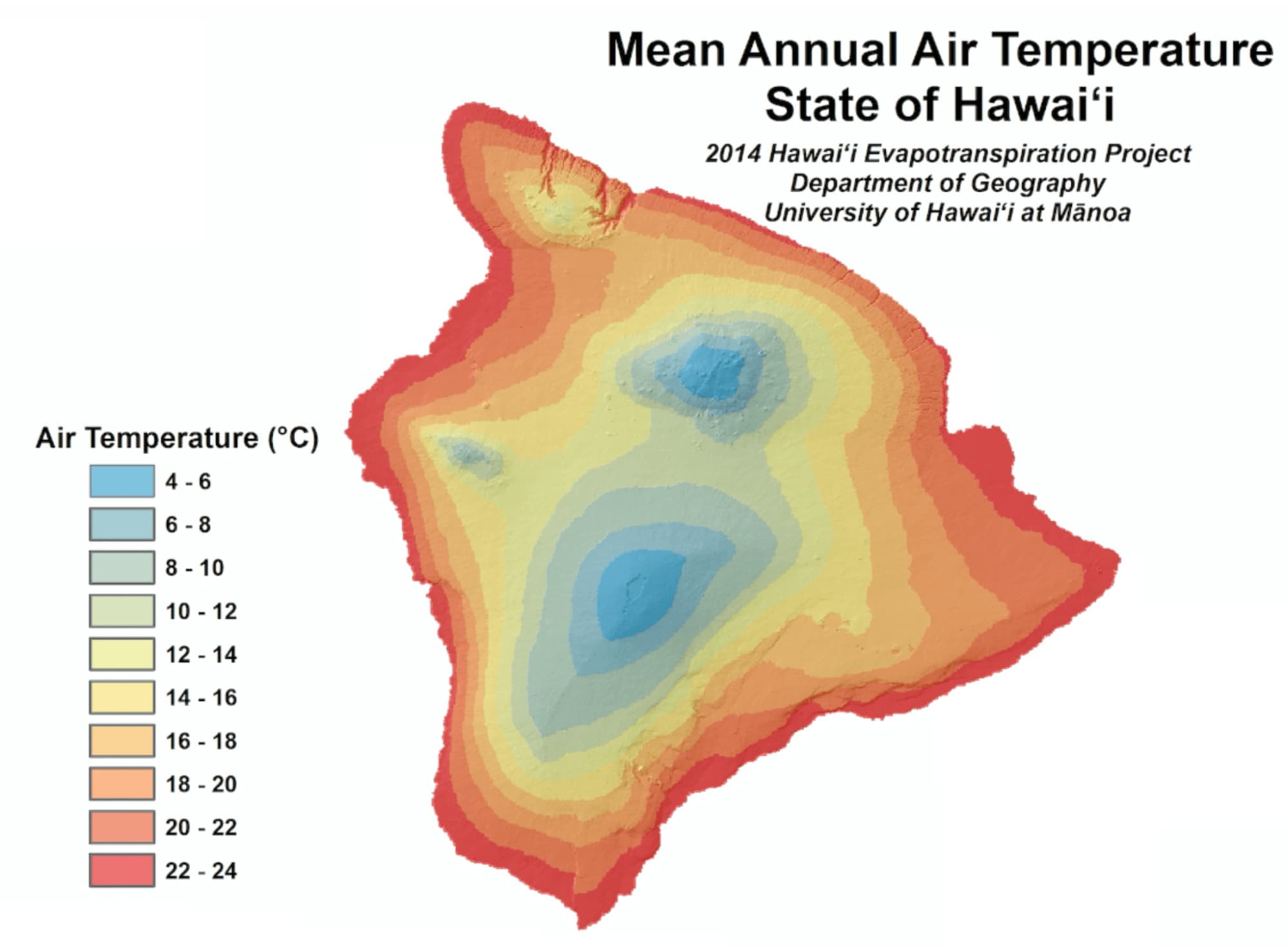
Hawaii’s unique topography is a major determinant of its varied temperatures. The islands are volcanic in origin, with dramatic mountain ranges and towering peaks. As you ascend in elevation, temperatures drop significantly. This phenomenon is evident when comparing the heat of a coastal city like Kailua-Kona on the Big Island to the cooler climes atop Mauna Kea or Haleakala on Maui.
The mountains act as barriers to the trade winds, creating rain shadows and influencing rainfall patterns. For instance, the windward (northeastern) sides of the islands tend to be wetter and cooler, while the leeward (southwestern) sides are drier and warmer. This geographical diversity means that even on the same island, you can experience different weather conditions. For example, a day spent lounging on the sunny beaches of Waikiki might be followed by a scenic drive to the cooler, mistier upcountry regions of Oahu.
Seasonal Variations: Summer vs. Winter in Paradise
While Hawaii doesn’t experience the drastic seasonal shifts of temperate climates, there are discernible differences between its summer and winter months.
Summer (May to October): The Warmest Months
The summer months in Hawaii are characterized by higher temperatures and lower humidity. This is the period when the islands truly feel like a tropical paradise, with abundant sunshine perfect for beach activities, snorkeling, and exploring.
- Average High Temperatures: During the summer, average high temperatures typically range from 80°F to 87°F (27°C to 31°C) in coastal areas.
- Humidity: While it can feel warm, the humidity is generally lower than in other tropical destinations, making the heat more bearable thanks to the trade winds.
- Ocean Temperatures: The Pacific Ocean is at its warmest during this period, averaging around 80°F to 82°F (27°C to 28°C), ideal for swimming and water sports.
- Rainfall: Summer is the drier season, with less frequent rainfall, especially on the leeward sides of the islands. However, brief, localized showers can still occur.
Planning a trip during the Hawaiian summer is ideal for those who enjoy maximum sunshine and warm ocean waters. Many popular resorts, such as the Grand Wailea Maui, A Waldorf Astoria Resort, cater to this season with a host of outdoor activities.
Winter (November to April): The Cooler, Wetter Season
Hawaii’s winter is not a cold season but rather a cooler and wetter one compared to summer. The temperatures remain mild and pleasant, making it a popular escape for those seeking relief from winter chills elsewhere.
- Average High Temperatures: High temperatures during the winter typically range from 75°F to 82°F (24°C to 28°C) in coastal areas.
- Humidity: Humidity levels tend to be slightly higher in the winter.
- Ocean Temperatures: Ocean temperatures cool slightly, averaging around 74°F to 79°F (23°C to 26°C). This is still very comfortable for swimming, and it’s also the prime season for whale watching.
- Rainfall: Winter sees an increase in rainfall, particularly on the windward sides of the islands. These showers are often brief and followed by sunshine. Big waves also become common on the north shores of islands like Oahu, attracting world-class surfers to legendary spots like Banzai Pipeline.
Even during the cooler winter months, you’ll find plenty of opportunities for outdoor exploration. Many travelers find the slightly cooler temperatures perfect for hiking through lush rainforests or visiting historical sites like Pearl Harbor.
Island-Specific Temperature Breakdowns

While the general patterns of Hawaiian weather are consistent, each island offers its unique climatic nuances. Understanding these differences can help you choose the perfect island for your travel style and interests.
Oahu: The Gathering Place
As the most populated island and home to Honolulu, Oahu offers a diverse range of microclimates. The southern coast, where Waikiki resides, is typically warm and sunny year-round, with average highs in the upper 80s Fahrenheit (around 30-31°C) during summer and low 80s Fahrenheit (around 27-28°C) in winter. The famous North Shore, however, experiences more pronounced seasonal changes, with larger waves and slightly cooler temperatures in winter. The Ko’olau Mountains create a wetter, greener environment on the windward side, contrasting with the drier, sunnier leeward areas.
Maui: The Valley Isle
Maui is renowned for its stunning beaches and the majestic Haleakala volcano. Coastal areas like Lahaina and Kaanapali enjoy temperatures similar to Oahu’s southern coast, with average highs consistently in the 80s Fahrenheit (27-31°C). However, ascend Haleakala, and you’ll experience a dramatic temperature drop. At the summit, temperatures can hover around freezing, especially at night, requiring warm clothing even in summer. The lush rainforests of Hana on the windward side are cooler and receive more rainfall than the drier leeward side.
Kauai: The Garden Isle
Kauai, with its dramatic cliffs of the Na Pali Coast and verdant interior, is known for its consistent rainfall, especially in the central and eastern parts of the island. This rainfall contributes to its lush beauty. Coastal areas like Poipu on the south shore are generally warmer and drier, with average highs in the mid-80s Fahrenheit (around 29-30°C) during summer and low 80s Fahrenheit (around 27-28°C) in winter. The mountainous interior and the north shore, particularly the Waimea Canyon, can be significantly cooler and wetter, especially at higher elevations.
Island of Hawaii (Big Island): The Orchid Isle
The Island of Hawaii, often called the Big Island, boasts the most diverse climate due to its sheer size and the presence of active volcanoes. Coastal areas like Kona are typically very warm and dry, with average highs in the mid-80s Fahrenheit (around 29-30°C) year-round. As you move up in elevation, temperatures decrease dramatically. The summit of Mauna Kea, a dormant volcano, can experience sub-freezing temperatures and snow in winter, making it a popular spot for stargazing. The eastern side of the island, near Hilo, is much wetter and cooler due to the prevailing trade winds, contributing to its lush rainforests and botanical gardens.
Making the Most of Hawaii’s Warm Embrace
Understanding Hawaii’s temperatures is key to enjoying your tropical vacation. Here are some tips for packing and planning to ensure you’re comfortable no matter where your adventures take you.
Packing Essentials for Warm Weather
Even when it’s not scorching hot, the Hawaiian sun can be intense. Light, breathable clothing is essential.
- Lightweight Apparel: Pack shorts, t-shirts, sundresses, and other comfortable, moisture-wicking clothing.
- Swimwear: You’ll likely spend a lot of time in the ocean or pool.
- Sun Protection: A wide-brimmed hat, sunglasses, and high SPF sunscreen are non-negotiable. Reef-safe sunscreen is recommended to protect Hawaii’s delicate marine ecosystems.
- Light Rain Jacket: Especially if visiting during the winter months or planning to explore higher elevations, a light, waterproof jacket is a good idea.
- Footwear: Comfortable walking shoes or sandals are a must for exploring. Water shoes can be useful for rocky beaches or certain water activities.
- Warmer Layers: If you plan to visit higher altitudes like Haleakala or Mauna Kea, pack a fleece jacket or a warmer sweater.
Choosing the Right Time to Visit
The “best” time to visit Hawaii depends on your priorities.
- For Warmest Weather and Least Rain: The summer months (May to October) offer the most consistent sunshine and warmest ocean temperatures. This is ideal for beach lovers and those who prefer dry conditions.
- For Whale Watching and Fewer Crowds: The winter months (November to April) are prime time for whale watching, particularly from Maui. While there’s more chance of rain, it’s often brief, and the islands are generally less crowded than in peak summer.
- For Budget-Conscious Travelers: The shoulder seasons, typically April to May and September to October, can offer a good balance of pleasant weather and potentially lower prices on flights and accommodations compared to peak summer or holiday periods. Many hotels like the Four Seasons Resort Maui at Wailea offer various packages throughout the year.
Beyond the Thermometer: Embracing the Aloha Spirit
While knowing “how hot does it get in Hawaii?” is practical, remember that the true magic of the islands extends beyond temperature. The warmth of the Hawaiian people, the richness of the local culture, the vibrant food scene, and the breathtaking natural wonders are what truly define the Aloha State. Whether you’re attending a traditional luau, learning to surf on Waikiki Beach, or hiking through the Volcanoes National Park, the experience is about more than just the weather. Embrace the laid-back lifestyle, savor the fresh island cuisine, and immerse yourself in the spirit of Aloha, and you’re sure to have an unforgettable trip, no matter the temperature.