
Arizona – the very name conjures images of sun-drenched deserts, iconic saguaros, and landscapes painted in hues of red and orange. For many, it’s a dream destination offering a unique blend of natural wonder, vibrant culture, and luxurious travel experiences. But underlying this allure is a question that often crosses the minds of prospective visitors: “How hot is it in Arizona?” The answer, much like the state itself, is complex, diverse, and surprisingly nuanced. It’s a land of extremes and subtle variations, where the intensity of the sun defines much of its character, impacting everything from tourism to lifestyle and the very rhythm of daily life. Understanding Arizona’s heat isn’t just about reading a thermometer; it’s about grasping its unique desert climate, knowing when and where to go, and learning how to embrace its warmth safely and enjoyably.
Understanding Arizona’s Climate: A Desert Reality
Arizona’s climate is predominantly arid and semi-arid, characterized by low humidity, abundant sunshine, and significant temperature variations between day and night, and between seasons. While the popular image is one of scorching summers, the reality is far more intricate, encompassing distinct regional microclimates that range from the scorching desert floor to temperate mountain peaks.
The Dry Heat Phenomenon
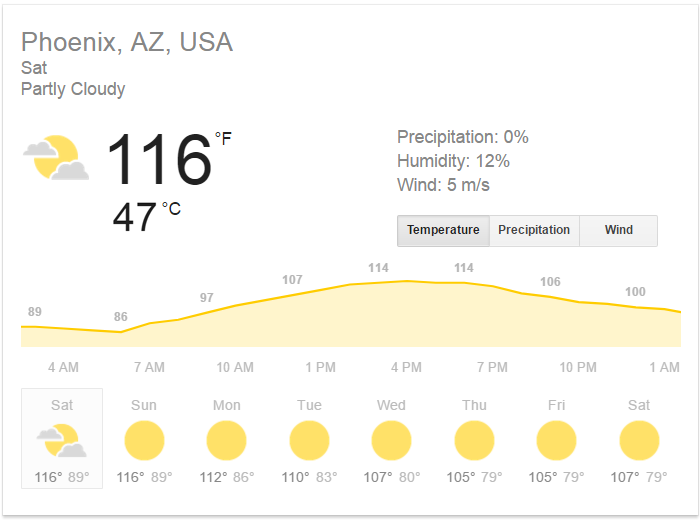
One of the most defining characteristics of Arizona’s heat, especially in its lower desert regions like Phoenix and Tucson, is its dryness. Unlike the humid heat found in many parts of the Southeast United States or tropical destinations, Arizona’s dry heat can feel less oppressive, even at high temperatures. The low humidity allows sweat to evaporate quickly from the skin, which is the body’s natural cooling mechanism. This can make 100°F (38°C) in Phoenix feel more tolerable than 90°F (32°C) with high humidity elsewhere.
However, “tolerable” doesn’t mean “harmless.” The intense sun and dry air can quickly lead to dehydration and heatstroke if precautions aren’t taken. Visitors, especially those from more temperate climates, must understand that while the heat might feel different, its physiological effects are just as profound. The dryness also means that temperatures drop dramatically once the sun sets, especially during cooler months, often by 30-40 degrees Fahrenheit, creating crisp, cool evenings even after warm days.
Seasonal Temperature Swings
Arizona experiences four distinct seasons, each with its own thermal profile.
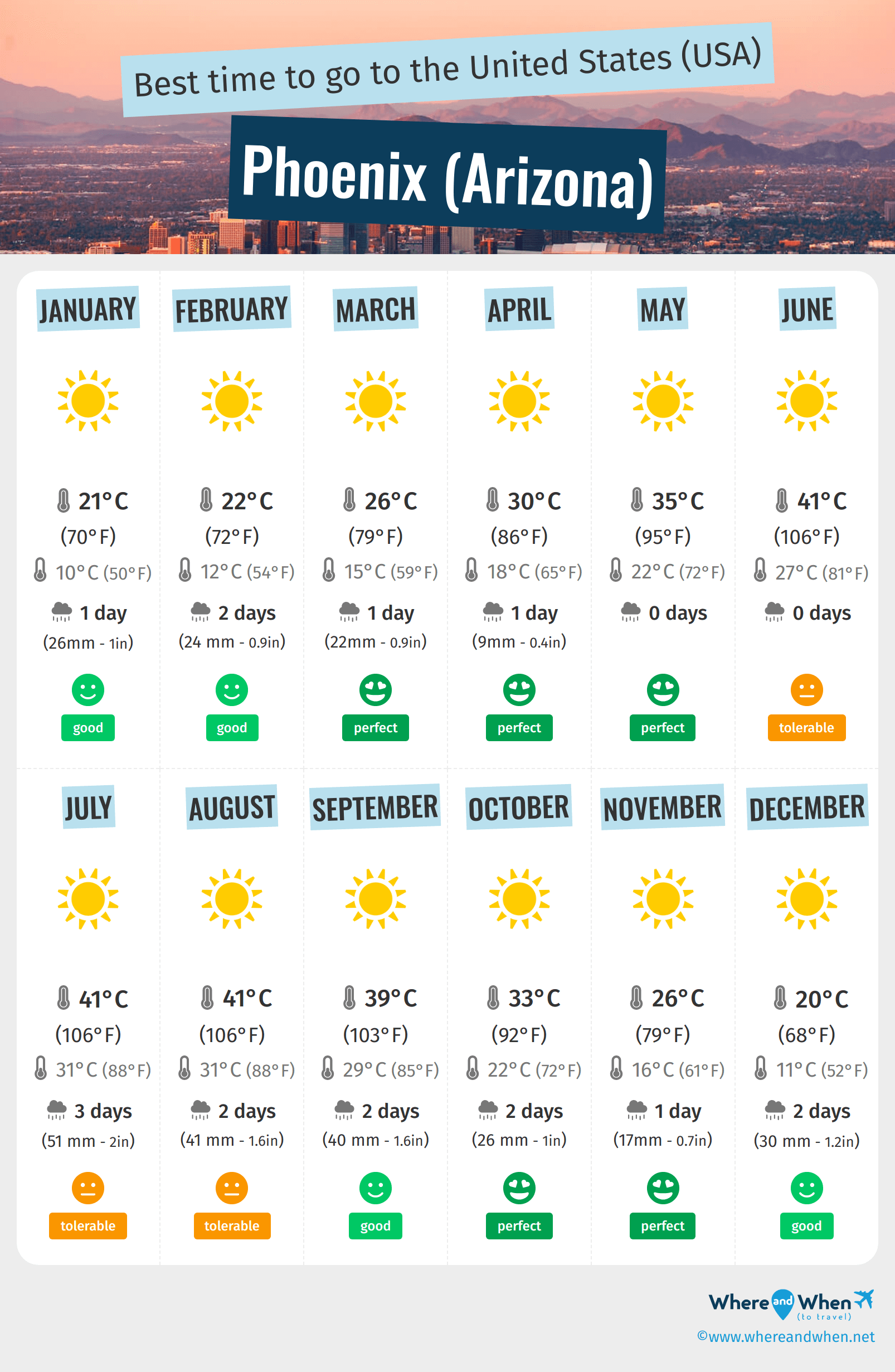
- Summer (June – September): This is when Arizona’s heat truly shines, particularly in the lower desert cities. Daytime temperatures in Phoenix, Tucson, and Yuma routinely exceed 100°F (38°C), often climbing to 110°F (43°C) or even 120°F (49°C) in July and August. Nighttime lows typically remain in the 80s°F (27-32°C). This period also includes the monsoon season (July to early September), bringing dramatic thunderstorms, brief downpours, and a temporary increase in humidity, making the heat feel more intense for short periods.
- Fall (October – November): A beloved season for locals and tourists alike, fall brings a welcome moderation in temperatures. October sees daytime highs in the 80s°F (27-32°C) in the deserts, gradually cooling to the 70s°F (21-26°C) by November. The air is crisp, and skies are usually clear, making it an ideal time for outdoor activities.
- Winter (December – February): Arizona winters are mild and sunny, attracting snowbirds from colder climates. Desert daytime temperatures hover in the 60s and 70s°F (15-25°C), with chilly nights often dropping to freezing or just above. Higher elevations like Flagstaff experience true winter with snow and freezing temperatures, offering a complete contrast to the warmth of the valleys.
- Spring (March – May): Another peak tourism season, spring boasts perfect weather across much of the state. Desert temperatures range from the 70s to 90s°F (21-37°C), ideal for hiking, golfing, and exploring. Wildflowers bloom, and the landscape is at its most vibrant.
Navigating the Heat: Best Times and Places to Visit
The “best” time to visit Arizona largely depends on your tolerance for heat and the type of experience you seek. The state offers diverse climates that allow for year-round exploration if you know where to go.
Summer Strategies: Embracing the Extreme
Visiting Arizona in the summer requires a shift in mindset and careful planning. While many avoid the peak heat, summer offers advantages like significantly lower prices for hotels and accommodation, fewer crowds at popular attractions, and the unique beauty of desert thunderstorms.
To enjoy summer:
- Embrace Early Mornings and Evenings: Plan outdoor activities like hiking at Camelback Mountain or visiting Papago Park for sunrise, or after sunset. Midday is best spent indoors.
- Seek Water Activities: Resort pools are indispensable. Many resorts in Scottsdale and Phoenix become a focal point, offering lazy rivers, water slides, and poolside service. Consider destinations like Lake Havasu City or the Colorado River for boating and water sports.
- Explore High-Elevation Escapes: The mountains offer a respite. Flagstaff, Prescott, and the White Mountains are significantly cooler, often 20-30°F (11-17°C) lower than the desert valleys. These areas offer lush forests, lakes, and cooler hiking trails.
Winter Wonderland (of Warmth): Ideal Escapes
For those looking to escape the cold, Arizona’s winter (December to February) and shoulder seasons (March-May and October-November) are undeniably the most pleasant and popular times to visit. This is when the desert truly shines, with comfortable temperatures ideal for any outdoor activity.
- Perfect for Hiking and Outdoor Exploration: Saguaro National Park, the Desert Botanical Garden, and the numerous trails around Sedona and Scottsdale are at their prime.
- Golfing Paradise: Arizona is a world-class golfing destination, and the mild winter weather makes for perfect tee times.
- Festival Season: Many cultural events, art shows, and food festivals take place during these cooler months, showcasing Arizona’s vibrant local culture.
Regional Variations: From Desert Floors to Mountain Peaks
The sheer size and varied topography of Arizona mean that “how hot it is” is rarely a single answer.
- Lower Deserts (Phoenix, Tucson, Yuma): These are the hottest areas, with intense summers.
- Central Highlands (Sedona, Prescott): Sitting at higher elevations (around 4,500 feet), these areas offer milder temperatures. Sedona still gets warm summers (90s°F / 32-37°C) but less extreme than Phoenix, with cooler nights. Winters are mild during the day, with occasional snow.
- Northern Plateaus (Flagstaff, Grand Canyon): Flagstaff, at 7,000 feet, experiences all four seasons distinctly, with warm summers (70s-80s°F / 21-27°C) and cold, snowy winters. The Grand Canyon National Park Rim experiences similar temperatures, while the Inner Canyon can be significantly hotter due to its lower elevation. Destinations like Williams and Page, gateway to Antelope Canyon, also enjoy more temperate climates than the southern deserts.
Staying Cool and Comfortable: Accommodation and Activities
Regardless of when you visit, Arizona’s tourism and hospitality industries are expertly geared towards ensuring comfort, even in the hottest conditions.
Resort Oasis: Luxury and Amenities
Arizona is renowned for its world-class resorts and hotels, many of which are designed as oases in the desert.
- Air Conditioning is Standard: Every reputable hotel, suite, apartment, or villa will have robust air conditioning, providing a cool sanctuary from the outdoor heat.
- Spectacular Pools: From sprawling multi-acre water parks to tranquil, adults-only infinity pools, aquatic amenities are a highlight. The Phoenician in Scottsdale, Arizona Biltmore, A Waldorf Astoria Resort in Phoenix, and The Boulders Resort & Spa Scottsdale are prime examples, offering elaborate pool complexes that are destinations in themselves.
- Spa and Wellness: Many resorts offer luxurious spa treatments, perfect for relaxation and rejuvenation, often incorporating cooling therapies. For a more tranquil experience, Enchantment Resort in Sedona provides stunning red rock views from its pools and spa facilities.
For accommodation booking, it’s always wise to check reviews and comparison sites to find options that align with your comfort needs, especially concerning cooling systems and water features.
Activities for Every Temperature
Arizona offers a wealth of activities that cater to different climates and times of day.
- Indoor Attractions: Museums like the Heard Museum and Musical Instrument Museum in Phoenix, or the Arizona-Sonora Desert Museum in Tucson, offer fascinating insights into local history, art, and ecology, all in air-conditioned comfort. Shopping centers like Scottsdale Fashion Square provide ample opportunity for retail therapy.
- Subterranean Wonders: Kartchner Caverns State Park, near Benson, offers tours through magnificent limestone caves where the temperature remains a constant, cool 70°F (21°C) year-round, regardless of the outside heat.
- Early Morning/Late Evening Adventures: Even in summer, sunrise hikes at Red Rock State Park or stargazing at Lowell Observatory near Flagstaff are popular and comfortable. Many local guides offer night tours to observe desert wildlife.
- Scenic Drives: Explore Oak Creek Canyon or the Apache Trail during the warmer parts of the day, enjoying the air-conditioned comfort of your vehicle while soaking in breathtaking landmarks like the Superstition Mountains or Goldfield Ghost Town.
Culinary Delights and Local Culture in the Heat
Arizona’s food scene is vibrant and diverse, offering everything from authentic Sonoran Desert Mexican cuisine to upscale fine dining. Many restaurants feature shaded patios with misters or air-conditioned indoor seating, making dining comfortable year-round. Don’t miss the opportunity to try unique local flavors, from prickly pear specialties to refreshing aguas frescas. Exploring areas like Old Town Scottsdale or Tlaquepaque Arts & Shopping Village in Sedona provides a chance to immerse in local culture, browse unique boutiques, and enjoy a cool drink.
Essential Tips for Thriving in the Arizona Sun
Successfully navigating Arizona’s climate, especially during its hotter months, hinges on preparedness and respect for the desert environment. These tips are crucial for ensuring a safe and enjoyable trip, whether you’re embarking on family trips, luxury travel, or budget travel.
Hydration and Sun Protection
These two elements are paramount when confronting Arizona’s heat.
- Stay Hydrated: This is the most critical rule. Drink more water than you think you need, even if you don’t feel thirsty. The dry air wicks moisture away rapidly. Avoid excessive alcohol and sugary drinks, which can contribute to dehydration. Consider electrolyte-rich beverages if you’re engaging in strenuous activities. Always carry a water bottle, and replenish it frequently.
- Protect Your Skin: The sun’s intensity in Arizona is significant, even on cloudy days. Wear broad-spectrum sunscreen with a high SPF (30+) and reapply it every two hours, or more often if swimming or sweating.
- Dress Appropriately: Lightweight, loose-fitting, light-colored clothing made from breathable fabrics (like cotton or linen) is ideal. A wide-brimmed hat and sunglasses are essential for protecting your face and eyes.
- Seek Shade: Whenever possible, stay in the shade, especially during the peak sun hours of 10 AM to 4 PM. Many parks and outdoor attractions have designated shaded areas.

Smart Travel Planning
Thoughtful planning can make all the difference in your Arizona adventure.
- Check Forecasts Regularly: Temperatures can vary greatly across the state. Always check the specific forecast for your destination, especially if you plan to move between different elevations (e.g., Phoenix to Grand Canyon).
- Plan Activities Strategically: Schedule strenuous outdoor activities for the early morning or late afternoon/evening. Utilize the midday hours for indoor attractions, leisurely meals, or enjoying your hotel’s amenities.
- Understand Desert Driving: Ensure your vehicle is in good condition, especially if traveling long distances through remote areas. Carry extra water, a full tank of gas, and inform someone of your route. Air conditioning in your car is non-negotiable.
- Be Aware of Wildlife: Desert animals are often most active during cooler parts of the day (dawn and dusk). Be mindful of snakes, scorpions, and other creatures, especially if hiking.
In conclusion, “How hot is it in Arizona?” is a question that opens the door to a deeper understanding of this remarkable state. While its summer heat is undeniable and formidable, it’s a dry heat that many find manageable with proper precautions. Furthermore, Arizona’s diverse topography offers a spectrum of climates, from sizzling desert valleys to snow-capped mountain peaks, making it a year-round destination. With smart planning, appropriate accommodation choices, and a respectful approach to the desert environment, you can fully embrace the warmth and wonder that Arizona has to offer, turning any potential challenge into an integral part of an unforgettable travel experience.