
Las Vegas, Nevada, often referred to as “Sin City” or “The Entertainment Capital of the World,” is a magnet for travelers seeking thrilling experiences, world-class entertainment, and luxurious getaways. However, before you pack your bags for this desert oasis, one crucial question often crosses the minds of prospective visitors: just how hot is it in Las Vegas? The answer is multifaceted, deeply rooted in its geographic location within the Mojave Desert, and significantly impacts the ideal time to visit, what to do, and how to prepare. Understanding Las Vegas’s climate is key to crafting an unforgettable trip, whether you’re planning a lavish escape, a budget-friendly adventure, a family vacation, or a crucial business stay.
The allure of Las Vegas extends beyond its shimmering casinos and vibrant nightlife; it’s a hub of unique travel destinations, world-renowned attractions, and diverse lifestyle experiences. From exquisite hotels with sprawling suites and resorts boasting incredible amenities to exploring iconic landmarks and immersing oneself in local culture, every aspect of a Las Vegas journey can be influenced by the mercury. This comprehensive guide will delve into the city’s climate, offering insights into what to expect across different seasons and providing practical tips for navigating the heat while maximizing your enjoyment of all that Las Vegas has to offer.
Understanding the Las Vegas Climate: A Desert Reality
Las Vegas is situated in the Mojave Desert, a hot desert climate characterized by scorching summers, mild winters, and very low humidity year-round. This unique geographical positioning dictates extreme temperature swings, especially between day and night. While the dry heat can feel more tolerable than humid heat, the intensity should not be underestimated, particularly during the peak summer months.
Summer Scorcher: June, July, August
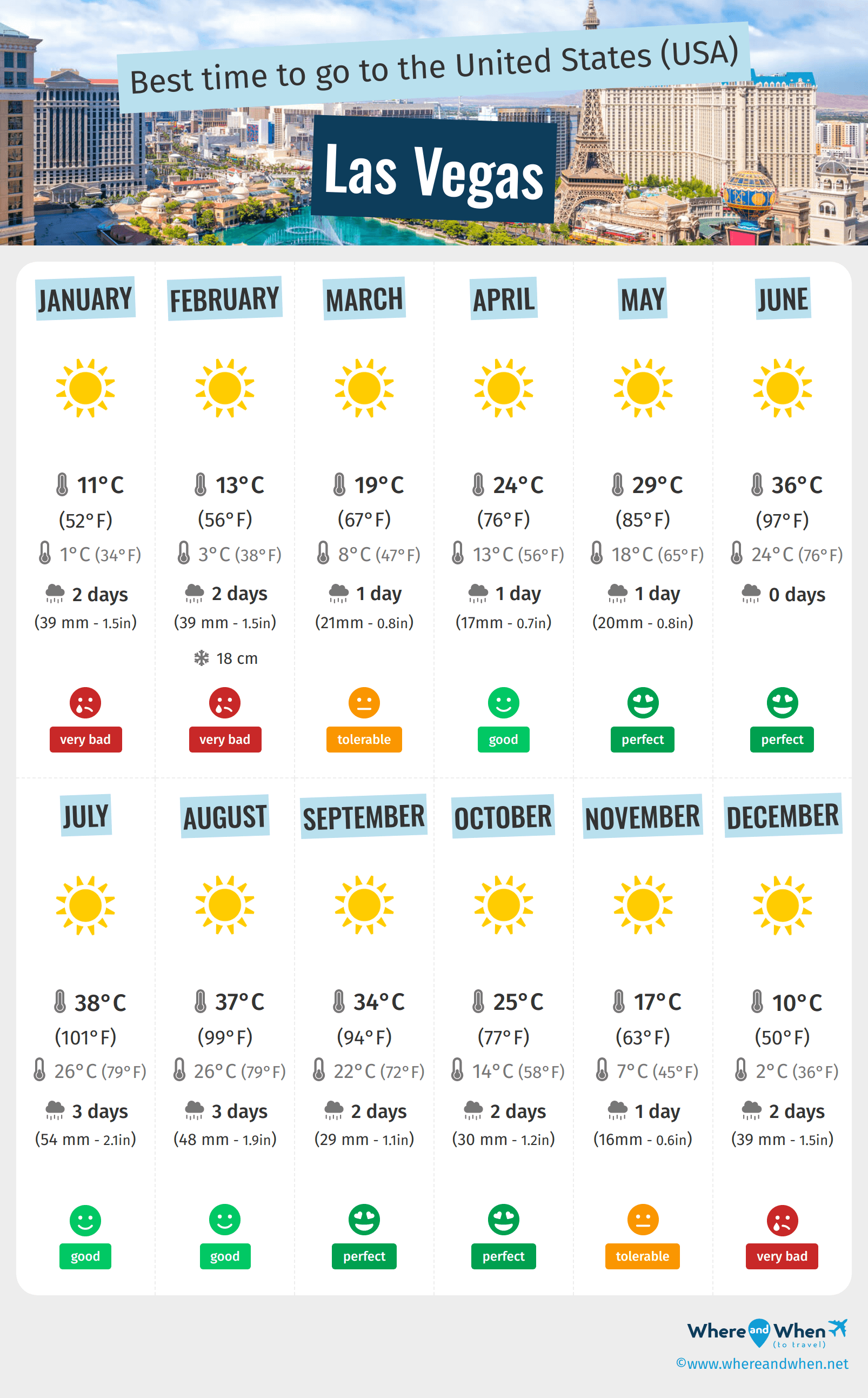
The summer months are when Las Vegas truly lives up to its “hot” reputation. From June through August, daily high temperatures consistently soar well into the triple digits, often exceeding 105°F (40.6°C) and sometimes even reaching 115°F (46.1°C) or higher. July is typically the hottest month. Even overnight, temperatures rarely drop below 80°F (26.7°C), making evenings warm but often pleasant due to the absence of humidity.
While the heat is intense, the exceptionally low humidity (often below 10-15%) means that sweat evaporates quickly, providing a natural cooling effect that can make the high temperatures feel somewhat less oppressive compared to humid climates. However, prolonged exposure to direct sunlight during these months can quickly lead to heat exhaustion or heatstroke. Despite the extreme heat, summer remains a popular time for tourism, largely due to school holidays and the allure of massive pool parties and indoor entertainment. Many hotels offer discounted rates to attract visitors during this period, presenting opportunities for budget travel for those willing to brave the heat.
Shoulder Seasons: Spring and Fall Comfort
For many, the shoulder seasons of spring (March to May) and fall (September to November) represent the sweet spot for visiting Las Vegas. During these months, the weather is considerably more temperate and enjoyable, making outdoor activities much more feasible.
Spring (March-May):
- March: Highs typically range from the mid-60s to mid-70s °F (18-24°C). Nights are cool, often in the 40s or 50s °F (4-15°C). It’s an ideal time for exploring Red Rock Canyon National Conservation Area or the Valley of Fire State Park.
- April: Temperatures climb to the 70s and 80s °F (21-30°C). Days are warm and sunny, perfect for lounging by hotel pools without the intense summer heat.
- May: The mercury continues to rise, with averages often in the high 80s and low 90s °F (30-35°C), signaling the onset of summer. It’s still a fantastic month, but the heat becomes more noticeable.
Fall (September-November):
- September: A transition month, still quite hot with daily highs often in the high 90s °F (35-37°C), but gradually cooling. The intense summer heat begins to subside.
- October: Widely considered one of the best months to visit. Highs are typically in the 70s and 80s °F (21-30°C) with pleasant, cool evenings. It’s prime time for outdoor festivals and golf.
- November: Temperatures cool down further, with highs in the 60s and 70s °F (16-24°C). The weather is comfortably crisp, making it excellent for exploring The Strip on foot or venturing to nearby natural landmarks like the Hoover Dam.
Mild Winters: A Different Charm
Winter in Las Vegas (December to February) offers a completely different experience. While the rest of the United States grapples with snow and freezing temperatures, Las Vegas enjoys mild, sunny days. Highs generally range from the mid-50s to low 60s °F (13-18°C), with nights dropping into the 30s and 40s °F (0-10°C). Frost is not uncommon during the coldest mornings.
This season is perfect for those who prefer cooler weather for sightseeing, outdoor excursions, or simply enjoying the city without the oppressive heat. While pool parties are largely on hiatus (though some resorts offer heated pools), the mild temperatures are ideal for attending shows, dining at world-class Michelin-starred restaurants, and exploring museums. It’s also a popular time for conventions and business stays.
Navigating the Heat: Staying Cool and Comfortable
Regardless of when you visit, but especially during the summer, understanding how to stay cool is paramount to enjoying your Las Vegas experience. The city is expertly designed to provide an oasis from the desert climate, with a plethora of indoor activities and refreshing amenities at every turn.
The Oasis of Las Vegas Hotels and Resorts
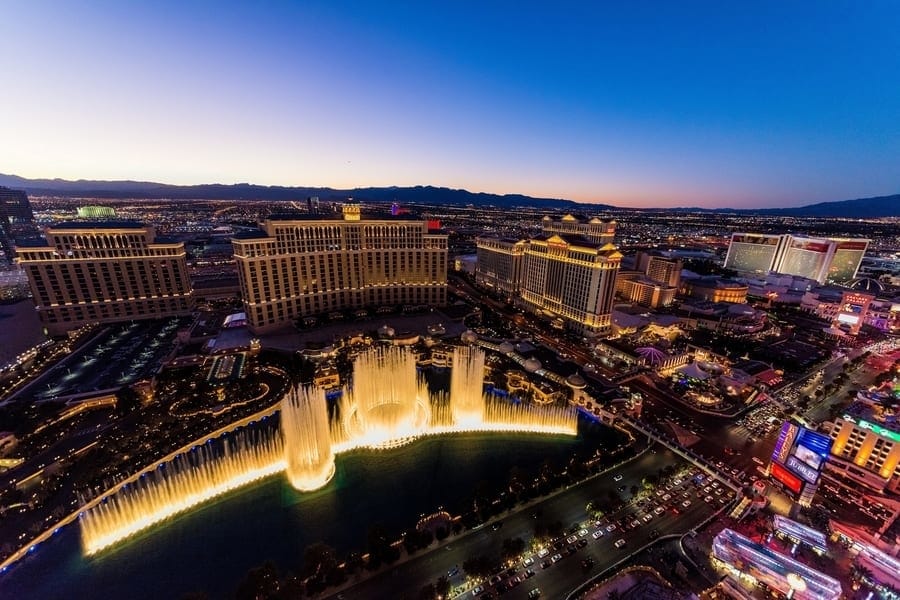
Las Vegas hotels and resorts are masterpieces of climate control, offering a welcome respite from the outdoor elements. Every major property, from the Bellagio to Caesars Palace and The Venetian Resort Las Vegas, boasts state-of-the-art air conditioning that keeps indoor temperatures pleasantly cool, even when it’s over 100°F outside.
Beyond the cool interiors, the crown jewel of any Las Vegas summer visit is undoubtedly the pool scene. Most resorts feature elaborate pool complexes, often spanning acres, with multiple pools, lazy rivers, artificial beaches, and shaded cabanas. Popular options include the sprawling pools at Mandalay Bay Resort and Casino, MGM Grand‘s Grand Pool Complex, and the energetic Cosmopolitan of Las Vegas‘s Boulevard Pool. These aquatic playgrounds are not just places to cool off; they are attractions in themselves, offering vibrant atmospheres, poolside dining, and DJ sets. When booking your accommodation, consider the quality and extent of the pool facilities as a major factor, especially if you’re visiting during the warmer months. Many hotels offer fantastic deals on suites and rooms with resort credit, allowing for a truly luxury travel experience at a more accessible price point in summer.
Indoor Attractions: Beating the Outdoor Blaze
Las Vegas excels at providing an abundance of indoor entertainment that makes the heat a non-issue. The city’s famous casinos are just the beginning. The world-class shows, from Cirque du Soleil extravaganzas to headlining residencies by global music icons, offer air-conditioned comfort and unparalleled spectacle.
Shopping is another excellent way to stay cool. The Forum Shops at Caesars Palace, Grand Canal Shoppes at The Venetian Resort Las Vegas, and Fashion Show Mall are all expansive, air-conditioned environments where you can browse high-end boutiques and enjoy diverse dining options. Beyond shopping and shows, Las Vegas offers numerous unique indoor attractions:
- Museums: The Mob Museum and The Neon Museum (which has an indoor gallery) offer fascinating insights into the city’s history and culture.
- Themed Experiences: AREA15 is an immersive art and entertainment complex, while the Eiffel Tower Viewing Deck at Paris Las Vegas offers stunning city views from an air-conditioned elevator ride up.
- Dining and Nightlife: Las Vegas boasts an incredible culinary scene and a vibrant nightlife, all primarily experienced in climate-controlled environments. From casual eateries to Michelin-starred restaurants and lively nightclubs, there’s no shortage of cool places to eat, drink, and socialize.
Strategic Planning for Outdoor Adventures
While Las Vegas is famed for its indoor wonders, many visitors also come to explore its unique outdoor landmarks and natural beauty. This requires strategic planning, especially during warmer months.
- Early Mornings or Late Evenings: If you plan to visit outdoor attractions like the Bellagio Fountains, the Fremont Street Experience downtown, or even just walk along The Strip, doing so in the early morning or after sunset is highly recommended. The desert cools rapidly once the sun goes down, making evenings much more comfortable.
- Limited Exposure: For excursions to nearby natural wonders like Red Rock Canyon National Conservation Area, Valley of Fire State Park, or the Hoover Dam, aim to start your activities at sunrise. By late morning, temperatures can become dangerously high for hiking or extended outdoor exposure.
- Drives vs. Hikes: Consider scenic drives over strenuous hikes during peak heat. Destinations like the Grand Canyon (though a longer drive) offer incredible vistas that can be enjoyed from air-conditioned vehicles and visitor centers.
- Public Transportation and Taxis: While The Strip is walkable, the distances between resorts are greater than they appear, and even short walks in the midday sun can be exhausting. Utilize air-conditioned taxis, rideshares, or the monorail system to travel between properties.
Essential Tips for a Heat-Smart Las Vegas Experience
Making the most of your Las Vegas trip, especially when temperatures are high, revolves around preparedness and smart planning. These tips are crucial for both luxury travel and budget travel alike.
Hydration and Sun Protection are Key
The dry heat of the Mojave Desert means your body loses moisture quickly, even if you don’t feel like you’re sweating profusely. Dehydration is a serious risk.
- Drink Plenty of Water: Carry a reusable water bottle and refill it frequently. Most hotels offer water stations, and convenience stores are abundant. Limit alcohol and sugary drinks, as they can contribute to dehydration.
- Electrolytes: Consider electrolyte-rich beverages, especially if you’re spending time outdoors or by the pool.
- Sunscreen: Apply broad-spectrum sunscreen with a high SPF (30+) liberally and frequently, even on cloudy days. The desert sun is intense.
- Hats and Sunglasses: A wide-brimmed hat and UV-protective sunglasses are essential for shielding your face and eyes from the sun’s glare.
Dress for Success (Against the Heat)
Your wardrobe choices can significantly impact your comfort level.
- Lightweight, Breathable Fabrics: Opt for loose-fitting clothing made from natural fibers like cotton, linen, or moisture-wicking synthetic materials.
- Light Colors: Light-colored clothing reflects sunlight, while dark colors absorb it, making you feel hotter.
- Comfortable Footwear: You’ll likely do a lot of walking, even indoors. Choose comfortable shoes, preferably open-toed sandals or breathable sneakers, and avoid restrictive footwear.
Timing Your Activities Wisely
Flexibility in your itinerary is your best friend in Las Vegas, particularly during summer.
- Morning and Evening Outdoors: Schedule any outdoor activities, such as exploring The Strip or visiting the Bellagio Fountains, for early mornings or after dusk.
- Midday Indoors: Plan indoor attractions, shopping excursions, spa treatments, or long meals at air-conditioned restaurants for the hottest parts of the day.
- Pool Time: Enjoy the pools during the day, but be mindful of direct sun exposure, especially between 11 AM and 3 PM. Seek shade or take breaks indoors.
- Pace Yourself: Don’t try to cram too much into one day, especially if you’re not acclimated to the heat. Allow for downtime and rest.
Beyond the Heat: Why Las Vegas Still Shines Bright
Despite its notoriously hot summers, Las Vegas remains an incredibly popular travel destination year-round. The city’s ingenious design, with its air-conditioned pathways, interconnected resorts, and endless indoor entertainment options, effectively mitigates the impact of the desert heat. It’s a testament to urban planning and innovative tourism strategies.
Whether you’re seeking the adrenaline rush of a casino floor, the tranquility of a world-class spa, the excitement of a Cirque du Soleil show, or the vibrancy of a poolside party, Las Vegas offers an unparalleled experience. By understanding its climate and implementing smart strategies, visitors can effortlessly navigate the temperatures and immerse themselves in the dazzling array of attractions, accommodation options, and lifestyle choices this extraordinary city provides. So, while Las Vegas, Nevada, can indeed be scorching hot, with the right approach, your trip will be nothing short of spectacular, proving that the city’s appeal burns even brighter than its desert sun.
LifeOutOfTheBox is a participant in the Amazon Services LLC Associates Program, an affiliate advertising program designed to provide a means for sites to earn advertising fees by advertising and linking to Amazon.com. Amazon, the Amazon logo, AmazonSupply, and the AmazonSupply logo are trademarks of Amazon.com, Inc. or its affiliates. As an Amazon Associate we earn affiliate commissions from qualifying purchases.