
Phoenix, the vibrant capital of Arizona, is renowned for its stunning Sonoran Desert landscapes, year-round sunshine, and a burgeoning urban scene. However, one question inevitably arises for anyone contemplating a visit: “How hot is it in Phoenix, Arizona?” The answer, while straightforward, carries nuances essential for planning an enjoyable and safe trip. Phoenix truly lives up to its nickname, “Valley of the Sun,” especially during its extended summer months, where temperatures soar, challenging visitors and locals alike to adapt their daily routines. Understanding this unique desert climate is the first step in unlocking the myriad experiences this dynamic city has to offer, from luxurious resort stays to adventurous outdoor explorations and deep dives into local culture.

The intensity of Phoenix’s heat is often a talking point, and for good reason. It consistently ranks among the hottest major cities in the United States. While the dry desert air can make extreme temperatures feel less oppressive than humid climates, the sheer scale of the heat demands respect and careful planning. This comprehensive guide aims to not only quantify Phoenix’s temperatures but also to equip travelers with the insights, tips, and recommendations needed to navigate its climate, ensuring their travel experience is memorable for all the right reasons. From the best times to visit to ingenious ways to stay cool and comfortable, we’ll explore everything you need to know about experiencing the Grand Canyon State‘s captivating capital, regardless of the thermometer’s reading.
Understanding Phoenix’s Desert Climate: The Science Behind the Sizzle
To truly grasp “how hot it is,” we must delve into the meteorological characteristics that define Phoenix’s climate. Situated squarely within the Sonoran Desert, the city experiences a hot desert climate, characterized by extremely hot summers and mild winters. This unique environment is primarily shaped by its geographic location, low elevation, and the surrounding arid landscape, which absorbs and radiates heat efficiently.
Average Temperatures and Seasonal Variations
The temperature fluctuations throughout the year are significant, dictating the rhythm of life and tourism in Phoenix.
- Summer (June to September): This is when Phoenix truly earns its reputation. Daily high temperatures routinely exceed 100°F (38°C), with many days pushing past 110°F (43°C), and occasionally even reaching 120°F (49°C) or higher. Nighttime temperatures offer some reprieve but often remain in the 80s°F (27-32°C), making for warm evenings. July is typically the hottest month, with an average high of around 106°F (41°C). While dry heat is the norm for much of the summer, late July through early September brings the monsoon season, introducing increased humidity and the possibility of dramatic thunderstorms, which can actually make the perceived temperature feel even hotter due to the added moisture.
- Fall (October to November): Phoenix begins to cool down pleasantly in the fall. October sees average highs drop into the low 90s°F (32-35°C), becoming more comfortable. By November, daily highs are typically in the 70s°F (21-26°C), making it a fantastic time for outdoor activities.
- Winter (December to February): This is Phoenix’s peak tourist season, and for good reason. The weather is glorious, with average daytime temperatures ranging from the mid-60s to low 70s°F (18-23°C) and abundant sunshine. Nights are cool, often dropping into the 40s°F (4-9°C), perfect for cozy evenings.
- Spring (March to May): Spring offers a gradual transition from ideal winter weather to the onset of summer heat. March and April are incredibly pleasant, with highs in the 70s and 80s°F (21-31°C), perfect for hiking and exploring. By May, temperatures start to climb into the 90s°F (32-37°C), signaling the approach of summer.
The Phenomenon of Dry Heat vs. Humidity
The concept of “dry heat” is crucial to understanding Phoenix’s climate. Unlike humid regions where sweat struggles to evaporate, in a dry climate, perspiration evaporates quickly, carrying heat away from the body more efficiently. This can make 100°F (38°C) in Phoenix feel more tolerable than, say, 90°F (32°C) with high humidity in a tropical locale. However, this doesn’t diminish the danger of extreme temperatures. Dehydration can occur rapidly and often unnoticed, making constant fluid intake paramount. During the monsoon season, the introduction of humidity changes this dynamic, often making the already high temperatures feel even more oppressive, even if the actual mercury reading hasn’t changed. The air can become thick, and the heat more stifling, necessitating an even greater focus on indoor activities during the hottest parts of the day.
Navigating the Heat: Best Times to Visit and What to Expect
Choosing the right time to visit Phoenix can dramatically alter your experience, especially if you plan to engage in outdoor activities or explore beyond air-conditioned interiors. While summer certainly presents a challenge, it also offers unique advantages, particularly for budget-conscious travelers.
Embracing the Cooler Seasons: Fall, Winter, and Spring
For most visitors, the ideal time to experience Phoenix is from October through April. During these months, the weather is consistently beautiful, with warm, sunny days and cool, crisp nights. This period is perfect for:
- Outdoor Adventures: Hiking Camelback Mountain or Piestewa Peak, exploring the Desert Botanical Garden, or golfing at one of the region’s many championship courses like TPC Scottsdale are all incredibly enjoyable without the worry of heat exhaustion.
- Festivals and Events: This season hosts numerous events, from spring training baseball (February-March) to art festivals in Old Town Scottsdale and cultural celebrations.
- Comfortable Sightseeing: Wandering through Downtown Phoenix or visiting attractions like the Heard Museum and Phoenix Art Museum can be done at a leisurely pace.
It’s important to note that this is also peak tourist season, meaning higher prices for flights and accommodations, and potentially larger crowds at popular attractions. Booking well in advance, especially for desirable resorts in areas like Scottsdale or Mesa, is highly recommended.
Summer Strategies: Making the Most of the Monsoon Season and Beyond
Visiting Phoenix in the summer might seem counterintuitive, but it presents a different kind of travel experience that can be incredibly rewarding for certain lifestyles and budgets.
- Significant Savings: Travel and accommodation prices, particularly at luxury resorts, drop dramatically during the summer. This can be an excellent opportunity for budget travelers or those seeking a high-end experience without the premium price tag. Resorts like the JW Marriott Desert Ridge Resort & Spa or The Phoenician, a Luxury Collection Resort, Scottsdale often offer enticing packages, making luxury travel more accessible.
- Pool Culture Reigns Supreme: Summer in Phoenix is all about the pool. Resorts become oases with elaborate pools, lazy rivers, and splash pads, offering endless entertainment and a vital escape from the heat. Family trips can revolve around these aquatic amenities, providing a fantastic way to keep kids entertained and cool.
- Early Bird or Night Owl Adventures: Outdoor activities are still possible, but they must be carefully planned. Many locals and seasoned visitors embrace early morning hikes (before 7:00 AM) or evening activities once the sun sets. The desert sky at dusk and dawn, especially after a monsoon thunderstorm, can be breathtaking.
- Indoor Exploration: This is the perfect time to explore Phoenix’s excellent indoor attractions, from museums and art galleries to shopping centers and diverse culinary experiences.
- Monsoon Spectacle: While the humidity can be challenging, the monsoon season brings dramatic afternoon thunderstorms that are a sight to behold. The intense lightning and heavy rain, followed by stunning sunsets, offer a unique and powerful natural spectacle.
For business stays, summer offers a quieter environment with fewer tourists, potentially easier access to dining and services, although navigating the heat between meetings requires careful planning of transportation and hydration.
Keeping Cool: Accommodations and Activities in Phoenix
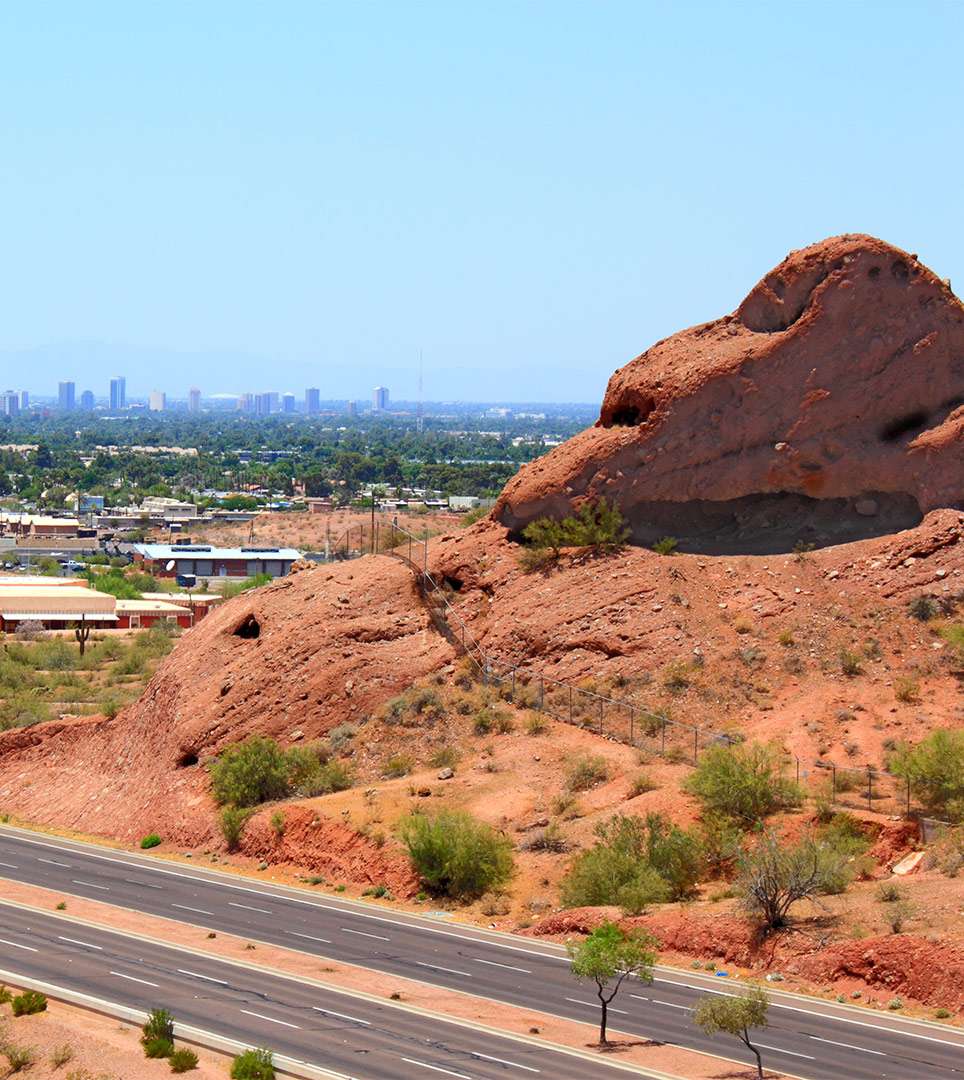
Successfully enjoying Phoenix when temperatures soar requires strategic planning, particularly concerning accommodation choices and daily activities. The city is exceptionally well-equipped to handle its extreme climate, offering countless ways to stay comfortable.
Dive into Luxury: Top Hotels and Resorts with Oasis Amenities
When it comes to accommodation in Phoenix during the hotter months, air conditioning isn’t just a luxury; it’s a necessity. Fortunately, the region boasts an impressive array of hotels, suites, resorts, apartments, and villas, many designed as self-contained oases.
- Resort Living: Many of Phoenix and Scottsdale’s resorts are destinations in themselves. They feature expansive, often multi-level pools, sometimes with water slides, lazy rivers, and wave pools, providing perfect family-friendly fun. Resorts like the Arizona Biltmore, A Waldorf Astoria Resort, Hyatt Regency Scottsdale Resort & Spa at Gainey Ranch, or Omni Scottsdale Resort & Spa at Montelucia offer cabana rentals, poolside service, and activities that make it easy to spend an entire day enjoying the water. For luxury travelers, these resorts provide a serene escape from the heat, with world-class spas, fine dining, and meticulously landscaped grounds that create a refreshing ambiance.
- Apartments and Villas: For longer stays or larger groups, booking a fully equipped apartment or villa, often available through platforms specializing in accommodation, provides the comfort of home, complete with private pools and efficient cooling systems. This allows for greater flexibility in meal preparation and a more relaxed, private setting, ideal for long-term stay visitors or those seeking a budget-friendly alternative to resort dining.
- Essential Amenities: Always confirm that your accommodation offers robust air conditioning. Beyond that, look for properties with shaded outdoor spaces, misters, and easy access to ice and cold beverages. Even for budget travel, finding a hotel with a decent pool is a non-negotiable for summer visits.
Indoor and Early Morning Adventures
Embracing Phoenix’s indoors or planning activities during the cooler parts of the day are key strategies.
- Museum Hopping: Dive into the rich culture and history at places like the Heard Museum, renowned for its Native American art and culture, or the Phoenix Art Museum, with its extensive collections. The Musical Instrument Museum (MIM) offers an incredible journey through global music and is a perennial favorite. These attractions provide hours of air-conditioned enjoyment.
- Shopping and Entertainment: Scottsdale Fashion Square offers high-end shopping in a climate-controlled environment, while numerous indoor entertainment venues like arcades, escape rooms, and movie theaters provide respite.
- Culinary Explorations: Phoenix’s food scene is vibrant and diverse. Enjoy long, leisurely lunches and dinners in air-conditioned restaurants. Explore local cuisine, from authentic Sonoran hot dogs to upscale Southwestern fare, without battling the elements. Many restaurants embrace outdoor patios with misters and shade during cooler parts of the day or evening.
- Early Mornings: For those eager to experience the Sonoran Desert landscape, plan hikes, bike rides, or even hot air balloon rides for sunrise. The desert air is crisp and cool, and the golden light casts a magical glow over the saguaros, creating an unforgettable experience before the heat sets in.
Hydration and Heat Safety Tips
Regardless of the season, prioritizing health and safety is crucial.
- Hydrate Relentlessly: Drink water constantly, even if you don’t feel thirsty. Carry a reusable water bottle and refill it frequently. Electrolyte-rich drinks can also be beneficial, especially if you’re active.
- Dress Appropriately: Wear lightweight, light-colored, loose-fitting clothing. A wide-brimmed hat and sunglasses are essential for sun protection.
- Sun Protection: Apply broad-spectrum sunscreen with a high SPF regularly, even on cloudy days.
- Listen to Your Body: If you feel dizzy, nauseous, or excessively tired, get into an air-conditioned space immediately and rehydrate. Do not push yourself in the heat.
- Protect Your Car: Use a sunshade in your car, and be aware that surfaces like steering wheels and seatbelts can become extremely hot. Never leave children or pets unattended in a vehicle, even for a few minutes.
Beyond the Thermometer: Exploring Phoenix’s Allure
While the temperature is an undeniable factor, Phoenix’s appeal extends far beyond its climate. It’s a city rich in culture, natural beauty, and modern amenities, offering a diverse range of experiences that cater to every type of traveler.
Landmarks and Local Culture
Phoenix and its surrounding communities are dotted with landmarks that tell tales of its Native American heritage, pioneering spirit, and contemporary growth.
- Historical and Cultural Sites: The Heard Museum is a must-visit for its profound collection of Native American art and cultural exhibits. The Pueblo Grande Museum and Archaeological Park offers a glimpse into the ancient Hohokam people who once inhabited this desert valley. For art enthusiasts, the Phoenix Art Museum houses a vast collection spanning different periods and genres.
- Architectural Marvels: Frank Lloyd Wright’s Taliesin West, his winter home and architectural school, is a UNESCO World Heritage Site and offers fascinating tours showcasing his unique approach to desert architecture. The Arizona Biltmore, designed by Albert Chase McArthur with the influence of Wright, is another iconic landmark, celebrated for its distinctive Biltmore Block construction.
- Natural Wonders: Even in the heat, the Desert Botanical Garden is a stunning display of desert flora, best visited in the early morning or evening when special events like “Las Noches de las Luminarias” transform the garden into a magical wonderland. South Mountain Park and Preserve offers expansive views and trails, though summer visits require extreme caution and early starts.
Culinary Delights and Nightlife
Phoenix’s food scene has exploded in recent years, with a focus on fresh, local ingredients and innovative Southwestern flavors. From casual eateries to upscale dining, there’s something to satisfy every palate.
- Farm-to-Table Excellence: The valley boasts numerous restaurants committed to sustainability and showcasing Arizona’s agricultural bounty. Many establishments in Downtown Phoenix and Old Town Scottsdale offer creative menus that reflect the desert’s unique culinary landscape.
- Global Flavors: Beyond Southwestern, you’ll find an impressive array of international cuisine, from authentic Mexican to Asian fusion, often accompanied by refreshing craft cocktails.
- Vibrant Nightlife: When the sun goes down, Phoenix comes alive. Old Town Scottsdale is particularly known for its lively bar scene, nightclubs, and live music venues, drawing a diverse crowd. Downtown Phoenix also offers a growing number of chic lounges and gastropubs, providing a perfect way to unwind after a hot day.

Practical Tips for a Memorable Desert Experience
To truly enjoy your travel and tourism experience in Phoenix, regardless of the season, a few key tips can make all the difference.
- Rental Car is Recommended: While Phoenix does have public transportation, a car is almost essential for exploring the sprawling metropolitan area and its many attractions efficiently, especially when trying to minimize exposure to the heat. Consider booking an economy car for budget travel or a luxury vehicle for added comfort.
- Plan Your Itinerary: Structure your days with indoor activities during the hottest hours (typically 11:00 AM to 4:00 PM) and outdoor excursions in the early morning or evening.
- Stay Connected: Use mapping apps and local guides to navigate. Phoenix Sky Harbor International Airport is a major hub, making travel to and from the city convenient.
- Embrace the Desert: Despite the heat, the desert has a unique beauty. Take time to appreciate the resilience of the flora and fauna, the vast open skies, and the stunning sunsets that paint the landscape in fiery hues.
In conclusion, “How hot is it in Phoenix, Arizona?” is a question with a multi-faceted answer. It is indeed extremely hot, particularly in summer. However, with careful planning, smart choices in accommodation, and a willingness to adapt your schedule, Phoenix offers an unparalleled travel experience. Its luxurious resorts, vibrant cultural scene, and breathtaking desert landscapes are accessible and enjoyable year-round, making it a destination that caters to every lifestyle, from family trips seeking aquatic fun to business stays and luxury travel getaways, provided you approach it with respect for its powerful, beautiful climate.
LifeOutOfTheBox is a participant in the Amazon Services LLC Associates Program, an affiliate advertising program designed to provide a means for sites to earn advertising fees by advertising and linking to Amazon.com. Amazon, the Amazon logo, AmazonSupply, and the AmazonSupply logo are trademarks of Amazon.com, Inc. or its affiliates. As an Amazon Associate we earn affiliate commissions from qualifying purchases.