Texas, the Lone Star State, conjures images of vast landscapes, rich history, vibrant culture, and, for many, intense heat. Its sheer size means that “how hot is it in Texas?” isn’t a simple question with a single answer. The climate varies dramatically across its diverse regions, from the humid Gulf Coast to the arid West Texas deserts. For travelers planning a visit, understanding these climatic nuances is crucial for an enjoyable and comfortable experience, whether you’re exploring Houston’s bustling city life, enjoying the live music scene in Austin, or discovering the historical treasures of San Antonio.
This comprehensive guide will delve into Texas’ temperatures throughout the year, offering insights into what to expect in different regions and how to make the most of your trip, regardless of the mercury’s reading. We’ll explore the best times to visit, strategies for staying cool, and highlight attractions that shine in various seasons, ensuring your Texas adventure is memorable for all the right reasons.
The Texas Climate: A Regional Overview
Texas’ expansive geography encompasses several distinct climatic zones, each with its own characteristic weather patterns. Understanding these differences is key to predicting how hot it might be during your visit.
North Texas and the Panhandle
Encompassing cities like Dallas, Fort Worth, and stretching up to Amarillo in the Panhandle, this region experiences a humid subtropical climate. Summers are undeniably hot and often humid, with average daily temperatures in July and August frequently reaching into the mid-to-high 90s Fahrenheit (35-37°C), sometimes pushing past 100°F (38°C). The humidity can make the “feels like” temperature even higher, demanding excellent air conditioning in your accommodation and plenty of hydration during your travels. Winters are generally mild, but cold fronts can bring freezing temperatures and occasional ice, especially in the Panhandle, which experiences more extreme swings. Spring and fall offer the most pleasant weather, with moderate temperatures and lower humidity, perfect for exploring urban attractions or enjoying outdoor lifestyle activities.
Central Texas
Home to the state capital, Austin, and the historic city of San Antonio, Central Texas shares many similarities with North Texas in terms of summer heat. Expect scorching temperatures from June through September, often in the mid-to-high 90s Fahrenheit (35-37°C), with frequent forays into triple digits. The humidity, while present, can sometimes be slightly less oppressive than on the Gulf Coast, particularly in the scenic Hill Country areas surrounding Austin. Winters are mild and pleasant, making it a popular destination for those escaping colder northern climates. Spring brings beautiful wildflowers, including the famous bluebonnets, and comfortable temperatures, while fall is ideal for outdoor festivals and exploring the natural beauty of the region.
The Gulf Coast
The Texas Gulf Coast, stretching from the Louisiana border down to the Rio Grande Valley, includes major cities like Houston and popular beach destinations such as Galveston and Corpus Christi. This region is characterized by very high humidity year-round, which exacerbates the summer heat. Temperatures often hover in the low 90s Fahrenheit (32-35°C) from June through September, but the stifling humidity can make it feel much hotter, frequently exceeding 100°F (38°C) in heat index values. While sea breezes can offer some relief, they are often not enough to counteract the pervasive moisture in the air. Winters are exceptionally mild here, with rare freezes, making it a popular spot for winter tourism and birdwatching. Spring and fall are humid but offer more bearable temperatures for outdoor activities, though hurricane season runs from June 1st to November 30th, requiring visitors to stay informed of weather advisories.
West Texas
Far removed from the coastal humidity, West Texas offers a dramatically different climate. Cities like El Paso and the vast expanse of Big Bend National Park experience an arid desert climate. Summers are intensely hot with daytime temperatures regularly exceeding 100°F (38°C), and sometimes reaching 110°F (43°C). However, due to the dry air, the heat is often described as a “dry heat” and can feel more manageable than the humid conditions elsewhere. Crucially, desert nights cool down significantly, sometimes dropping by 30-40 degrees from the daytime high, offering a welcome respite. Winters are cool and dry, with occasional freezing temperatures, and snow is not uncommon at higher elevations. Spring and fall are ideal for exploring the natural landmarks and outdoor recreation, with comfortable temperatures and clear skies.
Summer’s Embrace: Navigating Peak Texas Heat
Summer in Texas is a season of extremes, where the sun beats down relentlessly and temperatures soar. While challenging, the heat doesn’t deter millions of visitors and locals from enjoying the state. It simply requires smart planning and a shift in approach to your itinerary.
Understanding the Numbers and the Impact
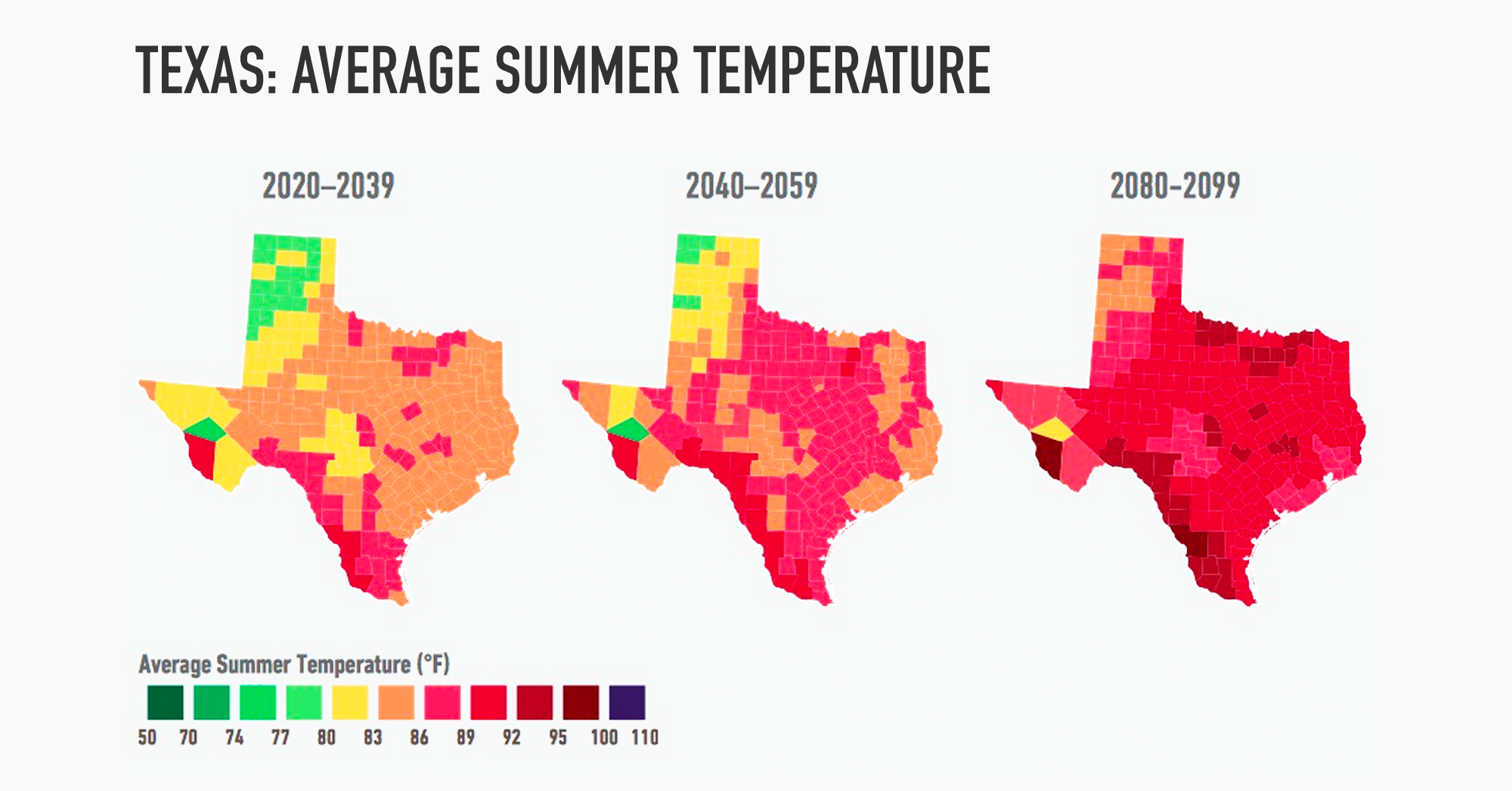
From June through September, expect average daily high temperatures across most of Texas to range from the low to high 90s Fahrenheit (32-37°C). Dallas, Houston, Austin, and San Antonio frequently experience “feels like” temperatures well over 100°F (38°C) due to humidity. El Paso and West Texas can hit 100-110°F (38-43°C) with dry heat. This intense heat can pose health risks if not respected, including dehydration, heat exhaustion, and heatstroke. It also significantly impacts outdoor activities, making midday excursions uncomfortable or even dangerous.
Essential Summer Gear and Accommodation Choices
To brave the summer heat, pack lightweight, breathable clothing in light colors. Wide-brimmed hats, sunglasses, and high-SPF sunscreen are non-negotiable. Reusable water bottles are a must, as staying hydrated is paramount. Many seasoned Texas travelers carry electrolyte packets or drinks.
When it comes to accommodation, prioritize hotels, resorts, or apartments with exceptional air conditioning. A fantastic pool becomes a vital amenity. Consider resorts like the JW Marriott San Antonio Hill Country Resort & Spa, which boasts an expansive water park and multiple pools, providing a refreshing escape right on the property. Look for hotels with indoor attractions or easy access to air-conditioned venues, allowing you to seamlessly transition from indoor comfort to outdoor adventures. Reviews for accommodation often highlight the quality of their cooling systems, which can be a key factor in your booking decision.
Beyond the Dog Days: Enjoying Texas in Cooler Seasons
While summer has its unique charm (mostly involving water), the shoulder seasons and winter often present the most comfortable conditions for exploring the vast offerings of Texas.
Spring (March-May): A Burst of Color and Comfort
Spring is arguably the most beautiful time to visit Texas. Temperatures across the state are generally mild and pleasant, ranging from the 60s to 80s Fahrenheit (15-27°C). The humidity is lower, and the landscape comes alive with vibrant wildflowers, particularly the iconic bluebonnets, which paint the Hill Country in stunning hues of blue. This is prime time for outdoor festivals, hiking in state parks, and enjoying city walks without the intense heat. Popular activities include exploring the San Antonio River Walk, visiting the Dallas Arboretum and Botanical Garden, or cycling the scenic trails around Austin.
Fall (September-November): Crisp Air and Festive Spirit
As summer’s grip loosens in September, fall brings a welcome drop in temperatures, typically ranging from the 70s to 90s Fahrenheit (21-32°C) in early fall, cooling to the 50s and 60s (10-20°C) by November. The humidity gradually decreases, making for crisp, clear days perfect for outdoor exploration. This season is synonymous with Texas football, local fairs (like the renowned State Fair of Texas in Dallas), and vineyard tours in the Hill Country. It’s an excellent time for tourism focused on history, culture, and nature, with comfortable conditions for visiting historical landmarks like The Alamo or exploring the rugged beauty of Big Bend National Park (though Big Bend can still be hot in September).
Winter (December-February): Mild Escapes and Urban Charm
Texas winters are generally mild, especially in the central and southern regions. Daily highs often hover in the 50s and 60s Fahrenheit (10-20°C), with occasional cold fronts bringing temperatures down to freezing. Snow is rare in most areas outside of the Panhandle and higher elevations of West Texas. This makes winter an ideal time for city breaks, enjoying indoor attractions like museums and theaters, or exploring the warmer southern tip of the state, such as South Padre Island, where temperatures remain temperate. Lifestyle choices lean towards cozy indoor dining, holiday lights, and enjoying popular urban destinations without the crowds or heat.
Cool Escapes & Indoor Adventures: Beating the Heat in Style
Even during the hottest months, Texas offers countless ways to stay cool and entertained. Savvy travelers know how to strategically plan their days to maximize enjoyment.
Water-Based Fun
When temperatures soar, water is your best friend. Texas boasts numerous options for aquatic relief. Head to iconic waterparks like Schlitterbahn Waterpark New Braunfels, known for its natural river-fed rides and expansive attractions. The state’s many lakes, including Lake Travis near Austin or Lake Texoma on the Oklahoma border, offer opportunities for boating, swimming, and paddleboarding. For a truly Texan experience, grab a tube and float down the cool waters of the Comal or Guadalupe River, a quintessential summer activity. The coastal beaches of Galveston and South Padre Island also provide refreshing Gulf breezes and opportunities for swimming and beachcombing, though the sand itself can be scorching hot.
Museum Marvels & Cultural Hubs
For those seeking intellectual stimulation or a reprieve from the sun, Texas’ cities are brimming with world-class museums and cultural institutions. Houston’s Museum District offers a concentration of incredible spaces, including the Museum of Fine Arts, Houston, and the Houston Museum of Natural Science. A must-visit attraction for all ages is Space Center Houston, where you can explore NASA’s mission control and impressive space artifacts in air-conditioned comfort. In Dallas, the Dallas Arts District is home to the Dallas Museum of Art and the Nasher Sculpture Center. Meanwhile, San Antonio offers not only the iconic The Alamo (with its well-ventilated exhibits) but also the San Antonio Museum of Art and the Witte Museum.
Shopping, Entertainment & Culinary Delights
Embrace the air-conditioned bliss of Texas’ impressive shopping malls and entertainment complexes. Galleria Dallas and The Galleria in Houston are sprawling centers offering high-end retail, ice skating rinks, and a variety of dining options. For a unique blend of shopping and entertainment, consider places like Grandscape in The Colony or the entertainment districts within major cities.
Texas’ culinary scene is a destination in itself, and fortunately, most dining experiences are enjoyed indoors. From savoring authentic Texas BBQ at renowned smokehouses (many of which have indoor seating) to indulging in vibrant Tex-Mex cuisine, air-conditioned restaurants provide the perfect setting to explore the state’s diverse flavors. Consider Austin’s thriving food truck scene in the cooler evenings, or explore the fine dining establishments in Dallas and Houston for a luxurious indoor experience.
Planning Your Texas Trip: Essential Tips for All Seasons
Successful travel to Texas, particularly if heat is a concern, hinges on thoughtful planning. Whether you’re a family seeking adventure, a business traveler, or on a luxury escape, these tips will help.
Best Time to Visit
For most travelers, spring (March to May) and fall (September to November) are the undisputed best times to visit Texas. These seasons offer the most comfortable temperatures, lower humidity, and a plethora of outdoor events and natural beauty. If your primary goal is water-based activities, summer (June to August) is your window, but be prepared for intense heat. Winter (December to February) is excellent for urban exploration, southern Texas escapes, and avoiding crowds and high temperatures.
Packing Smart
Always check the weather forecast for your specific destination just before your trip. In spring and fall, pack layers as temperatures can fluctuate throughout the day. For summer, prioritize lightweight, moisture-wicking fabrics, a wide-brimmed hat, sunglasses, and reef-safe sunscreen. Comfortable walking shoes are essential year-round. Don’t forget any medications and a small first-aid kit, especially for rural or park visits.
Hydration and Sun Protection
These are paramount, especially from late spring through early fall. Drink water constantly, even if you don’t feel thirsty. Electrolyte drinks can be beneficial if you’re sweating heavily. Seek shade whenever possible, and use sunscreen religiously, reapplying every two hours or after swimming. Plan outdoor activities for early mornings or late evenings to avoid the peak sun hours of 10 AM to 4 PM.
Accommodation Strategy
Researching and booking your accommodation early is always wise, especially during popular seasons or events. When booking during warmer months, specifically look for hotels or resorts that emphasize strong air conditioning and offer refreshing pool amenities. Read recent guest reviews for insights into comfort during hot weather. Many hotels and apartments also offer in-room refrigerators, which are great for keeping drinks cold. If you’re considering a longer stay, comparing options for extended-stay apartments might offer more flexibility and comfort.
Flexible Itinerary
Be prepared to adjust your plans based on the daily forecast. If an unexpected heatwave hits, swap an outdoor hike for a museum visit or an afternoon at a water park. Building some flexibility into your itinerary ensures you can adapt to conditions and still have a fantastic time.
Ultimately, “how hot is it in Texas?” is a question that reveals the state’s incredible climatic diversity. While the summer heat is legendary, it’s also manageable with the right approach and planning. By understanding the regional variations and adopting smart strategies, you can enjoy all the vibrant culture, breathtaking landmarks, and unforgettable experiences that Texas has to offer, no matter the season. So pack your bags, choose your season, and prepare for an incredible Texas adventure!