
Navigating the complexities of child support can be one of the most challenging aspects of a separation or divorce, particularly in a state as vast and diverse as Texas. For families across the Lone Star State, from the bustling metropolises of Houston and Dallas to the serene landscapes of the Hill Country or the coastal charm of Galveston, understanding how child support is calculated is paramount. It’s not just a matter of legal compliance; it’s about ensuring the financial well-being and stability of children, allowing them to thrive and enjoy enriching experiences, whether that involves local tourism or broader family trips.
Child support in Texas is primarily determined by specific statutory guidelines, designed to provide a predictable and equitable framework. However, it’s crucial to recognize that these guidelines are not rigid absolutes. Judges in Texas family courts retain significant discretion to deviate from the standard calculations if they determine that doing so would be in the “best interest of the child.” This blend of clear guidelines and judicial flexibility means that while there’s a starting point for every calculation, the final order can be tailored to the unique circumstances of each family.
The fundamental principle behind Texas child support involves assessing the “net resources” of the obligor – the parent ordered to pay support – and applying a statutory percentage based on the number of children for whom support is being established. This system aims to ensure that children continue to receive financial contributions from both parents, reflecting the financial support they would have received had the parents remained together. For parents whose lifestyles might involve frequent business stays, luxury travel, or managing properties in various destinations, understanding how their diverse income streams and expenses are factored into these calculations is particularly important.
The Foundation: Understanding Texas Child Support Guidelines
The journey to calculating child support in Texas begins with a clear understanding of the obligor’s financial landscape. This involves a meticulous assessment of all sources of income and subtracting specific, statutorily defined deductions to arrive at what the law refers to as “net resources.” This figure forms the bedrock upon which all subsequent calculations are built.
Decoding “Net Resources”
“Net resources” is a critical term in Texas child support law. It’s not simply take-home pay; rather, it’s a specific calculation that starts with an individual’s gross income and then applies a series of mandatory subtractions. Understanding these components is essential for anyone seeking to estimate or challenge child support amounts.
Gross Income Components:
The definition of gross income under Texas law is intentionally broad, designed to capture virtually all forms of income a person might receive. This comprehensive approach ensures that the calculation is based on an accurate reflection of the obligor’s financial capacity. Gross income includes, but is not limited to:
- Wage and Salary Income: This is the most straightforward component, encompassing regular paychecks from employment.
- Self-Employment Income: For entrepreneurs, freelancers, or business owners, this includes all revenue derived from their ventures, often requiring careful documentation and accounting to determine. For those running businesses that involve extensive travel, managing properties for accommodation, or providing services related to tourism, accurate reporting of this income is paramount.
- Rental Income: If a parent owns properties, whether they are vacation rentals in popular destinations, long-term apartments, or commercial spaces, the net income generated from these rentals is included.
- Interest and Dividends: Earnings from investments, savings accounts, stocks, and bonds contribute to gross income.
- Pensions and Annuities: Retirement income streams are also factored in.
- Social Security Benefits: Certain types of Social Security benefits received by the obligor.
- Unemployment Benefits: Income received during periods of unemployment.
- Disability Benefits: Payments received due to a disability.
- Workers’ Compensation Benefits: Income from claims related to workplace injuries.
- Any Other Income: This catch-all category ensures that unusual or sporadic income, such as bonuses, severance pay, or even gifts that regularly contribute to a person’s financial standing, are considered. For individuals who might receive income from international ventures, managing diverse assets, or engaging in high-value transactions, all such sources must be declared.
Mandatory Deductions:
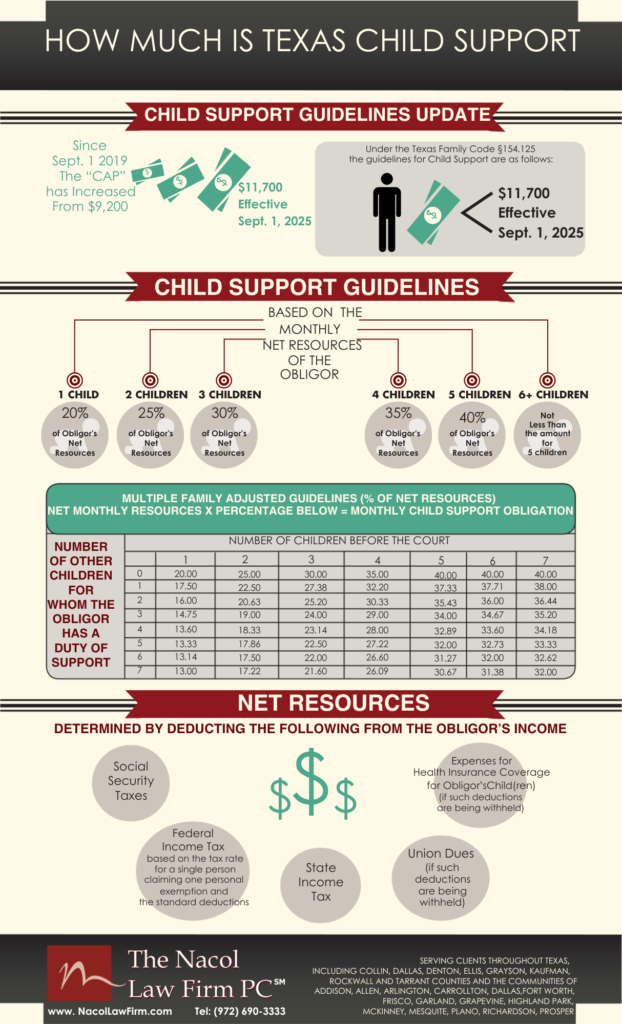
Once the total gross income is established, several specific deductions are applied to arrive at the net resources figure. These deductions reflect necessary expenses and statutory obligations that reduce the amount available for child support. They include:
- Federal Income Taxes: Calculated at the single filer rate with one deduction. This standardizes the tax deduction, regardless of the obligor’s actual filing status or itemized deductions, to ensure fairness across all child support cases.
- State Income Taxes: Texas is one of the few states that does not impose a state income tax, so this deduction is always $0 for residents.
- Social Security Taxes: The obligor’s contributions to Social Security.
- Medicare Taxes: The obligor’s contributions to Medicare.
- Union Dues: Mandatory payments to a labor union.
- Health Insurance Premiums for the Children: Any amount the obligor pays out-of-pocket for health insurance specifically covering the children involved in the child support order.
- Cash Medical Support for the Children: If ordered, this is a specific amount paid by the obligor for the children’s medical expenses not covered by insurance.
By meticulously calculating these additions and subtractions, the court arrives at the obligor’s monthly net resources, a figure that is then used to determine the guideline child support amount. For those with complex financial portfolios or who frequently engage in international travel or business, understanding how these diverse elements are processed is key to accurate calculation.
Applying the Guideline Percentages
With the net resources established, Texas law provides clear percentages to calculate the guideline child support amount. These percentages are applied directly to the obligor’s net resources and are designed to increase incrementally with the number of children supported.
- One child: 20% of net resources
- Two children: 25% of net resources
- Three children: 30% of net resources
- Four children: 35% of net resources
- Five children: 40% of net resources
- Six or more children: At least 40% of net resources
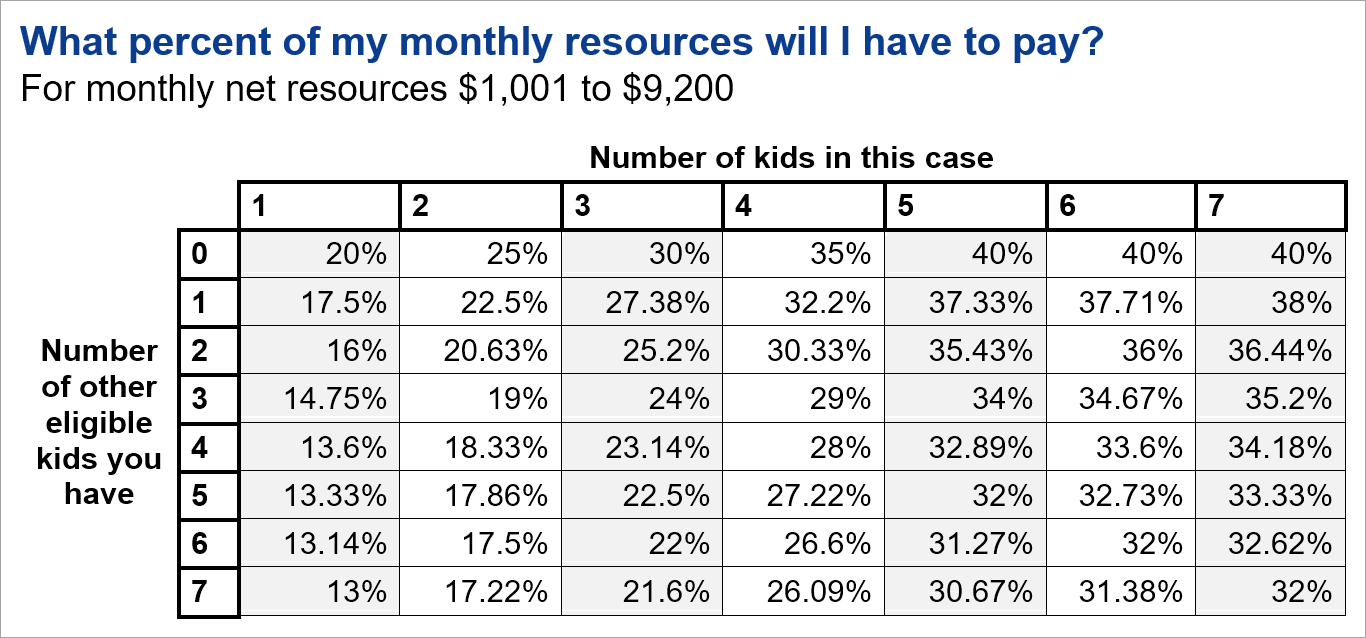
It’s important to note that these percentages apply to the total number of children for whom the obligor is obligated to pay support. This includes children from previous relationships if those obligations are still active. If an obligor has children from other relationships, the percentages are slightly adjusted to account for these existing responsibilities, typically by reducing the base percentage slightly for the children before the court. This nuanced approach helps balance the financial responsibilities across all of an obligor’s children.
For example, an obligor with monthly net resources of $5,000 would pay $1,000 (20%) for one child, or $1,250 (25%) for two children. These guideline amounts are the starting point for discussion and negotiation, providing a clear financial benchmark for parents and the court. They aim to provide a stable financial foundation, which can indirectly support a child’s quality of life, including opportunities for enriching experiences like family trips or participation in local cultural activities.
The Statutory Cap: What Happens Above $9,200?
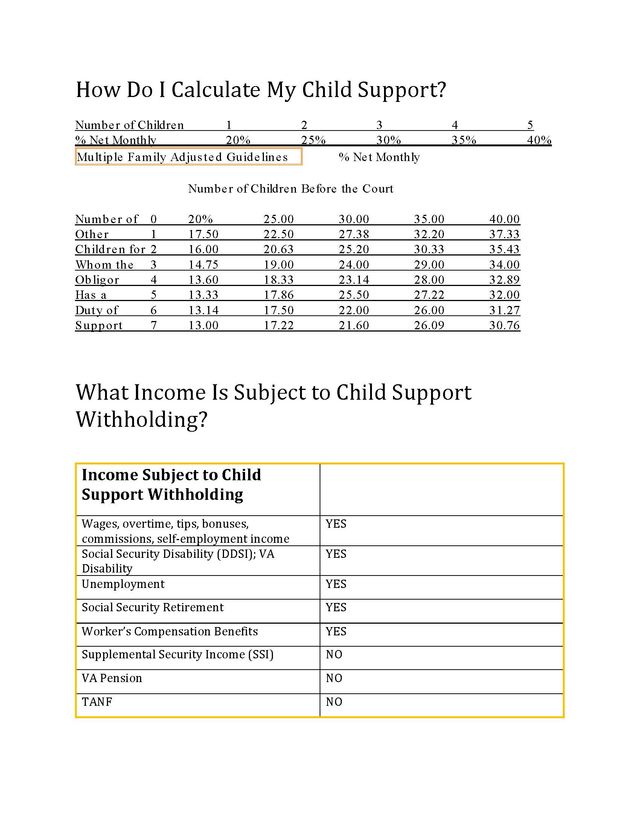
A crucial aspect of Texas child support guidelines is the statutory cap on net resources. Currently, this cap stands at $9,200 per month. This means that if an obligor’s net resources exceed this amount, the guideline percentages are only applied to the first $9,200. The purpose of the cap is to set a reasonable upper limit for guideline support, acknowledging that beyond a certain point, the marginal benefit of additional support for basic needs diminishes.
However, the existence of the cap does not mean that high-income obligors are absolved from contributing more. Judges in Texas have the authority to order additional support above the cap if it is “justified by the proven needs of the child.” This is where the concept of the “best interest of the child” takes center stage and where discussions about lifestyle and opportunities become relevant.
For families with significant wealth, whose lifestyles might include luxury travel, stays in high-end resorts, or private education, the needs of their children might extend beyond what the guideline cap provides. For instance, if a child attends a specialized school, requires expensive extracurricular activities, or participates in unique educational travel experiences that were part of their life before the separation, a judge might order support above the $9,200 cap. The burden of proof for these “proven needs” lies with the parent seeking the additional support. They must present compelling evidence that the children’s essential and customary expenses exceed the guideline amount and that these expenses are genuinely necessary for the children’s well-being and development. This ensures that children from affluent backgrounds can maintain a similar quality of life and access to opportunities, including experiences that might fall under the umbrella of tourism or unique educational journeys.
Beyond the Guidelines: Factors Influencing Judicial Discretion
While Texas child support guidelines provide a clear framework, judges are not bound by them absolutely. The law grants courts the discretion to deviate from the guideline amounts if doing so would be in the “best interest of the child.” This flexibility allows the legal system to address the unique circumstances of each family, ensuring that the child’s welfare remains the paramount concern.
When Judges Deviate: The “Best Interest of the Child” Principle
The “best interest of the child” is a broad legal standard that empowers judges to consider a wide array of factors when making decisions about child support, custody, and visitation. When it comes to child support, these factors can lead to an order that is higher or lower than the guideline amount. Here’s an expanded look at some key considerations:
- The Age and Needs of the Child: Younger children often have different needs than teenagers. A child with specific developmental requirements, special dietary needs, or who is actively engaged in particular sports or arts programs might require different levels of support. These needs can sometimes influence decisions regarding family trips that cater to specific interests or destinations chosen for their child-friendly attractions.
- The Parents’ Ability to Support the Child: This goes beyond just net resources. It looks at the overall financial picture of both parents, including their earning potential, job stability, and any significant financial responsibilities beyond child support. For parents whose careers involve high-stress roles, frequent business stays, or managing international assets, their full financial capacity is often scrutinized.
- Any Special Needs or Disabilities of the Child: Children with disabilities often incur significant expenses for medical care, therapy, specialized education, or adaptive equipment. These extraordinary costs almost always warrant a deviation from guideline support to ensure the child receives the necessary care. Sometimes, this might even involve travel to specialized medical facilities or unique accommodations.
- The Amount of Time Each Parent Has Possession of the Child: Texas courts typically implement a Standard Possession Order, but expanded possession orders are common. If one parent has significantly more time with the child (e.g., nearly 50/50 possession), the court might reduce the obligor’s child support obligation, recognizing the increased direct expenses incurred by the other parent. This also impacts planning for holidays, family vacations to various destinations, and managing logistics for child exchange.
- Childcare Expenses: For working parents, childcare costs can be substantial. These expenses are often factored into the child support order, as they are essential for parents to maintain employment. This can be especially true for parents whose work requires early mornings, late evenings, or even business travel.
- Health Insurance and Uninsured Medical Expenses: Beyond the deduction for premiums, courts ensure that children have access to healthcare. This can include ordering one parent to maintain health insurance and allocating responsibility for uninsured medical, dental, and vision expenses (often 50/50, or prorated based on income).
- Educational Expenses: While public school is typically assumed, expenses for private school tuition, tutoring, or specialized educational programs can be considered if proven to be in the child’s best interest. This might involve researching schools in different cities or even considering international education options for some families.
- Other Resources Available to the Child: This could include trust funds, significant gifts, or inheritances the child may possess.
- Debts or Claims Against Either Parent: While generally not a primary factor, extreme financial hardship or significant debt might be considered in unique circumstances, especially if it impacts a parent’s ability to earn or provide for the child.
- Whether a Parent Has Managing Conservatorship or Possessory Conservatorship: The specific roles and responsibilities assigned to each parent can influence financial contributions.
- Alimony or Spousal Support Being Paid or Received: If one parent is paying or receiving spousal support, this income or expense is considered when assessing their ability to support the child.
- Extraordinary Expenses for the Child: This category is broad and can include costs for competitive sports, art lessons, therapy, or specific equipment. For families who frequently engage in cultural tourism or unique experiences, judges may consider ongoing expenses for such enriching activities.
- Employer-Provided Benefits: Benefits like company housing, a car, or expense accounts can effectively increase a parent’s disposable income, and a judge might consider these perks when assessing financial capacity. This is particularly relevant for those whose jobs entail extensive business travel or long-term stays provided by employers.
- Any Other Factor Relevant to the Best Interest of the Child: This catch-all allows the court to consider truly unique situations that don’t fit neatly into other categories, reinforcing the individualized nature of family law.
Comprehensive Support: Medical and Dental Needs
Beyond the monetary payments, a child support order in Texas almost always includes provisions for the children’s healthcare. This is a critical component, acknowledging that medical and dental care are fundamental needs for every child.
Typically, one parent is ordered to provide health insurance for the children if it is available at a “reasonable cost” through their employment or can be obtained otherwise. What constitutes “reasonable cost” is often determined by a percentage of the obligor’s net resources, usually no more than 9%. If neither parent can obtain insurance at a reasonable cost, or if the court deems it more appropriate, the court may order cash medical support instead. This cash support is a specific monetary amount designated to cover the children’s medical expenses, which the obligee (the parent receiving support) then uses to either purchase insurance or directly pay for healthcare costs.
Similarly, dental support is also a common feature of child support orders. Just like medical insurance, one parent may be ordered to provide dental insurance. If dental insurance isn’t available or practical, cash dental support can be ordered to help cover the children’s dental care costs. These provisions ensure that children have access to necessary medical and dental care, regardless of the parents’ marital status. This is vital for a child’s overall well-being and allows families to plan for potential health-related travel if specialized care is needed outside their immediate city.
The Lifespan of a Child Support Order
Child support orders are not indefinite; they have a defined lifespan, designed to align with a child’s journey into adulthood. However, this duration can vary significantly based on specific life events and circumstances. Furthermore, mechanisms exist to ensure compliance and to adapt the order as circumstances change.
Duration and Termination Events
In Texas, child support typically continues until a specific “terminating event” occurs. These events mark the point at which the legal obligation to pay regular child support payments ceases.
- The Child Turns 18 Years Old or Graduates from High School, Whichever Occurs Later: This is the most common termination event. If a child turns 18 but is still enrolled in high school, support generally continues until they graduate or until the end of the school year following their 18th birthday, whichever is later. This provision acknowledges that a child’s financial needs often extend beyond their 18th birthday if they are still pursuing their basic education.
- The Child Is Emancipated by Court Order: In rare instances, a minor child can petition the court to be declared an adult for legal purposes, typically due to significant financial independence or other unique circumstances.
- The Child Marries: Marriage legally emancipates a minor, thus terminating child support.
- The Child Dies: Tragically, the death of a child also terminates the obligation to pay child support.
- The Child Is Disabled and Requires Ongoing Support: This is a significant exception. If a child has a physical or mental disability that renders them unable to support themselves, and the disability existed or began before their 18th birthday, a court can order indefinite child support. This critical provision recognizes the lifelong financial needs of children with profound disabilities, ensuring their continued care and stability. This might involve ongoing expenses for specialized accommodation, unique medical travel, or assisted living services.
It’s crucial for obligors to continue paying child support until a formal termination event occurs or until a court order explicitly states that support has ended. Payments should not cease automatically without verification, as doing so can lead to serious enforcement actions.
Ensuring Compliance: Enforcement Mechanisms
When an obligor fails to meet their child support obligations, the obligee has several legal avenues to seek enforcement. Texas law provides robust mechanisms to ensure that children receive the financial support they are entitled to, thereby protecting their quality of life, including opportunities for educational trips or family experiences.
- Wage Garnishment (Income Withholding Order): This is the most common and effective enforcement tool. The court can issue an order directing the obligor’s employer to withhold a specific amount from their paycheck and send it directly to the State Disbursement Unit, which then forwards the funds to the obligee. This ensures consistent payments and minimizes direct conflict between parents.
- Liens on Property: A lien can be placed on the obligor’s real or personal property (e.g., land, vehicles) to secure payment of past-due child support. If the property is sold, the outstanding child support must be paid from the proceeds. This can affect a parent’s ability to sell a home or manage properties that might otherwise be used for vacation rentals or long-term accommodation.
- Suspension of Licenses: Texas has “deadbeat parent” laws that allow for the suspension of various licenses for non-payment of child support, including driver’s licenses, professional licenses (e.g., for doctors, lawyers, barbers), and even hunting and fishing licenses. This can severely impact an obligor’s ability to work or enjoy recreational activities, often serving as a strong incentive for compliance.
- Contempt of Court: If an obligor willfully and knowingly fails to obey a child support order, they can be held in contempt of court. This can result in significant fines and even jail time. This is a severe remedy, typically reserved for repeated or flagrant non-compliance.
- Interception of Tax Refunds: Federal and state tax refunds can be intercepted to pay for past-due child support.
- Passport Denial: For very serious arrears, the U.S. State Department can deny an obligor’s application for a U.S. passport, severely restricting their ability to engage in international travel or business.
These enforcement tools underscore the gravity with which Texas courts view child support obligations, reflecting the state’s commitment to ensuring children’s financial security and access to necessary resources for a fulfilling life, including enriching travel and experiences.
Adapting to Change: Modifications
Life circumstances are rarely static, and what was appropriate for a child support order at one point may become unsuitable later. Texas law recognizes this fluidity by allowing for the modification of child support orders.
A child support order can be modified if there has been a “material and substantial change in circumstances” of the child or a parent since the last order was signed or since the 3rd anniversary of the date the order was signed, if the difference between the current order and a new guideline calculation is 20% or $100. This threshold ensures that minor fluctuations don’t trigger constant litigation, but significant changes can be addressed.
Examples of material and substantial changes include:
- Significant Change in Income: A substantial increase or decrease in either parent’s income, whether due to a new job, promotion, job loss, or a significant change in self-employment earnings, can warrant a modification. This is particularly relevant for parents whose careers involve frequent business travel or relocation, as these can impact earning capacity.
- Change in the Child’s Needs: If a child develops a new special need, requires expensive medical treatment, or has new educational expenses that were not present when the order was first established, this could justify a modification.
- Change in Possession Schedule: If the amount of time each parent spends with the child changes significantly (e.g., a child moves primarily to live with the other parent, or an expanded possession order is implemented), the financial responsibilities might need to be re-evaluated. This directly impacts logistics for family trips and accommodation arrangements.
- Incarceration of a Parent: The long-term incarceration of an obligor parent can also be a basis for modification.
- Remarriage or New Children: While not always a direct cause for modification, new family obligations can sometimes be factored into a parent’s overall financial picture, though the primary focus remains on the children subject to the order.
Modifying a child support order requires filing a petition with the court and often involves mediation or a hearing. It’s a formal legal process designed to ensure that child support remains fair and appropriate as families evolve. For parents considering significant lifestyle changes, career shifts, or moves to new destinations, understanding the potential impact on their child support obligations is crucial for effective long-term financial planning.
Navigating the System: Resources and Professional Advice
The landscape of child support can be intricate, filled with legal jargon and complex calculations. Fortunately, resources are available to help parents understand and navigate this critical area of family law.
The Role of the Texas Attorney General’s Office
For many families in Texas, the Texas Attorney General’s Office (OAG) serves as an invaluable resource. The Child Support Division of the OAG provides a range of services aimed at ensuring that children receive the financial support they are entitled to. These services are often provided at low cost or, in many cases, for free, particularly for families who qualify based on income or other criteria.
The services offered by the Texas Attorney General’s Office include:
- Establishing Child Support Orders: For parents who do not have an existing child support order, the OAG can help initiate the legal process to establish one, including determining paternity if necessary.
- Enforcing Child Support Orders: If an obligor is not making payments as ordered, the OAG can utilize various enforcement tools, such as wage garnishment, license suspension, and filing contempt actions, to collect overdue support.
- Modifying Child Support Orders: When there’s a material and substantial change in circumstances, the OAG can assist parents in seeking a modification to an existing child support order.
- Locating Absent Parents: The OAG has resources to help locate parents who are difficult to find, which is often a necessary step before establishing or enforcing an order.
- Medical Support Establishment and Enforcement: The OAG also works to ensure that medical support provisions, including health and dental insurance, are established and enforced.
The Texas Attorney General’s Office plays a crucial role in providing access to justice for children, particularly those from lower-income households, ensuring that the financial burden of raising a child is shared appropriately between parents. It represents a vital public service within the state of Texas, a state known for its diverse attractions and rich culture, providing foundational support for its residents.
Seeking Professional Legal Guidance
While resources like the Texas Attorney General’s Office are incredibly helpful, child support cases can be highly complex, especially when dealing with unique financial situations, contested issues, or a desire for deviations from guidelines. This is where the importance of consulting with a qualified attorney in Texas cannot be overstated.
An experienced family law attorney can:
- Provide Personalized Advice: Unlike general information, an attorney can offer specific legal advice tailored to your unique circumstances, helping you understand your rights and obligations.
- Accurately Calculate Net Resources: For individuals with diverse income streams, self-employment income, or complex assets, an attorney can help ensure that net resources are calculated correctly, potentially impacting the final support amount.
- Argue for or Against Deviations: If you believe the guideline amount is unfair or inappropriate for your situation, an attorney can present evidence and legal arguments to a judge, advocating for a deviation that is truly in the child’s best interest. This can be critical for high-net-worth individuals whose lifestyles, including luxury travel or specific educational pursuits, might necessitate a different approach to support.
- Navigate the Legal Process: From filing petitions to representing you in court, an attorney can guide you through the intricate legal process, reducing stress and ensuring deadlines are met.
- Negotiate Settlements: Many child support issues are resolved through negotiation or mediation. An attorney can effectively represent your interests in these discussions, aiming for a fair and agreeable outcome.
- Enforce or Modify Orders: If an existing order needs to be enforced or modified, an attorney can skillfully navigate these legal actions.
This article provides general information and is not legal advice. Child support calculations and outcomes depend heavily on the specifics of each case. For specific legal advice regarding your situation, it is always recommended to consult with a qualified and licensed attorney in Texas. Investing in sound legal counsel can provide peace of mind and help ensure the best possible financial future for your children, allowing them to enjoy all the rich experiences life has to offer, from local tourism to grand family adventures.
LifeOutOfTheBox is a participant in the Amazon Services LLC Associates Program, an affiliate advertising program designed to provide a means for sites to earn advertising fees by advertising and linking to Amazon.com. Amazon, the Amazon logo, AmazonSupply, and the AmazonSupply logo are trademarks of Amazon.com, Inc. or its affiliates. As an Amazon Associate we earn affiliate commissions from qualifying purchases.