
The allure of the Hawaiian Islands is undeniable. Pristine beaches, lush volcanic landscapes, vibrant local culture, and world-class resorts – it’s a destination that beckons travelers seeking everything from adventurous exploration to luxurious relaxation. But beyond the stunning scenery and the promise of an unforgettable vacation, there’s a fascinating geological story behind this tropical paradise. The answer to “How is Hawaii formed?” lies deep beneath the Pacific Ocean, a tale of immense power, constant change, and a geological phenomenon unique to this archipelago.
Hawaii’s formation is a classic example of a hotspot volcano. Unlike volcanic mountain ranges that form at the boundaries of tectonic plates, the Hawaiian Islands were born from a persistent plume of magma rising from deep within the Earth’s mantle. Imagine a colossal blowtorch, burning steadily at a fixed point beneath the Earth’s crust. As the massive Pacific Plate, one of the largest tectonic plates on Earth, slowly drifts northwestward over this stationary hotspot, the relentless heat and pressure cause the underlying rock to melt. This molten rock, or magma, then finds its way through cracks and weaknesses in the overlying crust, erupting onto the ocean floor. Over millions of years, these eruptions build up layer upon layer of solidified lava, gradually rising from the abyssal depths until, eventually, they breach the ocean’s surface, forming new islands.

The Genesis of the Hawaiian Archipelago: A Geological Masterpiece
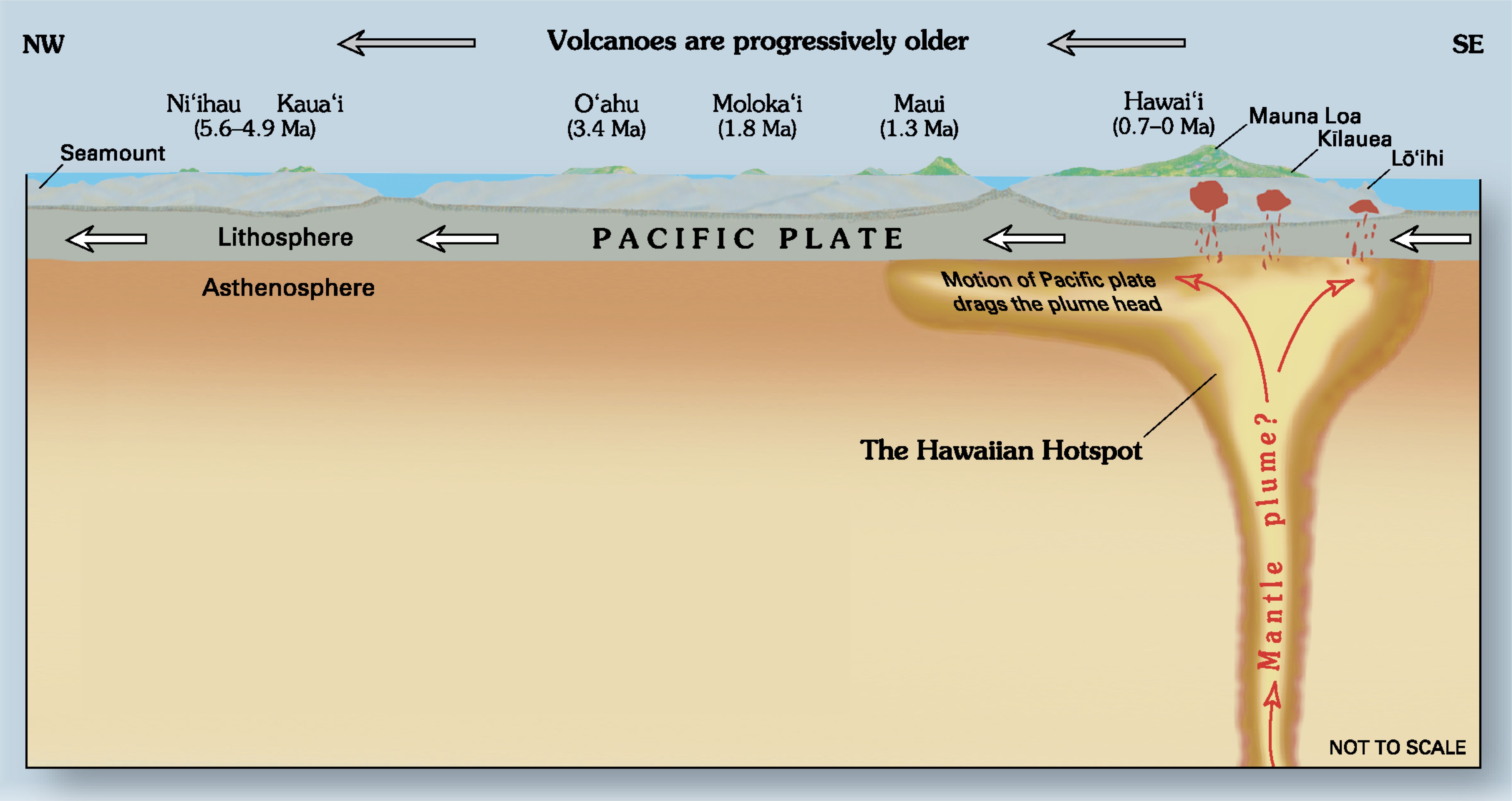
The process of island formation in Hawaii is an ongoing, dynamic one, leading to a distinct age progression across the archipelago. The youngest and most volcanically active islands are found at the southeastern end of the island chain, where they are currently situated directly above the hotspot. As the Pacific Plate moves, it carries these islands away from their fiery source. Consequently, the islands to the northwest are progressively older, having been formed and then carried off the hotspot over vast stretches of geological time. This migration is responsible for the island chain’s distinctive arc shape, stretching over 1,500 miles across the ocean.
The Role of the Pacific Plate and the Mantle Plume
The Earth’s lithosphere, the rigid outer shell of our planet, is broken into several large pieces called tectonic plates. The Pacific Plate is one such immense slab, constantly in motion. The Hawaiian hotspot, on the other hand, is believed to be a relatively stationary feature originating from a deep mantle plume. This plume acts like a giant internal furnace, continuously feeding magma to the surface. As the Pacific Plate slides over this stationary plume, the hotspot punches through the crust, creating volcanic activity.
The initial eruptions occur on the ocean floor, building massive underwater mountains. These seamounts, as they are known, can take hundreds of thousands of years to grow large enough to emerge above sea level. Once they break the surface, they become islands. The eruptions continue, adding more lava and expanding the landmass. However, as the island is carried away from the hotspot by the movement of the Pacific Plate, the volcanic activity on that particular island eventually wanes and ceases. The island then begins a slow process of erosion by wind and waves, gradually sinking back into the ocean over millions of years. This is why the islands in the northwest, like Kure Atoll, are significantly older and mostly submerged remnants of what were once larger volcanic islands.
The Birth of a Volcano: From Seamount to Summit
The journey from a seafloor eruption to a towering volcanic peak is an epic feat of geological engineering. The process begins with a fissure opening on the ocean floor, releasing incandescent magma. This molten rock, under immense pressure from the overlying water, erupts explosively, creating clouds of steam and ash. As the lava flows, it cools and solidifies, adding to the growing edifice. Over countless eruptions, the volcanic cone expands.
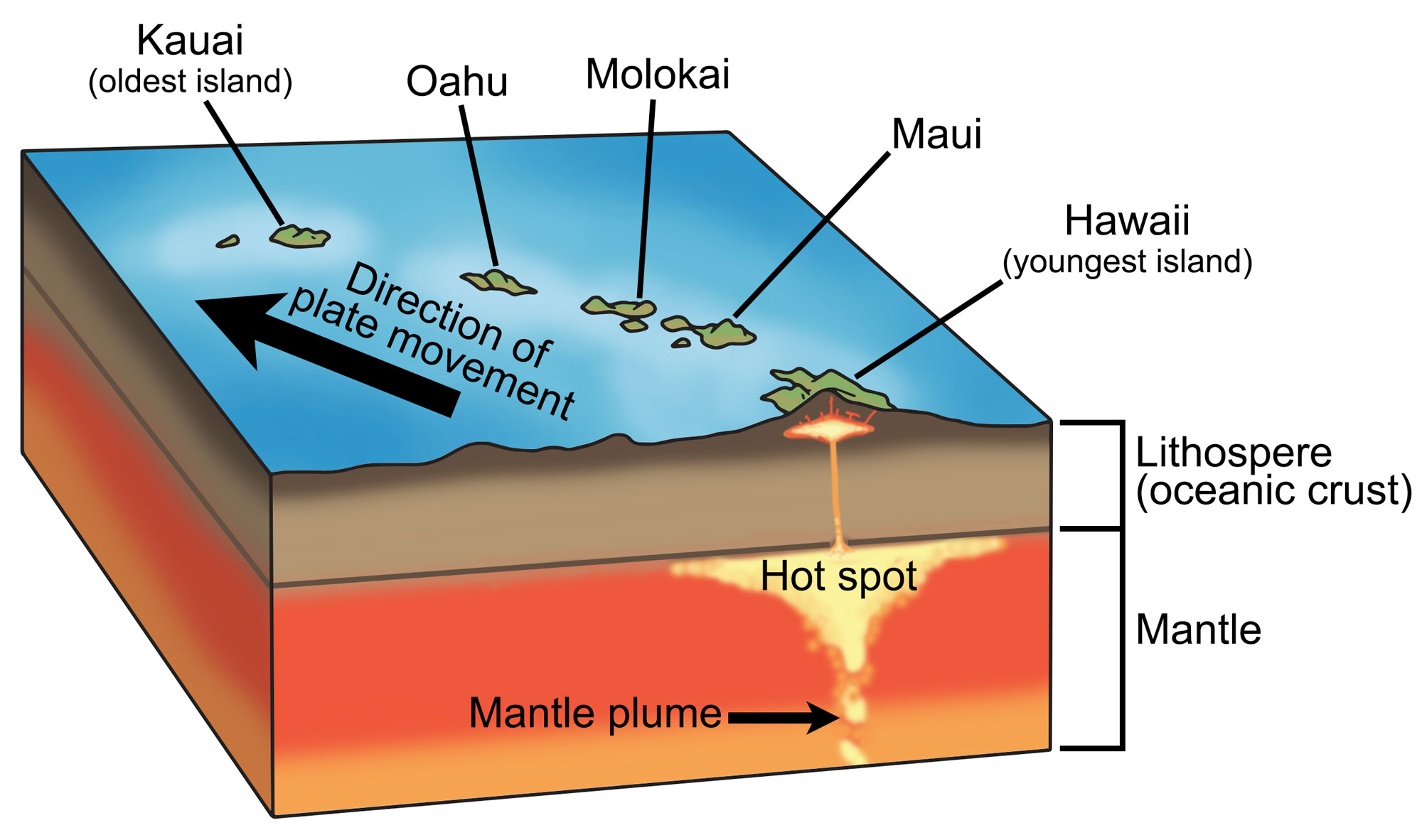
Once the volcano reaches a sufficient height, it may emerge from the sea as a new island. The early stages of island formation are often characterized by vigorous and explosive eruptions. As the volcano grows, it can develop multiple craters and lava flows. The islands of Hawaii, specifically the Big Island of Hawaii, are a prime example of this ongoing process. Kīlauea, one of the most active volcanoes on Earth, continues to add new land to the island, demonstrating the raw power of hotspot volcanism. The constant reshaping of the landscape by lava flows is a defining characteristic of Hawaii, offering dramatic vistas and unique geological formations.
The Island Chain: A Timeline of Volcanic Evolution
The Hawaiian archipelago is not a single entity but a chain of islands, atolls, and seamounts that tells a story of movement and geological time. The islands are arranged in a northwest-southeast orientation, a direct consequence of the Pacific Plate’s northwestward drift. This geological conveyor belt means that the islands at the southeastern end, like Hawaii Island (also known as the Big Island), are the youngest and most geologically active. Here, volcanoes like Mauna Loa and Kīlauea are still actively erupting, continuously building new land.
From Active Volcanoes to Eroded Reefs: The Life Cycle of a Hawaiian Island
As an island is carried away from the hotspot, its volcanic activity gradually declines. The youngest island, Hawaii Island, is home to several active volcanoes, including Mauna Kea, the tallest mountain in the world when measured from its base on the ocean floor, and the continuously erupting Kīlauea. Adjacent to Hawaii Island is Maui, which is older and has experienced less recent volcanic activity, though its volcanic landscape is still impressive with the dormant Haleakalā National Park.
Further northwest, the islands become older and more eroded. Oahu, home to the vibrant city of Honolulu and the iconic Waikiki Beach, was formed by volcanic activity that has long since ceased. The rugged mountains and valleys of Oahu are the remnants of ancient volcanoes, sculpted by millions of years of erosion. Even further northwest, islands like Kauai, known as the “Garden Isle,” show extensive erosion, with dramatic cliffs and deep canyons like the Waimea Canyon.
The oldest islands in the chain are mere remnants of their former volcanic glory. Atolls, such as those found in the Northwestern Hawaiian Islands, are ring-shaped coral reefs that encircle a lagoon. These atolls are what remain of volcanic islands that have been so eroded and have subsided so much that they have sunk beneath the ocean’s surface, leaving only the coral reefs that grew around their submerged peaks. Midway Atoll, a historically significant site, is an example of these ancient, eroded volcanic remnants now dominated by coral formations. This progression from active volcanism to coral atolls illustrates the full life cycle of islands formed by a hotspot.
Navigating the Islands: A Journey Through Geological Ages
For travelers, this geological progression offers a diverse range of experiences. On Hawaii Island, visitors can witness the raw power of creation at Hawaii Volcanoes National Park, a UNESCO World Heritage site, where active lava flows can be seen. This is an unparalleled opportunity to explore a landscape that is literally being made before your eyes. The unique terrain provides incredible attractions and experiences for those seeking adventure and a deep connection with nature.
As you travel northwest, the landscape shifts. Maui offers a blend of volcanic grandeur, with the chance to drive the scenic Road to Hana and explore the summit of Haleakalā, alongside beautiful beaches and luxurious resorts. Oahu presents a dynamic mix of city life in Honolulu and the natural beauty of its volcanic past, with surfing opportunities on the North Shore and historical landmarks like Pearl Harbor. Kauai captivates with its lush rainforests, towering cliffs, and the breathtaking Na Pali Coast, showcasing the artistry of erosion.
Each island, with its unique geological history, offers a distinct flavor of travel and lifestyle. Whether you’re seeking the thrill of active volcanoes, the serenity of eroded landscapes, or the vibrant culture of its inhabitants, the Hawaiian Islands provide a captivating journey through geological time. Understanding how Hawaii was formed enhances the appreciation for these islands, transforming a tropical getaway into a profound encounter with the Earth’s powerful, creative forces. From the dramatic eruption sites of Hawaii Island to the tranquil coral formations of the Northwestern Hawaiian Islands, the story of Hawaii’s formation is etched into every landscape, waiting to be discovered by every visitor.