
The question “How is New Orleans pronounced?” is more than just a linguistic query; it’s an invitation into the heart of a city renowned for its rich cultural tapestry, unique history, and distinct identity. Unlike many other major cities in the United States, New Orleans doesn’t have a single, universally accepted pronunciation, especially among its residents. This linguistic diversity is a direct reflection of the city’s complex heritage, a vibrant blend of French, Spanish, African, Creole, and American influences that have shaped its language, cuisine, music, and way of life. For travelers planning a visit, understanding these nuances can be a subtle yet meaningful way to connect with the local culture, demonstrating an appreciation for the city’s one-of-a-kind character. From its historic landmarks and world-class hotels to its legendary culinary scene and lively festivals, every aspect of New Orleans is steeped in a tradition that’s as captivating as its varied pronunciations.
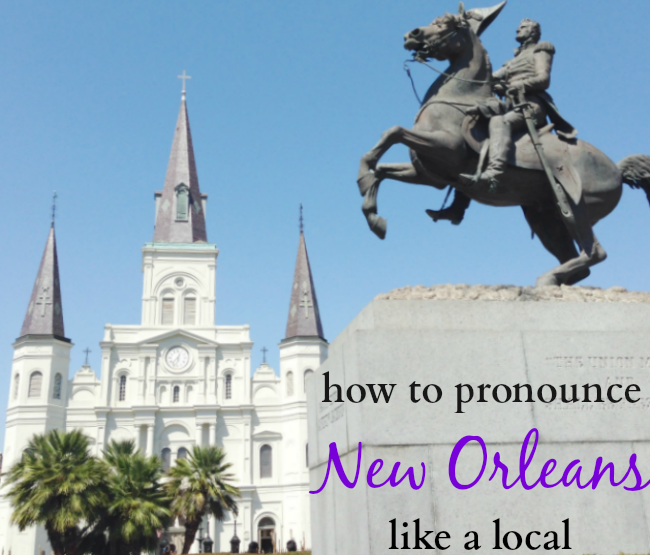
Decoding the Dialect: The Many Ways of Saying “New Orleans”
The pronunciation of “New Orleans,” the largest city in Louisiana, is a fascinating subject that often sparks debate and curiosity. While visitors might initially default to a more formalized, four-syllable pronunciation, locals often employ a more clipped, two-syllable version that speaks volumes about the city’s distinct Southern charm and French roots.
The Standard “Noo OR-linz” or “Noo OR-lee-unz”
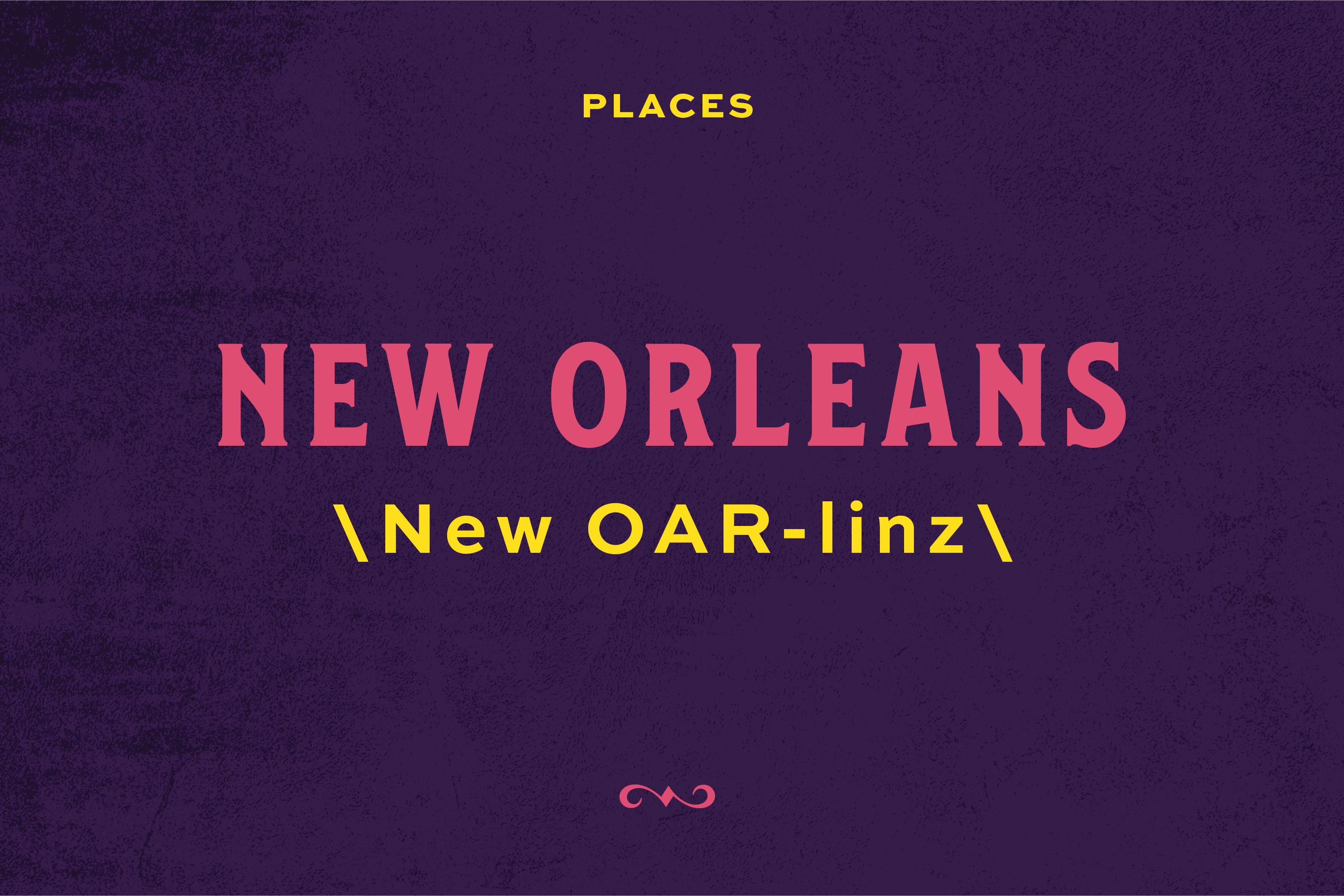
For many outside of Louisiana, the most common pronunciations are “Noo OR-linz” or “Noo OR-lee-unz.” These versions emphasize all the syllables, articulating both “New” and “Orleans” distinctly. This is often the pronunciation heard in national media, by tourists, and in more formal contexts. It’s perfectly acceptable and widely understood, serving as a reliable way for travelers to refer to the city without confusion. The emphasis typically falls on the “OR” in Orleans, giving it a somewhat grander, more drawn-out sound. This pronunciation is clear, precise, and leaves no room for ambiguity, making it a safe choice for anyone new to the city or simply wishing to be understood by a broad audience. It adheres closely to how the words “new” and “Orleans” would be pronounced independently in standard American English, making it the most intuitive for non-locals.
The Local “Naw-lins”: A Nod to Southern Charm
The truly authentic, local pronunciation, however, is a swift and smooth “Naw-lins.” This version drops the “e” sound entirely and compresses “New” into a subtle “Naw” sound, almost as if the first syllable is swallowed. It’s a pronunciation that rolls off the tongue with ease, echoing the relaxed pace and unique cadence of Southern speech. This “Naw-lins” is more than just a way of speaking; it’s a shibboleth, a subtle indicator of belonging and familiarity with the city’s culture. Hearing a local say “Naw-lins” instantly identifies them as part of the community, or at least intimately familiar with its customs. For a traveler, adopting this pronunciation, even tentatively, can be a charming gesture that residents often appreciate, signaling an effort to immerse oneself in the true spirit of the Big Easy. It’s a testament to how local dialects can simplify and personalize place names, transforming a formal label into an intimate identifier.
The evolution of these pronunciations is deeply rooted in the city’s history. Founded by the French in 1718 as La Nouvelle-Orléans, it was named in honor of Philippe II, Duke of Orléans. When the city became part of the United States with the Louisiana Purchase in 1803, English speakers began to adapt the French name to their own linguistic patterns. Over two centuries, the name has been molded by generations of diverse residents, resulting in the charming variety we hear today. This linguistic flexibility is a hallmark of New Orleans, a city that has always embraced influences from all corners of the world while maintaining an unparalleled identity.
Beyond the Name: A Deep Dive into New Orleans’ Irresistible Allure
Understanding how to pronounce New Orleans is just the first step in unlocking the magic of this remarkable destination. The city, often affectionately called the Crescent City due to its shape along the Mississippi River, offers an unparalleled travel experience that consistently ranks high on every adventurer’s list. Its allure extends far beyond mere pronunciations, drawing visitors in with a potent blend of history, culture, and hedonistic delight that touches every sense.
A Melding Pot of Culture and History
New Orleans is, at its core, a testament to the power of cultural synthesis. Its foundations were laid by the French, followed by a significant Spanish colonial period, before becoming a vibrant hub for diverse communities, including enslaved Africans and free people of color, Irish, German, and Italian immigrants. Each group left an indelible mark, contributing to a unique cultural mosaic found nowhere else in the United States. This rich heritage is palpable in every aspect of the city, from the intricate ironwork balconies of the French Quarter to the lively rhythms of jazz music that spill out onto Frenchmen Street. The city’s history is not just preserved in museums; it’s a living, breathing entity that permeates the daily lives of its residents and the experiences of its visitors. Exploring this rich tapestry means walking through historic battlefields, admiring antebellum mansions, and understanding the profound impact of African American culture on music, food, and spirituality. This cultural depth makes New Orleans not just a place to visit, but a place to learn, reflect, and celebrate the incredible resilience and creativity of its people.
Navigating the Crescent City: Must-See Landmarks and Experiences
For any traveler, New Orleans offers an embarrassment of riches when it comes to sights and activities. From iconic architectural marvels to soulful culinary journeys and the birthplace of jazz, the Crescent City promises an unforgettable experience tailored to every interest.

Architectural Wonders and Historic Districts
No visit to New Orleans is complete without wandering through its legendary districts. The French Quarter, the oldest neighborhood, is a designated National Historic Landmark and the city’s vibrant heart. Its narrow streets, wrought-iron balconies, and colorful Creole townhouses transport visitors back in time. Here, you’ll find the majestic St. Louis Cathedral overlooking Jackson Square, a bustling hub for artists, street performers, and fortune tellers. A leisurely stroll through the French Quarter reveals hidden courtyards, antique shops, and the vibrant pulse of Bourbon Street, famous for its nightlife.
Beyond the French Quarter, the elegant Garden District offers a contrasting experience with its grand antebellum mansions and lush gardens. A ride on the historic St. Charles Streetcar provides a picturesque way to explore this opulent neighborhood, famed for its stunning architecture and historic cemeteries like Lafayette Cemetery No. 1. Other notable landmarks include the impactful National WWII Museum, offering a profound journey through history, and the natural beauty of Audubon Park, home to the Audubon Zoo and the Audubon Aquarium of the Americas.
Culinary Delights: A Taste of New Orleans
The food scene in New Orleans is a destination in itself, a delectable fusion of French, Spanish, African, and Southern American influences. Gumbo, jambalaya, etouffée, and red beans and rice are staples, each dish telling a story of the city’s diverse heritage. Seafood, fresh from the Gulf Coast, features prominently in dishes like Oysters Rockefeller and shrimp po’boys. For a sweet treat, a visit to Café Du Monde for beignets and café au lait is a rite of passage, a simple yet iconic New Orleans experience. From fine dining establishments to casual hole-in-the-wall eateries, the city caters to every palate and budget, offering gastronomic adventures that range from sophisticated Creole cuisine to hearty Cajun comfort food. Engaging with the local food culture is a pivotal part of any trip, providing insights into the city’s soul and offering memorable culinary experiences.
The Rhythms of Jazz and Beyond
New Orleans is widely recognized as the birthplace of jazz, and music remains the heartbeat of the city. Live music can be found on almost any night of the week, particularly on Frenchmen Street in the Faubourg Marigny neighborhood, where numerous clubs showcase local talent performing jazz, blues, funk, and brass band music. While Bourbon Street offers a more raucous, party-centric atmosphere with music spilling from every doorway, Frenchmen Street provides a more authentic and intimate live music experience. The city’s musical legacy is celebrated annually at the New Orleans Jazz & Heritage Festival, an internationally renowned event that draws hundreds of thousands of visitors to revel in the diverse sounds of Louisiana and beyond. Beyond jazz, the city’s musical landscape includes gospel, R&B, and bounce, ensuring that there’s a rhythm for everyone to discover and dance to.
Your Stay in the Big Easy: Accommodation and Lifestyle Choices
Planning your visit to New Orleans involves more than just selecting your destinations; it also means choosing the right accommodation and lifestyle approach that suits your travel preferences. The city offers a spectrum of lodging options, from historic luxury hotels to charming boutique guesthouses, ensuring every traveler finds their perfect home away from home in the Big Easy.
From Luxury Resorts to Boutique Stays
New Orleans’ accommodation landscape is as diverse as its culture. For those seeking opulence and historic grandeur, options like The Roosevelt New Orleans, A Waldorf Astoria Hotel or the iconic Hotel Monteleone in the French Quarter provide an experience steeped in luxury, complete with exquisite dining, elegant suites, and personalized services. These establishments often feature stunning architecture, amenities like rooftop pools, and a history that adds another layer to your travel experience.
Boutique hotels are also abundant, offering unique charm and personalized service. Many are housed in beautifully restored historic buildings, providing an intimate glimpse into the city’s past while offering modern comforts. Examples include the Omni Royal Orleans Hotel, seamlessly blending into the French Quarter ambiance, or the more contemporary W New Orleans – French Quarter, which offers a trendy twist on traditional hospitality. For travelers on a budget or those seeking a more authentic, long-term stay experience, there are numerous guesthouses, bed & breakfasts, and apartment rentals available throughout various neighborhoods, including the Marigny and Bywater. These options often provide a more local perspective, allowing visitors to immerse themselves more deeply in the neighborhood’s rhythm and culture. Considerations for booking should include proximity to desired attractions, specific amenities, and reviews from past guests to ensure the perfect fit for your New Orleans adventure.
Planning Your Perfect New Orleans Trip
Whether you’re planning a luxury getaway, a budget-friendly family trip, or a romantic escape, New Orleans caters to all lifestyles. The best time to visit often depends on what you wish to experience. Spring (February to May) offers pleasant weather and numerous festivals, including the world-famous Mardi Gras and the New Orleans Jazz & Heritage Festival. Fall (October to November) also provides comfortable temperatures and a lively atmosphere. Summers can be hot and humid, but offer fewer crowds and often lower hotel rates, making it an ideal time for budget travelers.
For families, attractions like the Audubon Zoo and the Audubon Aquarium of the Americas provide engaging activities. Couples might enjoy romantic carriage rides through the French Quarter, intimate jazz clubs, or culinary tours. Budget-conscious travelers can explore free attractions like Jackson Square, take a ferry ride across the Mississippi River, or enjoy affordable street food. Regardless of your travel style, a bit of planning can ensure a smooth and memorable experience. Booking accommodations and tours in advance, especially during peak seasons, is highly recommended to secure the best options and prices.
In conclusion, the enchanting city of New Orleans offers far more than just a lesson in pronunciation. It’s a vibrant tapestry of history, music, food, and unparalleled hospitality that beckons travelers from around the globe. Whether you say “Noo OR-linz” or “Naw-lins,” your journey through its historic streets, charming neighborhoods, and lively cultural scenes will undoubtedly leave you with cherished memories and a deep appreciation for this truly unique American gem. It’s a destination where every corner tells a story, every bite is a revelation, and every note of music resonates with the soul of a city that dances to its own irresistible beat.
LifeOutOfTheBox is a participant in the Amazon Services LLC Associates Program, an affiliate advertising program designed to provide a means for sites to earn advertising fees by advertising and linking to Amazon.com. Amazon, the Amazon logo, AmazonSupply, and the AmazonSupply logo are trademarks of Amazon.com, Inc. or its affiliates. As an Amazon Associate we earn affiliate commissions from qualifying purchases.