
New York, often called the “Empire State,” boasts a vibrant and dynamic climate that is as diverse as its population. From the bustling streets of Manhattan to the serene landscapes of upstate regions, understanding the weather patterns is paramount for any traveler planning a visit. The city experiences four distinct seasons, each offering a unique charm and presenting specific considerations for packing, activities, and overall travel experience. As a global hub for travel, tourism, and lifestyle, New York’s weather plays a crucial role in shaping everything from hotel availability to the best times to explore its iconic landmarks.

Unlike some destinations with a consistent climate, New York City offers a full spectrum of meteorological conditions throughout the year. Summers can be hot and humid, while winters bring cold temperatures and often significant snowfall. Spring and autumn, on the other hand, provide delightfully moderate conditions, making them popular choices for visitors. This comprehensive guide will delve into the seasonal nuances of New York’s weather, helping you plan your perfect trip, whether you’re seeking a sun-drenched adventure or a cozy winter escape.
Understanding New York’s Diverse Climate
New York falls within a humid continental climate zone, characterized by significant seasonal temperature variations. This means travelers can expect warm to hot summers, cold and snowy winters, and transitional periods of spring and autumn that are generally mild and pleasant. The state’s geography, ranging from coastal areas to mountainous regions, also contributes to local weather variations, although New York City itself, being a coastal metropolis, experiences conditions somewhat moderated by the Atlantic Ocean, particularly during winter. However, the urban “heat island” effect can make summers feel even hotter in the concrete jungle.
For those planning to explore beyond the five boroughs – Manhattan, Brooklyn, Queens, The Bronx, and Staten Island – understanding regional differences is also important. For instance, areas further inland or at higher elevations might experience colder winters and more intense snowfall than New York City proper. However, for most tourists focusing on the metropolitan area, the seasonal guide below will be highly relevant.
Travelers should always check a reliable weather forecast closer to their departure date, as local conditions can change rapidly. Being prepared with appropriate clothing layers and flexible plans is key to enjoying all that this incredible destination in the United States has to offer, regardless of what the skies bring.
A Seasonal Guide to New York Weather
Each season in New York brings its own unique character, influencing not only the temperatures and precipitation but also the atmosphere, available activities, and even the local culture and food scene.
Spring: Rebirth and Mild Breezes (March – May)
Temperatures & Precipitation: Spring in New York is a season of transition, starting chilly in early March with temperatures averaging around 40-50°F (4-10°C) and gradually warming up to a comfortable 60-70°F (15-21°C) by May. While March can still surprise with late snowfalls or icy rains, April and May typically bring mild, pleasant days, though rain showers are common. The city awakens from its winter slumber, with trees budding and flowers blooming.
What to Pack: Layers are your best friend during spring. A waterproof jacket or umbrella is essential for unexpected showers. Pack sweaters, light jackets, long-sleeved shirts, and comfortable walking shoes. By late May, you might even want to include some lighter clothing for warmer days.
Activities & Experiences: Spring is an ideal time for exploring outdoor attractions. Stroll through Central Park as cherry blossoms bloom, visit the botanical gardens in Brooklyn or The Bronx, or walk across the Brooklyn Bridge. Outdoor dining starts to emerge, and rooftop bars begin to open. Cultural institutions like the Metropolitan Museum of Art and the Museum of Modern Art offer excellent indoor alternatives on rainy days. This season often sees the launch of outdoor markets and street festivals. For those interested in culinary experiences, Restaurant Week sometimes falls within this period, offering deals at top eateries.
Accommodation Tips: With pleasant weather, spring is a popular time for tourism, so booking hotels and apartments in advance is advisable, especially around holidays like Easter or Memorial Day. Look for accommodations with good access to public transportation, which is convenient regardless of the weather.
Summer: Vibrant Heat and Buzzing Streets (June – August)
Temperatures & Precipitation: Summers in New York are typically hot and humid, with average temperatures ranging from 75-85°F (24-29°C). Heatwaves, where temperatures soar into the 90s°F (30s°C) and above, are not uncommon, often accompanied by high humidity that makes it feel even warmer. Thunderstorms can occur, providing brief but intense downpours.
What to Pack: Light, breathable clothing made from cotton or linen is crucial. Sunglasses, hats, and high-SPF sunscreen are necessities. Comfortable sandals or open-toed shoes are great for walking, but also pack closed-toe shoes for cooler evenings or rain. Don’t forget swimwear if your accommodation has a pool or if you plan to visit a beach like Coney Island.
Activities & Experiences: Despite the heat, New York truly comes alive in summer. Enjoy outdoor concerts, free movie screenings in parks, and ferry rides to the Statue of Liberty and Ellis Island. Rooftop bars and restaurants offer stunning views and a chance to cool down with a breeze. Explore the High Line in the early morning or late afternoon to avoid the midday sun. Air-conditioned attractions like Broadway shows, the American Museum of Natural History, the One World Observatory, or the Empire State Building offer refuge from the heat. Take a trip to Governors Island for car-free exploration and panoramic views of the skyline. The city also hosts numerous street fairs and outdoor markets, especially around Union Square and other neighborhoods.
Accommodation Tips: Air conditioning is a non-negotiable amenity for summer stays. Many hotels offer indoor pools or rooftop pools, which can be a welcome luxury. Booking well in advance is essential as summer is peak tourist season, especially for family trips. Consider resorts or suites that offer more space and amenities for longer stays.
Autumn: Crisp Air and Golden Hues (September – November)
Temperatures & Precipitation: Often hailed as the best time to visit New York, autumn brings delightful weather. September is usually an extension of summer, with warm days in the 70s°F (21-26°C), gradually cooling to crisp 50s-60s°F (10-15°C) in October and 40s°F (4-9°C) by November. Humidity drops, and sunny, clear days are common. Rainfall is moderate and generally predictable. The changing leaves create a stunning backdrop, especially in Central Park and along the Hudson River.
What to Pack: Layers continue to be important, starting with lighter layers in early autumn and transitioning to warmer sweaters, scarves, and coats as November approaches. A light to medium-weight jacket will suffice for most of the season. Comfortable closed-toe shoes are ideal for walking.
Activities & Experiences: Autumn is perfect for leisurely walks and outdoor exploration. Take a ferry to see the fall foliage along the East River or explore the charming streets of Greenwich Village and SoHo. Enjoy outdoor dining without the summer heat or winter chill. Major events like Fashion Week kick off the season, followed by the highly anticipated Macy’s Thanksgiving Day Parade in November. Sports fans can catch professional basketball and hockey games as their seasons begin. Museum visits, Broadway shows, and exploring historical sites like Wall Street are always excellent choices.
Accommodation Tips: Due to its popularity, autumn is another peak season. Expect higher hotel rates and book well in advance. Many travelers seeking luxury experiences or business stays choose this period for its comfortable climate. Look for hotels that offer cozy common areas or perhaps a fireplace in the lobby for those chillier evenings.
Winter: Snowy Magic and Cozy Retreats (December – February)
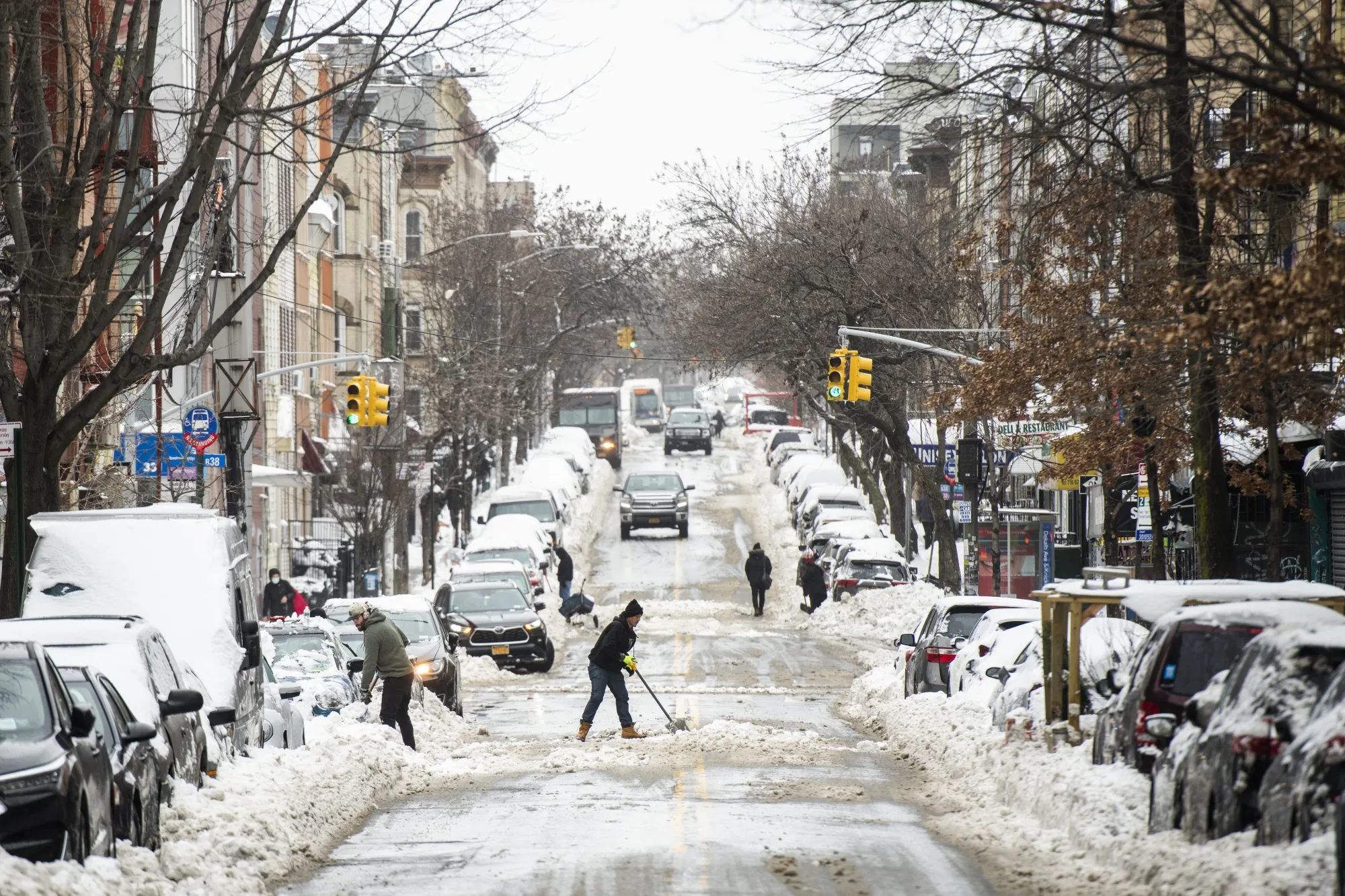
Temperatures & Precipitation: New York winters are cold, with average temperatures ranging from 25-40°F (-4 to 4°C). January is typically the coldest month. Snowfall is common, sometimes leading to significant accumulations that transform the city into a picturesque wonderland, especially in Central Park and Bryant Park. Freezing rain and icy conditions can also occur, making sidewalks slippery.
What to Pack: Warm clothing is essential. Think heavy winter coats, thermal layers, sweaters, hats, gloves, scarves, and waterproof, insulated boots with good traction. Layers are still important, as indoor heating can be quite warm, prompting you to shed outer layers when indoors.
Activities & Experiences: Winter in New York is magical, especially around the holidays. The city sparkles with festive lights, and holiday markets pop up around locations like Union Square and the Winter Village at Bryant Park. Ice skating at the Rockefeller Center Ice Rink, Wollman Rink in Central Park, or Bryant Park is a quintessential experience. Catch a Broadway show, visit the Radio City Music Hall Christmas Spectacular, or witness the iconic New Year’s Eve ball drop in Times Square. Indoor attractions such as museums (e.g., The Guggenheim Museum, the New York Public Library), Chelsea Market, or Eataly are excellent ways to stay warm. January and February can be quieter, offering a chance to enjoy the city with fewer crowds and potentially better hotel deals, though events like Winter Jazzfest still draw visitors.
Accommodation Tips: Look for hotels with excellent heating systems, comfortable lounges, and perhaps an indoor pool or spa for relaxation after a cold day of exploring. Some boutique hotels offer charming amenities like fireplaces in common areas. Booking a cozy suite or apartment can provide a warm retreat from the winter chill.
Preparing for New York’s Weather Extremes
While the seasonal guide provides a general overview, New York weather can be unpredictable. Being prepared for extremes can significantly enhance your travel experience.
- Sudden Heatwaves in Summer: Stay hydrated by carrying a water bottle. Seek out air-conditioned spaces like museums, shops on Fifth Avenue, or the coolness of Grand Central Terminal. Plan outdoor activities for early mornings or evenings.
- Unexpected Cold Snaps or Heavy Snowfall in Winter: Always check forecasts. If heavy snow is predicted, consider indoor activities or prepare for potential public transport delays. Ensure your footwear is waterproof and offers good grip.
- Rainy Days: An umbrella and waterproof outer layer are year-round essentials. New York has an abundance of indoor attractions, from countless museums and galleries to Broadway theaters, shopping malls, and diverse culinary experiences.
- Layering is Key: This advice holds true for almost every season. Being able to add or remove clothing layers as temperatures fluctuate throughout the day is crucial for comfort.
- Utilize Weather Apps: Reliable weather applications on your smartphone can provide real-time updates and hourly forecasts, helping you make spontaneous decisions about your day’s itinerary.

Making the Most of Your New York Trip, Whatever the Weather
Regardless of the forecast, New York offers an unparalleled travel experience. The key is planning and adaptability, integrating weather considerations into your decisions about travel, hotels, tourism, accommodation, landmarks, and lifestyle.
- Travel Planning: If you have specific seasonal experiences in mind (e.g., fall foliage, holiday lights, summer festivals), time your visit accordingly. Otherwise, embrace the uniqueness of each season. Off-peak seasons like late winter (January/February) can offer lower prices and fewer crowds for budget travel.
- Hotels & Accommodation: Always consider the season when booking. In summer, ensure air conditioning is robust. In winter, look for cozy amenities and good heating. Many luxury hotels and resorts offer indoor pools, spas, and fitness centers that are perfect for inclement weather. Serviced apartments can provide a home-away-from-home feel, especially for long-term stays, allowing you to cook your own meals and have more space, which is great if you’re holed up during a storm. Reviews often highlight how well a place handles weather conditions.
- Tourism & Activities: Embrace seasonal activities. Ice skating in winter, lounging in Washington Square Park in spring, outdoor movies in summer, or apple picking (a short trip outside the city) in autumn are all part of the New York experience. Don’t let a rainy day deter you; dive into the city’s incredible indoor cultural scene, explore vibrant neighborhoods like SoHo for shopping, or indulge in the diverse food scene.
- Landmarks: Iconic outdoor landmarks like Times Square and Rockefeller Center are best enjoyed in comfortable weather, but can still be impressive in snow or rain. Indoor landmarks and attractions such as the Empire State Building, One World Observatory, or a Broadway show are perfect for any weather. Consider how visibility might be affected for observation decks on foggy or rainy days.
- Lifestyle & Budget: New York caters to all lifestyles, from luxury travel to budget travel. Weather can influence costs; flights and hotels are generally more expensive during peak seasons (summer and autumn, and the December holidays). Conversely, late winter can offer significant savings. Family trips might prefer the milder spring and autumn, while business stays can be comfortable year-round with appropriate planning.
In conclusion, the weather in New York is a defining characteristic of this magnificent destination. While it presents its challenges, it also contributes to the city’s dynamic energy and ever-changing landscape. By understanding its seasonal rhythms and packing smart, you can ensure your visit is comfortable, memorable, and filled with incredible experiences, no matter when you decide to explore the wonders of New York City.
LifeOutOfTheBox is a participant in the Amazon Services LLC Associates Program, an affiliate advertising program designed to provide a means for sites to earn advertising fees by advertising and linking to Amazon.com. Amazon, the Amazon logo, AmazonSupply, and the AmazonSupply logo are trademarks of Amazon.com, Inc. or its affiliates. As an Amazon Associate we earn affiliate commissions from qualifying purchases.