
Florida, often lauded as the “Sunshine State,” beckons millions of visitors each year with its pristine beaches, vibrant theme parks, and a lively nightlife. Whether you’re unwinding on South Beach, exploring the magic of Walt Disney World, or enjoying a leisurely cruise along the coast, the allure of a refreshing drink is undeniable. As travelers immerse themselves in the diverse experiences Florida offers, from luxurious resorts to budget-friendly stays, a common logistical question arises: “How late can you buy alcohol in Florida?” Understanding these regulations ensures your vacation flows smoothly, allowing you to savor every moment without any unexpected detours to a closed liquor store.

The rules surrounding alcohol sales in Florida are not as straightforward as a simple statewide mandate. Instead, they are a fascinating blend of state law and local ordinances, creating a nuanced landscape that can vary significantly from one county or city to another. This means that while you might be able to purchase your favorite spirits late into the night in one part of the state, another, just a few miles away, might have earlier closing times. This article will delve into the specifics, empowering you with the knowledge to plan your evenings and make the most of your Florida adventure, whether you’re staying at a grand hotel in Orlando or a charming villa in Key West.
Understanding Florida’s Alcohol Sales Laws
At the state level, Florida has established general guidelines for when alcohol can be sold. However, the key to navigating these laws lies in recognizing the authority granted to individual counties and municipalities to set their own, often more restrictive, hours. This decentralization of power means that a one-size-fits-all answer is elusive, and a bit of local detective work is often required.
State-Level Regulations and Local Control
Florida Statute 562.14 dictates that alcoholic beverages may not be sold between the hours of midnight and 7 a.m. This serves as the baseline, the absolute latest closing time dictated by the state. However, this is where the nuance comes into play. The statute also explicitly allows counties and municipalities to enact ordinances that impose earlier closing times. This is why you’ll find such variation across the state.
For instance, a major metropolitan area like Miami-Dade County might have more lenient hours, allowing sales until later in the evening, especially in tourist-heavy districts. Conversely, a smaller, more conservative county might opt for earlier closing times, perhaps around 10 p.m. or 11 p.m., to align with local community standards. This local control is paramount. It means that when you’re planning a trip, especially if you intend to purchase alcohol for your accommodation or enjoy a nightcap after a day of exploring Everglades National Park, it’s wise to check the specific regulations for the area you’ll be visiting.
The type of establishment also plays a role. While grocery stores and convenience stores generally adhere to the stricter local ordinances, restaurants and bars, particularly those with licenses to serve alcohol for on-premise consumption, might have slightly different allowances. Often, these establishments can serve alcohol until the same time the state allows or the local ordinance dictates, but some may have specific “last call” policies that are distinct from the store’s closing time.
Variations by Day of the Week and Licensing
While the midnight to 7 a.m. state limit is a good starting point, it’s essential to remember that local ordinances can also vary based on the day of the week. Some areas might permit later sales on Fridays and Saturdays compared to weekdays. Furthermore, the specific license held by an establishment can sometimes influence its operating hours, though for retail sales of alcohol, the local ordinances tend to be the most significant factor.
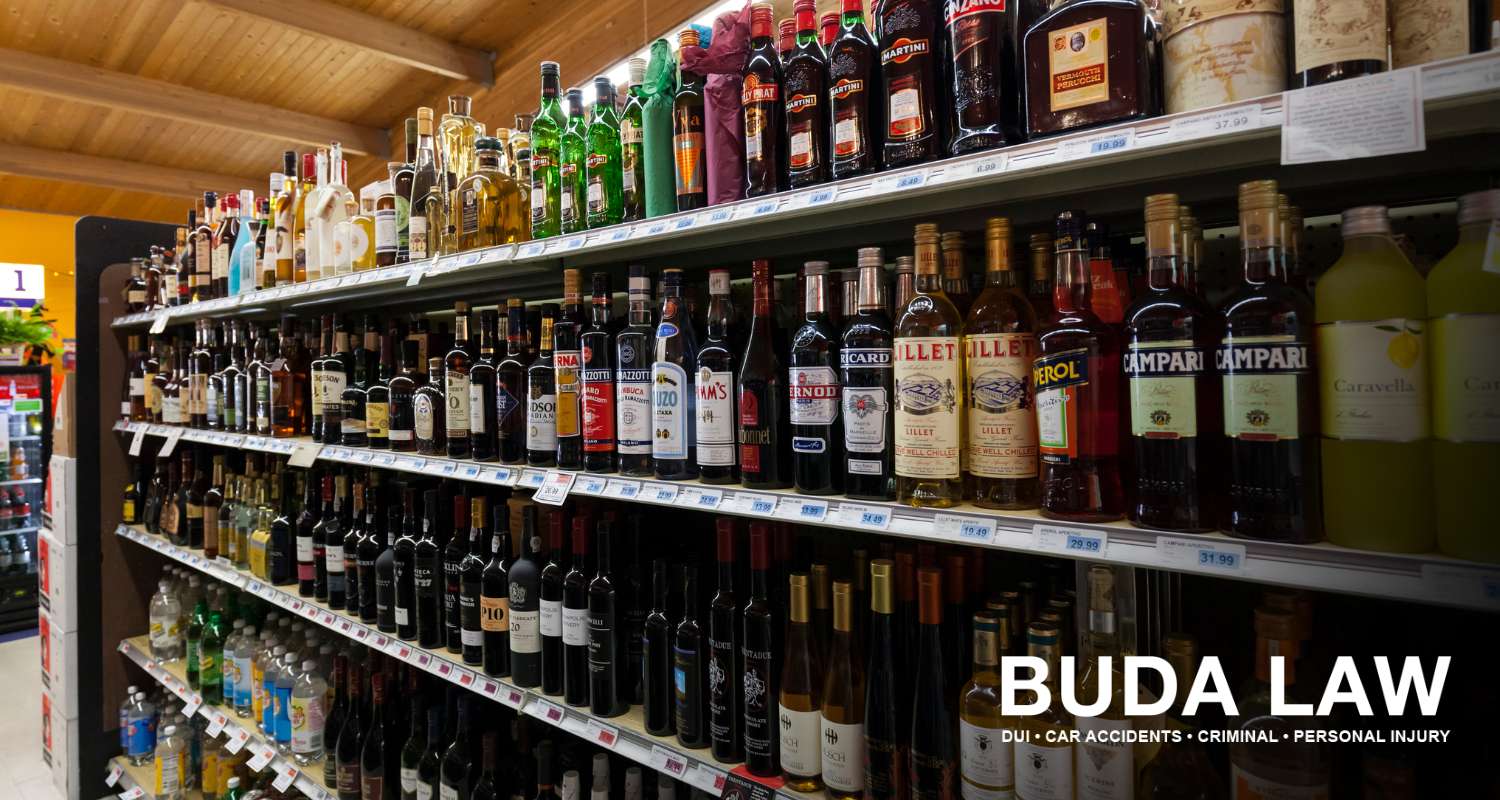
It’s also worth noting that these laws typically apply to the sale of alcohol for off-premise consumption. For establishments where alcohol is consumed on-site, like a restaurant or a resort bar, the hours might be dictated by their entertainment permits or liquor licenses, which can sometimes extend beyond the hours of retail liquor stores. However, even in these cases, the state’s midnight cutoff often still applies unless a specific exception is granted.
Navigating Local Alcohol Purchase Times: A Practical Guide
Given the patchwork of regulations, the most effective way to determine how late you can buy alcohol in Florida is to focus on the specific location of your stay or planned activities. This proactive approach ensures you won’t be caught off guard when trying to pick up provisions for a sunset gathering on Clearwater Beach or a celebratory toast after a thrilling day at Busch Gardens Tampa Bay.
Researching Specific Counties and Cities
The best strategy involves a quick online search for the county or city you’ll be visiting. For instance, if you’re planning a trip to Orlando, a search like “Orlando alcohol sales hours” or “Orange County liquor store closing time” will likely yield the most accurate information. Similarly, if your itinerary includes exploring the historic charm of St. Augustine or the bustling nightlife of Fort Lauderdale, you’ll want to investigate the specific ordinances for St. Johns County and Broward County, respectively.
Many county government websites will have a section dedicated to their local ordinances, which will detail the permissible hours for alcohol sales. Alternatively, local news outlets or tourism boards often provide helpful summaries for visitors. A simple search query like “[City Name] alcohol laws” is usually a good starting point.
Tips for Travelers
- Check Your Hotel’s Information: Many hotels, especially those in popular tourist destinations, are well-versed in local regulations and can provide guests with accurate information about nearby liquor stores and their operating hours. Don’t hesitate to ask the concierge or front desk staff.
- Utilize GPS Apps: While not always perfectly up-to-date with nuanced local laws, some mapping applications might offer general business hours for stores. However, always cross-reference this with official sources if precise timing is critical.
- Look for Signs at Stores: Liquor stores, grocery stores, and convenience stores are required to post their hours of operation. While this might seem obvious, it’s a practical last-minute check when you’re in the immediate vicinity.
- Consider Package Stores vs. Supermarkets: In many areas, dedicated package liquor stores might have slightly different hours than supermarkets or convenience stores that sell beer and wine. Understanding the distinction can be helpful. For example, if you’re looking for a full range of spirits, you’ll need to find a liquor store, whereas beer and wine might be available at more places with potentially varying hours.
- Plan Ahead for Sunday Sales: Sunday alcohol sales, particularly for off-premise consumption, can sometimes have different rules or earlier closing times in certain areas. It’s a good practice to check these specifically if your travel plans include a Sunday.

Enjoying Florida Responsibly
Understanding Florida’s alcohol sales laws is an integral part of responsible tourism. It ensures that your travel experiences, whether you’re enjoying a family vacation at a resort in Tampa or a romantic getaway in the Florida Keys, are enjoyable and stress-free. By being informed about the local nuances, you can confidently plan your evenings, make informed purchasing decisions, and fully immerse yourself in the vibrant culture and diverse attractions that make Florida such an exceptional destination.
Remember, the goal is to enhance your trip, not to have it interrupted by a misunderstanding of local laws. So, whether you’re seeking a craft beer to enjoy on your balcony at a hotel in Miami Beach, a bottle of wine to accompany dinner at a restaurant in Sarasota, or a refreshing cocktail after a day exploring the beautiful Dry Tortugas National Park, a little bit of research will go a long way. Florida’s hospitality extends to its visitor information, and a few moments spent understanding its alcohol sales regulations will undoubtedly contribute to a smoother, more enjoyable, and memorable vacation. From the bustling streets of Jacksonville to the serene shores of Sanibel Island, your Florida adventure awaits, and with a bit of knowledge, you can ensure it’s filled with nothing but sunshine and good times.