
Embarking on a journey from the sun-drenched shores of San Diego to the enchanting islands of Hawaii is a dream for many, promising a transition from Californian cool to Pacific paradise. One of the most common questions travelers ask when planning this idyllic escape is: “How long is the flight?” While the allure of pristine beaches, volcanic landscapes, and vibrant culture is undeniable, understanding the practicalities of the journey, particularly flight duration, is crucial for a smooth and enjoyable travel experience.
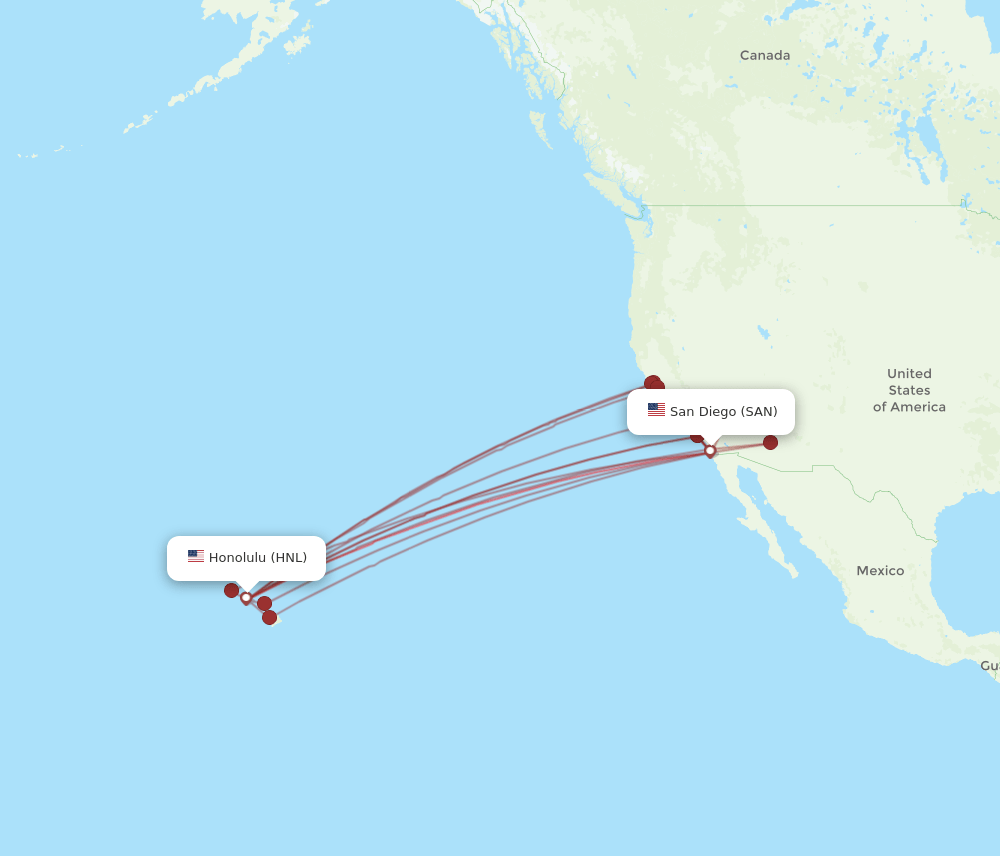
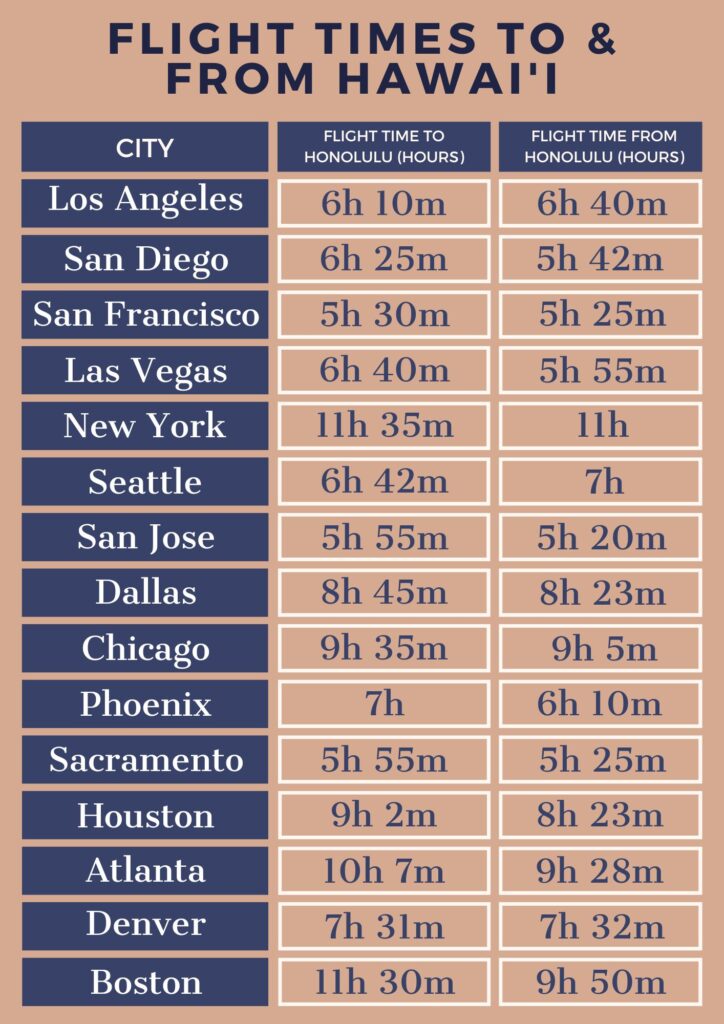
Generally, a direct flight from San Diego (San Diego International Airport – SAN) to Hawaii, typically to Honolulu (Daniel K. Inouye International Airport – HNL) on the island of Oahu, will take approximately 5 hours and 40 minutes to 6 hours and 15 minutes. This duration can vary slightly depending on the specific Hawaiian island you’re flying to, the airline, the aircraft type, and even prevailing wind conditions. This trans-Pacific hop is long enough to warrant careful planning for comfort and entertainment, yet short enough that you’ll feel the excitement building as you descend over the turquoise waters and lush landscapes. This article will delve into the nuances of flight times, explore the key airports and airlines connecting these two destinations, and provide comprehensive insights for planning your unforgettable Hawaiian getaway, incorporating elements of travel, accommodation, tourism, and lifestyle to ensure a truly enriching experience.
Understanding Flight Durations: The Basics
The journey across the Pacific Ocean is a significant one, covering approximately 2,600 miles (about 4,184 kilometers) from San Diego to Honolulu. Several factors contribute to the exact duration of your flight.
Direct vs. Connecting Flights
The most efficient way to reach Hawaii from San Diego is via a direct flight. These flights offer the quickest travel time, as they involve no layovers or plane changes. As mentioned, a direct flight typically falls within the 5 hour 40 minute to 6 hour 15 minute window.
However, direct flights might not always be available or might be more expensive. In such cases, you might opt for a connecting flight. A connecting flight will significantly extend your travel time. Depending on the layover city (often Los Angeles or San Francisco) and the duration of your stop, a connecting flight could range from 8 hours to 12 hours or more, including the layover time. While connecting flights can sometimes offer cost savings or more flexible scheduling, the added travel time and potential for delays are important considerations when planning your itinerary.
Factors Influencing Flight Time
Beyond direct versus connecting, several other elements play a role in the precise duration of your flight:
- Aircraft Type: Different aircraft models have varying cruising speeds. A newer, more aerodynamically efficient plane might shave a few minutes off the journey compared to an older model. Modern jets like the Boeing 787 Dreamliner or Airbus A330 are designed for long-haul efficiency.
- Headwinds and Tailwinds: This is perhaps the most significant variable. Flights heading west, from the mainland U.S. to Hawaii, often encounter prevailing headwinds, which slow the aircraft down and increase flight time. Conversely, flights returning east benefit from tailwinds, making the journey back noticeably shorter, often by 30 minutes to an hour. These natural phenomena are factored into flight planning but can cause slight variations on any given day.
- Flight Path and Air Traffic Control: The specific flight path taken can also influence duration. Air traffic control (ATC) directs planes along optimal routes, which may occasionally be adjusted due to weather systems, military airspace restrictions, or air traffic congestion, leading to minor deviations and slight time changes.
- Departure and Arrival Airports: While most direct flights from San Diego go to Honolulu, flights to other Hawaiian islands like Maui or the Big Island might have slightly different flight times due to varying distances.
Key Airports and Airlines for Your Journey
Understanding which airports you’ll use and which airlines serve the route is fundamental to planning your trip from San Diego to Hawaii.
Departing from San Diego
Your journey will begin at San Diego International Airport (SAN), often referred to as Lindbergh Field. Located just three miles northwest of downtown San Diego, SAN is a convenient and relatively compact airport. It offers a range of amenities, including diverse dining options, shops for last-minute travel essentials, and comfortable lounges. Given the flight duration to Hawaii, it’s advisable to arrive at SAN at least two hours before a domestic flight to allow ample time for check-in, security screening, and finding your gate. The airport’s proximity to major attractions and hotels in San Diego makes pre-flight logistics straightforward for travelers.
Arriving in Hawaii
Hawaii boasts several international airports, each serving a different island. Your final destination in Hawaii will largely depend on which island you choose to explore first.
- Daniel K. Inouye International Airport (HNL) – Honolulu, Oahu: This is the primary gateway to Hawaii and the busiest airport in the state. Most direct flights from San Diego will land here. HNL is well-equipped with amenities, transportation options, and connections for inter-island flights. From HNL, travelers can easily access Waikiki Beach, Pearl Harbor, and downtown Honolulu.
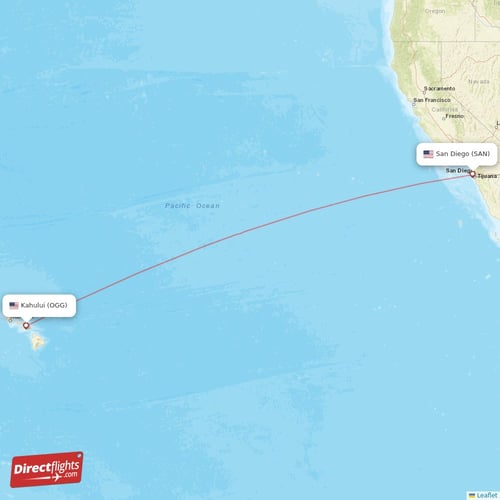
- Kahului Airport (OGG) – Maui: The second busiest airport, OGG serves the popular island of Maui, known for its luxurious resorts, stunning Haleakala National Park, and scenic Road to Hana. Some airlines offer direct flights to OGG from San Diego, bypassing Oahu.
- Kona International Airport (KOA) – Kailua-Kona, Big Island: Serving the west side of the Big Island (Hawaii Island), KOA is convenient for visitors exploring the Kona Coast and its coffee plantations. The Big Island also has Hilo International Airport (ITO) on the east side, which typically requires a connecting flight through HNL. The Big Island is famous for Hawaii Volcanoes National Park and diverse landscapes.
- Lihue Airport (LIH) – Kauai: For those seeking the lush, verdant beauty of the “Garden Isle,” LIH is the entry point. Kauai is renowned for its dramatic Na Pali Coast, cascading waterfalls, and outdoor adventures. Direct flights to LIH from San Diego are less frequent but available with certain carriers.
Major Airlines Serving the Route
Several major airlines offer direct or connecting flights from San Diego to Hawaii. The competition among these carriers often results in competitive pricing and various flight options.
- Hawaiian Airlines: As Hawaii’s flagship carrier, Hawaiian Airlines provides a genuine taste of aloha even before you land. They typically offer direct flights to Honolulu, and sometimes to Maui or Kauai, from San Diego.
- Southwest Airlines: Known for its budget-friendly fares and customer service, Southwest Airlines has expanded its service to Hawaii, offering direct flights from San Diego to multiple islands, including Honolulu and Maui.
- Alaska Airlines: A popular choice for West Coast travelers, Alaska Airlines often has direct service from San Diego to various Hawaiian airports, including Honolulu, Maui, Kona, and Lihue.
- Delta Air Lines, United Airlines, and American Airlines: These legacy carriers also operate flights from San Diego to Hawaii, though they might more frequently involve a connection through their major hubs like Los Angeles, San Francisco, or Phoenix. However, direct options are increasingly available, especially during peak seasons.
When booking, it’s always wise to compare prices and flight times across different airlines and consider factors like baggage allowances, in-flight services, and loyalty programs that align with your travel preferences and lifestyle.
Planning Your Hawaiian Getaway
A trip to Hawaii is more than just a flight; it’s an immersive experience. Strategic planning is key to maximizing your enjoyment, from choosing the right island to securing the perfect accommodation.
Choosing Your Hawaiian Island
Each Hawaiian island offers a unique charm and array of activities, catering to different types of travelers.
- Oahu: Known as “The Gathering Place,” Oahu is ideal for first-time visitors or those seeking a blend of city life, history, and beautiful beaches. Here you’ll find Honolulu, the bustling capital, famous Waikiki Beach, the historic Pearl Harbor memorials, and iconic surfing spots on the North Shore. It offers a wide range of hotels, from luxury resorts to budget-friendly apartments.
- Maui: “The Valley Isle” is renowned for its romantic atmosphere, luxurious resorts in areas like Wailea and Ka’anapali, and stunning natural beauty. Highlights include watching the sunrise from Haleakala, driving the winding Road to Hana, and snorkeling at Molokini Crater. It’s perfect for honeymooners or those seeking upscale travel experiences and breathtaking scenery.
- The Big Island (Hawaii Island): “The Orchid Isle” lives up to its name with incredible diversity. From the active volcanoes in Hawaii Volcanoes National Park to black sand beaches, lush rainforests, and snow-capped peaks of Mauna Kea, it offers adventure and natural wonders. It’s a great choice for eco-tourism and those interested in geology and astronomy.
- Kauai: “The Garden Isle” is the oldest and northernmost of the main islands, characterized by its dramatic cliffs, pristine beaches, and lush interior. It’s a haven for outdoor enthusiasts, offering hiking along the Kalalau Trail, kayaking the Wailua River, and exploring the vast Waimea Canyon.
Best Time to Visit Hawaii
The climate in Hawaii is generally pleasant year-round, with warm temperatures and gentle trade winds. However, certain periods are more popular and can affect flight and accommodation prices.
- Peak Season (December to April and June to August): These months see higher tourist numbers, especially during holidays and school breaks. Expect higher prices for flights and hotels, and more crowded attractions. Booking well in advance is essential.
- Shoulder Season (April to May and September to November): These periods offer a sweet spot with pleasant weather, fewer crowds, and often better deals on flights and accommodation. This is an ideal time for budget-conscious travelers or those seeking a more relaxed experience.
- Off-Season (Late Fall/Early Spring): While still beautiful, these months can see slightly more rain, particularly on the windward (eastern) sides of the islands. However, prices are typically at their lowest, and you’ll experience Hawaii with fewer tourists.
Accommodation Options in Hawaii
Hawaii offers a vast array of accommodation choices to suit every budget and lifestyle, from opulent resorts to charming vacation rentals.
- Luxury Resorts: For an indulgent experience, Hawaii boasts world-class resorts like the Four Seasons Resort Maui at Wailea or the Halekulani Hotel in Waikiki. These offer exceptional amenities, including spas, gourmet dining, private beaches, and personalized service, catering to a luxury travel lifestyle.
- Hotels and Suites: Mid-range hotels are plentiful across all islands, providing comfortable stays with various amenities. Many offer ocean views, pools, and convenient access to attractions. From well-known brands to boutique hotels, there’s a wide selection.
- Vacation Rentals (Apartments, Villas): For families, groups, or those seeking a more local experience, vacation rentals via platforms like Airbnb or VRBO are an excellent option. These can range from cozy apartments to expansive villas, often including kitchens and multiple bedrooms, ideal for longer stays or a more independent travel style.
- Budget Accommodation: Hostels, guesthouses, and simpler hotels provide more affordable options, especially in areas like Honolulu or Kailua-Kona. These cater to budget travelers who prioritize experiences over lavish amenities.
When booking accommodation, consider factors like proximity to attractions, transport links, and desired amenities. Reading reviews and comparing options are vital steps to ensure your chosen lodging enhances your overall Hawaiian experience.
Maximizing Your Travel Experience
Beyond the flight itself, the overall journey from San Diego to Hawaii encompasses careful preparation and thoughtful exploration to ensure every moment is cherished.
Essential Pre-Flight Preparations
A smooth journey starts long before you reach the airport.
- Travel Documents: Ensure your identification (driver’s license or passport) is valid and accessible. While Hawaii is part of the United States, a valid ID is required for air travel.
- Packing Smart: Given the tropical climate, lightweight clothing, swimwear, and comfortable sandals are essentials. Don’t forget reef-safe sunscreen to protect Hawaii’s delicate coral reefs, a wide-brimmed hat, and insect repellent. A light jacket might be useful for cooler evenings or higher elevations like Haleakala.
- Time Zone Adjustment: Hawaii observes Hawaii Standard Time (HST), which is typically three hours behind Pacific Standard Time (PST) in San Diego during standard time, and two hours behind Pacific Daylight Time (PDT) during daylight saving. This means you’ll gain 2-3 hours on your westward flight, which can ease jet lag. Try to adjust your sleep schedule a few days before departure.
- In-Flight Comfort: For a 6-hour flight, comfort is key. Bring a neck pillow, eye mask, noise-canceling headphones, and plenty of entertainment (books, movies on a tablet). Hydration is also important; drink plenty of water.
Exploring Hawaii: Activities and Attractions
Once you’ve landed, Hawaii unfolds with countless opportunities for tourism, adventure, and cultural immersion.
- Cultural Experiences: Immerse yourself in the rich local culture. Attend a traditional luau, learn about Polynesian history at the Polynesian Cultural Center on Oahu, or visit ancient Hawaiian heiaus (temples). Exploring local food markets and trying regional delicacies like poke, shave ice, and fresh seafood is also a delightful cultural journey.
- Natural Landmarks: Hawaii is a treasure trove of natural landmarks. Hike to the summit of Diamond Head for panoramic views of Waikiki, witness the raw power of nature at Hawaii Volcanoes National Park, marvel at the dramatic cliffs of the Na Pali Coast, or snorkel in vibrant coral reefs.
- Adventure Activities: For the adventurous, options abound: surfing lessons on Oahu’s North Shore, zip-lining through rainforests on Maui or Kauai, scuba diving with manta rays on the Big Island, or helicopter tours over volcanic landscapes.
- Relaxation: Sometimes, the best activity is simply relaxing on a white-sand beach, listening to the waves, and soaking in the sun. Many resorts offer beachfront access and luxurious spa treatments for ultimate rejuvenation.
Budgeting for Your Trip to Hawaii
Hawaii can be an expensive destination, but smart budgeting can make it accessible for various lifestyles.
- Flights: Book flights in advance, be flexible with your travel dates, and consider flying during the shoulder season for better deals. Direct flights often cost more but save time; factor in the value of your time when comparing.
- Accommodation: As discussed, options range from luxury resorts to budget hostels. Consider vacation rentals for longer stays or group travel, which can offer cost savings on food by allowing you to cook some meals.
- Food: Dining out in Hawaii can add up. Explore local plate lunch spots, food trucks, and grocery stores for more affordable meal options. Many hotels offer breakfast packages.
- Activities: Research free activities like hiking trails, public beaches, and scenic drives. Look for activity bundles or discounts if you plan on doing multiple tours.
- Transportation: Renting a car is often recommended for exploring the islands fully, but factor in rental costs, gas, and parking fees. On Oahu, public transportation (TheBus) is an option, and ride-sharing services are available in urban areas.
By meticulously planning your trip, considering the nuances of travel, and leveraging the diverse offerings of Hawaii, your journey from San Diego will be not just a flight, but the beginning of an unforgettable adventure. Whether you seek relaxation, adventure, or cultural immersion, the magic of the Hawaiian islands awaits.
LifeOutOfTheBox is a participant in the Amazon Services LLC Associates Program, an affiliate advertising program designed to provide a means for sites to earn advertising fees by advertising and linking to Amazon.com. Amazon, the Amazon logo, AmazonSupply, and the AmazonSupply logo are trademarks of Amazon.com, Inc. or its affiliates. As an Amazon Associate we earn affiliate commissions from qualifying purchases.