
The Maine Coon, often hailed as the “gentle giant” of the feline world, captures hearts not only with its striking appearance and amiable personality but also with the promise of a long, loving companionship. Originating from the rugged landscapes of Maine, United States, these majestic cats are renowned for their impressive size, shaggy coats, and bushy tails, reminiscent of raccoons—hence their intriguing name. For prospective owners, one of the most pressing questions, beyond their beautiful aesthetics and engaging temperament, often revolves around their potential lifespan. How many years can one expect to share with these magnificent creatures? The answer, while never absolute, points to a generally healthy and robust breed capable of gracing homes for well over a decade, often stretching into their mid-teens, and sometimes even beyond.
Owning a Maine Coon is more than just having a pet; it’s a significant lifestyle choice, one that influences daily routines, future plans, and even considerations for travel and accommodation. Their extended lifespan means a commitment comparable to planning a long-term “stay” in a cherished destination—requiring forethought, consistent care, and an appreciation for the unique “local culture” that is your cat’s individual personality. Understanding the factors that contribute to their longevity isn’t just about curiosity; it’s about providing the best possible life for a beloved family member, ensuring their journey through life is as rich and comfortable as any well-planned tourism experience.
Unveiling the Lifespan of the Gentle Giant
The Maine Coon breed boasts a commendable average lifespan, positioning them among the healthier and more resilient feline companions. Their robust nature, developed over generations in harsh New England climates, has endowed them with a genetic makeup that supports a relatively long life compared to some other pedigree breeds.
The Maine Coon’s Enduring Appeal
Before delving into the specifics of their lifespan, it’s worth appreciating why the Maine Coon has captivated so many. Their striking features, including tufted ears, expressive eyes, and luxuriant fur, make them instantly recognizable. Beyond their physical beauty, their personalities are often described as “dog-like,” exhibiting loyalty, intelligence, and a playful demeanor that endures well into their senior years. They are known for their gentle disposition, patience with children and other pets, and a love for interactive play, making them ideal family companions. This unique blend of appearance and temperament means that owners are often hoping for as many years as possible with these delightful creatures. The dedication to their welfare, therefore, becomes a crucial part of the ownership experience, mirroring the meticulous planning that goes into finding the perfect hotel or resort for an extended period, where every amenity and detail contributes to a fulfilling “stay.”
Average Expectations: Years of Companionship
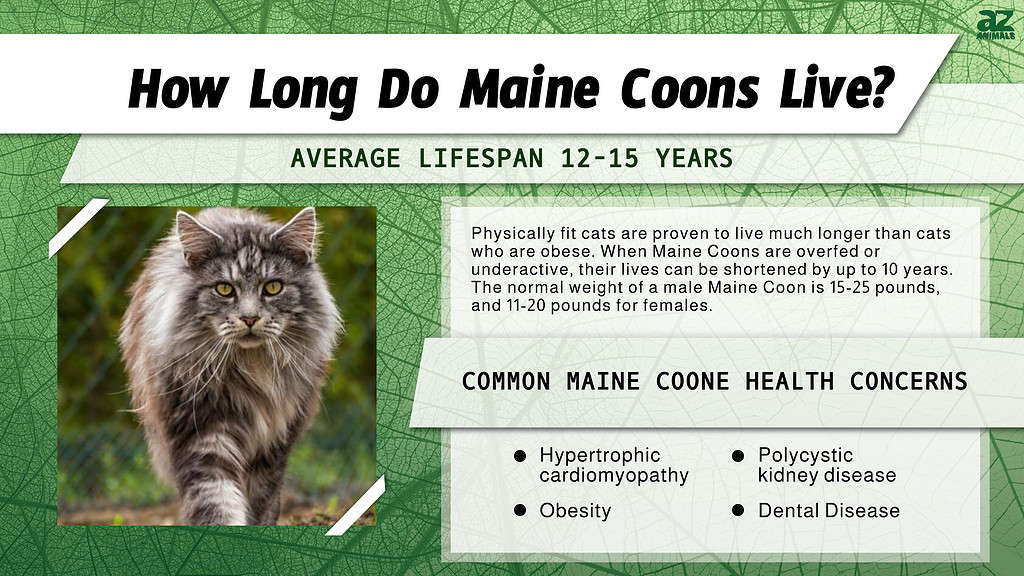
Generally, a healthy Maine Coon can live anywhere from 10 to 15 years. However, it’s not uncommon for individuals to surpass this average, with some living to 18 years or even reaching their early 20s. This impressive longevity is a testament to their inherent hardiness and, crucially, the quality of care they receive throughout their lives. When considering the prospect of welcoming a Maine Coon into your home, this long-term commitment is paramount. It’s a journey, not a short trip, requiring consistent dedication akin to planning a significant long-term stay rather than a brief getaway. The longer lifespan also means that health considerations and preventative care become even more important, as the cumulative effects of diet, exercise, and veterinary medicine will span many years.
Pillars of Longevity: Nurturing a Healthy Maine Coon
While genetics play a significant role, the environment and care provided by owners are perhaps the most influential factors determining how long a Maine Coon truly lives. Thoughtful husbandry can significantly extend a cat’s healthy years, making every effort worthwhile.
Genetic Predispositions and Proactive Health Management
Despite their general hardiness, Maine Coons are predisposed to certain genetic health conditions, much like specific human populations might have regional health concerns. Being aware of these and taking proactive steps can make a substantial difference.
- Hypertrophic Cardiomyopathy (HCM): This is the most common heart disease in cats, leading to a thickening of the heart muscle. It can be particularly prevalent in Maine Coons. Responsible breeders screen their cats for HCM using cardiac ultrasounds and genetic tests. Early detection and management are crucial for extending lifespan and quality of life.
- Hip Dysplasia: More commonly associated with large dog breeds, hip dysplasia can also affect Maine Coons due to their large size. It involves a malformation of the hip joint, leading to arthritis and pain. While it may not directly shorten lifespan, it significantly impacts quality of life. Management often includes weight control, anti-inflammatory medication, and sometimes surgery.
- Spinal Muscular Atrophy (SMA): This is a genetic disease affecting the spinal cord neurons that control skeletal muscles, leading to muscle weakness and atrophy. A genetic test is available, allowing responsible breeders to avoid breeding affected cats.
Choosing a reputable breeder who performs thorough health screenings on their breeding cats is the first and most critical step in ensuring you bring home a genetically healthy Maine Coon. This initial investment in a cat’s potential wellness is much like opting for a highly-rated accommodation with excellent reviews to ensure a comfortable and secure start to your journey.
The Cornerstone of Care: Diet, Exercise, and Environment
Beyond genetics, daily care forms the bedrock of a Maine Coon’s longevity.
- Nutrition: A high-quality, balanced diet is fundamental. Maine Coons are large, active cats, and their dietary needs reflect this. Opt for premium cat food with real meat as the primary ingredient, avoiding excessive fillers, artificial preservatives, and by-products. Hydration is also key, so incorporating wet food or providing access to fresh, flowing water (via a pet fountain) can encourage adequate water intake, crucial for kidney health. This nutritional foundation is like securing top-tier amenities for a comfortable stay, ensuring every vital need is met.
- Exercise and Mental Stimulation: Maine Coons are intelligent and playful. Regular exercise helps maintain a healthy weight, which is vital for preventing obesity-related issues like diabetes and joint problems, particularly hip dysplasia. Engage them with interactive toys, puzzle feeders, and regular play sessions. Vertical spaces like cat trees and shelves cater to their natural climbing instincts and provide mental enrichment. A bored Maine Coon can become stressed or destructive, which impacts overall wellness. Providing this enrichment is akin to seeking out engaging activities and attractions when visiting a new city—it keeps the mind and body active and stimulated.
- Safe Environment: Keeping your Maine Coon indoors is the safest way to protect them from external dangers such as traffic, predators, parasites, and infectious diseases. While some owners may allow supervised outdoor access, an indoor-only lifestyle significantly reduces risks. A secure and stimulating indoor environment, including scratching posts, comfortable sleeping spots, and safe spaces for retreat, contributes to their physical safety and mental well-being. This controlled environment is much like choosing a secure and comfortable apartment or villa for a worry-free vacation.
Regular Veterinary Care: A Lifelong Journey
Consistent veterinary care is non-negotiable for a long and healthy Maine Coon life.
- Preventative Check-ups: Annual veterinary examinations are crucial for early detection of potential health issues. Your vet can monitor weight, dental health, listen for heart murmurs, and recommend appropriate vaccinations and parasite control.
- Dental Health: Dental disease is common in cats and can lead to more severe systemic health problems if left untreated. Regular dental check-ups, professional cleanings, and at-home dental care (brushing, dental treats) are vital.
- Vaccinations and Parasite Control: Keeping vaccinations up-to-date protects against common feline diseases, and regular deworming and flea/tick prevention safeguard against internal and external parasites.
These regular health checks are like consulting a seasoned guide before embarking on a complex journey, ensuring all necessary precautions are taken and potential obstacles are identified and addressed proactively.
The Maine Coon Life Cycle: From Kitten to Elder
Understanding the different life stages of a Maine Coon allows owners to tailor their care to specific needs, ensuring a comfortable and healthy progression through each phase.
Energetic Kittenhood and Vibrant Adulthood
- Kittenhood (0-1 year): This is a period of rapid growth and development. Maine Coon kittens need specialized kitten food, initial vaccinations, and socialization. Early positive experiences with people, other pets, and various stimuli contribute to a well-adjusted adult cat. This stage is much like the exciting beginning of a grand tour, filled with new discoveries and foundational learning.
- Adulthood (1-10 years): Maine Coons mature physically slower than many other breeds, often not reaching their full size and coat density until 3-5 years of age. During their prime adult years, they are generally robust and active. Regular exercise, balanced nutrition, and annual vet check-ups are critical to maintaining their health and vitality. This period represents the bulk of their vibrant life, akin to enjoying the main attractions and planned activities of a long vacation.
Embracing the Golden Years: Senior Maine Coon Care
As Maine Coons enter their senior years (typically around 10 years and older), their needs begin to change. Much like travelers seeking more comfort and specialized services in their later years, senior cats require adjusted care.
- Increased Veterinary Monitoring: Semi-annual vet visits may be recommended to monitor for age-related conditions like kidney disease, arthritis, hyperthyroidism, and dental issues. Blood work and urinalysis become more frequent diagnostic tools.
- Dietary Adjustments: Senior-specific diets are often lower in calories (to prevent weight gain due to decreased activity) and formulated with ingredients to support joint health, kidney function, and cognitive sharpness.
- Comfort and Accessibility: Provide soft, orthopedic beds, easily accessible litter boxes (especially if arthritis is present), and ramps if they struggle to reach favorite elevated spots. Keep their environment warm and draft-free.
- Gentle Grooming: While still important, grooming may need to be gentler as their skin and joints become more sensitive.
- Mental Engagement: Continue to engage them with gentle play and interaction to keep their minds active.
Caring for a senior Maine Coon is a tender act of reciprocation for years of companionship, ensuring their final chapters are lived with dignity and comfort. It’s about adjusting the “accommodations” to meet evolving needs, much like a thoughtful hotel or resort would cater to guests seeking specialized amenities for enhanced comfort.
A Lifestyle Commitment: Integrating a Long-Lived Companion into Your World
The decision to bring a Maine Coon into your life is a profound one, particularly given their impressive lifespan. This commitment extends beyond daily feeding and petting; it integrates into the very fabric of your lifestyle, influencing choices from home design to travel plans.
Travel and Accommodation Considerations with a Maine Coon
For those who embrace a lifestyle of travel and exploring diverse accommodations, owning a long-lived pet like a Maine Coon requires careful foresight.
- Long-Term Planning: Their 10-15+ year lifespan means that planning for their care becomes a consistent consideration for every vacation, business trip, or extended absence. Unlike a weekend getaway, this is a long-haul commitment.
- Pet-Friendly Accommodation: If you plan to travel with your Maine Coon, researching pet-friendly hotels, apartments, or villas is essential. Many establishments now cater to pets, offering specific amenities and services, but booking in advance and understanding policies is key. Websites focused on accommodation often feature reviews and comparison tools specifically for pet owners, helping you choose the best “home away from home” for your feline friend.
- Pet Sitting and Boarding: For trips where your Maine Coon cannot accompany you, securing reliable pet care is paramount. Whether it’s a trusted pet sitter coming to your home (which can be less stressful for cats) or a high-quality boarding facility, this decision directly impacts your cat’s well-being and your peace of mind. The cost and availability of such services become an integral part of your travel budget and planning.
- Stability for Long-term Stay: A Maine Coon thrives on stability. For those whose lifestyle involves frequent moves or long-term stays in different locations, ensuring a consistent and secure environment for your cat is vital. Creating a familiar “home base” with their scent, toys, and routine can help them adapt to changes, much like bringing familiar comforts to a new accommodation to make it feel like home.
The Enriching “Tourist Experience” of Maine Coon Ownership
Viewing Maine Coon ownership through the lens of tourism and local culture might seem unconventional, but it highlights the richness of the experience. Just as a discerning traveler seeks to understand and appreciate the history, architecture, and nuances of a new destination, a Maine Coon owner embarks on a continuous discovery of their pet’s unique personality and needs.
- Exploring Their Culture: Each Maine Coon has its own “local culture”—its quirks, preferences, communication style, and routines. Learning to “speak their language” and understanding their body language is an ongoing, rewarding experience. This deep understanding ensures their emotional well-being, which is just as important as their physical health for a long life.
- Creating a Landmark Home: Your home becomes their personal landmark, a safe haven where they can explore, play, and rest. Designing spaces that cater to their large size, climbing tendencies, and need for comfort enhances their quality of life, transforming your living space into a truly pet-centric “destination.”
- Sharing the Journey: The long lifespan of a Maine Coon means they will witness many of your own life changes—moves, new family members, personal achievements. They become a constant, comforting presence, a silent companion on your life’s own unfolding journey. This profound bond is arguably the greatest reward of sharing your home with these magnificent cats, a treasure more precious than any souvenir from a grand destination.
In conclusion, the question “How long do Maine Coon Cats live?” is answered not just by genetics but by a holistic approach to care. With attentive breeding, superior nutrition, consistent veterinary care, and an enriching environment, these gentle giants can indeed live long, fulfilling lives, offering years of devoted companionship and making them a truly integral part of your lifestyle and personal journey through the world.