
The aroma of slow-smoked pork shoulder is a quintessential scent that evokes images of backyard gatherings, bustling BBQ festivals, and culinary road trips across the American South. For many, the Boston Butt – a surprisingly misnamed cut from the pig’s shoulder – represents the pinnacle of low-and-slow cooking, transforming a tough piece of meat into succulent, pull-apart perfection. But beyond the immediate satisfaction of a delicious meal, mastering the art of smoking a Boston Butt is an experience that intertwines with travel, local culture, and a distinct lifestyle. It’s an adventure for the senses, whether you’re a seasoned pitmaster at home or a curious traveler seeking out the best regional BBQ joints.
This culinary quest, much like any journey to a new destination, requires patience, preparation, and an understanding of the subtle nuances that make each experience unique. The question, “How long do you smoke a Boston Butt?” is far more complex than a simple time-and-temperature answer. It delves into the heart of barbecue philosophy, regional traditions, and the art of crafting unforgettable flavors. It’s about the journey, not just the destination – or in this case, the finished plate. As you embark on this flavorful exploration, you’ll discover how the principles of pitmastery align with the very essence of travel: discovery, adaptation, and appreciation for the finer things in life, often found in unexpected places.
The Art and Science of Perfectly Smoked Pork
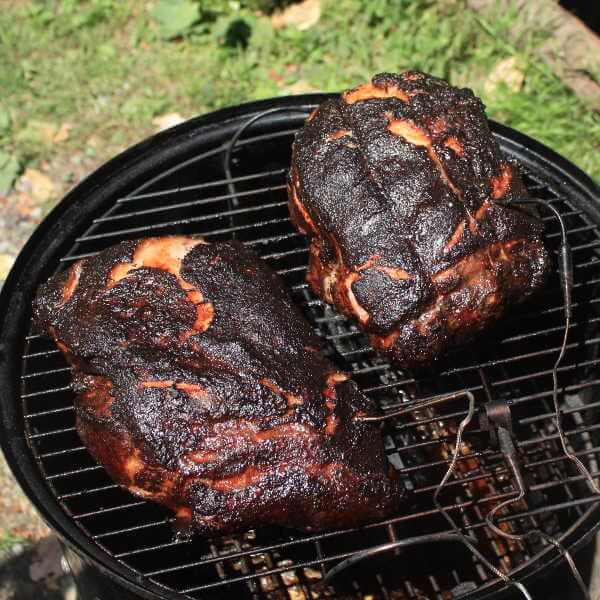
Smoking a Boston Butt is an alchemy of time, temperature, and wood smoke. It’s a process that demands respect for the ingredients and an understanding of the science behind transforming tough connective tissue into tender, juicy meat. For the culinary traveler, understanding this process deepens the appreciation for the pulled pork sandwiches savored in roadside diners and acclaimed barbecue restaurants alike. It’s not just food; it’s a craft.
Understanding the Boston Butt and Its Origins
Despite its misleading name, the Boston Butt is not from the rear end of a pig. It’s actually the upper portion of the pig’s front shoulder, specifically the region above the picnic shoulder. This cut is rich in collagen and intramuscular fat, making it an ideal candidate for low-and-slow cooking methods like smoking. The “butt” moniker reportedly dates back to colonial New England, where butchers would pack less prized cuts of pork into barrels called “butts” for storage and transport. The term stuck, and today, this cut is universally recognized as the foundation for exquisite pulled pork.
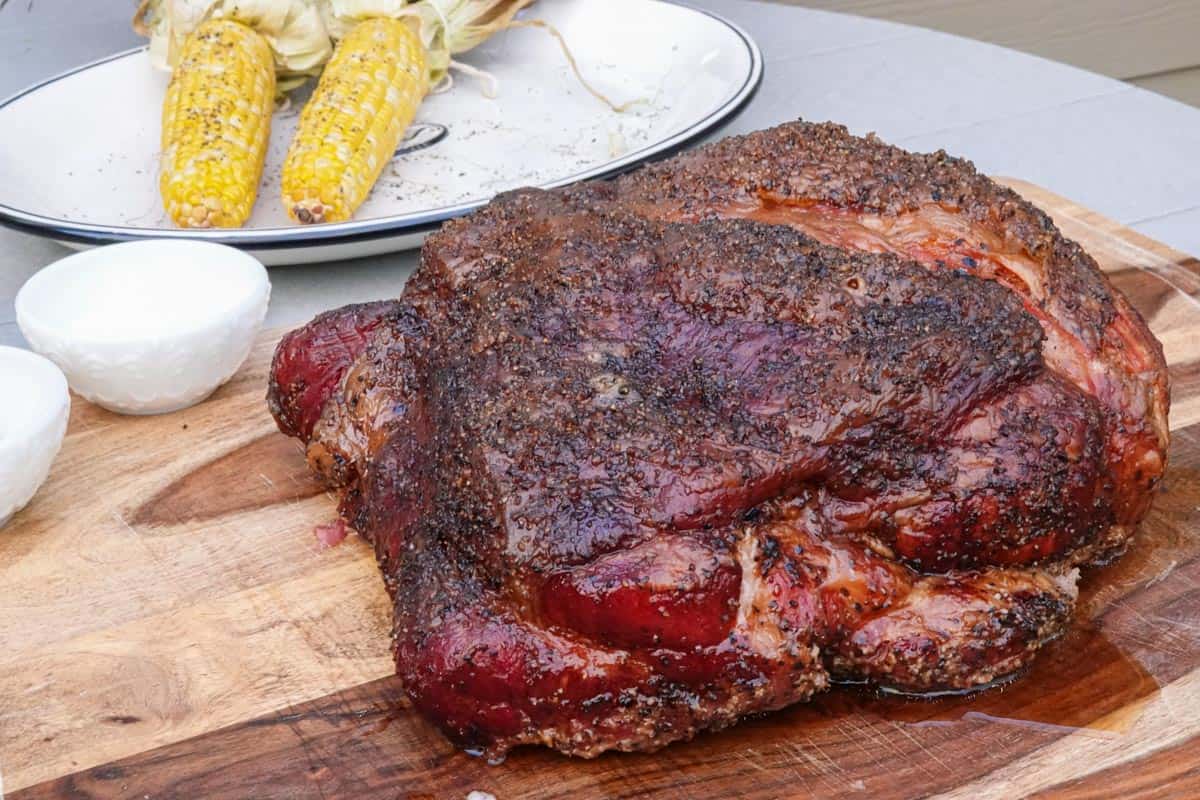
The culinary journey with a Boston Butt begins long before it hits the smoker. Selecting the right cut is paramount. Look for a butt weighing between 6 to 10 pounds, with a good amount of marbling and a visible fat cap. The fat cap is crucial for self-basting during the long cook, ensuring moisture and flavor. Some pitmasters opt to score the fat cap in a crosshatch pattern, allowing rubs and smoke to penetrate more effectively. Preparing the meat also involves a generous application of a dry rub – a blend of spices, salt, and sugar designed to form a flavorful bark and enhance the pork’s natural taste. Each region, and often each pitmaster, has a secret rub recipe, a testament to the localized food culture that defines barbecue.
Essential Tools and Techniques for Smoking Success
To truly appreciate the answer to “How long do you smoke a Boston Butt?”, one must first understand the environment in which it cooks. A smoker is the primary tool, and options range from traditional offset smokers to vertical smokers, ceramic kamados, and modern pellet grills. Each type offers a slightly different cooking experience and flavor profile.
- Offset Smokers: These are the traditional choice for many purists, offering precise control over wood type and airflow. Brands like Oklahoma Joe’s or custom-built pits are common.
- Kamado Grills: Ceramic grills such as the Big Green Egg or Kamado Joe are excellent for maintaining consistent temperatures, making them user-friendly for beginners and experts alike.
- Pellet Grills: Brands like Traeger Grills and Pit Boss offer convenience and consistent heat, relying on compressed wood pellets for fuel and smoke. These are particularly popular for those seeking a more hands-off approach.
- Vertical Smokers: The Weber Smokey Mountain is a classic choice, known for its ability to hold large cuts and produce excellent results.
The choice of wood is equally critical, imparting distinct flavors to the pork. Common choices include:
- Hickory: Strong, smoky, and classic.
- Oak: Milder than hickory, but still robust.
- Apple/Cherry: Fruity, sweeter, and milder, often preferred for pork.
- Pecan: Nutty and delicate.
The smoking process itself involves maintaining a consistent temperature, typically between 225°F and 275°F (107°C and 135°C). This low heat slowly breaks down the collagen, rendering the fat, and infusing the meat with deep smoky flavors. The golden rule is “low and slow,” and patience is indeed a virtue here. The initial “dirty smoke” phase, often using heavier wood, gives way to a cleaner, thinner blue smoke that’s ideal for infusion without imparting bitterness.
Navigating the “Stall” and Achieving Tenderness
Now, to answer the titular question: How long do you smoke a Boston Butt? The most accurate answer is: until it’s done. This typically means it has reached an internal temperature of around 200-205°F (93-96°C) and is “probe tender” – meaning a skewer or thermometer probe slides into the meat with minimal resistance, like pushing into warm butter.
For a 7-8 pound Boston Butt, this process usually takes anywhere from 10 to 16 hours, sometimes even longer. Several factors influence the cooking time:
- Smoker Temperature: A consistent 250°F (121°C) is a good target. Lower temperatures mean longer cooks.
- Meat Size and Shape: Larger, thicker butts take longer.
- The “Stall”: This is perhaps the most notorious and often frustrating phase of smoking. Around 150-170°F (65-77°C) internal temperature, the meat’s temperature will plateau, sometimes for several hours. This occurs due to evaporative cooling as moisture evaporates from the surface of the meat. Pitmasters handle the stall in various ways:
- “Pushing Through”: Simply waiting it out, relying on patience.
- “The Texas Crutch”: Wrapping the butt tightly in foil or butcher paper once it hits the stall. This traps moisture, helping it power through the stall faster and keeping the meat juicy. While it can soften the bark, many find the trade-off worthwhile.
- Increased Temperature: Some will slightly increase the smoker temperature to help push past the stall, though this requires careful monitoring to prevent drying out the meat.
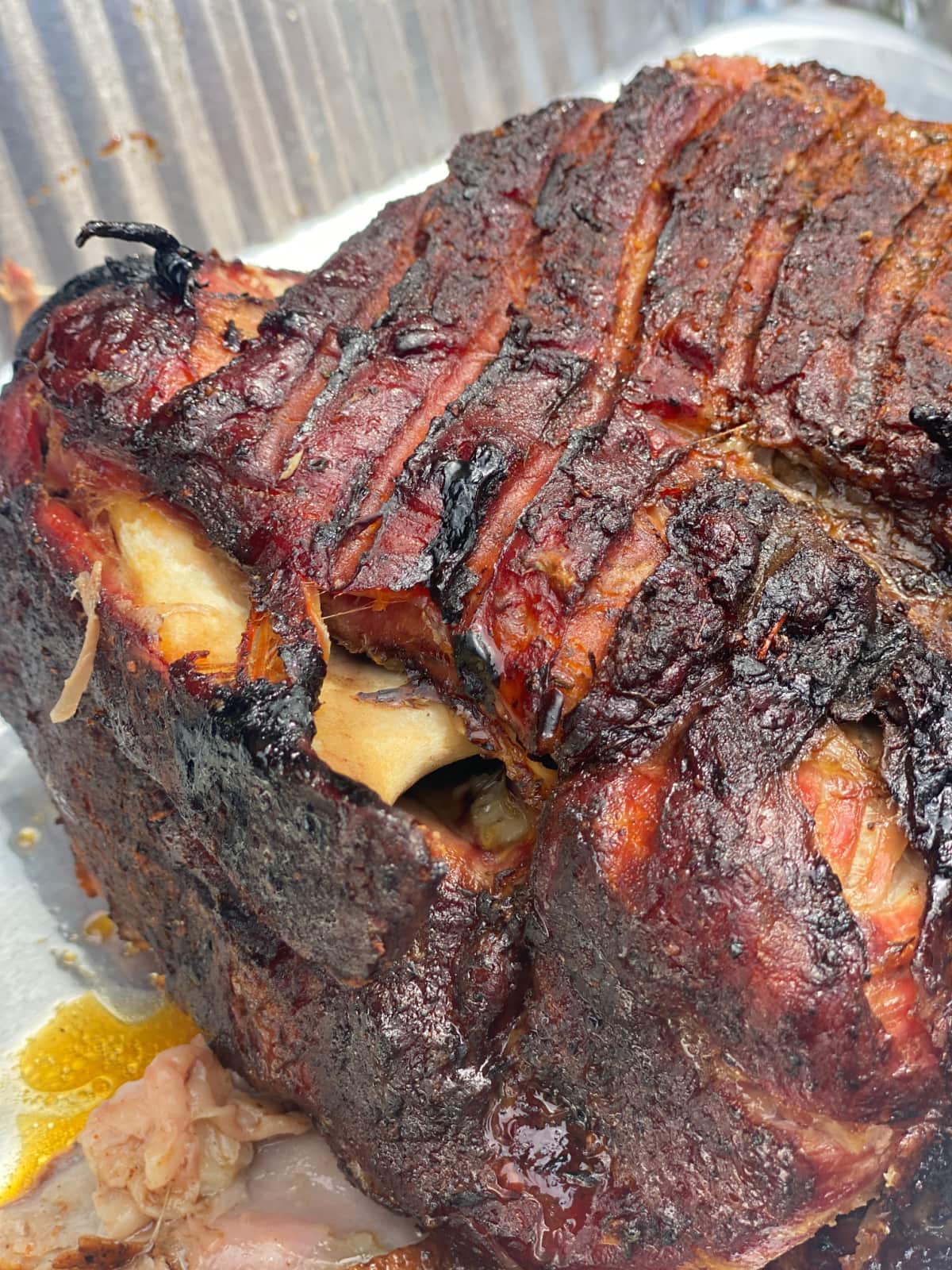
Monitoring the internal temperature with a reliable meat thermometer is absolutely essential. Wireless thermometers like those from ThermoPro or Meater allow you to track progress without opening the smoker, preserving precious heat and smoke. The final internal temperature of 200-205°F (93-96°C) ensures that the collagen has fully broken down, yielding that coveted melt-in-your-mouth texture.
Once the butt reaches the desired tenderness, it’s crucial to allow it to rest. This resting period, wrapped loosely in foil and perhaps an old towel in a cooler for 1-2 hours, allows the juices to redistribute throughout the meat, resulting in a more moist and flavorful product. Pulling the pork apart with forks or special shredding claws is the satisfying culmination of hours of effort, ready to be sauced or enjoyed plain, reflecting the varied regional preferences of barbecue.
A Culinary Journey Through America’s BBQ Capitals
Understanding the mechanics of smoking a Boston Butt is one thing; experiencing its myriad manifestations across the United States is another. For the dedicated foodie and lifestyle traveler, embarking on a barbecue pilgrimage is a rewarding way to engage with local culture, discover hidden gems, and savor the distinct flavors that define America’s culinary landscape. This is where the world of smoking a Boston Butt truly intersects with travel and tourism.
From the Vinegar Tang of the Carolinas to the Sweetness of Kansas City
The journey through American barbecue is a diverse one, with each major region boasting its unique style of pulled pork and accompanying sauces. These regional variations are not just recipes; they are historical narratives, cultural expressions, and compelling reasons for travel.
-
The Carolinas: When discussing pulled pork, The Carolinas are often considered its spiritual home.
- Eastern North Carolina is famous for its whole-hog barbecue, where an entire pig is smoked and chopped, often dressed with a thin, vinegar-based sauce. The focus here is on the pure pork flavor, enhanced by the sharp tang of vinegar and a hint of pepper. Visiting towns like Ayden or Greenville, NC offers a taste of this tradition.
- Lexington, North Carolina, on the other hand, specializes in pork shoulder (Boston Butt), often chopped or sliced and served with a vinegar-and-ketchup-based “dip” that’s slightly sweeter and thicker. The barbecue trails in North Carolina are popular itineraries for culinary tourists.
- South Carolina offers a wider array of sauces, including mustard-based (“Carolina Gold”), vinegar-and-pepper, and light tomato. Places like Charleston and Columbia blend historical charm with exceptional barbecue, exemplified by pitmasters like Rodney Scott at Rodney Scott’s BBQ in Charleston, famous for his whole hog tradition.
-
Kansas City: Moving west into the Midwest, Kansas City is synonymous with rich, sweet, and tangy tomato-and-molasses-based sauces. While known for its “burnt ends” (crispy, flavorful pieces from the point of a beef brisket), Kansas City also smokes excellent Boston Butts. Here, the pulled pork is often generously slathered in that iconic thick, sweet sauce. Visiting legendary establishments like Arthur Bryant’s Barbeque or Joe’s Kansas City Bar-B-Que is a landmark experience for any barbecue enthusiast, often drawing travelers specifically for the taste.
Exploring Texas BBQ: Beyond the Brisket
While Texas is internationally renowned for its smoked beef brisket, especially in Central Texas, it’s also a fantastic destination for pork barbecue, including Boston Butt. The approach here is often simpler, focusing on the quality of the meat and the subtle influence of wood smoke, typically post oak.
- Central Texas Style: In places like Austin and Lockhart, the emphasis is on dry-rubbed meats cooked over indirect heat, with minimal sauce, allowing the pure flavor of the beef or pork to shine. While brisket is king, many respected Texas barbecue joints, such as Franklin Barbecue in Austin, also offer exceptional pulled pork. The experience of waiting in line at these iconic establishments is part of the travel adventure itself, a testament to their legendary status.
- East Texas: This style often features more sauce, bridging the gap between Texas’s minimalist approach and the saucier traditions of the Southeast. The Boston Butt here is likely to be pulled and served with a sweeter, tomato-based sauce, sometimes with a heavier wood smoke influence.
Other notable regions for smoked Boston Butt include Memphis, Tennessee, which offers both “wet” (sauced during cooking) and “dry” (rubbed, no sauce) ribs and pulled pork, often served with a thin, vinegary sauce or a sweeter tomato-based one. The Memphis in May International Festival is a prime example of a tourism draw built around competitive barbecue. St. Louis, Missouri, also has its own distinct barbecue culture, often known for its spare ribs but also producing fantastic pulled pork with a sweet and tangy sauce. Each of these cities represents a landmark in the world of barbecue, offering unique experiences that appeal to the discerning traveler.
Finding the Best BBQ: A Traveler’s Guide
For those looking to embark on their own barbecue adventure, planning is key. Just like researching hotels or attractions, finding the best local BBQ requires a bit of homework.
- Follow the Locals: Ask locals for their favorite spots. The best barbecue often isn’t in tourist traps.
- Look for Smoke: A tell-tale sign of authentic barbecue is the presence of actual smokehouses or pits. The smell alone can guide you!
- Check Reviews and Guides: Websites and blogs dedicated to barbecue (like Texas Monthly’s BBQ Issue for Texas, or local food critics) are invaluable resources.
- Embrace the Dive: Many of the best barbecue joints are unassuming, no-frills establishments. Don’t be deterred by rustic decor; often, it’s a sign of a place focused purely on the food.
- Attend Festivals: Events like the American Royal World Series of Barbecue in Kansas City or smaller local competitions offer a chance to sample a wide array of styles and meet pitmasters. These festivals can be significant drivers for local tourism and accommodation bookings.
Crafting the Ultimate BBQ Experience: Lifestyle and Accommodation
Smoking a Boston Butt, whether at home or experienced on a culinary tour, is more than just cooking or eating; it’s a lifestyle choice. It’s about slow living, savoring moments, and creating memories. For travelers, this means seeking out accommodations and experiences that complement this relaxed, flavor-focused ethos.
Pairing Perfection: Sides, Sauces, and Local Brews
A perfectly smoked Boston Butt is the star, but it shines brightest with the right supporting cast. Sides and sauces are integral to the complete barbecue experience, often reflecting local agriculture and culinary traditions.
- Classic Sides: Southern staples like coleslaw (creamy or vinegar-based), baked beans, mac and cheese, cornbread, and potato salad are ubiquitous. In the Carolinas, hushpuppies often make an appearance.
- Regional Sauces: As discussed, the sauce can entirely define the regional style. Whether it’s a sweet, thick Kansas City sauce, a tangy vinegar Eastern Carolina sauce, a spicy Texas mop sauce, or the unique mustard-based “Carolina Gold,” the sauce is a critical component that enhances the pulled pork and connects it to its geographic origin.
- Beverage Pairings: To truly round out the lifestyle aspect, consider pairing your pulled pork with local craft beverages. Many barbecue regions boast thriving craft brewery scenes. A crisp lager or a malty amber ale can cut through the richness of the pork, while a dry cider offers a refreshing contrast. In the South, sweet tea or even a local bourbon can be perfect accompaniments, immersing you deeper into the regional culture. Exploring local breweries or distilleries can become a secondary attraction on a BBQ-themed trip, linking to food tourism and local experiences.
Choosing Your Base Camp: Accommodations for the BBQ Enthusiast
When planning a trip centered around barbecue, selecting the right accommodation can enhance the entire experience. It’s not just about a bed; it’s about finding a place that aligns with the relaxed, experiential nature of your culinary quest.
- Boutique Hotels: In cities like Charleston or Austin, charming boutique hotels offer personalized service and local character, often within walking distance or a short drive of acclaimed barbecue joints. Look for properties like The Spectator Hotel in Charleston or Hotel Saint Cecilia in Austin, which blend luxury with a strong sense of place.
- Vacation Rentals (Airbnb Luxe, Villas): For families or groups, a vacation rental with a full kitchen and outdoor space (perhaps even a grill!) can be ideal. Airbnb Luxe offers upscale options, while more rustic cabins or villas in areas like the Texas Hill Country provide an immersive experience close to nature and local smokehouses. This allows for DIY cooking if desired, perhaps even attempting your own Boston Butt in a portable smoker.
- Resorts with Culinary Programs: Some high-end resorts are now offering culinary classes or themed weekends, which might include barbecue masterclasses. Imagine learning pitmaster secrets from a seasoned chef while staying at a luxurious resort like The Cloister at Sea Island, Georgia, or a Grand Hyatt that hosts local culinary events. These experiences cater to both the comfort-seeker and the culinary adventurer.
- Budget-Friendly Stays: For the budget traveler, simple motels or guesthouses near major BBQ hubs still offer easy access to the culinary delights without breaking the bank. The focus remains on the food and the local experience rather than opulent amenities.
When booking, consider proximity to your target barbecue restaurants, ease of access to local markets (if you plan to cook), and amenities that complement a relaxed travel style. Many travelers now seek accommodation that offers more than just a place to sleep, but rather an extension of their travel experience, reflecting the lifestyle choices that often accompany a passion for food.
Beyond the Plate: Embracing the BBQ Lifestyle
Smoking a Boston Butt is more than a recipe; it’s a commitment to a process, a celebration of community, and an embrace of a slower pace of life. This lifestyle extends beyond the backyard grill, influencing travel choices and leisure activities.
For many, the pursuit of excellent barbecue leads to specific destinations, making it a form of specialized tourism. It’s about exploring the history embedded in each regional sauce, understanding the generational traditions passed down through pitmasters, and connecting with local communities through shared meals. Attending a Pitmaster Academy or a casual roadside smoke-off isn’t just a leisure activity; it’s a deep dive into local culture.
Whether you’re meticulously planning your next 14-hour smoke session at home or embarking on a cross-country journey to taste the nuanced differences between Memphis and Dallas barbecue, the Boston Butt stands as a symbol of culinary dedication. It teaches patience, rewards effort, and offers unparalleled deliciousness. So, the next time you ask, “How long do you smoke a Boston Butt?”, remember it’s not just a technical query, but an invitation to a world of rich flavors, storied traditions, and memorable travel experiences. Embrace the journey, savor the smoke, and enjoy every tender, flavorful bite.
LifeOutOfTheBox is a participant in the Amazon Services LLC Associates Program, an affiliate advertising program designed to provide a means for sites to earn advertising fees by advertising and linking to Amazon.com. Amazon, the Amazon logo, AmazonSupply, and the AmazonSupply logo are trademarks of Amazon.com, Inc. or its affiliates. As an Amazon Associate we earn affiliate commissions from qualifying purchases.