
Florida, the Sunshine State, is synonymous with sun-drenched beaches, vibrant theme parks, and a lifestyle that embraces the outdoors. However, for residents and visitors alike, a crucial element for comfort, especially during the sweltering summer months, is a reliable air conditioning unit. The question of longevity for these essential appliances is paramount, particularly given the state’s humid climate and the constant demands placed upon them. Understanding the lifespan of an AC unit in Florida isn’t just about predicting replacements; it’s about optimizing performance, minimizing unexpected costs, and ensuring uninterrupted comfort throughout your stay, whether you’re enjoying a luxurious vacation at a resort or settling into a long-term accommodation.
The typical lifespan of an air conditioning unit is often cited as being between 10 to 15 years. However, this is a general guideline, and the unique environmental conditions of Florida can significantly influence this figure. The relentless heat and humidity mean that AC units in this state are likely to work harder and more consistently than those in more temperate climates. This increased workload can, in some cases, lead to a slightly reduced lifespan, emphasizing the importance of proper maintenance and understanding the factors that contribute to wear and tear. Whether you’re planning a trip to the enchanting Walt Disney World Resort or considering a permanent move to the lively city of Miami, an understanding of AC unit longevity will be a valuable asset.
Factors Influencing AC Unit Lifespan in Florida
Several key elements directly impact how long an AC unit will effectively cool your space in the Sunshine State. These range from the initial installation and unit quality to the diligent care and attention it receives over its operational life. Understanding these contributing factors can empower homeowners and property managers to make informed decisions, extending the life of their systems and ensuring consistent comfort.
Installation Quality and Unit Selection
The foundation of a long-lasting AC unit begins with its installation. A poorly installed system, whether in a family home or a high-end suite at a place like the The Breakers Palm Beach, can lead to a host of problems that shorten its lifespan. This includes improper sizing of the unit for the space it needs to cool, incorrect refrigerant levels, or inadequate airflow. An undersized unit will struggle to reach the desired temperature, running constantly and experiencing premature wear. Conversely, an oversized unit will cycle on and off too frequently, leading to inefficient operation and increased stress on components.
Choosing the right type and brand of AC unit also plays a significant role. High-quality units from reputable manufacturers, designed to withstand demanding conditions, will generally outlast budget-friendly alternatives. When selecting an AC for a property in Florida, it’s crucial to consider units that are specifically built for humid environments and are known for their durability. For travelers considering long-term stay accommodations, the quality of the installed AC unit is a vital amenity to inquire about.
Environmental Conditions and Usage Patterns
Florida’s climate is the most significant external factor affecting AC lifespan. The prolonged periods of high temperatures and humidity force AC units to operate almost continuously for much of the year. This constant running generates more heat within the unit itself and puts consistent strain on the compressor, fan motor, and other vital parts. Dust, salt from coastal air, and pollen can also clog filters and coils, forcing the unit to work harder to draw air, further exacerbating wear.
The way an AC unit is used also dictates its longevity. Setting the thermostat to extremely low temperatures can push the unit beyond its optimal operating range. Frequent and drastic temperature adjustments also cause more wear than maintaining a consistent, moderate temperature. For example, a unit in a beachside property in Clearwater might face additional challenges from salt corrosion compared to one located inland. Understanding these environmental and usage patterns is key to proactive AC care.
Regular Maintenance and Professional Servicing
Perhaps the most controllable factor in extending an AC unit’s life is regular, diligent maintenance. This includes simple tasks that homeowners can perform themselves and more complex servicing best left to professionals.
Routine Homeowner Maintenance
- Filter Replacement: This is arguably the most critical and easiest maintenance task. Dirty air filters restrict airflow, causing the AC to work harder, increasing energy consumption, and potentially leading to overheating and component failure. In Florida, where dust and pollen can be abundant, filters should be checked and replaced or cleaned every 1-3 months, depending on usage and local conditions. A clean filter ensures optimal airflow and reduces strain on the system.
- Coil Cleaning: The evaporator and condenser coils are responsible for heat exchange. If they become dirty or corroded, their efficiency drops significantly. Outdoor condenser coils in Florida are particularly susceptible to debris, salt spray, and plant growth. Regularly rinsing the outdoor unit with a hose (after turning off the power) can remove surface dirt. Indoor evaporator coils, often found in the air handler, can accumulate dust and mold, impacting air quality and cooling efficiency.
- Drain Line Clearing: The AC unit removes moisture from the air, and this condensation drains away through a condensate line. If this line becomes clogged with algae or debris, water can back up, potentially causing water damage and signaling the AC to shut down to prevent further issues. Pouring a mixture of vinegar and water down the drain line can help keep it clear.
Professional Servicing and Tune-Ups
Beyond homeowner tasks, professional HVAC technicians play a vital role in AC unit longevity, especially in demanding climates like Florida. Annual or bi-annual professional tune-ups are highly recommended. These tune-ups typically include:
- Refrigerant Level Check: Ensuring the correct refrigerant charge is crucial for efficient cooling and preventing compressor damage. Low refrigerant can cause the compressor to overheat.
- Electrical Component Inspection: Technicians will check wiring, capacitors, and contactors for signs of wear or damage, addressing potential issues before they lead to a breakdown.
- Lubrication of Moving Parts: Motors and bearings that are properly lubricated run more smoothly and experience less friction and wear.
- Ductwork Inspection: Leaky or poorly insulated ductwork can lead to significant energy loss and strain the AC unit as it tries to compensate for the lost cool air. Professionals can identify and repair these issues.
- Thermostat Calibration: Ensuring the thermostat is accurately reading the temperature and communicating effectively with the AC unit is important for optimal performance and energy savings.

For properties in tourist hotspots like Orlando or along the coast near St. Petersburg, where AC units are under constant use, a professional tune-up before the peak season can prevent costly emergency repairs and extend the system’s operational life.
Signs of Aging and When to Consider Replacement
Even with meticulous care, all mechanical systems eventually reach the end of their service life. Recognizing the signs that your AC unit is aging is crucial to avoid unexpected failures, particularly during the hottest periods in Florida. Proactive replacement can also lead to significant energy savings, as older units are often less efficient than newer models.
Common Indicators of an Aging AC Unit
- Increased Energy Bills: If you notice a significant and unexplained increase in your electricity consumption and costs, especially during peak cooling months, your AC unit may be struggling to maintain efficiency. Older units often have lower SEER (Seasonal Energy Efficiency Ratio) ratings, meaning they use more energy to produce the same amount of cooling as newer, more efficient models.
- Frequent Breakdowns and Repairs: A unit that requires more frequent service calls and repairs is a clear sign of impending failure. If you find yourself calling a technician multiple times a year for the same or different issues, it might be more cost-effective in the long run to invest in a new unit. The cost of repeated repairs can quickly add up and often exceeds the depreciation of a new system.
- Inconsistent Cooling and Uneven Temperatures: If certain rooms in your home or vacation rental remain warmer than others, or if the AC struggles to maintain the set temperature, it could indicate failing components or a system that is no longer adequately sized for the space. This is particularly noticeable in larger properties or those with complex layouts, common in places like Tampa.
- Unusual Noises: Grinding, squealing, or banging sounds emanating from your AC unit are not normal and often signal that internal parts are worn out or failing. These noises are the system’s way of communicating distress.
- Age of the Unit: As mentioned, a general rule of thumb is that AC units typically last 10-15 years. If your unit is approaching or has surpassed this age, even if it seems to be functioning, its efficiency is likely declining, and the risk of a major breakdown increases significantly. For a property in Florida, considering the strenuous usage, leaning towards the lower end of this range for potential replacement is wise.
Making the Decision to Replace
When multiple of these signs are present, it’s time to seriously consider replacing your AC unit. Several factors should influence this decision:
- Cost of Repairs vs. Replacement: Obtain quotes for major repairs. If the cost of a repair is a significant percentage (e.g., 50% or more) of the cost of a new, more energy-efficient unit, replacement is usually the more economical choice.
- Energy Efficiency: Newer AC units boast much higher SEER ratings, leading to substantial savings on your electricity bills. In a state like Florida, where AC usage is high, these savings can quickly offset the initial investment. Look for ENERGY STAR® certified models.
- Reliability and Peace of Mind: Especially for homeowners or property managers who rely on their AC for comfort or to attract renters, the peace of mind that comes with a new, reliable system is invaluable. Imagine the inconvenience of an AC failure during a heatwave while guests are staying at your villa in Naples.
- Technological Advancements: Modern AC units offer features like smart thermostat compatibility, variable-speed technology for quieter operation and better humidity control, and enhanced air filtration, which can significantly improve indoor comfort and air quality.
Considering a replacement before a complete breakdown is often the best strategy. This allows for more time to research different models, obtain multiple quotes from reputable HVAC contractors, and schedule the installation at a convenient time, rather than in the middle of a record-breaking heatwave. For those managing vacation rental properties or hotels in areas like the Florida Keys, ensuring continuous guest comfort through timely AC replacement is a critical aspect of maintaining high ratings and repeat bookings.
Maximizing AC Lifespan Through Smart Practices
Beyond regular maintenance, adopting smart practices in how you use your AC unit and manage your home’s cooling can contribute significantly to its longevity. These practices often align with energy conservation and can lead to cost savings, making them beneficial for both your wallet and your AC’s health.
Optimizing Thermostat Settings and Usage
The way you interact with your thermostat has a direct impact on your AC’s workload.
- Maintain Consistent Temperatures: Avoid setting your thermostat to extremely low temperatures. Instead, aim for a comfortable yet energy-efficient setting, typically between 75-78°F (24-26°C) when you are home. Each degree lower can increase energy consumption by 3-5%.
- Utilize Programmable or Smart Thermostats: These devices allow you to set schedules that automatically adjust the temperature when you are away or asleep. For instance, you can program the AC to run less intensely during the hottest parts of the day if the property is unoccupied. Smart thermostats can even learn your habits and optimize settings for maximum efficiency and comfort. This is particularly useful for managing vacation rentals that experience fluctuating occupancy rates.
- Minimize Direct Sunlight: During peak sun hours, close blinds, curtains, and shutters to prevent solar heat gain. This reduces the cooling load on your AC unit. This is especially relevant for south-facing windows common in many Florida homes and hotels.
- Limit Heat-Generating Activities: During the hottest parts of the day, try to use heat-generating appliances like ovens and dryers during cooler hours or use outdoor grills. Running these appliances indoors adds to the ambient heat that your AC must then combat.
Improving Home Insulation and Airflow
The efficiency and lifespan of your AC unit are also influenced by your home’s ability to retain cool air.
- Check and Improve Insulation: Proper insulation in attics, walls, and crawl spaces is crucial for preventing cool air from escaping and hot air from entering. In the hot Florida climate, adequate insulation can significantly reduce the amount of work your AC has to do.
- Seal Air Leaks: Inspect windows, doors, and any penetrations in your walls for air leaks. Use caulk and weatherstripping to seal these gaps. Even small leaks can lead to substantial energy loss and increased AC strain.
- Ensure Proper Ventilation: While sealing is important, ensure your home also has adequate ventilation to prevent moisture buildup, which can contribute to mold and mildew, and further stress the AC. Using exhaust fans in bathrooms and kitchens can help remove excess humidity.
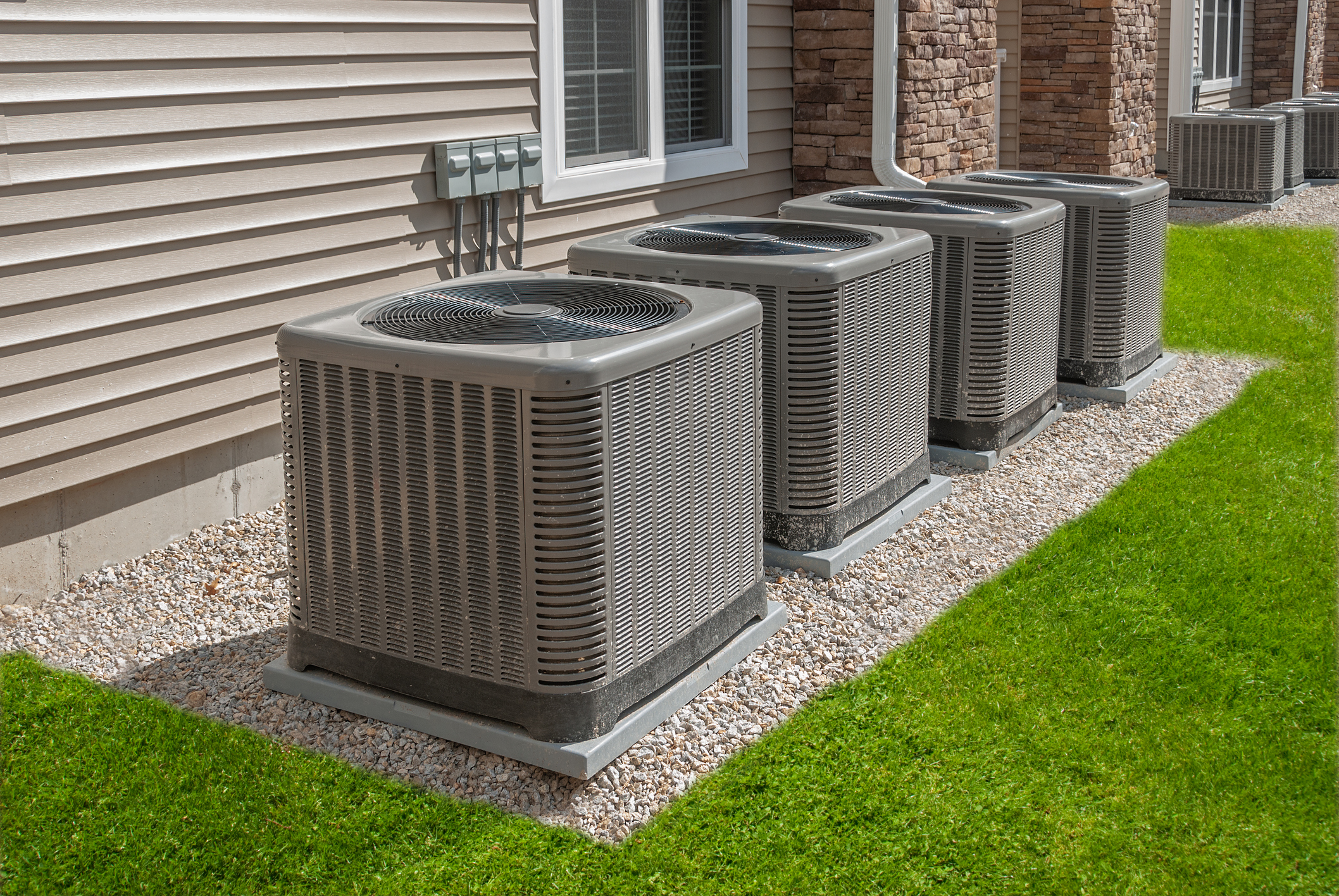
- Maintain Clear Airflow Around the Outdoor Unit: The outdoor condenser unit needs unobstructed airflow to dissipate heat effectively. Ensure that shrubs, fences, or other obstructions are not blocking the unit, allowing for at least 2 feet of clearance around it. Keeping the area around the unit free of leaves and debris also aids in its efficiency and longevity.
By combining diligent maintenance with these smart operational and home management practices, you can significantly extend the life of your AC unit in Florida, ensuring a comfortable and cost-effective environment, whether you are enjoying the beaches of Clearwater, the theme parks of Orlando, or exploring the cultural richness of Miami. The investment in your AC system is an investment in your comfort and your property’s value.