
Navigating the complexities of property ownership and tenancy in the Sunshine State can sometimes lead to challenging situations, and for landlords, one of the most significant is the eviction process. When a tenant fails to meet their obligations, a landlord in Florida may need to initiate legal proceedings to regain possession of their property. The question that inevitably arises is: “How long does an eviction take in Florida?” While there’s no single, definitive answer, understanding the various stages, potential delays, and influencing factors can provide clarity and set realistic expectations. This comprehensive guide will delve into the typical timeline of a Florida eviction, broken down into its crucial components, from the initial notice to the final writ of possession.

The eviction process in Florida is governed by strict legal statutes, primarily Chapter 83 of the Florida Statutes. This legal framework aims to balance the rights of property owners with the protections afforded to tenants. While the process is designed to be efficient, it can be influenced by a multitude of variables, including the specific grounds for eviction, the court’s caseload, and whether the tenant contests the proceedings. For landlords considering this path, preparation and a thorough understanding of the legal requirements are paramount.
Understanding the Eviction Process in Florida: A Step-by-Step Timeline
The journey of an eviction in Florida is not a single event but a series of distinct steps, each with its own timeframe. Understanding these stages is key to grasping the overall duration.
Initiating the Eviction: The Notice to the Tenant
The first formal step in any Florida eviction is serving the tenant with a written notice. The type of notice required depends on the reason for the eviction.
For Non-Payment of Rent
If the eviction is due to the tenant’s failure to pay rent, the landlord must provide a “Three-Day Notice to Pay Rent or Vacate.” This notice informs the tenant that they have three business days to either pay the overdue rent in full or move out of the property. It’s crucial that this notice is meticulously prepared, containing all the legally required information, including the exact amount of rent due, the date rent was due, and the landlord’s contact information for payment. Any errors in the notice can render it invalid, forcing the landlord to start the process over.
The three-day period excludes weekends and legal holidays. For instance, if the notice is served on a Friday, the three days would typically begin on the following Monday.
For Lease Violations (Other Than Non-Payment)
If the tenant has violated other terms of the lease agreement – such as unauthorized pets, property damage, or illegal activity – the landlord must serve a “Seven-Day Notice to Cure or Vacate.” This notice gives the tenant seven days to correct the violation. If the tenant fails to cure the violation within the seven days and does not vacate, the landlord can then proceed with filing an eviction lawsuit.
For Termination of Tenancy (Month-to-Month)
For month-to-month tenancies, Florida law requires specific notice periods for termination. If the landlord wishes to end the tenancy, they must provide at least 15 days’ written notice prior to the end of the monthly rental period. Similarly, if the tenant wishes to terminate a month-to-month lease, they must provide 15 days’ written notice to the landlord.
Crucially, the service of these notices must be done correctly. Florida law outlines acceptable methods of service, which typically include personal delivery to the tenant, leaving a copy with a resident at the premises if the tenant is absent, or posting a copy on the door if neither personal delivery nor delivery to a resident is possible, followed by mailing a copy via first-class mail. Improper service can lead to significant delays, as a tenant can raise this as a defense in court.
Once the notice period expires and the tenant has neither paid rent, cured the violation, nor vacated, the landlord can then file an eviction lawsuit, also known as an unlawful detainer action, in the appropriate Florida county court.
Filing the Lawsuit and Serving the Tenant
After the notice period has expired without resolution, the landlord’s attorney will file a Complaint for Eviction with the court. This complaint formally outlines the reasons for the eviction and requests the court’s intervention. Simultaneously, the tenant must be officially served with a Summons and a copy of the Complaint.
The Summons informs the tenant that a lawsuit has been filed against them and outlines the timeframe within which they must respond to the court. In Florida, tenants typically have five business days from the date of service to file a response, known as an Answer, with the court.
This five-day response period is a critical juncture. If the tenant fails to respond within this timeframe, the landlord can file a Motion for Default, which, if granted, can lead to a default judgment for possession. This is often the quickest path to eviction.
The Tenant’s Response: An Answer and Potential Defenses
If the tenant does file an Answer within the five-day period, the eviction process becomes more complex and potentially longer. In their Answer, the tenant can raise various legal defenses. For non-payment of rent cases, common defenses include:
- Improper Notice: The tenant may argue that the Three-Day Notice was defective or not served correctly.
- Rent Abatement: The tenant might claim that the landlord failed to maintain the property in habitable condition, thereby entitling them to withhold rent or seek rent abatement. This would require evidence of significant habitability issues that the landlord failed to address.
- Payment: The tenant may assert that they did pay the rent, and the landlord is incorrectly claiming it is due. This would require proof of payment.
If the tenant raises a defense, the case will proceed towards a hearing or a trial.
The Court Process: Hearings and Potential Delays
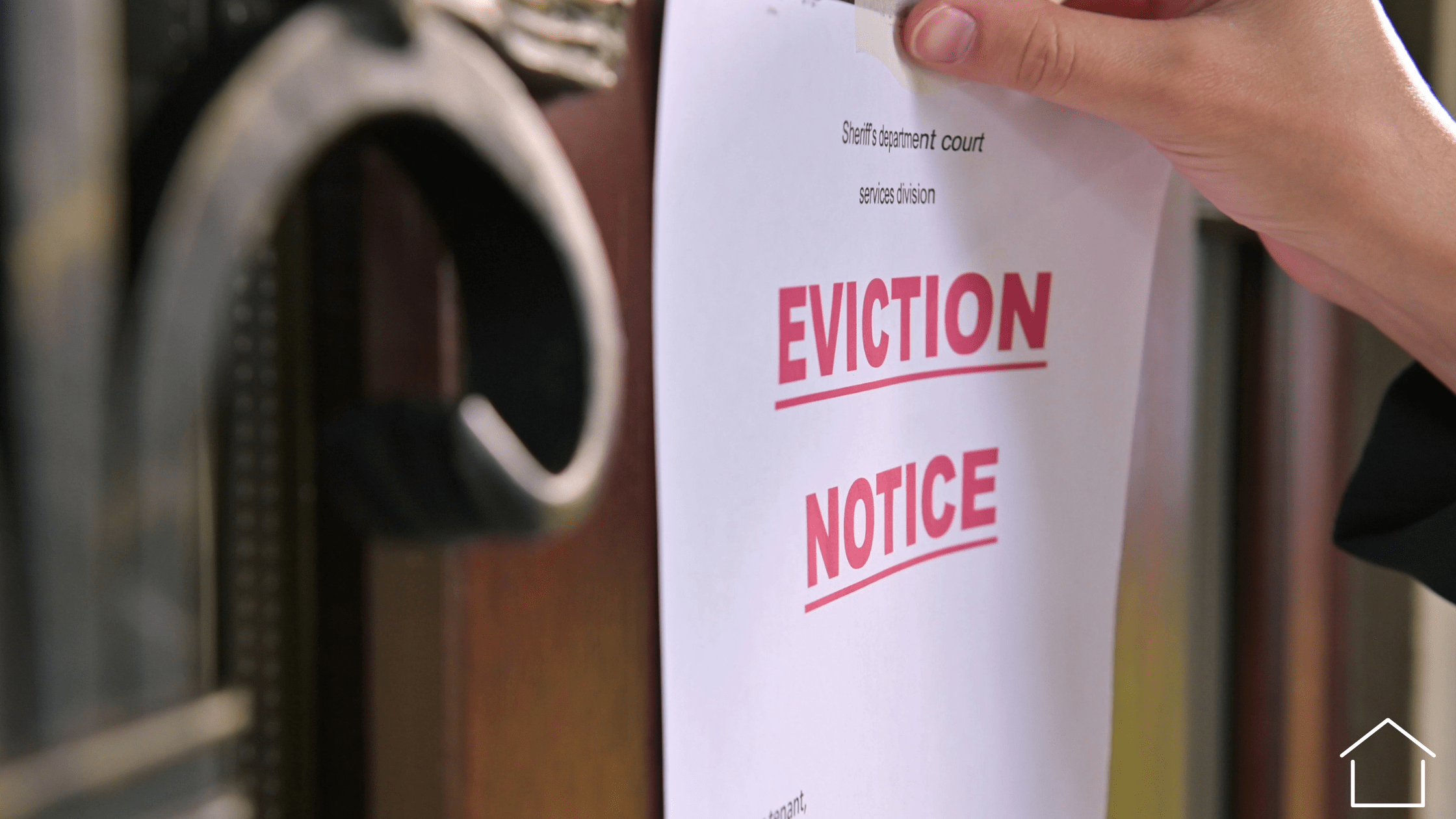
If the tenant files an Answer, the court will schedule a hearing. The duration until this hearing can vary significantly depending on the court’s backlog and the complexity of the tenant’s defenses. In busy courts, it might take several weeks or even months for a hearing to be scheduled.
Default Judgments vs. Contested Evictions
-
Default Judgments: As mentioned, if the tenant fails to respond within the five business days, the landlord can seek a default judgment. This is generally the fastest way to obtain possession. Once the default is entered, the judge will typically issue a Final Judgment for Possession. The writ of possession is then issued to the Sheriff.
-
Contested Evictions: If the tenant files an Answer and raises defenses, the case becomes contested. The landlord will likely need to present evidence to support their claims, and the tenant will present their defenses. This often involves discovery, where both parties exchange information and potentially depose witnesses. The court may schedule mediation, a hearing on specific motions, or a full trial. The timeline for contested evictions is inherently unpredictable and can extend for months, especially if appeals are filed or if the case involves complex legal arguments.
The Sheriff’s Role: Writ of Possession and Final Eviction
Once a Final Judgment for Possession is entered by the court (either through default or after a hearing/trial), the judge will issue a Writ of Possession. This is a court order directing the county Sheriff’s office to remove the tenant from the property.
The Sheriff’s office will then schedule a date and time to execute the writ. The tenant is typically given a grace period of at least 24 hours’ notice by the Sheriff before they physically remove the tenant and their belongings. The Sheriff will oversee the physical eviction, ensuring it is done lawfully.
The time from the issuance of the Writ of Possession to the actual physical eviction by the Sheriff can range from a few days to a couple of weeks, again depending on the Sheriff’s workload and scheduling.
Factors Influencing the Duration of a Florida Eviction
Several factors can significantly impact how long an eviction takes in Florida:
1. Grounds for Eviction
- Non-Payment of Rent: These are generally the quickest evictions because the legal grounds are straightforward. If the tenant does not pay within three days and does not respond to the lawsuit, a default judgment is often the outcome.
- Lease Violations: Evictions based on lease violations can sometimes be more complex, especially if the violation is subjective or if the tenant disputes the extent of the violation.
- End of Lease Term: While not strictly an “eviction” in the same sense as non-payment, ending a fixed-term lease without cause usually requires proper notice as per the lease agreement and Florida law. If the tenant refuses to leave, an eviction lawsuit will be necessary.
2. Tenant’s Actions and Cooperation
- Tenant Responds vs. No Response: This is the most significant factor. A tenant who ignores the process and allows a default judgment to be entered will result in a much faster eviction than a tenant who actively contests the proceedings.
- Tenant’s Legal Representation: A tenant with legal representation may navigate the legal system more effectively, potentially drawing out the process by filing motions or defenses.
- Tenant’s Understanding of Rights: Tenants who are aware of their rights and legal defenses may be more inclined to challenge an eviction.
3. Court Caseload and Efficiency
- County Court Backlogs: The volume of cases in a particular county court can directly affect how quickly hearings are scheduled and how promptly judgments are issued. Busy metropolitan areas might experience longer waits than smaller, less populated counties.
- Judge’s Availability: The availability of judges to hear eviction cases also plays a role.
4. Accuracy and Completeness of Landlord’s Documentation
- Proper Notices: As emphasized earlier, any errors in the initial notices, the lease agreement, or the court filings can lead to dismissals and force the landlord to restart the process, adding significant time.
- Clear Record-Keeping: Having clear, well-organized documentation of rent payments, lease violations, and all communications with the tenant is essential.
5. Landlord’s Attorney’s Expertise
An experienced Florida landlord-tenant attorney can navigate the legal intricacies efficiently, identify potential pitfalls, and ensure all paperwork is filed correctly and on time. This expertise can often shorten the overall eviction timeline by preventing costly mistakes.

Realistic Timelines: What to Expect in Florida
Given the variables, providing an exact timeframe is impossible, but we can offer realistic expectations:
- Fastest Scenario (Uncontested Eviction): In an ideal scenario where the tenant does not respond to the lawsuit, a landlord could potentially see an eviction completed in as little as 3 to 5 weeks. This assumes the tenant fails to pay rent after the Three-Day Notice, does not respond to the Summons and Complaint, and the court promptly enters a default judgment and issues a Writ of Possession.
- Average Scenario (Slight Delays, Minimal Contestation): A more typical eviction where the tenant might file a basic response but doesn’t have strong legal defenses could take anywhere from 6 weeks to 3 months. This includes time for the court to schedule initial hearings, issue judgments, and for the Sheriff to execute the writ.
- Longest Scenario (Contested Eviction): If the tenant actively contests the eviction, files multiple motions, presents significant defenses, or appeals the court’s decision, the process can drag on for 4 to 6 months or even longer. Some highly contested cases can extend for over a year.
It is also important to note that landlords should not attempt to forcibly remove a tenant themselves. This is illegal in Florida and can result in severe penalties. The only legal way to regain possession is through the court-ordered eviction process.
For property owners, whether they are managing a single-family home near Miami Beach, a condo in Orlando, or a multi-unit dwelling in Tampa, understanding these timelines and the legal framework is crucial for effective property management. While the process can be frustrating, adhering to the legal procedures in Florida is the most reliable way to achieve a successful and lawful eviction. Seeking professional legal counsel from a Florida attorney specializing in landlord-tenant law is highly recommended to ensure the process is handled correctly and efficiently. This proactive approach can save time, money, and significant stress.