
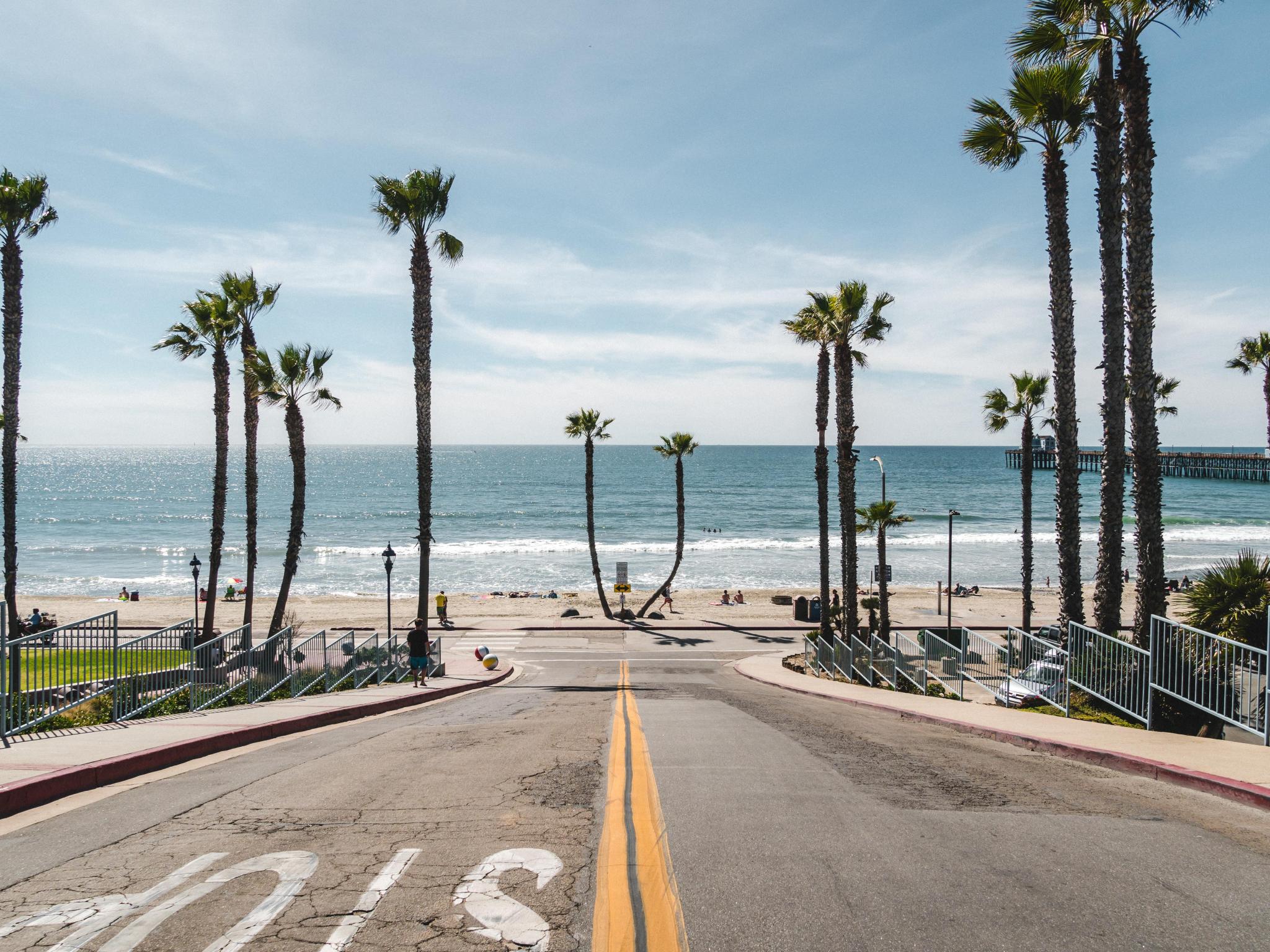
The allure of California is undeniable. From the sun-drenched beaches of Southern California to the majestic redwoods of the north, the Golden State offers an unparalleled diversity of experiences. Whether you’re dreaming of theme park thrills in Anaheim, exploring the vibrant culture of Los Angeles, marveling at the iconic Golden Gate Bridge in San Francisco, or venturing into the natural wonders of Yosemite National Park, the question of “how long does it take to get to California?” is a crucial one for any traveler. The answer, however, is far from simple and hinges on a multitude of factors, primarily your starting point and your chosen mode of transportation.
The Journey: Factors Influencing Travel Time to California
When planning your adventure to California, understanding the key variables that dictate your travel duration is paramount. These elements, ranging from geographical distance to logistical considerations, will shape your entire journey and impact your overall experience.
Determining Your Departure Point
The most significant factor influencing how long it takes to reach California is your point of origin. This is self-evident, but its implications are vast.
Domestic Travel from Within the United States
For those embarking on a journey from other parts of the United States, the travel time can vary dramatically.
-
From the East Coast (e.g., New York City):
- By Air: This is by far the most common and efficient method. Direct flights from major East Coast hubs like New York City, Boston, or Miami to cities such as Los Angeles, San Francisco, or San Diego typically take around 5 to 6 hours of flight time. Factor in an additional 2-3 hours for airport procedures (check-in, security, boarding) and deplaning, bringing the total door-to-door travel time to approximately 7-9 hours.
- By Car: A road trip from the East Coast to California is an epic undertaking. Driving across the country is a journey of at least 40 to 50 hours of pure driving time. This usually translates to a minimum of 4 to 5 days of travel, assuming 10-12 hours of driving each day. Popular routes often involve I-80, I-70, or I-40, with opportunities to stop at various landmarks and cities along the way, such as the Grand Canyon National Park or Denver.
- By Train: Amtrak offers cross-country routes, but this is the slowest option. A journey from New York City to Los Angeles can take anywhere from 3 to 4 days, with multiple transfers. While scenic, it’s a commitment for those with ample time and a desire for a more relaxed travel experience.
-
From the Midwest (e.g., Chicago):
- By Air: Flights from Chicago to California are shorter, typically around 3.5 to 4.5 hours of flight time. Including airport time, expect a total travel duration of 6 to 7 hours.
- By Car: Driving from Chicago to California is a significant road trip, requiring approximately 30 to 40 hours of driving. This translates to 3 to 4 days of travel.
- By Train: An Amtrak journey from Chicago to California typically takes around 2 to 3 days.
-
From the Pacific Northwest (e.g., Seattle):
- By Air: Flights from Seattle to California are the shortest domestic flights, often under 2 hours. With airport procedures, total travel time is usually around 3 to 4 hours.
- By Car: Driving from Seattle to Northern California (like San Francisco) takes approximately 12 to 14 hours of driving time, manageable in 1 to 2 days. Traveling further south to Los Angeles would add several more hours.
- By Train: Amtrak routes from Seattle to California offer a more leisurely pace, usually taking between 24 to 30 hours.
International Travel to California
For travelers arriving from abroad, the journey to California will naturally be longer and more complex.
-
From Europe (e.g., London):
- By Air: Direct flights from major European cities like London, Paris, or Frankfurt to Los Angeles or San Francisco typically last between 10 to 11 hours. Including airport time, expect a total travel duration of 13 to 15 hours. Flights with layovers will, of course, significantly increase this time.
- Other Modes: Travel by sea or land from Europe to California is extremely rare for typical tourists due to the immense distances and logistical challenges, primarily undertaken for relocation or specialized voyages.
-
From Asia (e.g., Tokyo):
- By Air: Flights from Asian hubs like Tokyo, Seoul, or Shanghai to California are among the longest direct routes, often ranging from 9 to 12 hours of flight time, depending on the specific cities. Total travel time, including airport procedures, can be between 12 to 15 hours.
-
From Australia (e.g., Sydney):
- By Air: Direct flights from Sydney to Los Angeles are approximately 14 to 15 hours long. Including airport processes, the total travel time is usually around 17 to 19 hours. This is due to the vast Pacific Ocean separating the two continents.
Choosing Your Mode of Transportation
The method you choose to reach California is as impactful as your starting point. Each mode offers a different balance of speed, cost, and experience.
Flying: The Fastest Route
Air travel is the undisputed champion for speed when it comes to traversing long distances to California. Major international and domestic airports across the state, including Los Angeles International Airport (LAX), San Francisco International Airport (SFO), and San Diego International Airport (SAN), serve as gateways for millions of visitors annually.
- Direct Flights: These offer the most straightforward and quickest option, minimizing travel time.
- Flights with Layover: While often cheaper, layovers can significantly extend your journey, adding hours or even a full day to your trip, especially for international travel. The length of the layover and the location of the connecting airport are critical factors.
Driving: The Scenic Expedition
For those who prefer the freedom of the open road, driving to California is an adventure in itself. It allows for flexibility, spontaneous detours, and the opportunity to witness the diverse landscapes of the United States.
- Route Planning: Choosing the most efficient or most scenic route will impact your driving time. Major interstates like I-80, I-70, I-40, and I-10 are common pathways.
- Daily Driving Limits: The number of hours you drive each day will determine the overall duration. Pushing for 12-14 hours can shorten the trip but might be exhausting. More leisurely drives of 8-10 hours will extend the journey but allow for more sightseeing.
- Vehicle Type and Condition: The type of vehicle and its reliability can also play a minor role, though modern vehicles are generally dependable.

Train Travel: A Nostalgic Journey
Train travel, primarily through Amtrak in the United States, offers a unique perspective on the country. It’s a slower, more relaxed way to travel, often accompanied by stunning vistas that are missed from the air or even the highway.
- Route and Connections: California is served by several Amtrak routes, often requiring transfers. The specific route taken will dictate the travel time.
- Onboard Amenities: While not affecting travel time directly, the availability of sleeper cars, dining cars, and observation cars can make the extended journey more comfortable and enjoyable.
Additional Factors Affecting Travel Time
Beyond your origin and chosen transport, other elements can influence the total time it takes to reach California.
- Time of Year and Season: Traveling during peak seasons (summer, holidays) can mean busier airports and more crowded roads, potentially leading to slight delays. Conversely, planning during off-peak times might offer smoother travel.
- Weather Conditions: Severe weather, particularly during winter months, can cause flight cancellations, delays, or road closures, significantly impacting travel times.
- Visa and Immigration Procedures: For international travelers, the time spent at immigration and customs upon arrival in the United States can add to the overall journey duration.
Exploring California: The Duration of Your Stay
Once you’ve navigated the journey to California, the next consideration is how long you’ll spend immersing yourself in its diverse attractions. The ideal length of stay depends entirely on your interests and the scope of your exploration.
Short Stays: A Glimpse of the Golden State
For travelers with limited time, even a few days can offer a memorable introduction to California.
- Weekend Getaway: A long weekend (3-4 days) is perfect for focusing on a single major city or a specific region. For instance, you could explore the highlights of San Francisco, including visiting the Alcatraz Island and walking across the Golden Gate Bridge, or dedicate your time to theme park fun in Anaheim and the beaches of Orange County.
- Focused Exploration: A 5-7 day trip allows for a slightly broader experience. You could combine a visit to Los Angeles with a day trip to nearby attractions like Universal Studios Hollywood or a drive along the stunning coast to Malibu. Alternatively, a week could be spent exploring the natural wonders of Yosemite National Park and the surrounding Sierra Nevada mountains.
Medium Stays: Deeper Immersion
A week to ten days provides a more comprehensive experience, allowing for a deeper dive into California’s varied offerings.
- City and Nature Combos: This duration is ideal for experiencing the contrast between urban excitement and natural beauty. You could spend 3-4 days in San Francisco, followed by 4-5 days exploring the wine regions of Napa Valley and Sonoma County, or venture inland to witness the geological marvels of Yosemite National Park.
- Southern California Focus: A 7-10 day trip allows for a thorough exploration of Southern California. This could include experiencing the entertainment hubs of Los Angeles and Hollywood, the theme park capital of Anaheim, the beaches of San Diego, and potentially a scenic drive down the iconic Pacific Coast Highway.
Extended Stays: The Ultimate Californian Adventure
For those with ample time and a desire to truly soak in the Californian lifestyle, an extended stay of two weeks or more is highly recommended.
- Cross-State Exploration: Two weeks or more allows for a comprehensive journey across the entire state. You could begin in the north, exploring the redwood forests and charming coastal towns, then travel south to experience the cities, national parks like Joshua Tree National Park, and the sun-kissed beaches. This is the perfect timeframe for a leisurely road trip along the Pacific Coast Highway, stopping at iconic locations like Big Sur.
- Deep Dive into Specific Regions: You might choose to dedicate extended time to a particular interest, such as exploring every corner of Los Angeles, delving into the art, culinary, and cultural scenes, or spending a week hiking and stargazing in the national parks of the Sierra Nevada. Long-term stays are also ideal for those looking for accommodation options like apartments or villas for a more immersive, local experience.
Planning Your California Trip: Tips for Efficient Travel
To ensure your journey to and within California is as smooth and enjoyable as possible, consider these planning tips.
Booking and Logistics
- Book Flights and Accommodation in Advance: Especially for peak travel times, securing your flights and preferred hotels or accommodation well in advance can save money and guarantee availability. Look for deals on sites that compare booking options.
- Consider Travel Packages: Sometimes, bundled deals for flights and hotels can offer cost savings and simplify the planning process.
- Transportation Within California: Decide on your in-state transportation. Renting a car offers the most flexibility, especially for exploring national parks and scenic routes. However, major cities like San Francisco and Los Angeles have extensive public transportation systems, and ride-sharing services are widely available.

Making the Most of Your Time
- Prioritize Your Interests: California is vast and diverse. Decide what you most want to see and do, and tailor your itinerary accordingly. Trying to see everything in a short period will lead to a rushed and less enjoyable trip.
- Factor in Travel Between Locations: Remember that California is a large state. Driving between major cities can take several hours. Account for this travel time when planning your daily activities. For example, a day trip from Los Angeles to San Diego is a significant time commitment.
- Embrace the Local Culture and Cuisine: Don’t just tick off landmarks. Take time to explore local neighborhoods, sample diverse cuisines, and engage with the local culture. This is where many of the most memorable experiences are found. Whether it’s enjoying fresh seafood in San Diego, exploring the farmers’ markets in Northern California, or indulging in fine dining in Los Angeles, the culinary scene is a major draw.
Ultimately, the answer to “How long does it take to go to California?” is a personal one. It depends on your unique travel style, your budget, and your desired level of exploration. By carefully considering your starting point, mode of transport, and the length of your intended stay, you can craft an unforgettable journey to the diverse and captivating Golden State. Whether you arrive in a whirlwind of jet engines or traverse the country at a more leisurely pace, the magic of California awaits.
LifeOutOfTheBox is a participant in the Amazon Services LLC Associates Program, an affiliate advertising program designed to provide a means for sites to earn advertising fees by advertising and linking to Amazon.com. Amazon, the Amazon logo, AmazonSupply, and the AmazonSupply logo are trademarks of Amazon.com, Inc. or its affiliates. As an Amazon Associate we earn affiliate commissions from qualifying purchases.