
The aroma of wood smoke, the anticipation of tender, pulled pork, and the promise of a culinary masterpiece – these are the hallmarks of smoking a Boston Butt. For many, it’s more than just cooking; it’s an experience, a journey, and a testament to the “low and slow” philosophy that defines authentic American barbecue. Just as a meticulously planned travel itinerary promises unforgettable memories, the precise timing and technique involved in smoking a Boston butt ensure a delectable outcome. The question, “How long does it take to smoke a Boston butt?” isn’t merely about a duration; it’s about understanding the craft, the variables, and the patience required to transform a humble cut of pork into a succulent feast.
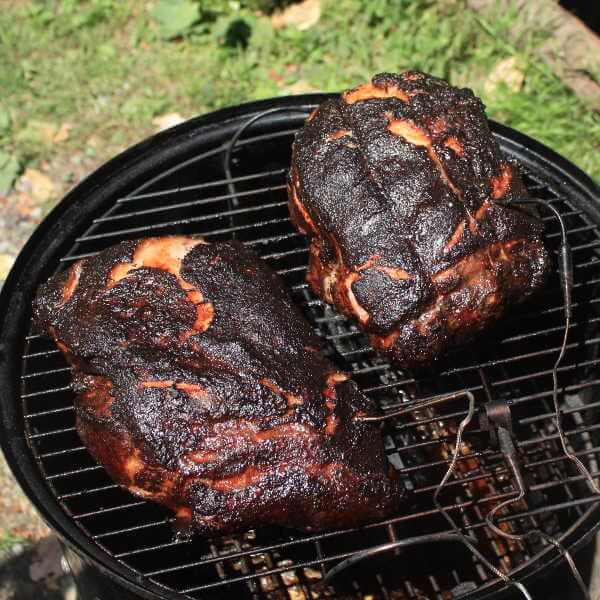
This deep dive into the world of smoked Boston butt isn’t just for the aspiring pitmaster; it’s for the traveler, the foodie, and anyone who appreciates the art of slowing down and savoring life’s richest experiences. From the bustling culinary scenes of Texas and North Carolina to the tranquil settings of a backyard gathering, the Boston butt embodies a particular kind of tourism: one focused on taste, tradition, and the simple pleasure of good food shared amongst friends. We’ll explore the essential elements that influence smoking time, how this culinary endeavor mirrors the preparation for an epic journey, and how it seamlessly integrates into a lifestyle that values authentic experiences, whether on the road or in your own backyard.
The Art of the Smoke: A Culinary Journey Rooted in Tradition
Smoking a Boston Butt is a quintessential experience, particularly vibrant in the southern United States. It’s a culinary journey that speaks volumes about regional traditions, patience, and the joy of creating something truly special. This process, often celebrated at community events and family gatherings, mirrors the immersive nature of travel, where understanding local culture and appreciating unique experiences are paramount.
Understanding the Boston Butt: A North American Staple
First, let’s clarify what a Boston butt is. Despite its name, it’s not from the rear end of the hog. Instead, it refers to the upper part of the pork shoulder, specifically the shoulder blade section, which is quite marbled with fat and connective tissue. The “Boston” part of the name is thought to originate from Boston, Massachusetts, where colonial butchers would pack less prized cuts of pork into barrels, often called “butts.” This cut is perfect for slow cooking methods like smoking, as the low and slow heat gradually renders the fat and breaks down the collagen, resulting in incredibly tender, moist meat that can be easily “pulled” apart.
This specific cut forms the backbone of iconic barbecue dishes across various states, each with its unique twist. In North Carolina, especially eastern North Carolina, whole hog barbecue often features components similar to the Boston butt, slow-smoked and then chopped with a vinegar-based sauce. Meanwhile, in South Carolina, you might find a mustard-based sauce accompanying the pulled pork. In Texas, while beef brisket often takes center stage, excellent pulled pork is also widely available, showcasing a drier rub and often a tomato-based sauce. Exploring these regional variations is a form of culinary tourism, much like visiting specific landmarks or attractions to understand a destination’s unique identity.
The Smoker’s Toolkit: Beyond the Backyard
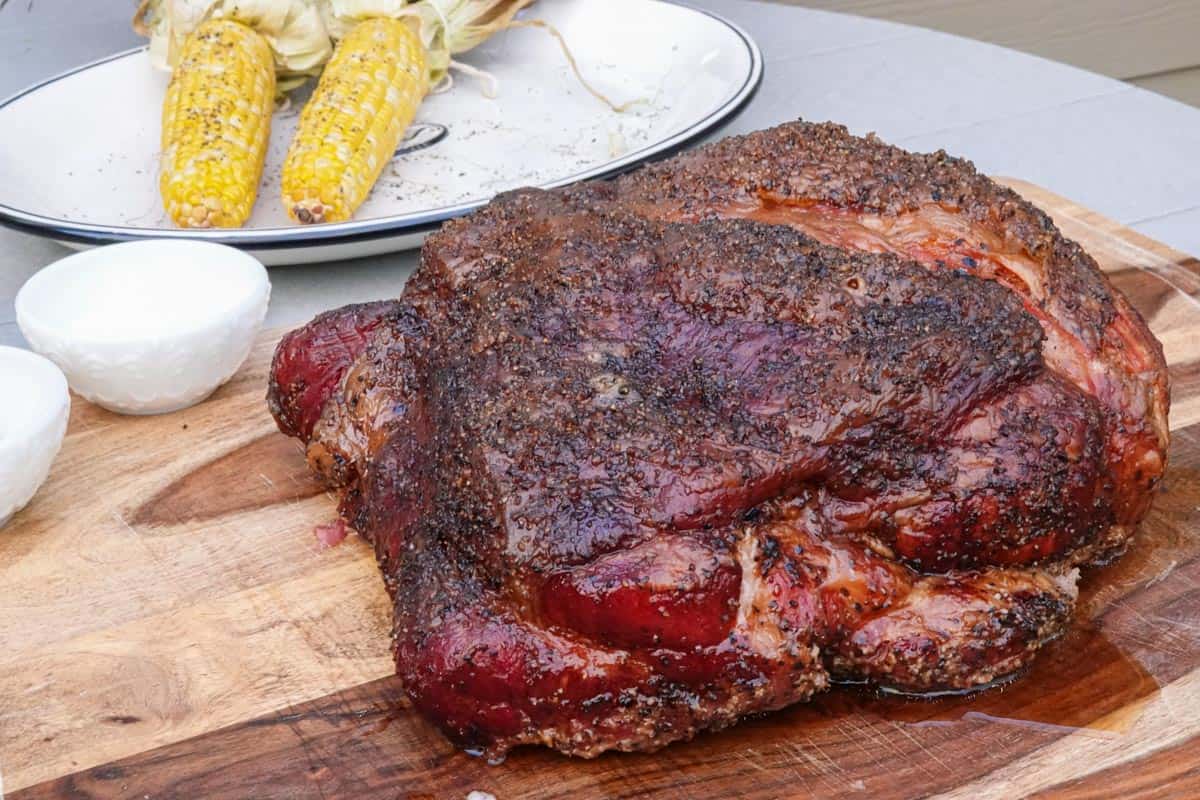
The tools used to smoke a Boston butt are as varied and specific as the equipment chosen for an adventurous expedition. From traditional offset smokers to modern pellet grills, each type offers a slightly different experience and outcome. Understanding these tools is key to mastering the craft, much like choosing the right accommodation for a specific trip – a cozy boutique hotel for a romantic getaway, or a spacious resort for a family vacation.
- Offset Smokers: These are the traditionalists’ choice, requiring constant attention to maintain temperature. They involve a firebox separate from the cooking chamber, allowing smoke and heat to flow through. Mastering an offset smoker is akin to navigating a challenging trail; it demands skill, patience, and constant adjustments.
- Vertical Water Smokers: More forgiving, these smokers use a water pan to regulate temperature and add moisture, ensuring a tender product. Brands like Weber Smokey Mountain are popular for their reliability and ease of use, making them an excellent choice for beginners.
- Ceramic Kamado Grills: Think of brands like Big Green Egg or Kamado Joe. These versatile grills are excellent at retaining heat and moisture, offering incredible insulation and precise temperature control. They are like a luxury hotel suite for your meat, providing a consistent and comfortable environment.
- Pellet Grills: For those who prioritize convenience without sacrificing flavor, pellet grills (e.g., Traeger, Pit Boss) are the ultimate choice. They use electronically fed wood pellets and digital controllers to maintain a set temperature, making them perfect for busy individuals or those who want to “set it and forget it” – much like a seamlessly organized package tour that handles all the details.
The choice of wood also plays a crucial role in the flavor profile, much like selecting a destination’s unique experiences. Hickory and oak provide strong, smoky flavors, while apple and cherry woods offer a milder, fruitier aroma. This careful selection process is integral to the overall lifestyle of a dedicated pitmaster, a pursuit that blends culinary passion with a deep appreciation for craft.
Timing is Everything: The Patience of Perfection in Barbecue and Beyond
The true art of smoking a Boston butt lies not just in the initial setup but in the patient management of time and temperature. This philosophy of “low and slow” resonates deeply with the experiences of a seasoned traveler or an individual embracing a refined lifestyle – understanding that the best results often require a deliberate pace and an appreciation for the journey itself.
Factors Influencing Smoke Time: Navigating the Variables
So, how long does it really take? The answer is nuanced, depending on several critical factors, much like estimating travel time can vary greatly based on mode of transport, traffic, or unexpected detours.
- Size of the Boston Butt: This is the most significant factor. A typical bone-in Boston butt weighs between 6 and 10 pounds. As a general rule of thumb, you can estimate about 1.5 to 2 hours per pound at a consistent smoking temperature. So, a 7-pound butt might take 10.5 to 14 hours, while a 9-pound butt could easily require 13.5 to 18 hours.
- Smoker Temperature: Most pitmasters aim for a consistent temperature between 225°F (107°C) and 275°F (135°C). Lower temperatures extend the cooking time but can yield a more tender and smoky result. Higher temperatures can speed up the process but risk drying out the meat or producing a less intense smoke flavor. Maintaining this temperature is a continuous act, much like managing a budget on a budget travel trip.
- Meat Composition and Bone-in vs. Boneless: Bone-in butts tend to cook more evenly due to the bone conducting heat, and they often stay moister. Boneless butts may cook slightly faster but can sometimes dry out more easily if not managed properly. The amount of fat marbling also plays a role; a fattier butt will render down beautifully, contributing to moisture and flavor over a longer cook.
- Weather Conditions: Outdoor smoking is susceptible to ambient temperatures and wind. A cold, windy day will require more fuel and closer monitoring to maintain a stable internal smoker temperature. This external variable is similar to how weather impacts tourism activities or flights, necessitating flexibility and preparedness.
- Desired Doneness: The ultimate goal for pulled pork is an internal temperature between 195°F (91°C) and 205°F (96°C). However, temperature is not the sole indicator of doneness; tenderness is key. The meat should feel like “warm butter” when probed, allowing little to no resistance.
The Low and Slow Philosophy: A Metaphor for Life’s Rich Experiences
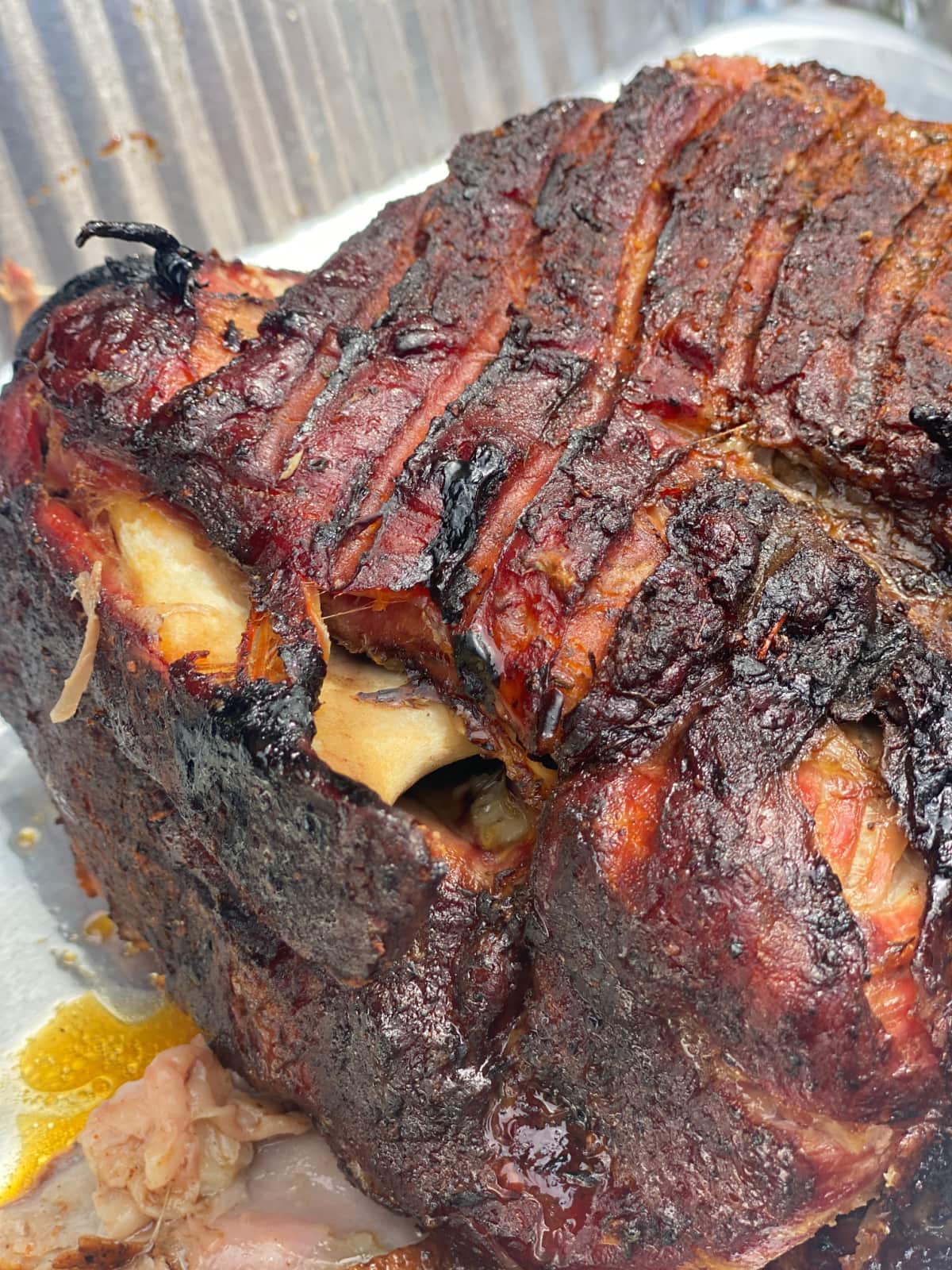
The mantra “low and slow” is not just a cooking method; it’s a philosophy that extends beyond the smoker. It teaches patience, the importance of observation, and the rewards of sustained effort. This is particularly evident during “the stall,” a perplexing phase where the internal temperature of the meat plateaus, sometimes for hours. This phenomenon occurs as moisture evaporates from the surface, cooling the meat through evaporative cooling, much like sweat cools the human body. Overcoming the stall, often by wrapping the butt in foil or butcher paper (known as the “Texas Crutch”), is a decision point that requires understanding and experience. This moment of decision and adaptation mirrors critical choices made during travel or in pursuing a long-term goal.
Allowing the meat to rest after smoking is another crucial step, often overlooked, yet as vital as booking the right hotel for optimal comfort after a long journey. Resting the pork allows the muscle fibers to relax and reabsorb juices, resulting in a more tender and moist product. This resting period, typically 1-2 hours, is non-negotiable for achieving perfect pulled pork. Much like a well-deserved break at a luxurious spa resort after an adventurous trek, it’s the final touch that elevates the entire experience.
Pairing Your Pulled Pork Experience with Travel: Culinary Destinations & Accommodations
The pursuit of the perfect pulled pork can easily blend with the passion for travel and exploration. Imagine planning a trip not just for historical landmarks or scenic beauty, but for the culinary adventures that await, culminating in the enjoyment of expertly smoked meats. This fusion of interests caters to a specific lifestyle – one that appreciates authentic flavors and unique experiences.
BBQ Havens: Culinary Travel Destinations for Foodies
The United States is dotted with cities and regions that are veritable meccas for barbecue enthusiasts. These destinations offer more than just restaurants; they provide a rich tapestry of local culture, history, and the opportunity to delve deeper into the world of smoked meats.
- Kansas City, Missouri: Known for its sweet, thick, tomato- and molasses-based sauces and a diverse range of smoked meats, Kansas City is a must-visit. Iconic establishments like Arthur Bryant’s Barbeque and Joe’s Kansas City Bar-B-Que offer a masterclass in American barbecue. A trip here could involve a stay at a centrally located hotel like the InterContinental Kansas City at the Plaza, allowing easy access to numerous pit stops and even local barbecue cooking classes, enriching your tourism experience.
- Memphis, Tennessee: Memphis is synonymous with dry-rub ribs, but its pulled pork is equally legendary, often served with a thinner, tangy sauce. A visit to places like Central BBQ or Rendezvous is essential. While in Memphis, you could stay at the luxurious Peabody Memphis Hotel, perfectly positioned to explore not just the barbecue scene but also Beale Street and the city’s rich musical heritage, creating a multifaceted travel experience.
- Austin, Texas: While famous for brisket, Austin’s barbecue scene, particularly in Central Texas, offers incredible smoked pork. Places like Franklin Barbecue (though known for brisket, they offer pork when available) or La Barbecue showcase the “meat market” style. Combining this with Austin’s vibrant music scene and outdoor attractions makes for an unforgettable trip. Consider an apartment rental through Airbnb or a stay at a hip boutique hotel like Hotel San Jose for an immersive local lifestyle experience.
These destinations are not just places to eat; they are places to learn, to connect with history through food, and to fully engage in the culture of barbecue. They offer a unique blend of tourism and culinary education, fitting perfectly into a lifestyle of experiential travel.
The Ultimate BBQ Getaway: Hotels and Resorts for Foodies
Imagine a travel experience where your passion for barbecue is not just indulged but celebrated. Some forward-thinking hotels and resorts are beginning to cater to this niche, offering facilities and packages designed for the aspiring pitmaster or the serious foodie.
- Culinary Resorts with Smoker Access: Certain resorts, especially in prime barbecue regions, might offer dedicated outdoor cooking areas equipped with high-quality smokers for guests. Envision a stay at a place like The Smokey Mountain Lodge in Tennessee, where you can rent a cabin with a private patio featuring a Kamado Joe grill, making your accommodation part of the cooking adventure.
- BBQ Cooking Classes and Workshops: Many hotels and resorts are now incorporating local culture into their offerings, including culinary workshops. A multi-day “Pitmaster’s Immersion” package at a luxury resort like The Grand Pitmaster Hotel could include hands-on smoking lessons, guided tours of local meat markets, and tastings of regional barbecue specialties.
- Glamping with a Grilling Twist: For those who love the outdoors but prefer comfort, “glamping” sites are emerging that include dedicated grilling and smoking setups. Imagine a luxurious tent or cabin in a scenic location, complete with a Traeger pellet grill ready for your Boston butt – a perfect blend of nature and gourmet cooking, creating truly unique experiences.
These types of accommodation and travel packages elevate the smoking of a Boston butt from a backyard hobby to an integral part of a memorable vacation, appealing to a lifestyle focused on immersive culinary tourism.
Beyond the Plate: Lifestyle and Lasting Memories
The journey of smoking a Boston butt extends far beyond the final plate of pulled pork. It cultivates a particular lifestyle centered on community, skill development, and the creation of enduring memories. This pursuit, much like travel, enriches life by fostering connections and offering unique experiences.
The Social Aspect: Gathering Around the Smoker
Few culinary endeavors bring people together quite like barbecue. The long smoking process naturally lends itself to social gatherings. Friends and family congregate, sharing stories, laughter, and drinks while the tantalizing aroma of wood smoke fills the air. It’s an informal occasion, a relaxed atmosphere where the anticipation of good food serves as the perfect backdrop for human connection. This communal aspect is reminiscent of shared travel experiences, whether it’s a group tour exploring ancient landmarks or a family reunion at a sprawling villa.
The act of smoking a Boston butt transforms a simple meal into an event. It’s about the conversations exchanged over the smoker, the tips shared, and the collective joy when the perfectly tender pork is finally revealed. This sense of camaraderie is a vital part of the barbecue lifestyle, making the effort and time invested all the more rewarding. It fosters a spirit of hospitality, inviting others to partake in the fruits of one’s labor, much like a well-planned family trip aims to create shared joy and lasting bonds.
Bringing the Flavor Home: Souvenirs and Skills
Learning to smoke a Boston butt can be one of the most fulfilling “souvenirs” from a culinary travel experience. Attending a barbecue class in Austin or Kansas City, for instance, provides not just knowledge but a practical skill that enhances your everyday lifestyle. It’s a tangible memory that continues to give back, transforming future gatherings into extraordinary feasts.
Furthermore, seeking out authentic rubs and sauces during your travels can add another layer of cultural immersion. Discovering a unique dry rub in a small Tennessee town or a distinctive mustard-based sauce in South Carolina can be as exciting as finding a hidden landmark. These culinary treasures become a part of your kitchen, allowing you to recreate those regional flavors and evoke memories of your journeys long after you’ve returned home. This blend of tourism and culinary education transforms cooking into a continuous act of exploration and enjoyment.
In essence, the time it takes to smoke a Boston butt is an investment – an investment in flavor, in patience, and in memorable experiences. It’s a culinary adventure that echoes the joys of travel and the rewards of a rich, engaging lifestyle. From the initial selection of the meat and wood to the final moment of pulling apart the tender pork, every step is a testament to the appreciation of craft and the pursuit of delicious perfection. So, next time you contemplate the hours ticking by while your Boston butt slowly smokes, remember that you’re not just cooking; you’re embarking on a journey, creating a story, and cultivating a lifestyle that celebrates the finest things in life – good food, good company, and the invaluable gift of time.
LifeOutOfTheBox is a participant in the Amazon Services LLC Associates Program, an affiliate advertising program designed to provide a means for sites to earn advertising fees by advertising and linking to Amazon.com. Amazon, the Amazon logo, AmazonSupply, and the AmazonSupply logo are trademarks of Amazon.com, Inc. or its affiliates. As an Amazon Associate we earn affiliate commissions from qualifying purchases.