
Embarking on a journey from the bustling streets of New York City to the dazzling desert oasis of Las Vegas is a popular adventure for millions each year. Whether you’re planning a spontaneous weekend getaway, a much-anticipated family vacation, or a crucial business trip, understanding the duration of your flight is paramount to a smooth and enjoyable travel experience. This transatlantic flight, connecting the East Coast’s financial and cultural powerhouse with the entertainment capital of the world, offers a fascinating blend of efficiency and anticipation. From the moment you depart one of New York’s major airports to your touchdown at Harry Reid International Airport in Nevada, the journey itself is a significant part of the overall adventure. Delving into the nuances of flight times, the factors that influence them, and how to make the most of your travel, this guide aims to provide a comprehensive overview for anyone contemplating this exciting cross-country trip within the United States.
Understanding the Flight Duration: Direct vs. Connecting
The fundamental question of “how long” largely hinges on whether you opt for a direct flight or one with layovers. Each option presents its own set of advantages and considerations, impacting not just the total travel time but also your overall journey experience and budget.
The Direct Route: Speed and Efficiency
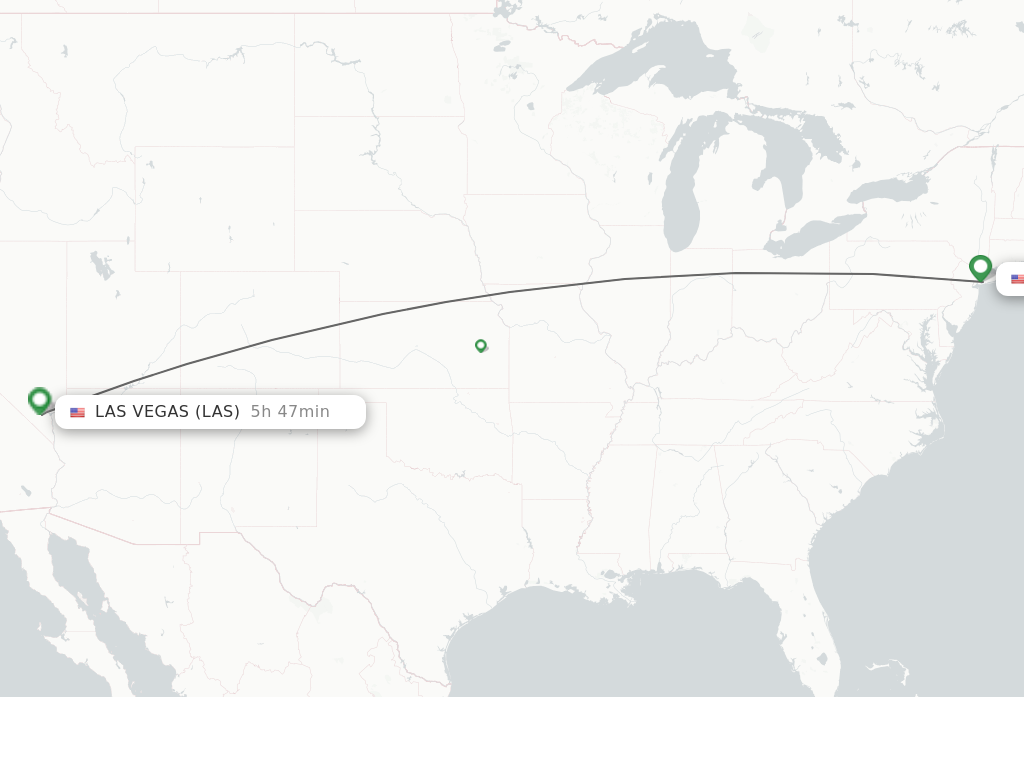
For travelers prioritizing speed and convenience, a direct flight from New York to Las Vegas is the undisputed champion. These flights cover approximately 2,225 miles (3,580 kilometers) without any scheduled stops, offering the quickest path between the two vibrant cities.
Average Direct Flight Time:
On average, a direct flight from major New York City airports—such as JFK Airport, LaGuardia Airport, or Newark Liberty International Airport (technically in New Jersey but serving the NYC metropolitan area)—to Harry Reid International Airport (LAS) in Las Vegas typically ranges from 5 hours to 5 hours and 30 minutes.
Fastest Recorded Flights:
Under optimal conditions, with favorable tailwinds and minimal air traffic control delays, some direct flights can even shave off a few minutes, bringing the duration closer to the 4 hours and 45 minutes mark. However, this is less common, and travelers should generally anticipate the 5 to 5.5-hour range for planning purposes. This efficiency makes direct flights a prime choice for business travelers on tight schedules or vacationers eager to start their Las Vegas adventure without delay. Major airlines like Delta Air Lines, United Airlines, American Airlines, Southwest Airlines, JetBlue Airways, and Spirit Airlines regularly operate direct routes, often with multiple departures throughout the day, catering to diverse travel lifestyles and preferences.
Navigating Connecting Flights: Layovers and Logistics
While direct flights offer unmatched speed, connecting flights can present a different set of benefits, most notably often lower fares. However, they naturally extend your overall travel time significantly.
Typical Connecting Flight Duration:
The total travel time for a connecting flight can vary wildly, generally ranging from 7 hours to 10+ hours, depending on the layover city and the length of the stop. Common layover hubs for this route include major airports in cities like Chicago, Dallas, Denver, Atlanta, or Houston.
Factors Affecting Connecting Flight Time:
- Number of Layovers: Most connecting flights for this route will have just one layover, but some budget options might involve two, further extending the journey.
- Layover Duration: This is the most significant variable. A short, efficient layover might be 1.5 to 2 hours, allowing just enough time to deplane, navigate to your next gate, and perhaps grab a quick bite. Longer layovers, stretching 4-6 hours or even overnight, can turn a simple connection into a much longer day of travel.
- Airline and Route: Different airlines utilize different hub cities, impacting the geographical path and potential for delays. For instance, an airline primarily serving central United States hubs will direct you through those cities.
Pros and Cons of Connecting Flights:
- Pros: Often more affordable, greater flexibility in departure times, and sometimes an opportunity to stretch your legs or grab a proper meal during a longer layover. For some, a longer layover can even be an opportunity to briefly explore another city if time permits and the airport offers easy city access.
- Cons: Significantly longer travel time, increased risk of missing a connecting flight due to delays from the first leg, and the added hassle of deplaning, re-boarding, and navigating unfamiliar airports. For those traveling with children or large amounts of luggage, the added transitions can be particularly cumbersome.
When choosing between direct and connecting flights, consider your budget, schedule flexibility, and tolerance for potential travel disruptions. For many, the slightly higher cost of a direct flight is a worthwhile investment for the time saved and reduced stress.
Factors Influencing Your Flight Time
While average flight times provide a good baseline, several dynamic factors can influence the actual duration of your journey from New York to Las Vegas. Understanding these can help set realistic expectations and even inform your booking decisions.
Aircraft and Aerodynamics
The type of aircraft plays a role in how quickly you traverse the country. Modern jetliners, such as the Boeing 737s, Airbus A320s, or larger Boeing 757s and 767s that commonly operate this route, are designed for efficient long-haul travel. While their cruising speeds are relatively consistent (around 500-600 miles per hour), slight variations in model, engine efficiency, and overall operational speed can contribute to minor differences in flight duration. Furthermore, the aircraft’s size might influence boarding and deplaning times, indirectly affecting your overall airport experience.
Weather and Air Traffic
Nature and human logistics are perhaps the most unpredictable variables.
- Headwinds and Tailwinds: The jet stream, a powerful current of air high in the atmosphere, predominantly flows from west to east across the United States. This means flights traveling eastbound (e.g., Las Vegas to New York) often benefit from strong tailwinds, shortening the flight time. Conversely, westbound flights (like New York to Las Vegas) frequently encounter headwinds, which can add 15-30 minutes, or even more, to the scheduled duration. This is a primary reason why the return flight might feel noticeably shorter.
- Storms and Turbulence: Adverse weather conditions, ranging from thunderstorms to heavy snow, can necessitate rerouting, delaying departures, or extending flight paths to avoid turbulent areas. This not only adds to flight time but can also affect passenger comfort.
- Air Traffic Control (ATC) Delays: Both New York City and Las Vegas airports are incredibly busy. Congestion on runways, in taxiways, or in the airspace surrounding these metropolitan areas can lead to hold patterns (where planes circle before landing), ground stops, or delayed takeoffs. These delays, while often brief, collectively add to the total journey time. The Federal Aviation Administration (FAA) works tirelessly to manage this intricate network, but peak travel times or unexpected incidents can strain the system.
Route Optimization and Flight Path
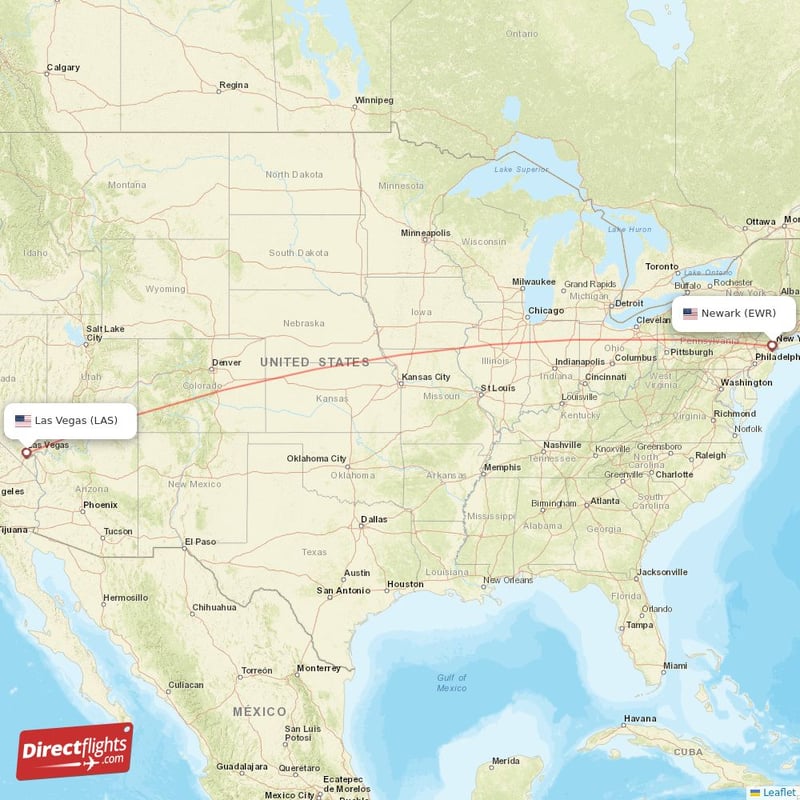
Airlines and Air Traffic Control constantly work to optimize flight paths for efficiency and safety. While there’s a general corridor for cross-country flights, the exact route can vary daily. Factors like military airspace restrictions, temporary flight restrictions (TFRs) for special events, and the need to avoid specific weather systems can lead to minor deviations, slightly lengthening or shortening the flight path. For instance, a flight might briefly venture further north over Colorado or south over Texas and Arizona before heading into Nevada, rather than the more direct path over states like Pennsylvania, Ohio, and Kansas.
Maximizing Your Travel Experience: Before, During, and After the Flight
A trip from New York to Las Vegas is more than just the hours spent in the air. It encompasses the entire travel process, from the initial booking to your arrival at your chosen accommodation. By planning ahead and being strategic, you can enhance every stage of your journey, whether it’s a luxury escapade or a budget-friendly adventure.
Booking Your Journey
- Timing is Key: Generally, booking flights 2-3 months in advance for domestic travel often yields the best prices. However, for peak seasons (holidays, major events in Las Vegas), extending that window to 4-6 months can be beneficial. Flexibility with your travel dates, even by a day or two, can also lead to significant savings. Mid-week flights (Tuesday, Wednesday) are typically cheaper than weekend travel.
- Airline Choice: Consider not only the price but also the airline’s reputation for punctuality, baggage policies, and in-flight amenities. Budget carriers like Spirit Airlines or Frontier Airlines might offer lower base fares but charge extra for everything from seat selection to carry-on bags. Full-service airlines like Delta Air Lines, United Airlines, or American Airlines often include baggage and some in-flight services, which might make their slightly higher initial fare a better value.
- Accommodation Bundles: When booking your flight, explore package deals that combine airfare with hotel stays. Many travel websites and airlines partner with Las Vegas resorts, potentially offering substantial savings compared to booking each separately. This is particularly useful for those planning an extensive stay or seeking a comprehensive travel experience.
In-Flight Comfort and Entertainment
A 5-hour flight is long enough to warrant some preparation for comfort.
- Seat Selection: If possible, choose a seat that suits your preference. Aisle seats offer easier access to the lavatory and the ability to stretch your legs. Window seats provide views and a wall to lean on. Exit row seats or bulkhead seats offer extra legroom for a premium.
- Hydration and Snacks: Airplane cabins are dry, so drink plenty of water. While most airlines offer beverages and snacks on this route (especially on full-service carriers), bringing your own non-liquid snacks can save money and cater to your preferences.
- Entertainment: Many airlines offer in-flight entertainment systems with movies, TV shows, and games. However, bringing your own fully charged devices loaded with movies, e-books, or podcasts is always a good backup. Noise-canceling headphones can be a game-changer for a peaceful journey.
- Comfort Essentials: A neck pillow, eye mask, and light blanket can significantly improve your comfort, especially if you plan to sleep or relax. Wear comfortable, loose-fitting clothing and layers to adjust to cabin temperature fluctuations.
Arrival and Ground Transportation
Landing at Harry Reid International Airport (LAS) is just the beginning of your Las Vegas experience.
- Airport Location: LAS is conveniently located just a few miles south of the Las Vegas Strip and downtown, making ground transportation quick and easy.
- Transportation Options:
- Taxis and Rideshares: Abundantly available outside the terminals. Rideshare services like Uber and Lyft have designated pick-up areas.
- Shuttles: Shared-ride shuttles offer a cost-effective way to get to many Strip and downtown hotels, though they make multiple stops.
- Public Transit: The RTC public bus system offers routes to the Strip and downtown, a more budget-friendly option.
- Hotel Shuttles: Some larger resorts, particularly off-Strip, offer complimentary shuttle services. Always check with your specific accommodation.
- Rental Cars: Available at the McCarran Rent-A-Car Center, accessible via a complimentary shuttle from the terminals. This is ideal if you plan day trips to attractions like the Grand Canyon or Hoover Dam.
Beyond the Flight: What Awaits in Las Vegas
Once your journey from New York concludes and you step into the vibrant atmosphere of Las Vegas, a world of entertainment, luxury, and unique experiences unfolds. This city, constantly reinventing itself, offers something for every type of traveler, aligning perfectly with various lifestyle choices from opulent indulgence to budget-conscious fun.
Iconic Attractions and Entertainment
The allure of Las Vegas is undeniable, primarily centered around its famous Strip.
- World-Class Shows: From breathtaking residencies by global music superstars to mesmerizing Cirque du Soleil productions and comedic acts, the city is a mecca for live entertainment. Secure tickets in advance, especially for popular performances.
- Dining Experiences: Las Vegas boasts an incredible culinary scene, featuring celebrity chef restaurants, exquisite fine dining, and casual eateries. Whether you’re craving a gourmet meal at Joël Robuchon in the MGM Grand or a classic Vegas buffet, your taste buds are in for a treat.
- Resort Attractions: Each mega-resort is a destination in itself. Witness the Fountains of Bellagio, explore the canals of The Venetian Resort, or marvel at the Roman architecture of Caesars Palace. Many resorts offer unique shops, art galleries, and even botanical gardens.
- Beyond the Strip: Don’t limit your exploration to the Strip. Downtown Las Vegas, particularly the Fremont Street Experience, offers a different vibe with its dazzling light canopy, street performers, and historic casinos. For those seeking outdoor adventures, the nearby Red Rock Canyon National Conservation Area provides stunning hiking trails and scenic drives, a perfect contrast to the city’s neon glow.
Accommodation Options for Every Traveler
Las Vegas excels in offering a vast spectrum of accommodation, ensuring that whether you’re on a family trip, a business stay, or a solo adventure, you’ll find the perfect place.
- Luxury Resorts: For an opulent experience, consider staying at iconic five-star properties like the Wynn Las Vegas, The Cosmopolitan of Las Vegas, or ARIA Resort & Casino. These resorts often boast world-class spas, multiple pools, and high-end suites.
- Mid-Range Hotels: Many well-regarded hotels provide excellent amenities and comfortable stays without the premium price tag. Options like Paris Las Vegas, New York-New York Hotel & Casino, or the Flamingo Las Vegas Hotel & Casino offer great value, vibrant atmospheres, and convenient access to the Strip attractions.
- Budget-Friendly Stays: For travelers focused on budget travel, there are numerous options off the Strip or downtown, including well-known hotel chains and even vacation rental apartments. These can significantly reduce accommodation costs, allowing more spending on experiences.
- Boutique and Specialty Hotels: Beyond the mega-resorts, Las Vegas also features boutique hotels offering a more intimate atmosphere, or specialty accommodations like all-suite hotels, perfect for longer stays or family trips.
The flight from New York to Las Vegas is a manageable journey, typically spanning 5 to 5.5 hours directly, or longer with connections. By understanding the factors influencing flight times, planning your booking strategically, and preparing for in-flight comfort, you can ensure a smooth transition from the East Coast to the vibrant heart of Nevada. Once you arrive, the city’s endless entertainment, diverse culinary scene, and luxurious accommodations promise an unforgettable experience, making every minute of your travel well worth it.
LifeOutOfTheBox is a participant in the Amazon Services LLC Associates Program, an affiliate advertising program designed to provide a means for sites to earn advertising fees by advertising and linking to Amazon.com. Amazon, the Amazon logo, AmazonSupply, and the AmazonSupply logo are trademarks of Amazon.com, Inc. or its affiliates. As an Amazon Associate we earn affiliate commissions from qualifying purchases.