
Embarking on a journey from the bustling metropolis of New York to the architectural marvels of Chicago is a popular route for both business and leisure travelers. While the direct flight time itself is relatively short, understanding the full scope of your travel from door to door involves much more than just the hours spent airborne. This comprehensive guide delves into every aspect of flying between these two iconic American cities, from the actual flight duration and airport logistics to the diverse experiences awaiting you in each destination, ensuring a smooth and enjoyable trip.
The Direct Flight Experience: What to Expect in the Air
When planning your journey, the most frequently asked question revolves around the actual time spent cruising above the clouds. While a simple number might suffice for some, a deeper understanding reveals the nuances that can affect your aerial journey.
Understanding the Core Flight Time
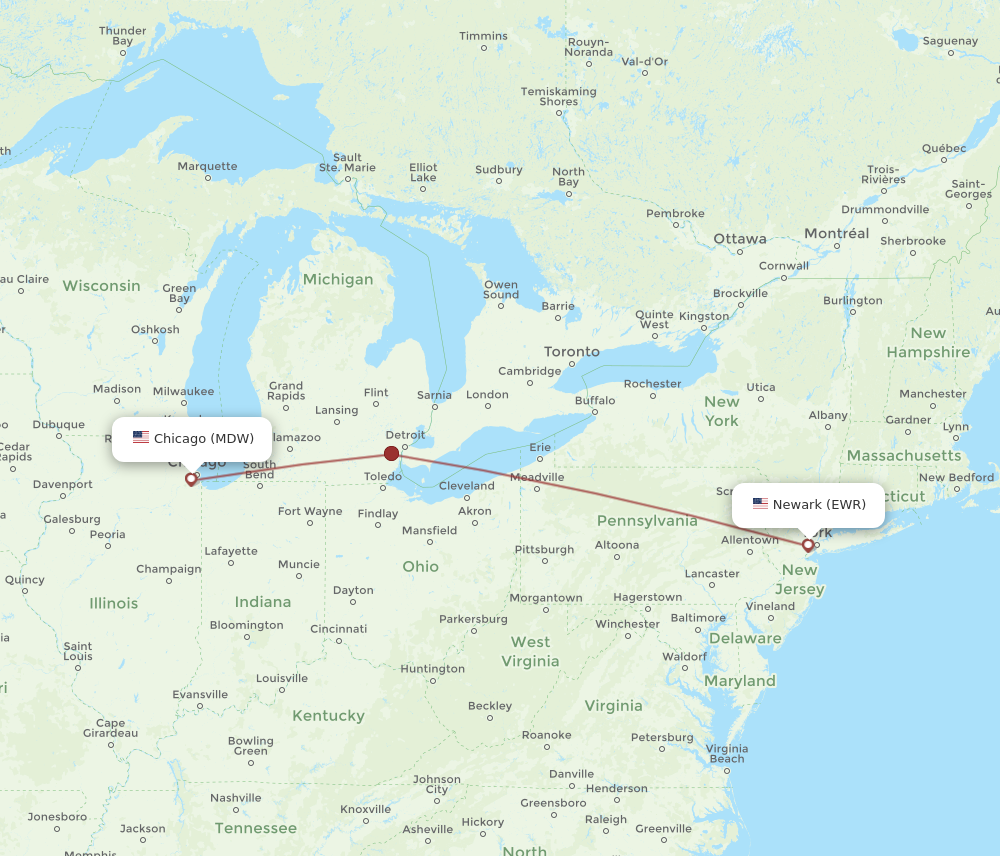
A direct flight from New York to Chicago typically spans approximately 2 hours to 2 hours and 30 minutes in the air. This covers the actual time the aircraft is flying from one airport to another, often at cruising altitude. It’s a relatively short hop, making air travel the most efficient mode of transport between these two major hubs. The distance covered is roughly 713 miles (1,147 kilometers) as the crow flies, or more accurately, as the plane flies along its designated air corridor.
This core flight time is what airlines usually quote when you book your ticket. However, it’s crucial to remember that this doesn’t encompass the entire travel experience. It’s simply the segment of the journey where you’re soaring thousands of feet above the ground, perhaps enjoying an in-flight movie or catching up on work.
Factors Influencing Your Journey
While the 2 to 2.5-hour window is a good average, several elements can influence the precise duration of your flight:
- Wind Conditions: Perhaps the most significant natural variable is wind. Flights traveling westward, from New York to Chicago, often face prevailing headwinds, which can add 15-30 minutes to the flight time. Conversely, eastbound flights from Chicago to New York often benefit from tailwinds, potentially shortening the journey.
- Air Traffic Control (ATC): Both New York and Chicago boast some of the busiest airspaces in the world. Delays due to air traffic congestion, rerouting, or ground holds at either departure or arrival airport are not uncommon. ATC plays a critical role in managing these intricate patterns, and sometimes a hold can add time to your total travel.
- Aircraft Type: Different aircraft models have varying cruising speeds. While most flights on this route use narrow-body jets like the Boeing 737 or Airbus A320, slight differences in their operational speeds can contribute to minor variations in flight duration.
- Specific Route and Altitude: The exact flight path taken can also vary slightly, influenced by weather patterns, other air traffic, and strategic routing by pilots and ATC. Higher altitudes generally offer less air resistance, leading to faster travel, but specific conditions might necessitate lower flight paths.
Understanding these factors helps set realistic expectations for your travel day, reminding you that flexibility is often a traveler’s best friend.
Major Airports Serving the Route
Both New York and Chicago are served by multiple major airports, offering travelers flexibility in terms of departure and arrival points. Each airport has its own characteristics, impacting convenience and overall travel time.
In the New York metropolitan area, you have three primary choices:
- John F. Kennedy International Airport (JFK): A major international gateway, JFK is known for its extensive global connections. While it’s further from Manhattan than LaGuardia, it offers a wider range of airlines and amenities.
- LaGuardia Airport (LGA): Primarily serving domestic routes, LGA has undergone significant modernization. It’s often the most convenient option for those departing from or arriving into Manhattan due to its closer proximity.
- Newark Liberty International Airport (EWR): Located in New Jersey, but a key component of the NYC airport system, EWR is a major hub for several airlines, offering a blend of domestic and international flights. Its connection to Manhattan via NJ Transit and AirTrain is efficient.
For arrivals in Chicago, two main airports serve the city:
- O’Hare International Airport (ORD): One of the world’s busiest airports, ORD is a colossal hub for both domestic and international travel. It’s located northwest of downtown Chicago and offers extensive connectivity.
- Midway International Airport (MDW): Closer to downtown Chicago, MDW is a popular choice for budget carriers and domestic flights. Its smaller size often translates to quicker navigation through the airport.
Your choice of airport can significantly impact the overall convenience and ground travel time, affecting the “door-to-door” duration.
Beyond the Air: The Complete Travel Timeline
While the flight itself is a mere couple of hours, the entire journey from your starting point in New York to your final destination in Chicago can easily stretch to 5-7 hours or more. This holistic view of travel time is crucial for accurate planning, especially for business travelers with tight schedules or families managing young children.
Pre-Flight Essentials: From Check-in to Take-off
The airport experience typically begins long before you board the plane. These crucial pre-flight steps add considerable time to your journey:
- Check-in and Bag Drop: Depending on your airline and whether you’re checking luggage, this can take anywhere from 15 minutes (online check-in, no bags) to over an hour during peak times. Most airlines recommend arriving at least 90 minutes to 2 hours before a domestic flight.
- Security Screening: TSA lines can be unpredictable. While TSA PreCheck or Clear can significantly expedite this process, standard security can range from 20 minutes to over an hour, particularly at busy airports like JFK or ORD.
- Navigating the Terminal and Boarding: Factor in time to get to your gate, which could involve long walks, tram rides, or shuttle buses, especially at sprawling airports. Boarding typically begins 30-45 minutes before the scheduled departure time.
- Taxiing and Take-off: Once boarded, the aircraft still needs to taxi to the runway, which can take 10-30 minutes, especially at busy airports where planes queue for take-off slots.
Combining these elements, you should realistically budget 2 to 3 hours for the pre-flight airport experience alone, excluding travel to the airport itself.
Post-Flight Considerations: Landing in the Windy City
Once your plane touches down in Chicago, the journey isn’t quite over. Several steps follow before you exit the airport:
- Deplaning: Depending on your seat location and the efficiency of the crew, deplaning can take 10-20 minutes.
- Baggage Claim: If you checked luggage, waiting at the carousel can add another 20-40 minutes to your timeline.
- Navigating the Airport and Exiting: Finding your way out of a large airport like ORD to ground transportation can take time, particularly if you’re unfamiliar with the layout.
Ground Transportation: Connecting to Your Destination
The time it takes to get to and from the airports is a significant, yet often underestimated, part of the overall travel equation.
In New York:
- From Manhattan to JFK or EWR can take 45-90 minutes by taxi/rideshare, or similar times by public transport (e.g., AirTrain JFK and subway/LIRR, or AirTrain Newark and NJ Transit).
- To LGA is generally quicker, 30-60 minutes, depending on traffic.
In Chicago:
- From ORD to downtown Chicago takes about 45-60 minutes by the CTA Blue Line or 30-75 minutes by taxi/rideshare, depending on traffic.
- From MDW to downtown is quicker, around 20-30 minutes by CTA Orange Line or 20-45 minutes by car.
When you sum up pre-flight activities, the flight itself, post-flight procedures, and ground transportation, a trip from New York to Chicago is realistically a 5 to 7-hour commitment. This estimation helps you plan your day more effectively and reduces travel-related stress.
Why Take the Flight? Business, Leisure, and Lifestyle
The enduring popularity of the NYC-ORD route isn’t just about efficiency; it’s driven by the diverse opportunities and experiences that draw people between these two titans of American culture and commerce.
New York’s Allure and Chicago’s Charm
New York City, a global epicenter of finance, fashion, and culture, offers an unparalleled array of attractions. Visitors flock to witness the grandeur of Times Square, find serenity in Central Park, gaze upon the iconic Statue of Liberty, or catch a world-class Broadway shows. The city’s culinary scene is a universe unto itself, and its museums, like the Metropolitan Museum of Art, house treasures spanning millennia. For tourism, New York is a destination that never sleeps and consistently ranks high on every traveler’s bucket list.
Chicago, often dubbed the “Windy City,” holds its own as a vibrant hub of architecture, art, and culinary innovation. Its stunning skyline, punctuated by historic skyscrapers, is best admired on an architectural boat tour. Millennium Park hosts the famous Cloud Gate sculpture (affectionately known as “The Bean”), while the Art Institute of Chicago boasts an incredible collection. Shopping along the Magnificent Mile, enjoying the amusements at Navy Pier, indulging in deep-dish pizza, or catching a baseball game at Wrigley Field in Wrigleyville offer a truly diverse tourism experience. Both cities exemplify rich local culture and offer endless activities.
Business Travel Efficiency
For business professionals, the quick flight between New York and Chicago is invaluable. Both cities are major financial, industrial, and technological centers, hosting countless conferences, meetings, and corporate headquarters. The ability to attend a morning meeting in one city and be back in the other by evening, or to conduct a day-trip business venture, is a testament to the efficiency of air travel on this route. This makes short-term business stays highly feasible, with many hotels in both cities catering specifically to the needs of the corporate traveler, offering amenities like business centers, meeting rooms, and executive lounges.
Leisure and Tourism: Exploring Two Iconic Cities
Beyond business, the route is a lifeline for leisure travelers. It allows for multi-city itineraries, connecting visits to New York’s iconic landmarks with Chicago’s dynamic urban landscape. From family trips to solo adventures, travelers can immerse themselves in distinct regional cultures, cuisines, and attractions. It’s an ideal gateway for those looking to experience the diverse tapestry of American urban life, often within the span of a single vacation.
Maximizing Your Travel Experience: Tips and Accommodation
Planning is key to transforming a potentially stressful journey into a seamless and enjoyable experience. From smart booking strategies to choosing the perfect place to stay, a little foresight goes a long way.
Smart Booking Strategies for the NYC-ORD Route
To ensure a smooth journey and potentially save on costs, consider these tips:
- Book in Advance: Especially for peak travel seasons (holidays, summer) or during major events in either city, flight prices can surge. Booking several weeks or months ahead typically secures better fares.
- Be Flexible with Dates and Times: Mid-week flights (Tuesday-Thursday) and flights during off-peak hours (very early morning or late evening) are often cheaper and less crowded.
- Consider Different Airports: While LGA might be convenient for Manhattan residents, checking fares from JFK or EWR to ORD or MDW can sometimes yield significant savings.
- Airline Choice: Evaluate options from full-service carriers (e.g., United, American Airlines, Delta) and budget airlines (e.g., Southwest, Spirit). While budget airlines often have lower base fares, be mindful of extra costs for baggage, seat selection, and in-flight amenities.
- Pack Light: Minimize checked baggage fees by traveling with just a carry-on, especially for short trips.
- Time Zones: Remember that New York is in Eastern Time and Chicago is in Central Time, meaning you “gain” an hour flying west and “lose” an hour flying east. Adjust your internal clock accordingly to avoid confusion.
Choosing the Right Accommodation in New York and Chicago
Once you land, having the right accommodation makes all the difference. Both cities offer a vast spectrum of options catering to every preference and budget.
In New York:
- Luxury: Iconic hotels like The Plaza Hotel offer unparalleled elegance and service.
- Boutique: Neighborhoods like SoHo or Greenwich Village are dotted with charming boutique hotels providing unique experiences.
- Budget-Friendly: Pod Hotels or hostels offer compact, affordable stays.
- Apartments/Long-term: For extended stays or a more local feel, consider Airbnb apartments or furnished rentals.
In Chicago:
- Luxury: The Peninsula Chicago on the Magnificent Mile promises opulence and five-star amenities.
- Business: Hotels like the Hyatt Regency Chicago cater to corporate guests with extensive facilities.
- Boutique/Lifestyle: Hotel Lincoln in Lincoln Park offers a trendy, neighborhood-centric vibe.
- Extended Stay: Various apartment-style hotels and vacation rentals provide comfortable options for longer visits.
When booking, consider factors like location relative to your activities, included amenities (Wi-Fi, breakfast, gym), and reviews from other travelers. Comparison websites and direct hotel bookings can help you find the best deals and accommodations that suit your travel style.
Lifestyle Travel: From Budget-Friendly to Luxury Escapes
The New York to Chicago route accommodates all types of lifestyle travel. Whether you’re a solo adventurer looking to maximize experiences on a budget, a family seeking kid-friendly attractions, or a couple desiring a luxurious romantic getaway, both cities deliver.
- Budget Travel: Opt for hostels, Pod Hotels, public transportation, free attractions (like Central Park or walking tours), and casual dining experiences (think NYC street food or Chicago hot dogs).
- Family Trips: Look for hotels with pools or family suites. In New York, explore the Intrepid Sea, Air & Space Museum; in Chicago, the Shedd Aquarium and Museum of Science and Industry are big hits.
- Luxury Travel: Indulge in five-star hotels, gourmet dining, private city tours, and premium seating for Broadway shows or Chicago theater. High-end resorts and suites are readily available in both cities.
- Business Stays: Prioritize hotels with excellent connectivity, quiet rooms, and efficient service, often found in downtown districts.
No matter your reason for travel or your preferred style, the air journey between New York and Chicago is a foundational step in an unforgettable adventure. By understanding the intricacies of the flight and planning for the entire travel experience, you can ensure your trip is as smooth and enjoyable as possible, allowing you to fully immerse yourself in the unique charm of these magnificent destinations.