
Embarking on a journey across the Atlantic Ocean from the bustling metropolis of New York to the historic charm of London is a classic transatlantic adventure. Whether you’re planning a business trip, a leisurely vacation, or a family visit, understanding the duration of this flight is crucial for meticulous travel planning. While the direct flight time is relatively straightforward, the overall travel experience encompasses much more than just the hours spent in the air. From navigating airports to overcoming jet lag, a truly seamless journey requires considering all the elements that contribute to your total travel time.
This guide will delve into the various factors influencing your flight duration, detail the entire travel process from door to door, offer insights into choosing the best flights, and provide essential tips to make your transatlantic crossing as comfortable and enjoyable as possible. Get ready to decode the journey from the vibrant streets of NYC to the iconic landmarks of the United Kingdom.
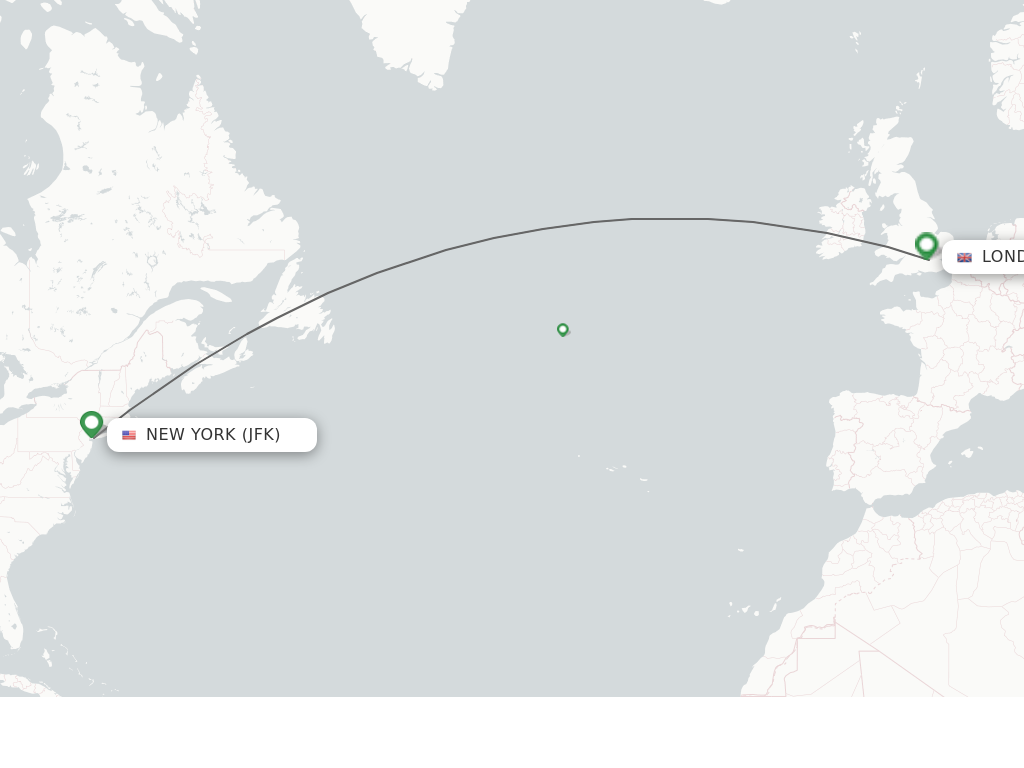
The Core Flight Duration: What to Expect in the Air
At its heart, the question “How long to fly from New York to London?” refers to the actual time your aircraft spends airborne. This segment of your journey is subject to a few significant variables.
Average Flight Times Across the Atlantic
For a direct, non-stop flight, the average duration from New York to London typically ranges from 6 hours and 30 minutes to 7 hours and 30 minutes. This can vary slightly based on the specific airline, aircraft model, and real-time atmospheric conditions.
It’s important to note that flying eastbound (from New York to London) is generally faster than flying westbound (from London to New York). This phenomenon is primarily due to the prevailing winds, specifically the jet stream.
Key Factors Influencing Your Flight Time
Several elements play a role in determining the precise duration of your flight:
- Aircraft Speed and Type: Modern passenger jets, such as those from Boeing (e.g., 787 Dreamliner, 777) and Airbus (e.g., A350, A330), are designed for efficiency and speed. While there isn’t a massive difference in cruising speed between models on this route, newer aircraft might offer marginal improvements.
- The Powerful Jet Stream: This is perhaps the most significant factor. The jet stream is a fast-flowing, narrow, meandering air current found in the atmosphere at altitudes of about 30,000 to 45,000 feet. It generally flows from west to east. When flying from New York to London, aircraft often ride these tailwinds, which can shave 30 minutes to an hour off the flight time. Conversely, westbound flights often face headwinds, making the journey longer.
- Air Traffic Control and Route Optimization: Air traffic controllers and airline operational centers constantly optimize flight paths to avoid adverse weather, reduce congestion, and ensure the most efficient route. Minor adjustments for efficiency or safety can subtly impact flight duration.
- Specific Departure and Arrival Airports: While the flight distance between the metropolitan areas is relatively consistent, the exact runway used at John F. Kennedy International Airport (JFK), Newark Liberty International Airport (EWR), or London Heathrow Airport (LHR), for example, can add a few minutes of taxi time, which is usually factored into the scheduled block time.
Beyond the Air: Understanding Total Travel Time
While the flight duration is important, your total travel time from the moment you leave your accommodation in New York to when you arrive at your London hotel can easily stretch to 12-15 hours or more. This comprehensive perspective is essential for planning a stress-free trip, especially when considering important appointments or activities upon arrival.
Pre-Flight Essentials: From Home to Gate
Your journey begins long before takeoff. Factor in these critical pre-flight stages:
- Travel to the Airport: Depending on your starting point in New York – be it Manhattan, Queens, or New Jersey – and your chosen airport (JFK, EWR, or LaGuardia Airport (LGA) for domestic connections), ground transportation can take anywhere from 30 minutes to 2 hours. Consider traffic, especially during peak hours. Options like taxis, ride-shares, AirTrain, or public transport should be weighed against convenience and cost.
- Check-in and Bag Drop: Even with online check-in, dropping off luggage and verifying documents takes time. Allocate at least 30-60 minutes, depending on airline queues.
- Security Screening: This is often the most unpredictable part. Depending on the airport, time of day, and TSA PreCheck/Global Entry status, security can range from a quick 15-minute breeze to an hour-long ordeal. Most airlines recommend arriving at the airport 3 hours before an international flight.
- Boarding: Boarding typically begins 45-60 minutes before scheduled departure. By the time you navigate to your gate and board, you’ve already invested several hours.
Post-Landing Logistics: From Gate to City Center
Once your plane touches down at a London airport, the journey is still ongoing:
- Deplaning: Depending on your seat and gate position, deplaning can take 10-30 minutes.
- Immigration and Customs: As an international arrival in the United Kingdom, you’ll need to pass through immigration. Wait times can vary significantly, from 30 minutes to over 2 hours during peak periods. Utilizing eGates (if eligible) can speed up the process.
- Baggage Claim: Waiting for your checked luggage adds another 20-40 minutes.
- Travel from Airport to City: London is served by several major airports.
- London Heathrow Airport (LHR): The most common arrival point. The Heathrow Express takes 15-20 minutes to Paddington Station, while the Elizabeth Line offers fast connections across London. The Piccadilly Line of The Tube is cheaper but takes 45-60 minutes to central London.
- London Gatwick Airport (LGW): The Gatwick Express takes 30 minutes to Victoria Station. Other train services are also available.
- London Stansted Airport (STN): Primarily used by budget airlines. The Stansted Express takes about 45-50 minutes to London Liverpool Street.
- London City Airport (LCY): Located closest to the City of London, ideal for business travelers. Offers quick DLR connections to the financial district.
Each of these options adds at least 30-90 minutes to your total travel time to reach your final destination in London.
The Impact of Time Zones and Jet Lag
Flying from New York to London means crossing five or six time zones, depending on Daylight Saving Time. London is typically 5 hours ahead of New York (e.g., 1 PM in New York is 6 PM in London). This time difference means that even a 7-hour flight will feel much shorter from a biological clock perspective. You depart in the evening and arrive the next morning, essentially “losing” several hours of the night.
Jet lag is a significant consideration, as it can impact your first few days in London. Symptoms include fatigue, disorientation, insomnia, and digestive issues. Strategies to mitigate jet lag include staying hydrated, adjusting your sleep schedule before departure, choosing overnight flights to attempt sleep on the plane, and exposing yourself to natural light upon arrival.
Choosing Your Journey: Airlines, Airports, and Comfort
The choice of airline, departure airport, and desired level of comfort significantly shapes your transatlantic experience. For many, travel isn’t just about reaching a destination; it’s about the journey itself, making these choices integral to your overall trip satisfaction.
Major Airlines Plying the Route
The New York to London corridor is one of the busiest international air routes, served by a host of reputable carriers:
- British Airways: A dominant player, offering numerous daily flights, often from JFK and EWR to LHR and LGW. Known for its extensive network and varying cabin classes.
- Virgin Atlantic: Renowned for its distinctive service and comfortable cabins, flying primarily from JFK and EWR to LHR.
- Delta Air Lines (Delta): A major United States carrier offering multiple daily flights, often in partnership with other airlines.
- United Airlines (United): Strong presence, especially from EWR to LHR, serving a vast network.
- American Airlines: Another significant United States airline with frequent services.
- Norse Atlantic Airways: A newer, budget-friendly option offering transatlantic flights at competitive prices, often to LGW or STN.
- JetBlue Airways: Has expanded its transatlantic offerings, providing a comfortable experience in both economy and Mint (business class).
When selecting an airline, consider not only the price but also departure/arrival times, loyalty programs, baggage allowances, and cabin class offerings.
Departing from New York: A Hub of Choices
New York is served by three major airports, each with its own advantages:
- John F. Kennedy International Airport (JFK): The largest and busiest international gateway in North America. Offers the widest selection of airlines and direct flights to London. Located in Queens, it’s well-connected by AirTrain and subway.
- Newark Liberty International Airport (EWR): Located in New Jersey, EWR is a major hub, particularly for United Airlines. It offers frequent services to London and is easily accessible from Manhattan via NJ Transit trains and AirTrain.
- LaGuardia Airport (LGA): Primarily serves domestic flights, though some international routes (mainly to Canada and the Caribbean) exist. For a London flight, you’d typically connect from LGA to JFK or EWR first, adding significant travel time.
Arriving in London: Gateway to the UK
London is a multi-airport city, with distinct arrival experiences:
- London Heathrow Airport (LHR): The busiest airport in the UK and a primary hub for transatlantic flights. Located west of central London, it offers excellent transport links into the city.
- London Gatwick Airport (LGW): The second-largest airport, located south of London. Popular with a mix of full-service and budget airlines.
- London Stansted Airport (STN): Further northeast of London, primarily serving budget European airlines.
- London City Airport (LCY): Smallest of London’s airports, located close to the financial district. Caters mainly to business travelers with shorter runways suitable for specific aircraft types.
Enhancing Your Flight Experience
Beyond the raw flight time, the quality of your journey matters.
- Cabin Classes:
- Economy: The most budget-friendly option. Can be challenging on a transatlantic flight due to limited space, but many airlines offer decent in-flight entertainment and meals.
- Premium Economy: A popular upgrade, offering more legroom, wider seats, enhanced meal service, and sometimes priority boarding. A significant step up for comfort without the full price of business class.
- Business Class: Designed for comfort and productivity. Features lie-flat seats, gourmet dining, lounge access, and premium amenities. Ideal for those prioritizing rest and luxury travel.
- First Class: The pinnacle of luxury, offering private suites, personalized service, and exclusive amenities. This is truly a lifestyle choice for the discerning traveler.
- In-flight Amenities and Entertainment: Modern aircraft boast extensive entertainment systems, Wi-Fi connectivity (often for a fee), and charging ports. These can make the hours fly by.
- Booking Strategies: Booking in advance, being flexible with dates, and utilizing flight comparison websites are key to finding the best deals. Consider travel seasons; off-peak times (January to March, September to November) often yield lower prices and less crowded flights.
Making the Most of Your Transatlantic Adventure
A flight from New York to London is more than just transportation; it’s the gateway to an incredible travel experience. Strategic planning ensures a smooth transition and maximizes your time exploring two of the world’s most vibrant cities.
Practical Tips for a Smooth Journey
- Pack Smart: Carry-on essentials should include travel documents, medications, a change of clothes, toiletries, entertainment, and noise-canceling headphones. A travel pillow and eye mask are invaluable for overnight flights.
- Stay Hydrated: Cabin air is dry. Drink plenty of water before, during, and after your flight to combat dehydration and reduce jet lag severity.
- Choose Your Seat Wisely: If you prioritize sleep, a window seat can be ideal. For easier access to the aisle and restrooms, an aisle seat is preferable. Emergency exit row seats offer extra legroom.
- Manage Electronics: Download movies, books, or podcasts before you fly. Ensure all devices are fully charged and bring a portable power bank.
- Currency and Connectivity: Before landing, consider having some local currency (British Pounds) or ensuring your credit cards work internationally. Plan for mobile connectivity, whether through an eSIM, international roaming, or a local SIM card upon arrival. Purchasing an Oyster card for London’s public transport (The Tube, buses) is also a wise move.
Planning Your New York and London Exploration
Remember that the flight is just one part of your adventure. Seamlessly integrate it with your broader travel plans:
- New York Attractions: Before you depart, perhaps you’ve enjoyed the bright lights of Times Square, gazed at the Statue of Liberty, ascended the Empire State Building, or caught a Broadway show.
- London Exploration: Upon arrival, you’ll be ready to dive into London’s rich history and culture. Iconic landmarks like Buckingham Palace, the Tower of London, Big Ben, and the British Museum await. Explore vibrant neighborhoods, indulge in diverse cuisine, and experience the local way of life.
- Accommodation: Whether you’re seeking luxury hotels, comfortable suites, serviced apartments, or charming boutique resorts, London offers an extensive range of accommodation options to suit every budget and travel style. Researching and booking your stay in advance, considering reviews and proximity to attractions, is key to a rewarding trip.
In conclusion, a direct flight from New York to London takes approximately 6.5 to 7.5 hours. However, a realistic estimate for your total travel time, from leaving your home to arriving at your final destination in London, should factor in at least 12 to 15 hours. By understanding these various components and planning accordingly, you can transform a long journey into an exciting and comfortable segment of your unforgettable transatlantic adventure. Enjoy the skies and the incredible experiences awaiting you on both sides of the Atlantic!