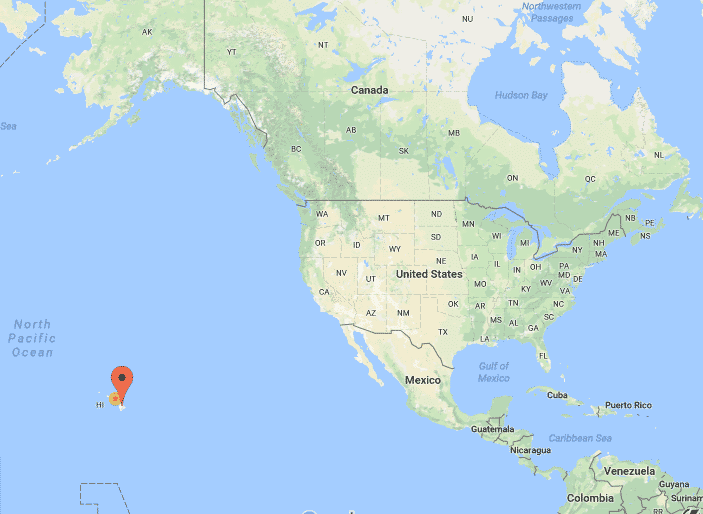
Embarking on a journey to the enchanting Hawaiian Islands is a dream for many, a picturesque escape to a tropical paradise where the rhythm of the waves sets the pace of life. But before you can feel the warm sand between your toes or dive into the crystal-clear waters, there’s a crucial question many travelers ponder: “How long does it actually take to fly to Hawaii?” While the allure of the Aloha State is undeniable, its remote location in the middle of the Pacific Ocean means a significant travel commitment. Understanding the flight duration is the first step in meticulously planning your perfect getaway, ensuring a smooth transition from your home to your dream destination. This comprehensive guide will delve into the typical flight times, the factors that influence them, and how to make the most of your journey to this iconic United States archipelago, renowned for its vibrant culture, stunning natural beauty, and unparalleled tourism experiences.
Understanding Flight Durations to the Aloha State
The flight to Hawaii is often seen as a gateway to another world, a necessary bridge to an unforgettable adventure. The actual time spent in the air can vary widely depending on your departure city, the specific Hawaiian island you’re headed to, and various operational factors. For most travelers from North America, a direct flight is the preferred option, minimizing travel stress and maximizing precious vacation time.
Key Factors Influencing Your Travel Time
Several elements converge to determine the precise duration of your flight to Hawaii:
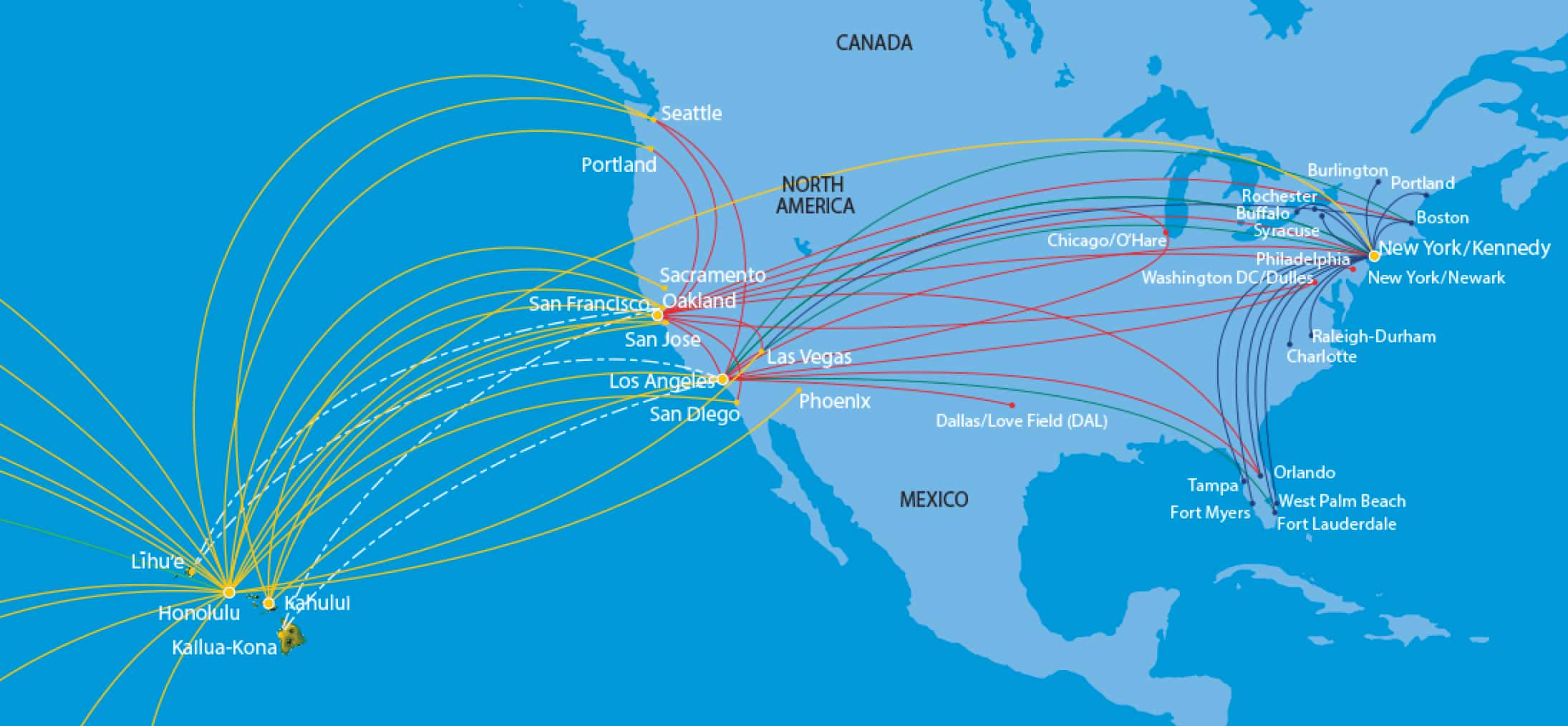
- Departure City: This is perhaps the most significant factor. Flights originating from the West Coast of the United States or Canada will naturally be shorter than those from the East Coast or Midwest. Cities like Los Angeles, San Francisco, and Seattle serve as primary hubs for Hawaiian travel.
- Destination Island: While Honolulu on Oahu is the most common entry point, direct flights are also available to Maui (Kahului Airport), the Big Island (Kona International Airport or Hilo International Airport), and Kauai (Lihue Airport). Flights to these outer islands might add a short amount of time compared to a direct flight to Honolulu, or require a connecting inter-island flight.
- Aircraft Type and Speed: Modern jetliners generally fly at similar cruising speeds, but minor differences can exist. Larger, more efficient aircraft often used on these long-haul routes are designed for comfort and speed.
- Wind Conditions (Jet Stream): The powerful jet stream flows from west to east. This means that eastbound flights (return trips from Hawaii) often benefit from tailwinds, making them slightly shorter, while westbound flights (to Hawaii) might face headwinds, slightly extending the journey. This effect can range from 30 minutes to over an hour.
- Layovers and Connections: Opting for a connecting flight will significantly increase your total travel time. While often more budget-friendly, the convenience of a direct flight typically outweighs the savings for a journey of this length, especially when considering the preciousness of vacation days.
Typical Flight Times from Major North American Hubs
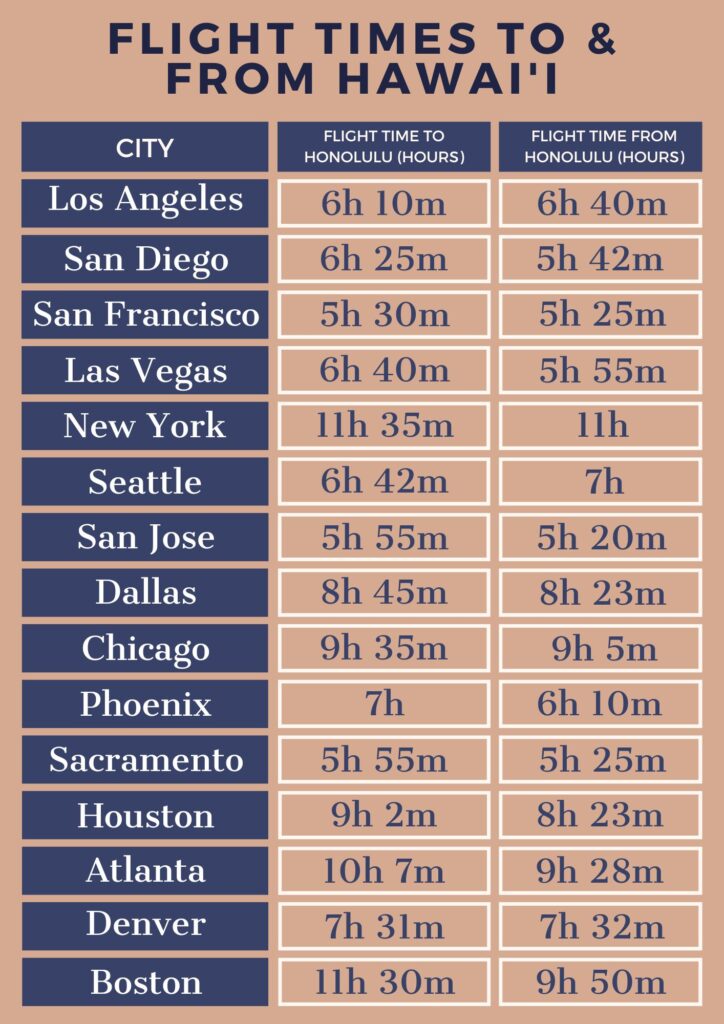
To give you a clearer picture, here’s an approximate breakdown of direct flight durations to Honolulu (Oahu), the primary gateway, from various major cities:
- West Coast (United States & Canada):
- From Los Angeles, San Francisco, San Jose, Portland, Seattle, Vancouver, Calgary: Approximately 5 to 6 hours. These are typically the shortest routes and most popular departure points.
- Mountain States/Southwest:
- From Denver, Phoenix, Salt Lake City: Approximately 6 to 7 hours.
- Midwest:
- From Chicago, Dallas, Houston, Minneapolis: Approximately 7.5 to 9 hours. These are longer flights, sometimes pushing the boundaries of what many consider a “long” flight.
- East Coast:
- From New York City, Boston, Washington D.C., Atlanta, Orlando: Approximately 9.5 to 11+ hours. These are very long flights, often comparable to transatlantic journeys, and direct options can be less frequent.
It’s important to note that these are approximate block times (gate-to-gate) and actual airborne time may be slightly less. Always check with your specific airline for precise flight schedules and durations.
Navigating Your Hawaiian Arrival: Airports and Logistics
Once you’ve considered the flight duration, the next step is to prepare for your arrival in paradise. Choosing the right Hawaiian airport and understanding how to manage the time zone difference are crucial for a smooth start to your vacation.
Choosing Your Island Gateway
Hawaii boasts several international airports, each serving as a unique gateway to its respective island’s wonders:
- Daniel K. Inouye International Airport (HNL): Located in Honolulu on Oahu, this is the largest and busiest airport in Hawaii, handling the vast majority of international and mainland flights. It’s the primary hub for exploring Waikiki Beach, Pearl Harbor, and the vibrant city life of Honolulu. Many travelers choose to fly into HNL and then take a short inter-island flight to their final destination.
- Kahului Airport (OGG): Serving Maui, OGG is a popular choice for those heading straight to the “Valley Isle” to experience Road to Hana, Haleakala National Park, and its world-class resorts.
- Kona International Airport (KOA): Located on the west side of the Big Island of Hawaii, KOA is convenient for visitors exploring the Kona coffee farms, snorkeling in Kealakekua Bay, and the sunny Kohala Coast.
- Hilo International Airport (ITO): On the east side of the Big Island, ITO is the ideal airport for those focused on Volcanoes National Park, the lush Hilo rainforests, and Akaka Falls.
- Lihue Airport (LIH): The gateway to Kauai, the “Garden Isle,” LIH offers access to the dramatic Na Pali Coast, Waimea Canyon, and abundant outdoor activities.
Consider which island aligns best with your travel interests and whether a direct flight or a short connection is more suitable for your itinerary and accommodation booking.
Beating Jet Lag and Settling In
Hawaii observes Hawaii Standard Time (HST), which does not follow daylight saving. This means a significant time difference from the mainland United States:
- 2 hours behind Pacific Daylight Time (PDT)
- 3 hours behind Pacific Standard Time (PST)
- 5 hours behind Central Daylight Time (CDT)
- 6 hours behind Central Standard Time (CST)
- 5 hours behind Eastern Daylight Time (EDT)
- 6 hours behind Eastern Standard Time (EST)
This time difference, combined with a long flight, can lead to jet lag. To minimize its effects:
- Adjust Before You Go: Try to shift your sleep schedule by an hour or two in the days leading up to your trip.
- Hydrate: Drink plenty of water on the flight and avoid excessive alcohol or caffeine.
- Set Your Watch: Change your watch to Hawaii time as soon as you board the plane.
- Embrace the Sun: Upon arrival, expose yourself to natural light. Go for a walk on the beach or by the pool to help reset your internal clock.
- Stay Active: Gentle exercise can help.
- Avoid Naps (if possible): Try to stay awake until a reasonable bedtime in Hawaii. If you must nap, keep it short.
By proactively managing jet lag, you can quickly immerse yourself in the local culture and begin your Hawaiian adventures without losing precious vacation time feeling groggy.
Maximizing Your Hawaiian Experience: Beyond the Flight
The flight to Hawaii is merely the prelude to an extraordinary experience. Once you’ve landed and settled in, the true magic of the islands unfolds, inviting you to explore, relax, and indulge. This is where your travel planning moves beyond logistics to embrace the heart of what makes Hawaii a world-class destination, perfectly aligning with diverse lifestyle preferences, whether you’re seeking luxury travel or a budget-friendly family trip.
Embracing the Spirit of Aloha: Culture and Activities
Hawaii is more than just beautiful beaches; it’s a vibrant tapestry of Polynesian culture, rich history, and thrilling outdoor pursuits. Engaging with these aspects creates a truly memorable tourism experience:
- Cultural Immersion: Attend a traditional luau to enjoy local food, music, and hula dancing. Visit historical landmarks like Pearl Harbor National Memorial on Oahu or the ancient Pu’uhonua o Honaunau National Historical Park on the Big Island. Learn a few Hawaiian phrases like “Aloha” (hello/goodbye/love) and “Mahalo” (thank you) to connect with the local community.
- Adventure and Nature: Each island offers unique attractions. Hike to the summit of Diamond Head for panoramic views of Waikiki, explore the lush trails of Waimea Canyon on Kauai, or witness active volcanoes at Hawaii Volcanoes National Park. Water activities abound, from surfing lessons on the North Shore of Oahu to snorkeling with manta rays in Kona.
- Culinary Delights: Hawaiian cuisine is a fusion of Polynesian, Asian, and American influences. Savor fresh poke, kalua pig, loco moco, and tropical fruits. Explore farmers’ markets for fresh produce and unique treats. Many resorts and hotels offer exceptional dining experiences, from casual beachfront eateries to fine dining establishments.
Accommodation Choices: From Luxury Resorts to Cozy Villas
Your choice of accommodation significantly impacts your Hawaii experience. The islands cater to every preference and budget, ensuring you find the perfect home base for your adventures.
- Luxury Resorts: For those seeking ultimate indulgence, Hawaii is home to some of the world’s most opulent resorts. Brands like [Four Seasons Resort Maui at Wailea](https://lifeoutofthebox.com/four- Seasons-resort-maui-at-wailea), The Ritz-Carlton, Kapalua, or Grand Hyatt Kauai Resort & Spa offer exquisite suites, world-class spas, infinity pools, gourmet dining, and personalized service. These properties often feature stunning oceanfront locations and extensive amenities, ideal for a honeymoon or a special occasion.
- Hotels and Suites: A wide range of hotels and suites cater to various budgets, from well-known chains like Marriott and Hilton to boutique options. These often provide comfortable amenities, convenient locations near attractions, and sometimes include breakfast or kitchenettes, making them suitable for family trips or longer stays. Waikiki on Oahu is particularly abundant with hotel choices.
- Vacation Rentals (Apartments & Villas): For a more private or authentic experience, or for groups and long-term stays, apartments and villas are excellent options. Platforms allow you to book properties ranging from cozy studios to expansive beachfront estates. This offers flexibility, often with full kitchens, laundry facilities, and a chance to live more like a local. This choice aligns well with those seeking a budget travel experience or families who need more space.
- Boutique Stays and Guesthouses: Discover charming guesthouses or boutique hotels that offer a more intimate and personalized atmosphere, often reflecting the unique character of the island they’re on.
When considering accommodation, factors like location (beachfront vs. town), amenities (pool, spa, restaurant), and reviews are paramount. Utilizing comparison websites for booking can help secure the best deals.
Crafting Your Ideal Hawaiian Adventure
Planning your Hawaii vacation involves more than just booking a flight and a hotel. It’s about designing an itinerary that aligns with your interests and pace.
- Island Hopping: Don’t limit yourself to one island. Consider visiting two or three islands to experience the diverse landscapes and cultures Hawaii offers. Inter-island flights are short (30-60 minutes) and frequent, making it easy to hop between Oahu, Maui, the Big Island, and Kauai.
- Activities for All: Whether you’re a thrill-seeker, a history buff, a nature lover, or simply want to relax, Hawaii has something for everyone. From snorkeling in Molokini Crater to watching the sunrise from Haleakala, or exploring the vibrant marine life at Hanauma Bay, the options are endless. Travel guides can be invaluable for discovering hidden gems and must-see sites.
- Budgeting: Hawaii can cater to various budgets. While it’s known for its luxury offerings, it’s also possible to have a fantastic budget travel experience by opting for vacation rentals, cooking some of your meals, and seeking out free or low-cost activities like hiking and beach days. Plan your expenses, including flights, accommodation, food, activities, and transportation, to ensure a stress-free trip.
Planning Your Dream Hawaiian Getaway
Ultimately, the answer to “How long to fly to Hawaii?” is a starting point for a much larger and more exciting conversation about your impending adventure. While the flight itself is a significant journey, typically ranging from 5 to 11+ hours depending on your origin, it’s a small investment of time for the unparalleled rewards that await. The moment you step off the plane and are greeted by the warm, fragrant air and the welcoming “Aloha” spirit, any weariness from the journey will melt away.
Your Hawaii trip is an opportunity to create lasting memories, whether you’re exploring ancient volcanoes, relaxing on pristine beaches, delving into vibrant local culture, or indulging in world-class resort amenities. By carefully planning your flights, choosing the right island gateway, managing potential jet lag, and thoughtfully selecting your accommodations and activities, you’ll ensure that every moment in the Aloha State is cherished. From the detailed travel guides to the comprehensive hotel reviews and insights into local food and attractions, the journey to Hawaii and the experiences within it are endlessly fascinating. So, pack your bags, prepare for a long but worthwhile flight, and get ready to discover your own piece of paradise.