
Hawaii, a captivating archipelago of volcanic islands in the central Pacific Ocean, holds a unique place in the American consciousness. Its lush landscapes, vibrant culture, and alluring beaches have made it a dream destination for travelers worldwide. But beyond the allure of sun-drenched shores and volcanic wonders, lies a rich history that shaped its identity, culminating in its long-awaited statehood. The question of “How Long Has Hawaii Been A State?” is more than just a historical inquiry; it’s a gateway to understanding the complex journey of the Hawaiian Islands from an independent kingdom to the 50th state of the United States.
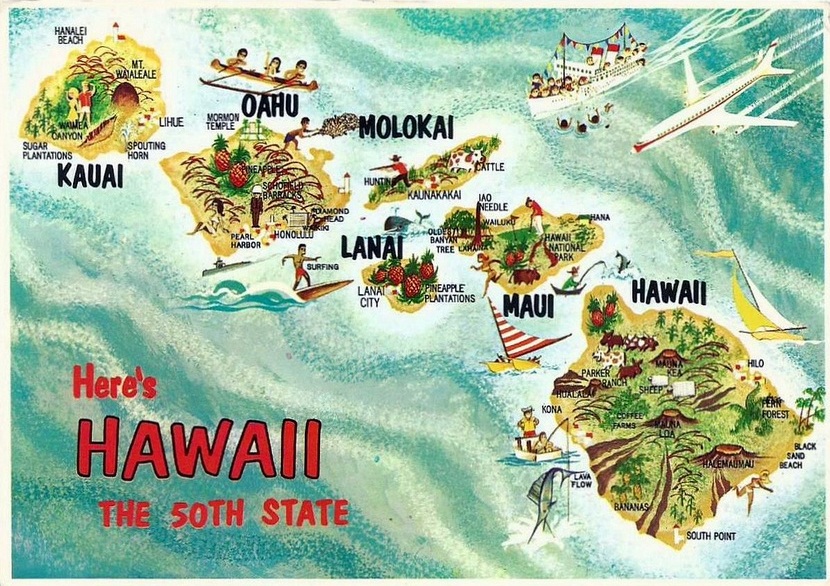
The Path to Statehood: A Journey Through Time
The story of Hawaii’s statehood is not a sudden event but a gradual unfolding of political, economic, and social forces. For centuries, the Hawaiian Islands were an independent Polynesian nation, governed by a succession of monarchs. The arrival of European explorers in the late 18th century marked the beginning of significant changes, leading to increased contact with the United States.
The Kingdom of Hawaii and Early Interactions
Before becoming a state, Hawaii was a sovereign kingdom. King Kamehameha I united the islands in 1810, establishing a constitutional monarchy. For much of the 19th century, Hawaii maintained its independence, fostering a unique blend of Polynesian traditions and growing international trade. American missionaries, businessmen, and whalers became increasingly influential in the islands, leading to economic ties and also to political pressures.
The American Civil War further intensified American interest in Hawaii, particularly due to its strategic location and the burgeoning sugar industry. As American businesses gained more economic control, the desire for annexation grew among certain factions within Hawaii, while many Native Hawaiians fiercely resisted the erosion of their sovereignty. This period was marked by a series of constitutional changes and shifts in power, ultimately leading to the overthrow of the monarchy.
The Overthrow of the Monarchy and the Republic of Hawaii
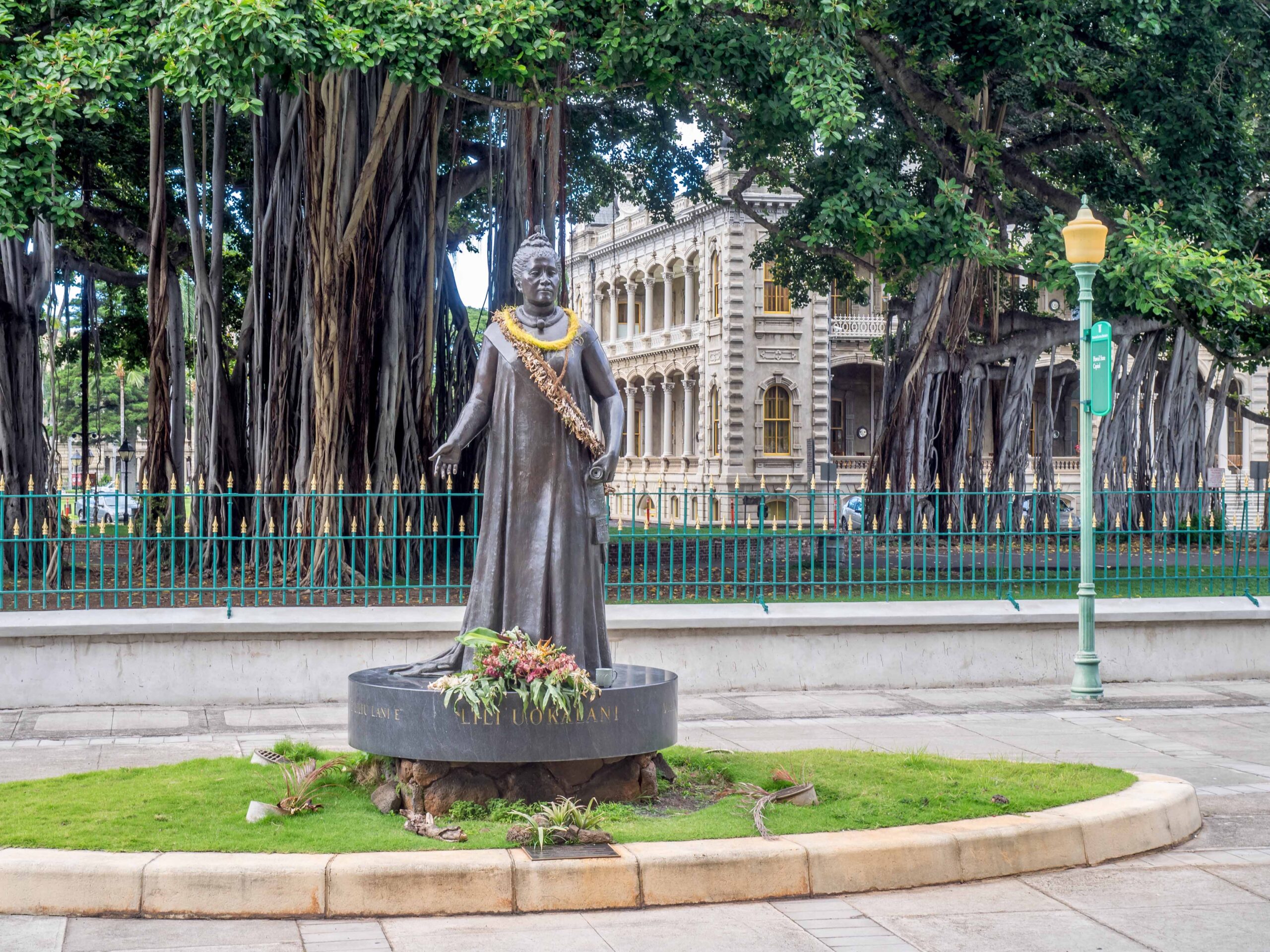
In 1893, a group of American and European businessmen, with the support of U.S. Marines, overthrew Queen Liliuokalani, the last reigning monarch of Hawaii. This event was a pivotal moment, signaling the end of Hawaiian independence and paving the way for eventual annexation. The Provisional Government was established, followed by the Republic of Hawaii in 1894, with Sanford B. Dole as its president. Despite protests from Native Hawaiians and their supporters, the United States gradually increased its influence.
Annexation by the United States
Initially, efforts to annex Hawaii faced opposition in the U.S. Congress. However, the outbreak of the Spanish-American War in 1898 underscored Hawaii’s strategic importance as a coaling station and naval base. This wartime necessity provided the impetus for annexation, and on July 7, 1898, President William McKinley signed the Newlands Resolution, formally annexing Hawaii as a territory of the United States.
A Territory Under the American Flag
As a U.S. territory, Hawaii experienced significant development, particularly in its infrastructure and economy. The U.S. military established a strong presence, with Pearl Harbor becoming a crucial naval base. The sugar and pineapple industries boomed, attracting a diverse workforce from Asia and other parts of the world, which contributed to the multicultural fabric of the islands.

Economic and Social Transformation
The territorial period saw substantial investments in roads, schools, and public services. The population grew, and the islands became a melting pot of cultures. However, the political landscape remained complex, with ongoing debates about the rights and representation of Native Hawaiians.
The Road to Statehood Debates
The desire for full statehood grew throughout the mid-20th century. Advocates argued that statehood would grant Hawaii equal representation in Congress, greater political autonomy, and full participation in the American democratic process. However, various factors, including racial prejudices, Cold War geopolitical concerns, and opposition from some segments of the American political establishment, stalled these efforts for decades.
The Korean War and the growing strategic importance of the Pacific region brought renewed attention to Hawaii’s territorial status. Advocates tirelessly lobbied Congress, highlighting the islands’ contributions to the U.S. economy and its strategic value. The diverse population of Hawaii, comprising Native Hawaiians, Caucasians, Asians (including Japanese, Chinese, and Filipino immigrants), and others, was increasingly seen as a testament to American ideals.
Hawaii Becomes the 50th State
After years of debate and persistent efforts, the tide finally turned in favor of statehood. The political climate in Washington D.C. shifted, and bipartisan support for Hawaii’s admission to the Union began to solidify.
The Statehood Act and Official Admission
On March 18, 1959, President Dwight D. Eisenhower signed the Hawaii Admission Act, paving the way for the islands to become a state. The act was ratified by the Hawaiian people in a referendum held on June 27, 1959, with an overwhelming majority voting in favor of statehood.
Finally, on August 21, 1959, Hawaii was officially proclaimed the 50th state of the United States. This marked the culmination of a long and arduous journey, transforming the archipelago from a sovereign kingdom and then a territory into a full partner within the American federation. The admission brought with it representation in the U.S. Senate and House of Representatives, and the right to vote in presidential elections.
Legacy and Continued Journey
Since becoming a state, Hawaii has continued to evolve, balancing its unique cultural heritage with the demands of modern society and the burgeoning tourism industry. The question of “How Long Has Hawaii Been A State?” is answered with a specific date: August 21, 1959. However, the narrative extends far beyond this single date, encompassing centuries of history, cultural exchange, and political transformation.
For travelers planning a visit to this island paradise, understanding this history adds a profound layer to their experience. Whether exploring the historical grounds of Pearl Harbor, hiking through lush rainforests to discover hidden waterfalls, or indulging in the vibrant culinary scene, a deeper appreciation for Hawaii’s journey enriches every moment. From the grandeur of Diamond Head to the serene beauty of the Na Pali Coast, each landmark tells a part of the story of this extraordinary place.
The allure of Hawaii lies not only in its breathtaking natural beauty and luxurious accommodations, such as the Grand Wailea Maui, A Waldorf Astoria Resort, or the iconic Moana Surfrider, A Westin Resort & Spa, but also in its rich tapestry of history and culture. The journey to statehood is a testament to the resilience of its people and the enduring spirit of the islands. As visitors immerse themselves in the local culture, savoring dishes like poke or laulau, and exploring sites like the Iolani Palace, they become part of a continuing narrative, one that began long before statehood and continues to unfold today. The Hawaiian Islands, a jewel in the Pacific, stand as a vibrant reminder of a complex past and a dynamic present, inviting all to discover its many wonders.
LifeOutOfTheBox is a participant in the Amazon Services LLC Associates Program, an affiliate advertising program designed to provide a means for sites to earn advertising fees by advertising and linking to Amazon.com. Amazon, the Amazon logo, AmazonSupply, and the AmazonSupply logo are trademarks of Amazon.com, Inc. or its affiliates. As an Amazon Associate we earn affiliate commissions from qualifying purchases.