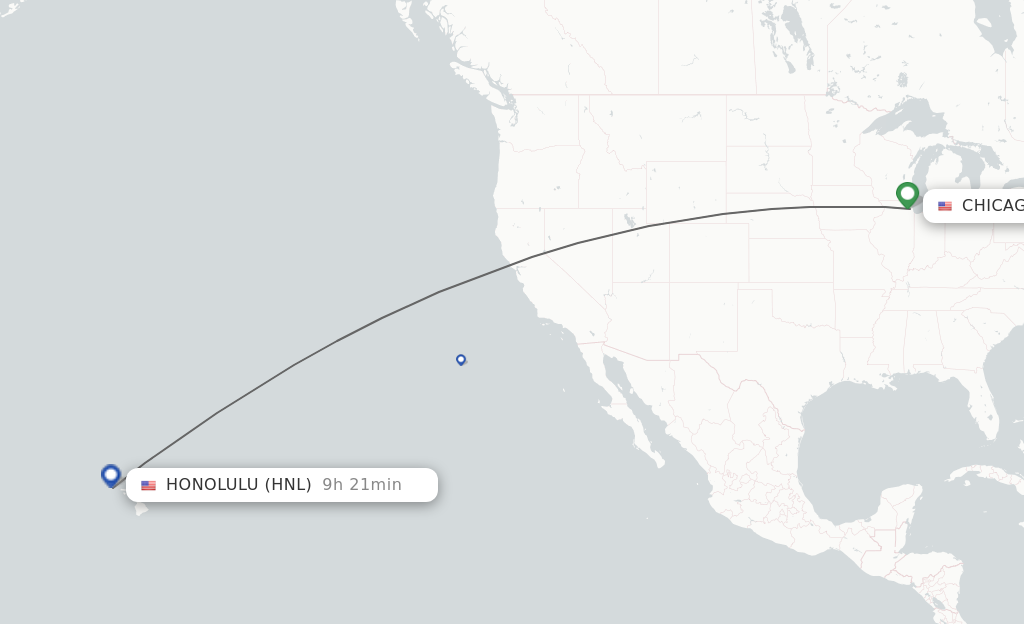
Embarking on a journey from the bustling heart of the Midwest, Chicago, to the tranquil, sun-kissed shores of Hawaii is a dream for many. This epic voyage transcends mere travel; it’s a passage from urban dynamism to island serenity, promising an escape filled with breathtaking landscapes, rich cultural experiences, and unparalleled relaxation. However, before you can don your lei and dip your toes into the warm Pacific Ocean, a crucial question often arises: how long is the flight? This isn’t just about the hours spent in the air; it encompasses the entire travel experience, from strategic planning to ensuring comfort on one of the longest domestic flights within the United States.
Understanding the duration of your flight is paramount for planning your itinerary, managing expectations, and preparing for the unique challenges of long-haul travel. Whether you’re seeking a luxurious retreat, a budget-friendly adventure, a memorable family trip, or a blend of business and leisure, the journey to the Aloha State from Chicago demands careful consideration. This comprehensive guide will delve into the intricacies of this transatlantic route, covering everything from typical flight times and influencing factors to practical tips for a comfortable journey and an introduction to the diverse wonders awaiting you in Hawaii.
Understanding the Direct Flight Duration from the Midwest to Paradise
The allure of a direct flight is undeniable, especially when contemplating a journey spanning over 4,000 miles across the Continental US and a significant portion of the Pacific Ocean. While direct options from Chicago to Hawaii exist, they are not as frequent as those from major West Coast hubs. When available, these non-stop flights offer the most efficient way to reach your island paradise.
Typical Flight Times to Key Hawaiian Islands
The precise flight duration depends on your final destination within Hawaii, as the archipelago comprises several major islands, each with its own international airport.
- To Honolulu (HNL), Oahu: As the primary gateway to Hawaii and home to the busiest airport, flights to Honolulu are often the most direct and frequent. A non-stop flight from Chicago O’Hare International Airport (ORD) to Honolulu typically ranges from 9 hours to 9 hours and 45 minutes. This duration accounts for the vast distance and the prevailing winds.
- To Kahului (OGG), Maui: Maui, renowned for its stunning beaches and volcanic landscapes, also sees direct flights from Chicago, though less frequently than Honolulu. Expect a direct flight to Kahului to be in the range of 9 hours and 30 minutes to 10 hours.
- To Kona (KOA), Big Island: The Big Island, with its active volcanoes and diverse climate zones, might have occasional direct service. If available, a flight to Kona would be similar to Maui, around 9 hours and 45 minutes to 10 hours and 15 minutes.
- To Lihue (LIH), Kauai: Direct flights to Kauai, the “Garden Isle,” are rare from Chicago. If one were offered, it would likely be the longest, potentially exceeding 10 hours.
It’s important to note that direct flights are generally offered by major carriers during peak travel seasons or on specific days of the week. Always check with airlines directly for the most up-to-date schedule.
Factors Influencing Your Flight Time
While the above figures provide a solid baseline, several variables can subtly, or significantly, alter your actual flight time:
- Headwinds and Tailwinds: The most impactful natural factor is wind. Flights from Chicago to Hawaii generally travel west, often contending with prevailing westerly headwinds across the Pacific Ocean. These headwinds can add 30 minutes to an hour or more to the flight duration. Conversely, a strong tailwind could shave off some time, but this is less common on westbound trans-Pacific routes.
- Aircraft Type and Speed: Different aircraft models have varying cruising speeds. Newer, more fuel-efficient planes might maintain slightly faster speeds, while older models could take a bit longer. However, these differences are usually minor in the grand scheme of a 9-10 hour flight.
- Air Traffic Control (ATC) and Route Optimization: ATC directives can necessitate minor deviations from the most direct flight path to avoid congestion or adverse weather. Airlines also continuously optimize routes for fuel efficiency and passenger comfort, which can lead to slight variations in flight time.
- Gate Delays and Taxiing: The reported flight time typically refers to “block time” (from pushback to gate arrival), but actual airborne time can be shorter. However, extensive taxiing at busy airports like O’Hare or delays in takeoff/landing clearances can add to the overall journey time.
Navigating Connecting Flights and Layover Realities
For many travelers from Chicago, a direct flight to Hawaii may not be available or might come at a premium price. This makes connecting flights a common and often more economical option. While adding to the total travel time, connecting flights can also offer more flexibility in scheduling and choice of airlines.
Common Layover Hubs and Their Impact on Travel
Most connecting flights from Chicago to Hawaii will route through major airports on the West Coast of the United States. These cities serve as crucial gateways to the Pacific.
- Los Angeles (LAX): As one of the busiest airports in the world, LAX is a very common layover point. The first leg from Chicago to Los Angeles typically takes around 4 hours. The subsequent flight from Los Angeles to Honolulu is approximately 5 hours and 30 minutes. Adding a layover of 2-4 hours, your total travel time could easily range from 11 to 14 hours.
- San Francisco (SFO): Another popular West Coast hub, SFO offers similar routing. The Chicago to San Francisco leg is about 4 hours and 15 minutes, followed by a 5-hour and 45-minute flight to Honolulu. Total travel time with a layover would be comparable to LAX, between 11.5 and 14.5 hours.
- Phoenix (PHX), Denver (DEN), Seattle (SEA), and Portland (PDX): Other less frequent, but viable, layover options include these cities. While the flight from Chicago to these cities might be slightly shorter or longer than to LAX or SFO, the trans-Pacific leg from them to Hawaii will generally take 5 to 6 hours. Expect total travel times in the 12 to 15-hour range, depending on the layover length.
When booking connecting flights, pay close attention to the layover duration. Too short a layover (under 90 minutes) can be risky for tight connections, especially if the first flight is delayed. Too long a layover, while offering a chance to stretch or grab a meal, will significantly extend your overall travel time.
Major Airlines Serving the Chicago-Hawaii Route
Several major airlines facilitate travel from Chicago to Hawaii, both directly and with connections. Each offers different services, comfort levels, and pricing, catering to various travel lifestyles, from budget-conscious to luxury seekers.
- United Airlines: Often a key player at Chicago O’Hare, United Airlines frequently offers direct flights to Honolulu and Maui during peak seasons. They also have extensive connecting options through their hubs in Denver, Los Angeles, and San Francisco.
- American Airlines: Another major carrier with a strong presence in Chicago, American Airlines provides connecting flights primarily via Phoenix or Los Angeles. Direct flights are less common but can appear seasonally.
- Delta Air Lines: While not as dominant in Chicago as United or American, Delta Air Lines offers routes to Hawaii with connections through hubs like Seattle, Los Angeles, or even occasionally Minneapolis.
- Southwest Airlines: Known for its budget-friendly options, Southwest Airlines typically requires connections, often through California airports like Oakland, San Jose, or Sacramento, before continuing to various Hawaiian islands.
- Hawaiian Airlines: While not offering direct flights from Chicago, Hawaiian Airlines is the premier carrier for inter-island travel and frequently partners with mainland airlines, making them an excellent choice for the trans-Pacific leg from West Coast hubs.
- Alaska Airlines: Primarily serving the West Coast, Alaska Airlines can be a good option for the second leg of your journey after flying from Chicago to cities like Seattle or Portland.
When selecting an airline, consider not just the price but also baggage allowances, in-flight amenities, seat pitch, and loyalty program benefits, especially for such a long journey.
Preparing for Your Trans-Pacific Journey: Tips for a Comfortable Flight
A flight from Chicago to Hawaii is a significant undertaking, whether direct or with connections. To ensure your long-haul experience is as comfortable and stress-free as possible, a little preparation goes a long way. This is where the “lifestyle” aspect of travel truly comes into play.
In-Flight Essentials for Long-Haul Travel
Being prepared with the right items can transform your journey from tolerable to enjoyable.
- Comfortable Clothing: Opt for loose-fitting, breathable layers. Compression socks can also be beneficial to promote circulation and reduce swelling on long flights.
- Hydration: The dry cabin air can quickly lead to dehydration. Drink plenty of water before and during your flight. Avoid excessive alcohol and caffeine, which can exacerbate dehydration. Bring an empty reusable water bottle to fill after security.
- Snacks: While airlines offer meals, having your favorite healthy snacks on hand can curb hunger pangs and provide a sense of familiarity.
- Entertainment: Load up your devices with movies, TV shows, podcasts, and e-books. Don’t forget noise-canceling headphones for a more immersive experience and to block out cabin noise. Many airlines offer in-flight entertainment, but having your own backup is always a good idea.
- Sleep Aids: A comfortable neck pillow, eye mask, and earplugs can be invaluable for catching some rest, especially if you’re flying overnight.
- Personal Hygiene Kit: A small bag with a toothbrush, toothpaste, moisturizer, lip balm, and hand sanitizer can help you feel refreshed.
- Movement: Get up and walk around the cabin periodically to stretch your legs and prevent stiffness. Perform simple stretches in your seat.
Battling Jet Lag and Arriving Refreshed
Hawaii is 5 hours behind Chicago during Daylight Saving Time (e.g., Chicago 1 PM = Hawaii 8 AM) and 4 hours behind during Standard Time. This time difference can lead to significant jet lag upon arrival.
- Adjust Before You Fly: A few days before your trip, try to gradually shift your sleep schedule closer to Hawaiian time.
- Set Your Watch: As soon as you board, set your watch to Hawaiian time. This mental adjustment helps you start thinking in the new time zone immediately.
- Hydrate and Avoid Heavy Meals: As mentioned, staying hydrated is key. Light, healthy meals on the flight are better than heavy ones that can disrupt your sleep and digestion.
- Sleep Strategically: If it’s nighttime in Hawaii, try to sleep on the plane. If it’s daytime, try to stay awake and engage in activities.
- Embrace the Sun Upon Arrival: Once you land, expose yourself to natural light as much as possible, especially in the morning. This helps reset your circadian rhythm. Avoid napping for too long if you arrive during the day.
- Moderate Activity: Light exercise or a swim can help you feel better, but avoid strenuous activity on your first day.
- Prioritize Sleep: Get a good night’s sleep your first night, even if it means going to bed earlier than usual.
Beyond the Flight: Making the Most of Your Hawaiian Adventure
Once you’ve successfully navigated the long flight from Chicago and adjusted to “island time,” the real adventure begins. Hawaii offers a kaleidoscope of experiences, from vibrant local culture and exquisite food to stunning natural landmarks and luxurious resorts, catering to every travel preference.
Choosing Your Ideal Hawaiian Island Experience
Each of Hawaii’s main islands possesses a distinct personality and appeal, making the choice of where to stay a significant part of your planning.
- Oahu: The Gathering Place: Home to Honolulu, Waikiki Beach, and historical sites like Pearl Harbor, Oahu is the most populous and bustling island. It offers a blend of urban amenities, world-class dining, and iconic surf spots, perfect for first-time visitors or those seeking a lively atmosphere and easy access to attractions like Diamond Head. Accommodation ranges from towering resorts like the Outrigger Waikiki Beach Resort to luxury options like the Four Seasons Resort Oahu at Ko Olina.
- Maui: The Valley Isle: Known for its romantic ambiance, pristine beaches (including the famous Ka’anapali Beach), the scenic Road to Hana, and opportunities for whale watching, Maui is a favorite for couples and families. Resorts such as the Hyatt Regency Maui Resort and Spa exemplify the island’s luxurious offerings. Activities like the Maui Pineapple Tour provide unique cultural insights.
- Big Island: The Orchid Isle/Volcano Island: The youngest and largest island, the Big Island boasts incredible natural diversity, from active volcanoes at Volcanoes National Park to snow-capped peaks of Mauna Kea. It’s ideal for adventure seekers interested in hiking, stargazing, and exploring diverse landscapes. Kona coffee tours and manta ray night dives are popular experiences.
- Kauai: The Garden Isle: Lush, green, and less developed, Kauai is perfect for nature lovers and those seeking tranquility. Its dramatic Na Pali Coast and the majestic Waimea Canyon offer unparalleled scenic beauty. Hiking, kayaking, and helicopter tours are popular ways to explore its wonders.
Accommodation and Tourism in the Aloha State
Hawaii’s accommodation landscape is as varied as its geography, catering to every taste and budget. You can find sprawling resorts with lavish amenities, boutique hotels offering intimate experiences, family-friendly apartments, luxurious private villas, and more budget-conscious options through platforms like Airbnb or VRBO. Booking in advance, especially for popular destinations and during peak seasons, is always recommended to secure the best rates and availability.
Beyond your chosen dwelling, Hawaii invites visitors to immerse themselves in its vibrant local culture. Participate in a traditional Luau to experience Hawaiian food, music, and dance. Explore local markets for unique crafts and fresh produce. Learn a few basic Hawaiian phrases like “Aloha” (hello, goodbye, love) and “Mahalo” (thank you) to engage respectfully with residents. Engage in activities like surfing lessons, snorkeling, diving, or simply relaxing on the beach. From world-class golf courses to volcanic treks, the islands offer an endless array of experiences to fill your days.
In conclusion, while the flight from Chicago to Hawaii is indeed a long one—ranging from roughly 9 to 15 hours depending on directness and layovers—it is a journey well worth undertaking. With careful planning, smart packing, and an understanding of what to expect, your travel experience can be smooth and set the perfect tone for an unforgettable adventure in one of the world’s most enchanting destinations. Prepare for the flight, but more importantly, prepare to be captivated by the magic of Hawaii.