
Embarking on a journey from the bustling heart of the American Midwest to the captivating allure of the Land of the Rising Sun is an adventure that promises unforgettable experiences. A common and crucial question for any traveler planning this transpacific voyage is, “How long is a flight from Chicago to Japan?” While the exact duration can fluctuate, understanding the key factors influencing flight times is essential for planning your itinerary, packing your bags, and preparing for the considerable distance you’ll be covering.
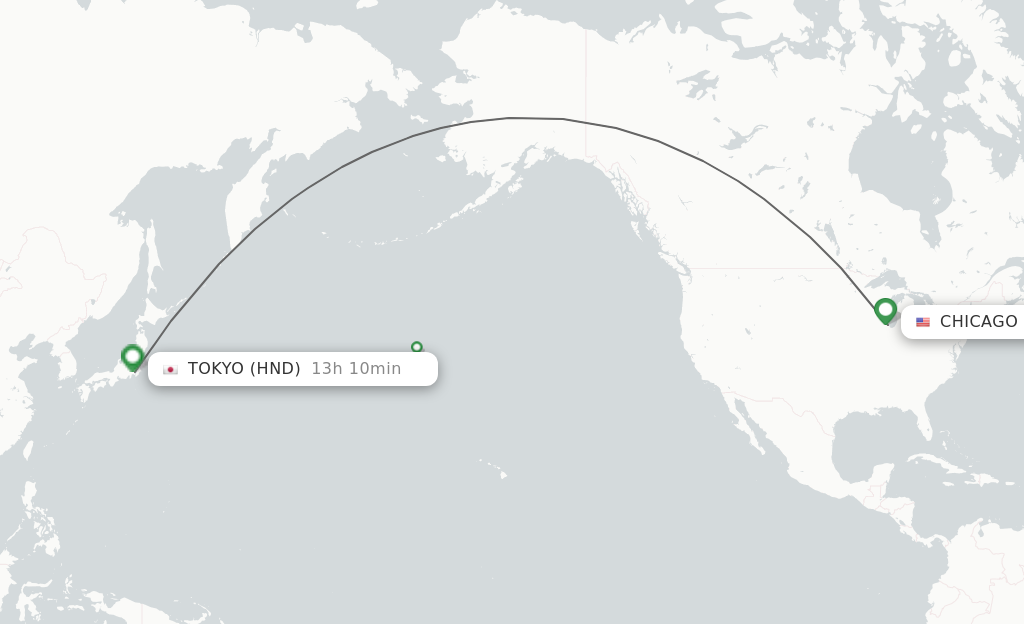
The direct flight time from Chicago to Japan is typically around 12 to 14 hours. This is for non-stop flights, which offer the most efficient way to bridge the vast geographical expanse separating these two nations. However, it’s important to remember that this is an average, and several variables can nudge this timeframe up or down. These include the specific route taken, prevailing wind conditions, the type of aircraft, and the particular airport in Japan you are flying into. For instance, a flight to Tokyo might have a slightly different duration than one heading to Osaka.
Understanding the Factors Affecting Flight Duration
The lengthy flight from Chicago to Japan is a testament to the immense distance involved, spanning over 6,000 miles (approximately 9,650 kilometers). This significant journey necessitates a careful consideration of several elements that collectively determine the overall travel time. Beyond the raw distance, atmospheric conditions and the chosen flight path play a critical role.
The Impact of Jet Streams and Flight Paths
One of the most significant factors influencing flight times across the Pacific is the presence of jet streams. These are fast-flowing, narrow air currents found in the Earth’s atmosphere. When flying eastward, especially from Asia to North America, pilots often utilize these jet streams to their advantage, gaining a significant speed boost and reducing flight time. Conversely, when flying westward from Chicago to Japan, aircraft are often flying against these prevailing winds, which can add to the overall duration.
Flight paths are meticulously planned to optimize for safety, fuel efficiency, and prevailing weather patterns, including these jet streams. While direct routes are always preferred, factors like air traffic control, weather diversions, and geopolitical considerations can sometimes necessitate slightly longer, indirect paths. These routes are carefully calculated to be the most efficient under the given circumstances, but they can add to the overall travel time.
Aircraft Type and Airline Operations
The specific aircraft model used for the flight can also subtly influence the duration. Modern, wide-body jets designed for long-haul travel are equipped with advanced aerodynamics and powerful engines, allowing them to maintain efficient cruising speeds. While the difference between various modern aircraft might be marginal, it can still contribute to slight variations in flight times.
Airlines also manage their operations with schedules that account for these variables. While the goal is always to adhere to estimated flight times, unexpected delays due to air traffic congestion, ground operations, or even minor mechanical checks can extend the time spent in the air or on the tarmac. For travelers, this means always factoring in a buffer for potential unforeseen circumstances.
Connecting Flights: The Extended Journey
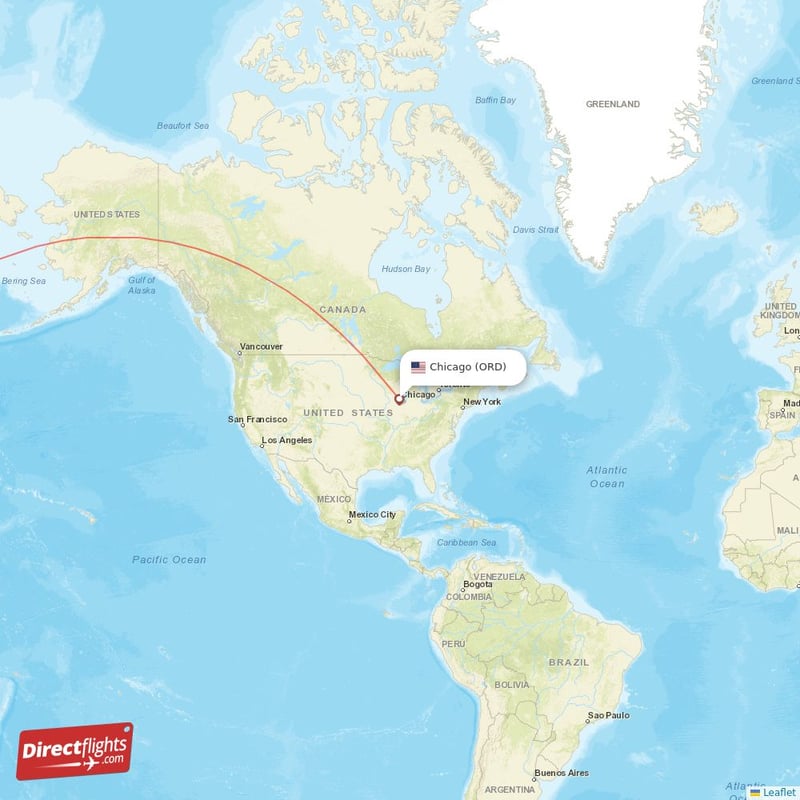
While direct flights from Chicago O’Hare International Airport to major Japanese hubs like Narita International Airport or Haneda Airport offer the quickest way to reach your destination, many travelers opt for flights with one or more layovers. These connecting flights can significantly extend your total travel time, often doubling it or even exceeding it, depending on the layover location and duration.
Popular Layover Hubs and Their Impact
Flights from Chicago to Japan with layovers often route through major international hubs in other parts of the United States or even in Asia. Common layover cities include:
- Seattle-Tacoma International Airport: A popular choice for many westbound flights, offering a gateway to the Pacific.
- San Francisco International Airport: Another significant West Coast hub with numerous flights to Asia.
- Los Angeles International Airport: A major gateway for transpacific travel, often serving as a connection point.
- Vancouver International Airport: A common layover point for flights traversing the northern Pacific.
The duration of your layover is the most critical factor when considering connecting flights. Short layovers of 1-2 hours can feel rushed, especially if you need to change terminals or go through security again. Conversely, layovers exceeding 4-5 hours can become tedious, turning your journey into an all-day affair. Some travelers strategically choose longer layovers to explore the layover city for a few hours, turning a necessity into a mini-travel experience, perhaps visiting a local attraction like the Space Needle in Seattle or enjoying some local cuisine.
Calculating Total Travel Time with Layover
To estimate the total travel time for a flight with layovers, you need to add:
- The flight time from Chicago to the layover city.
- The duration of the layover itself.
- The flight time from the layover city to your final destination in Japan.
For example, a flight with a layover in Seattle might involve:
- Chicago to Seattle: Approximately 4-5 hours.
- Layover in Seattle: 3 hours.
- Seattle to Tokyo: Approximately 10-11 hours.
This would result in a total travel time of roughly 17-19 hours, significantly longer than a direct flight. It’s always advisable to check the total journey time provided by the airline when booking, as this will include the layover durations.
Preparing for Your Long-Haul Journey
Understanding the flight duration is the first step in preparing for your trip to Japan. Whether you opt for a direct flight or a connecting journey, a long flight requires preparation to ensure comfort and minimize the effects of jet lag.
Maximizing Comfort on Board
To make your flight from Chicago to Japan as comfortable as possible, consider these tips:
- Choose your seat wisely: If possible, select a window seat for a sense of space and a view, or an aisle seat for easy access to restrooms and movement around the cabin. Many airlines offer premium economy or business class options for added comfort on long-haul flights, providing more legroom and better service. Consider luxury hotels like the Park Hyatt Chicago or resorts in Japan like the Imperial Hotel Tokyo for a taste of luxury before or after your travels.
- Pack smart: Bring essentials in your carry-on, including a neck pillow, eye mask, earplugs, and comfortable clothing. Layers are key as cabin temperatures can fluctuate.
- Stay hydrated and move: Drink plenty of water and avoid excessive alcohol and caffeine. Get up and walk around the cabin periodically to improve circulation and prevent stiffness.
- Entertainment: Download movies, music, or podcasts, and bring a book or e-reader. Most long-haul flights offer in-flight entertainment systems, but having your own backups can be beneficial.
Battling Jet Lag
The significant time difference between Chicago (Central Time) and Japan (Japan Standard Time) means you’ll gain hours as you travel west. This can lead to jet lag, characterized by fatigue, sleep disturbances, and digestive issues.
To mitigate jet lag:
- Adjust your sleep schedule gradually: A few days before your flight, try to shift your sleep and wake times closer to Japan’s time zone.
- Stay on Japan time: Once you board your flight, set your watch to Japan time and try to eat and sleep according to the local schedule.
- Maximize natural light: Upon arrival, expose yourself to natural sunlight as much as possible to help reset your body’s internal clock.
- Avoid long naps: If you must nap, keep it short (20-30 minutes) and avoid sleeping too close to your usual bedtime in Japan.
By understanding the flight duration and preparing accordingly, your journey from Chicago to the vibrant cities and serene landscapes of Japan can be a smooth and enjoyable prelude to the incredible experiences that await you. Whether you’re exploring the historic Kinkaku-ji temple in Kyoto, experiencing the modern marvels of Tokyo Tower, or indulging in the culinary delights of Osaka, your adventure begins long before you touch down.