
Embarking on a journey from the sun-drenched shores of Florida to the tropical paradise of Hawaii is a dream for many. The allure of volcanic landscapes, pristine beaches, and a unique Polynesian culture beckons travelers from across the globe. However, before you can feel the warm sands between your toes and witness a breathtaking Hawaiian sunset, you need to consider the significant time commitment involved in this transcontinental flight. Understanding the flight duration is crucial for planning your itinerary, packing appropriately, and mentally preparing for a long haul across the vast Pacific Ocean. This article delves into the intricacies of flight times, factors influencing them, and what to expect when traveling from the southeastern United States to the middle of the Pacific.

Understanding the Flight Duration
The most direct answer to “How long is a flight from Florida to Hawaii?” is that it varies considerably, but generally falls within a range of 9 to 12 hours for non-stop flights. However, it’s important to note that direct, non-stop flights from Florida to Hawaii are not as common as those from the West Coast of the United States. Most travelers will find themselves on flights with at least one layover, significantly extending the total travel time.
Factors Affecting Flight Time
Several elements contribute to the overall duration of your journey:
Route and Layover Cities
The primary factor influencing flight time is the route taken. Since Florida is on the Atlantic side of the United States and Hawaii is in the Pacific, a direct flight would require traversing the entire continental landmass. Consequently, most flights from Florida to Hawaii involve a stopover in a major hub city, typically on the West Coast. Common layover cities include:
- Los Angeles, California: A popular gateway for Hawaiian flights, a layover in Los Angeles is often part of the journey.
- San Francisco, California: Another significant West Coast hub, flights often connect through San Francisco.
- Seattle, Washington: While slightly further north, Seattle can also be a transit point.
- Dallas, Texas: Some routes may include a stop in Dallas before heading west.
The duration of the layover itself is another critical component. A short 1-hour layover will result in a much quicker journey than a 4-hour or longer stop.
Airline and Aircraft Type
Different airlines utilize various routes and aircraft. While major carriers like American Airlines, Delta Air Lines, and United Airlines offer extensive networks that connect Florida to Hawaii, their specific flight paths and aircraft efficiency can influence the time. Newer, more fuel-efficient aircraft may allow for slightly faster travel times, although the difference is usually marginal compared to the impact of layovers.
Wind Conditions and Jet Streams
Air travel is significantly influenced by prevailing wind patterns, particularly the jet streams. Flying eastbound often benefits from tailwinds, shortening flight times. Conversely, flying westbound, as is the case when traveling from Florida to Hawaii, can encounter headwinds that lengthen the journey. These natural phenomena, while unpredictable in their exact impact on any given day, are a constant factor in aviation.
Specific Airports in Florida and Hawaii
The exact departure and arrival airports can also play a minor role. Florida has several major international airports, including Orlando International Airport (MCO), Miami International Airport (MIA), and Tampa International Airport (TPA). Similarly, Hawaii has multiple airports across its islands, with Daniel K. Inouye International Airport (HNL) on Oahu being the busiest. The distance between these specific airports and the chosen layover city will subtly affect the overall flight duration.
Planning Your Journey: Connecting Flights and Total Travel Time
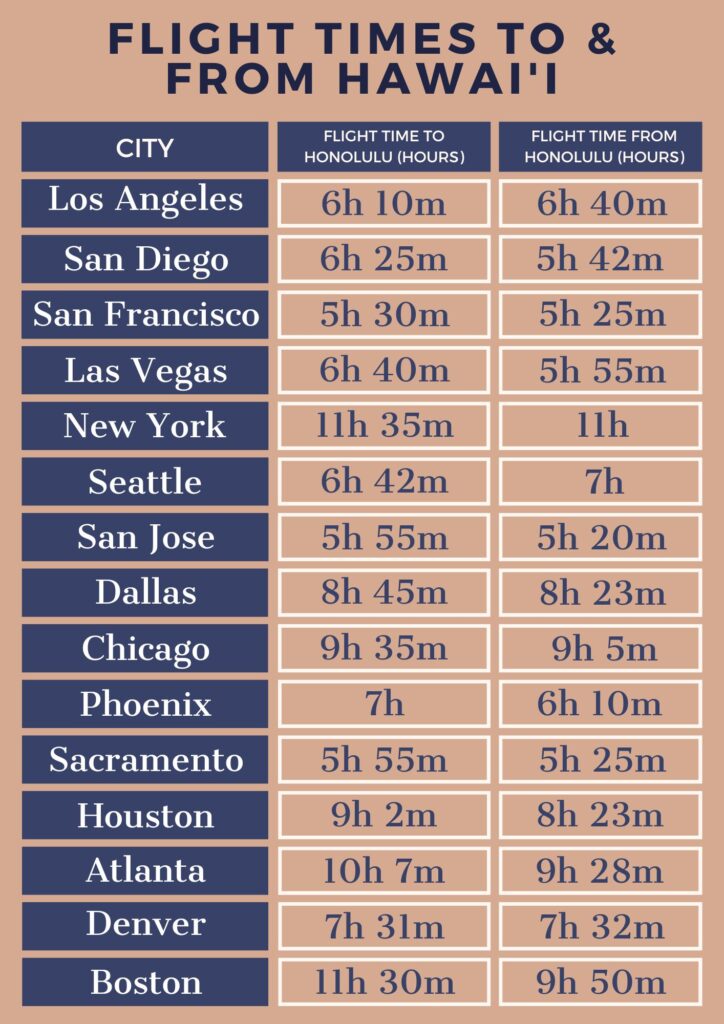
Given the lack of widespread direct flights, planning your trip from Florida to Hawaii requires a focus on connecting flights and managing the total travel time.
Typical Itinerary Breakdown
A typical flight itinerary from Florida to Hawaii might look something like this:
- Leg 1: Florida to West Coast Hub: This initial flight can range from 3 to 5 hours, depending on your departure city in Florida and your layover destination on the West Coast. For example, a flight from Miami to Los Angeles is approximately 5 hours.
- Layover: This is where the time can vary dramatically. A quick layover might be 1 to 2 hours, allowing for minimal waiting. However, some itineraries might involve longer layovers of 3 to 6 hours or even longer, especially if the traveler is seeking a more budget-friendly option with less convenient flight times.
- Leg 2: West Coast Hub to Hawaii: The flight from a West Coast city to Honolulu or another Hawaiian island is the longest segment, typically lasting around 5 to 6 hours.
Total Estimated Travel Time (including layover):
Adding these segments together, the total travel time for a flight from Florida to Hawaii with one layover generally falls between 9 and 15 hours. This figure includes the time spent in the air for both flight segments and the layover period.
Maximizing Your Experience Despite Long Travel
While a long flight can be daunting, strategic planning can help mitigate the challenges and even enhance your travel experience:
- Choose Your Layover Wisely: If you have the flexibility, opt for a layover city that offers something to explore, even if briefly. Some airports have excellent lounges, shopping, or dining options. For instance, a longer layover in San Francisco might allow for a quick visit to a nearby attraction if time permits and security procedures are favorable.
- Consider Overnight Layovers: For some, an overnight layover can break up the journey and allow for rest or a quick exploration of the layover city. Booking a hotel near the airport can make this a viable option, especially if you’re visiting destinations like Las Vegas or Los Angeles.
- Pack Smart for Comfort: Bring neck pillows, blankets, comfortable clothing, entertainment (books, downloaded movies, podcasts), and snacks. Staying hydrated and moving around the cabin during the flight is also essential for comfort.
- Adjust to Time Differences: Hawaii is significantly behind Florida in terms of time zones. Florida observes Eastern Standard Time (EST), while Hawaii observes Hawaii Standard Time (HST), which is 5 hours behind EST. This means you’ll lose hours as you travel west. Mentally prepare for this shift, as it will impact your arrival day and the immediate hours after landing.
Exploring Hawaiian Destinations from Florida
Once you’ve considered the flight duration, you can begin to think about the incredible Hawaiian islands awaiting you. Hawaii is an archipelago comprising several major islands, each offering a distinct experience.
Major Islands and Their Attractions
- Oahu: Home to Honolulu, the state capital, and the iconic Waikiki Beach. This island is a hub for history, culture, and vibrant city life. Visit the Pearl Harbor National Memorial, explore the legendary surf breaks of the North Shore, and hike up Diamond Head for panoramic views.
- Maui: Known for its stunning natural beauty, Maui offers diverse landscapes from the volcanic crater of Haleakala National Park to the lush rainforests along the Road to Hana. Popular activities include whale watching (in season), snorkeling at Molokini Crater, and enjoying the resorts and beaches in areas like Kaanapali.
- Kauai: The “Garden Isle” is famed for its dramatic cliffs of the Na Pali Coast, the vast canyon of Waimea Canyon (the “Grand Canyon of the Pacific”), and its abundance of natural beauty. It’s an ideal destination for hiking, kayaking, and exploring pristine natural wonders.
- Island of Hawaii (Big Island): The largest island offers incredible geological diversity, including the active volcanoes of Hawaii Volcanoes National Park, black sand beaches, and snow-capped mountains like Mauna Kea. You can experience everything from lava flows to coffee plantations in Kona.
Accommodation and Lifestyle Choices
When planning your stay in Hawaii, the type of accommodation will greatly influence your experience. Whether you’re seeking a luxurious resort experience in Maui, a charming villa near the beaches of Oahu, or a comfortable apartment for a longer stay, Hawaii offers a range of options.
- Luxury Travel: Hawaii is a premier destination for luxury travel, with world-class resorts such as the Four Seasons Resort Maui at Wailea or the Halekulani Hotel in Waikiki, offering impeccable service, stunning ocean views, and gourmet dining.
- Budget Travel: It’s possible to experience Hawaii on a budget by opting for hotels, condos, or vacation rentals slightly away from the prime tourist spots. Utilizing public transportation and enjoying local eateries can also significantly reduce costs.
- Family Trips: Islands like Oahu and Maui are particularly well-suited for family vacations, with numerous family-friendly resorts, activities like the Honolulu Zoo and the Maui Ocean Center, and beaches with calm waters.
- Long-term Stays: For those looking for an extended island escape, vacation apartments or long-term rental properties can provide a more home-like experience, allowing for deeper immersion into the local lifestyle.
Embracing Local Tourism
To truly appreciate Hawaii, engaging with local culture and activities is key. Sample the diverse food scene, from traditional luau feasts to fresh seafood and local produce. Participate in activities like surfing lessons on Waikiki Beach, snorkeling excursions, hiking volcanic trails, or simply relaxing on the beach. Understanding local customs and respecting the environment will enrich your trip immensely.
In conclusion, while a flight from Florida to Hawaii is a significant undertaking, typically ranging from 9 to 15 hours with a layover, the destination is undeniably worth the journey. With careful planning regarding flight routes, layovers, and accommodation, you can ensure a comfortable and memorable transition to this Pacific paradise, ready to explore its natural wonders, rich culture, and diverse lifestyle offerings.