
Embarking on a journey from the bustling metropolis of New York to the tropical paradise of Hawaii is a dream for many. The allure of volcanic landscapes, pristine beaches, and vibrant Polynesian culture draws travelers from across the globe. However, one of the most significant considerations for this transcontinental adventure is the flight duration. Understanding how long you’ll be airborne is crucial for planning, packing, and mentally preparing for the voyage. This comprehensive guide delves into the intricacies of flight times, factors influencing them, and what to expect on your journey to the Aloha State.
Understanding the Long Haul: Factors Affecting Flight Duration
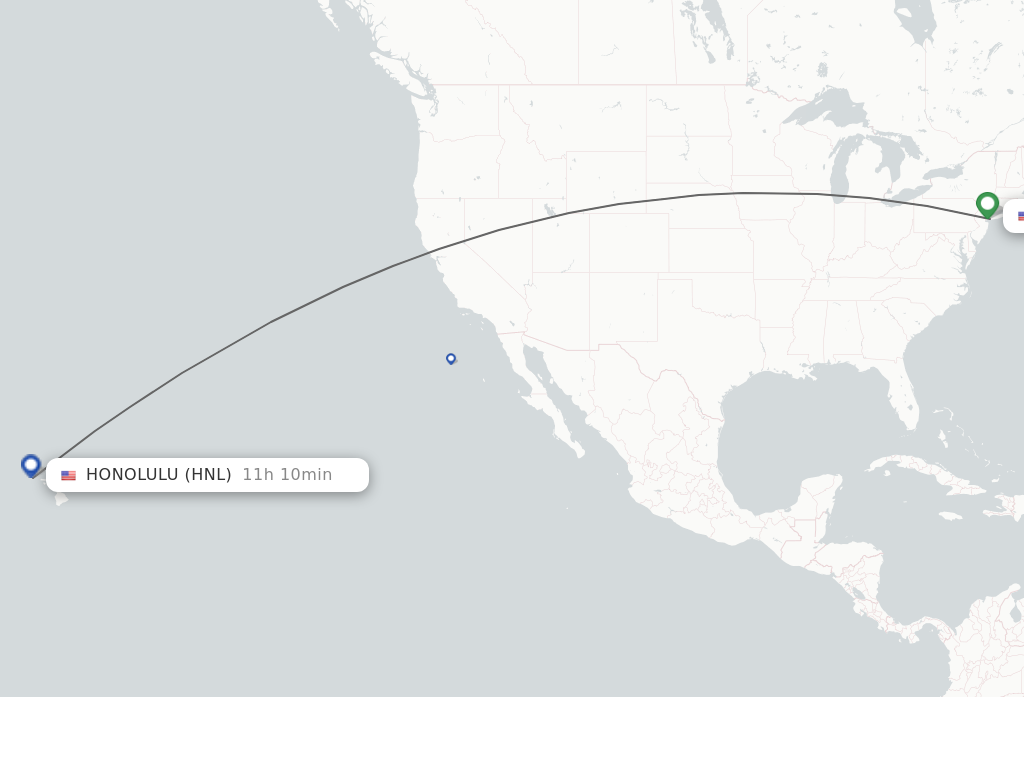
The distance between New York and Hawaii is substantial, covering thousands of miles across the continental United States and the Pacific Ocean. This vast expanse naturally translates to a lengthy flight. However, several variables can influence the exact time your aircraft spends in the air.
Direct vs. Connecting Flights
The most straightforward way to answer “How long is a flight from New York to Hawaii?” is to consider direct flights. These are the most efficient and typically the shortest in terms of travel time. A direct flight bypasses the need for layovers, allowing you to reach your destination without disembarking and re-boarding.
Direct Flight Durations:
For flights from major New York area airports, such as John F. Kennedy International Airport (JFK) or Newark Liberty International Airport (EWR), to the primary gateway in Hawaii, Daniel K. Inouye International Airport (HNL) in Oahu, the flight time generally ranges from 9 to 10.5 hours. This is the pure time spent in the air.
However, it’s vital to distinguish between flight time and total travel time. Total travel time includes:
- Time to get to the airport: Depending on your starting point in New York, this can range from 30 minutes to over an hour.
- Check-in and security: Airlines recommend arriving at the airport 2-3 hours before an international flight, and for a long domestic flight of this magnitude, 2 hours is a good benchmark.
- Boarding: The period before the aircraft doors close.
- Taxiing on the runway: Before takeoff.
- Flight time: The actual duration in the air.
- Deplaning: Disembarking the aircraft.
- Baggage claim: If you have checked luggage.
- Time to leave the airport: To reach your accommodation or final destination.
Therefore, while the flight might be around 9-10.5 hours, your total journey from leaving your New York accommodation to arriving at your Hawaii hotel could easily stretch to 12-15 hours, or even more.
Connecting Flights:
For travelers seeking more budget-friendly options or more flexible travel dates, connecting flights are a common choice. These flights will involve a stopover in a different city before continuing to Hawaii. Popular layover cities include Los Angeles, San Francisco, or even cities further east like Chicago or Dallas.
The duration of connecting flights varies significantly based on:
- The length of the layover: This can range from a short 1-2 hour connection to several hours, or even an overnight stay.
- The location of the layover: Flights routed through the West Coast typically have shorter total travel times than those routed through the Midwest or East.
- The airline: Different airlines have different route networks and scheduling efficiencies.
A connecting flight from New York to Hawaii can therefore take anywhere from 12 hours to over 20 hours. This includes the flight segments themselves plus the layover time. While often cheaper, the trade-off is a significantly longer journey and the potential for travel disruptions during the connection.
The Impact of Jet Streams and Wind Patterns
A less obvious, yet influential, factor in flight duration is the presence and direction of jet streams. These high-altitude currents of air can either help or hinder an aircraft’s progress.
- Tailwinds: When an aircraft flies with a jet stream, it receives a natural push, effectively increasing its ground speed and shortening the flight time. This is more commonly experienced on eastbound flights, where tailwinds from the west can assist.
- Headwinds: Conversely, flying against a jet stream creates headwinds, which slow the aircraft down, increasing flight time. This is more typical for westbound flights, such as those from New York to Hawaii.
While airlines factor these patterns into their flight planning, natural variations can still cause minor discrepancies in scheduled versus actual flight times. The prevailing winds across the Pacific Ocean play a role in the westbound journey, often meaning the return flight from Hawaii to New York might be slightly shorter, as it benefits from different wind patterns.
Aircraft Type and Cruising Speed
The specific aircraft model used for the flight also plays a role, though to a lesser extent than factors like directness and winds. Modern jetliners, especially wide-body aircraft commonly used for long-haul routes, fly at similar cruising speeds, typically around 500-575 miles per hour (800-925 kilometers per hour). However, subtle differences in aerodynamic efficiency and engine performance can lead to marginal variations in flight duration. For instance, a Boeing 777 or an Airbus A350, both common on such routes, will have very comparable flight times.
Time Zones and The Illusion of Time
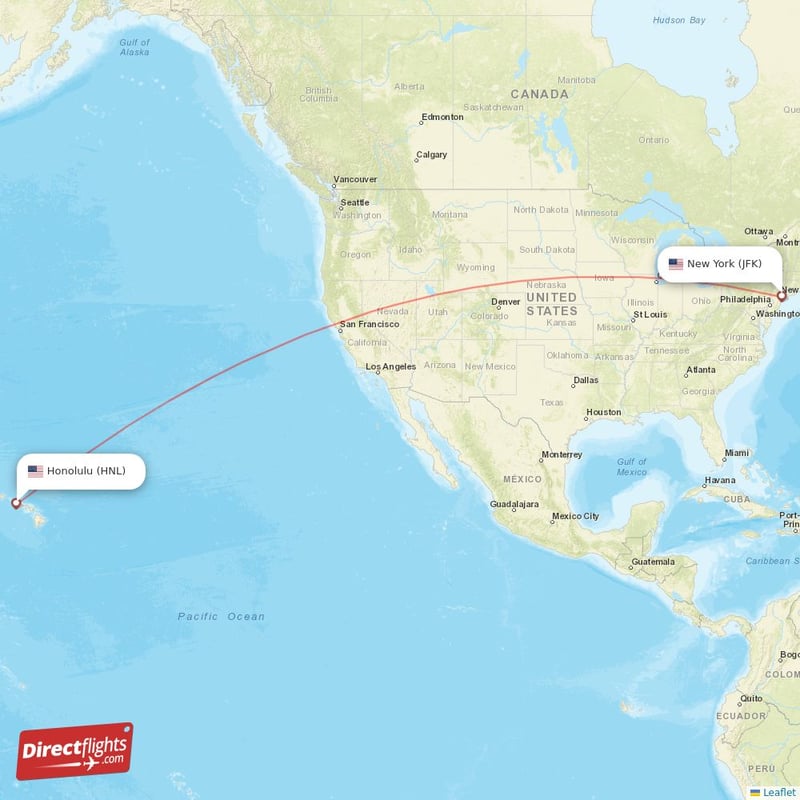
It’s crucial to remember the significant time zone difference between New York (Eastern Time) and Hawaii (Hawaii Standard Time – HST). There is a 5-hour difference, with Hawaii being 5 hours behind New York. This means that when you depart New York at, say, 8:00 AM EST, you will arrive in Honolulu at approximately 1:00 PM HST (after a 10-hour flight). This can create an interesting effect where you feel like you’ve traveled for 10 hours but have only “lost” 5 hours of your day due to the time difference. Understanding this is key to managing jet lag and your overall perception of travel time.
Planning Your Trip to Paradise: From Booking to Arrival
Knowing the flight duration is just one piece of the puzzle when planning your trip to Hawaii. A well-planned journey ensures a smoother and more enjoyable experience, from selecting your accommodation to maximizing your time exploring the islands.
Choosing Your Island Destination and Accommodation
Hawaii is an archipelago of stunning islands, each offering a unique flavor of paradise. The most common entry point is Oahu, home to the vibrant city of Honolulu and the world-famous Waikiki Beach. Other popular islands include:
- Maui: Known for its scenic drives like the Road to Hana, beautiful beaches, and the majestic dormant volcano, Haleakalā National Park.
- Kauai: The “Garden Isle,” celebrated for its dramatic cliffs of the Na Pali Coast and lush, emerald valleys.
- The Island of Hawaii (Big Island): Home to active volcanoes in Hawaii Volcanoes National Park, diverse landscapes from black sand beaches to snow-capped mountains, and rich historical sites.
Your choice of island will influence your final destination airport. While Daniel K. Inouye International Airport (HNL) on Oahu is the main hub, inter-island flights connect to airports on other islands, such as Kahului Airport (OGG) on Maui, Lihue Airport (LIH) on Kauai, and Kona International Airport (KOA) on the Big Island.
Once you’ve selected your island, the next step is booking accommodation. Hawaii offers a wide spectrum of lodging options to suit every travel style and budget:
- Luxury Resorts: Many world-class resorts line the coasts of islands like Maui and Oahu, offering exquisite amenities, fine dining, and breathtaking ocean views. Think of iconic establishments like the Halekulani Hotel or the Four Seasons Resort Maui at Wailea.
- Boutique Hotels: For a more intimate and unique experience, boutique hotels often provide personalized service and a distinct local charm.
- Vacation Rentals and Villas: Ideal for families or longer stays, these offer more space, privacy, and the convenience of a kitchen. Platforms like VRBO and Airbnb list numerous properties across the islands.
- Budget-Friendly Hotels and Hostels: Even on a tighter budget, you can find comfortable and clean options, particularly in areas outside the prime tourist zones or on islands like the Big Island.
When booking, consider the proximity to attractions, desired amenities (pool, beach access, on-site restaurants), and reviews from previous guests. Planning accommodation well in advance is especially crucial during peak seasons.
Preparing for Your Journey: Packing and In-Flight Comfort
Given the long flight time, comfort and preparedness are paramount. Here are some tips for making your journey from New York to Hawaii as comfortable as possible:
- Comfortable Clothing: Opt for layers. The cabin temperature can fluctuate, and it’s best to have options. Lightweight, breathable fabrics are ideal for the tropical destination. Pack loose-fitting pants or shorts, t-shirts, and a light jacket or sweater.
- Entertainment: Download movies, TV shows, podcasts, or e-books before you leave. Many airlines offer in-flight entertainment systems, but having your own backups ensures you won’t run out of options. Consider noise-canceling headphones to block out cabin noise.
- Travel Pillow and Blanket: While some airlines provide these, their quality can vary. Bringing your own neck pillow and a light travel blanket can significantly improve your sleep quality.
- Hydration and Snacks: Airplane air is notoriously dry. Drink plenty of water before and during the flight. While meals are served, having your own snacks can prevent hunger pangs and provide variety. Opt for healthy, non-sugary options.
- Essentials Kit: Pack a small bag with essentials like a toothbrush, toothpaste, lip balm, moisturizer, hand sanitizer, and any personal medications. An eye mask can also be very helpful for sleeping.
- Documents: Keep your identification (driver’s license or passport), boarding passes, and any hotel reservations easily accessible.
- Comfortable Footwear: Wear comfortable shoes that are easy to slip on and off, as you might need to remove them during security checks and for comfort during the flight.
Remember, the longer the flight, the more important these preparations become. A well-rested and comfortable traveler is more likely to arrive in Hawaii feeling refreshed and ready to explore.
Making the Most of Your Hawaiian Adventure: Local Culture and Activities
Once you’ve landed and settled into your accommodation, the real magic of Hawaii begins. The islands offer an incredible array of experiences, blending natural beauty with rich cultural heritage.
Embracing the Aloha Spirit: Culture and Traditions
The “Aloha Spirit” is more than just a greeting; it’s a way of life in Hawaii, encompassing love, compassion, peace, and mutual respect. To truly experience Hawaii, engage with its local culture:
- Learn Basic Hawaiian Phrases: Even a few words like “Mahalo” (thank you) and “Aloha” (hello/goodbye/love) will be appreciated.
- Attend a Luau: This traditional Hawaiian feast is a fantastic way to experience hula dancing, Hawaiian music, and authentic cuisine like kalua pig. Popular luaus can be found on most islands, such as the Old Lahaina Luau on Maui.
- Visit Historical Sites: Explore ancient Hawaiian temples (heiau), visit the Polynesian Cultural Center on Oahu for a deep dive into Polynesian island cultures, or learn about the overthrow of the Hawaiian monarchy at ‘Iolani Palace.
- Respect Sacred Sites: Many natural landmarks and historical sites hold deep cultural significance. Always be respectful, follow signage, and leave no trace.
Unforgettable Experiences: Activities and Attractions
Beyond cultural immersion, Hawaii is an adventurer’s playground. Here are some must-do activities:
- Beach Activities: From surfing legendary waves on the North Shore of Oahu to snorkeling in the clear waters of Molokini Crater off Maui, the beaches are a central part of the Hawaiian experience. Relax on the golden sands of Waikiki Beach, explore the unique black sand beaches of the Big Island, or find secluded coves on Kauai.
- Hiking and Nature Exploration: Trek through lush rainforests to discover hidden waterfalls, hike the iconic Diamond Head crater for panoramic views of Waikiki, or witness the raw power of nature at Hawaii Volcanoes National Park.
- Water Sports: Try your hand at paddleboarding, kayaking, outrigger canoeing, or take a boat tour to spot dolphins and whales (seasonal). Deep-sea fishing charters are also popular.
- Scenic Drives and Helicopter Tours: Explore the breathtaking coastal roads like the Road to Hana on Maui or take a helicopter tour over the dramatic Na Pali Coast on Kauai for unparalleled aerial views.
- Culinary Delights: Sample local delicacies like poke, shave ice, plate lunches, and fresh tropical fruits. Don’t miss the chance to try coffee from the renowned Kona region on the Big Island.
By understanding the flight duration and planning your trip thoughtfully, your journey from New York to the enchanting islands of Hawaii will undoubtedly be an unforgettable adventure. The long flight is merely a prelude to the incredible experiences that await you in this tropical paradise.