
Embarking on a journey from the historic streets of Philadelphia to the sun-drenched shores of Hawaii is more than just a flight; it’s a transatlantic adventure spanning thousands of miles and several time zones. Travelers often dream of the moment they’ll trade cheesesteaks for kalua pig, but before the first lei graces their neck, the most pressing question is often about the travel time itself. This extensive trip from the East Coast of the United States to the mid-Pacific paradise requires significant planning and a good understanding of what to expect during the long haul.
The allure of Hawaii lies in its stunning natural beauty, vibrant local culture, and a myriad of activities that promise an unforgettable experience. From the volcanic landscapes of the Big Island to the bustling beaches of Oahu, the serene cliffs of Kauai to the luxurious resorts of Maui, each island offers its unique charm. However, getting there involves a substantial commitment of time, making preparation key to a smooth and enjoyable transition from the Liberty Bell to leis. Understanding the intricacies of flight durations, potential layovers, and how to make the journey itself part of the adventure, are crucial steps in crafting the ultimate Hawaiian escape.
The Journey: Unpacking Flight Durations and Routes to Paradise
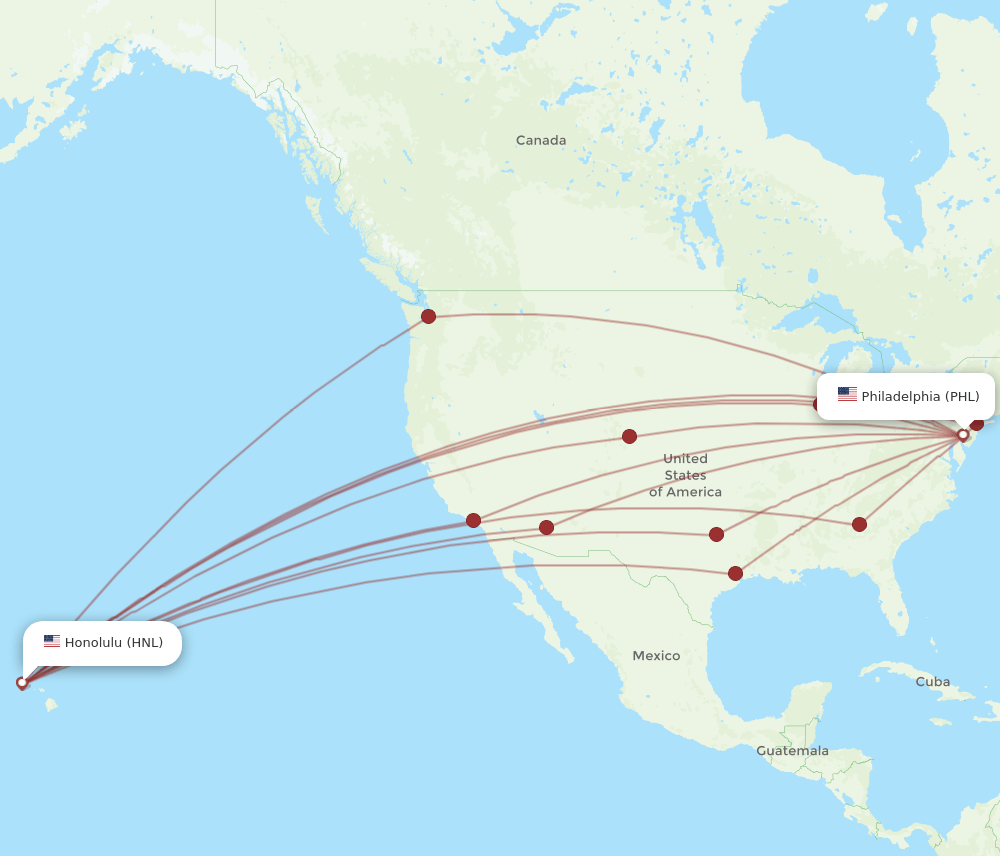
The flight from Philadelphia to Hawaii is one of the longest domestic routes within the United States. There are no direct commercial flights linking Philadelphia International Airport (PHL) directly to any of Hawaii’s major airports. This means all travelers will inevitably have at least one stop, and sometimes two, extending the total travel time considerably.
Direct vs. Connecting Flights: The Reality of Crossing the Continent
As mentioned, a direct flight from Philadelphia to Hawaii is not an option. Therefore, the total travel time will always include the duration of one or more layovers. Typically, flights from Philadelphia will first head west to a major hub airport on the mainland before continuing across the Pacific Ocean.
Common layover cities include:
- Los Angeles International Airport (LAX): Often the most popular choice due to the high frequency of flights to Hawaii from this hub.
- San Francisco International Airport (SFO): Another major West Coast gateway with numerous connections.
- Phoenix Sky Harbor International Airport (PHX): A significant hub, especially for American Airlines passengers.
- Seattle-Tacoma International Airport (SEA): A strong option for those flying Alaska Airlines or Delta Air Lines.
- Other Inland Hubs: Sometimes, flights might route through cities like Chicago O’Hare International Airport (ORD), Dallas/Fort Worth International Airport (DFW), or Denver International Airport (DIA). While these add another leg to the mainland portion of the journey, they can sometimes offer competitive pricing or better timing depending on your departure date.
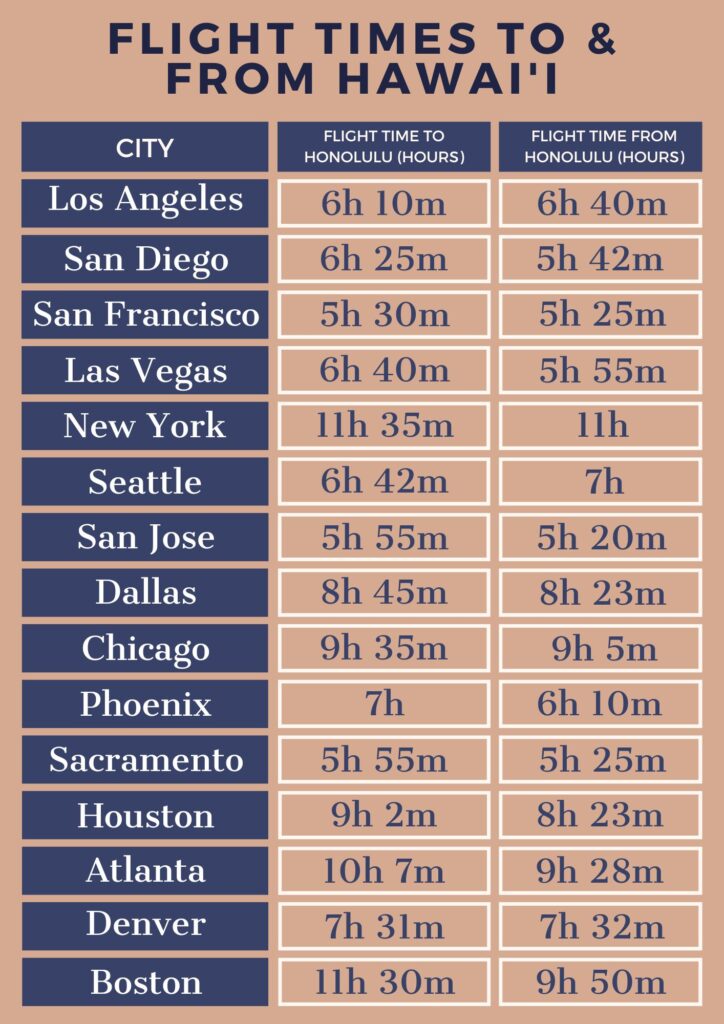
The flight segment from Philadelphia to a West Coast hub typically ranges from 5.5 to 6.5 hours. After a layover, the subsequent flight from the West Coast to Hawaii usually lasts between 5 to 6 hours. This means the total in-air flight time alone is approximately 10.5 to 12.5 hours. When you factor in a reasonable layover time of 2-4 hours (to allow for deplaning, navigating the airport, and re-boarding), the total door-to-door travel time from Philadelphia to Hawaii generally falls between 13 to 18 hours or more, depending on the number of stops and the length of each layover.
For example, a common itinerary might look like this:
- PHL to LAX: 6 hours
- Layover at LAX: 3 hours
- LAX to Honolulu Daniel K. Inouye International Airport (HNL): 5.5 hours
- Total Travel Time: 14.5 hours
It’s vital to consider the duration of your layover. While a shorter layover might seem appealing, it can be risky for connecting flights, especially if your first flight experiences delays. A longer layover, while adding to the total travel time, can provide a much-needed break, allowing you to stretch your legs, grab a meal, or even explore a bit of the connecting city if time permits, transforming a mere stop into a mini-adventure.
Factors Influencing Flight Time
Several elements can subtly alter the perceived and actual duration of your flight:
- Aircraft Type: Modern, long-range aircraft like the Boeing 787 Dreamliner or Airbus A330 are designed for efficiency and comfort on extended flights. They might offer slightly faster cruise speeds or more direct routes.
- Wind Conditions: Jet streams, strong currents of air found at high altitudes, can significantly impact flight times. A tailwind can shave off minutes or even an hour from the journey, while a headwind can add time, particularly on the eastbound return leg.
- Specific Hawaiian Island Destination: Hawaii is an archipelago, and the precise island you’re flying to will influence the final leg of your journey. Honolulu (HNL) on Oahu is often the primary entry point for international and mainland flights. However, flights to Maui (OGG – Kahului Airport), Big Island (KOA – Ellison Onizuka Kona International Airport) or ITO – Hilo International Airport), or Kauai (LIH – Lihue Airport) will either involve an extra inter-island flight from Honolulu or a direct flight from the mainland if available, which can be slightly shorter or longer than a flight to Oahu depending on the mainland departure point.
- Air Traffic Control: Delays due to air traffic congestion, especially around busy hubs like LAX or SFO, can cause holding patterns or runway delays, adding to the total time spent in the air or on the tarmac.
Airlines like American Airlines, United Airlines, and Delta Air Lines frequently operate routes from Philadelphia to various West Coast hubs with connections to Hawaii. Hawaiian Airlines also offers direct flights from several West Coast cities to Hawaii, making them a key player for the Pacific segment of the journey. When booking, always compare itineraries, not just prices, to find the best balance of travel time and comfort.
Preparing for the Long Haul: Essential Travel Tips
A journey of 13 to 18 hours can be daunting, but with the right preparation, it can be a comfortable and even enjoyable part of your vacation. Focus on maximizing comfort and minimizing the effects of such an extended travel period.
Comfort and Wellness Strategies for Extended Flights
Staying comfortable on a long flight is paramount. Here are some strategies:
- Wear Comfortable Clothing: Opt for loose-fitting, breathable layers. Compression socks can be a lifesaver for preventing swelling and improving circulation, especially for those prone to deep vein thrombosis (DVT).
- Hydration is Key: Airplane cabins are notoriously dry. Drink plenty of water throughout your journey and limit alcohol and caffeine, which can lead to dehydration.
- Movement and Circulation: Get up and walk around the cabin periodically, if permitted. Perform simple stretches in your seat, focusing on your legs, ankles, and neck, to combat stiffness and promote blood flow. Many in-flight entertainment systems offer guided exercises.
- Snacks: While airlines provide meals on long flights, having your own healthy snacks (nuts, fruit, granola bars) can be a great way to avoid hunger pangs or accommodate dietary restrictions.
- Entertainment: Load up your devices with movies, TV shows, podcasts, audiobooks, and music. Don’t rely solely on in-flight entertainment, as options can sometimes be limited or systems might malfunction. A good book or puzzle game can also be a wonderful distraction.
- Sleep Aids: An eye mask, noise-canceling headphones, and a travel pillow are indispensable for catching some quality rest amidst the cabin noise and light. Consider a neck pillow that provides good support.
- Personal Hygiene: Pack a small toiletry kit with essentials like a toothbrush, toothpaste, face wipes, hand sanitizer, and moisturizer to freshen up during layovers or before landing.
Navigating Time Zones and Jet Lag
Traveling from Philadelphia to Hawaii involves crossing six time zones (Eastern Time to Hawaiian Standard Time). This significant shift almost guarantees some degree of jet lag, but strategies can help minimize its impact:
- Adjust Before You Go: A few days before your trip, try to subtly shift your sleep schedule closer to Hawaiian time. Go to bed an hour or two earlier (or later) than usual.
- Set Your Watch to Hawaiian Time: As soon as you board your first flight, adjust your watch to the time in Hawaii. Start trying to eat and sleep according to this new schedule.
- Embrace Natural Light: Upon arrival, expose yourself to as much natural sunlight as possible during the day. This helps regulate your body’s circadian rhythm. Avoid napping for too long if you arrive during the day; power naps of 20-30 minutes are best.
- Stay Active: Engage in light activities on your arrival day, like a gentle walk on the beach. Avoid strenuous exercise immediately, but movement can help keep you alert.
- Hydrate and Eat Lightly: Continue drinking plenty of water and opt for lighter meals to avoid taxing your digestive system as it adjusts.
- Melatonin: Some travelers find small doses of melatonin helpful for resetting their sleep cycle, but always consult with a doctor before taking any supplements.
The first 24-48 hours in Hawaii might feel a bit hazy, but by proactively addressing jet lag, you can significantly reduce its effects and start enjoying your vacation sooner.
Beyond the Flight: Crafting Your Hawaiian Adventure
Once the long flight is behind you, the real magic of Hawaii begins. With six main islands to choose from, each offering distinct experiences, planning your itinerary is almost as exciting as the trip itself.
Choosing Your Hawaiian Island: A Guide to the Archipelago
The diverse landscapes and cultures of Hawaii ensure there’s an island for every type of traveler.
- Oahu: The Gathering Place: Home to the bustling capital city of Honolulu and the world-famous Waikiki Beach, Oahu offers a blend of vibrant city life, historic landmarks like Pearl Harbor National Memorial, and legendary surfing spots on the North Shore. It’s perfect for first-time visitors seeking a mix of activities, dining, and nightlife. The iconic hike up Diamond Head State Monument offers panoramic views of Waikiki.
- Maui: The Valley Isle: Renowned for its stunning beaches, luxurious resorts in areas like Ka’anapali and Wailea, and the scenic Road to Hana. Maui is ideal for those seeking romance, relaxation, and outdoor adventures such as snorkeling, whale watching (seasonal), and watching the sunrise from atop Haleakala National Park’s dormant volcano.
- Kauai: The Garden Isle: Lush, green, and less developed, Kauai is a paradise for nature lovers and adventurers. Its dramatic Na Pali Coast State Park is best explored by boat, helicopter, or hiking along the challenging Kalalau Trail. Waterfall hikes, botanical gardens, and serene beaches define the Kauai experience.
- Big Island: The Orchid Isle (or just Hawaii Island): The youngest and largest of the islands, the Big Island boasts incredible geological diversity, from active volcanoes in Hawaii Volcanoes National Park to snow-capped peaks of Mauna Kea, black sand beaches, and lush rainforests. It’s a land of extremes and unique natural phenomena.
For specific guidance, consider browsing our guides on Oahu attractions or Maui luxury resorts to narrow down your focus.
Accommodation Options and Booking Tips
Hawaii offers a spectrum of accommodation choices to fit every budget and lifestyle, from lavish five-star resorts to cozy vacation rentals and boutique hotels.
- Luxury Resorts: Found predominantly on Maui, Oahu, and the Big Island, these properties offer unparalleled amenities, including world-class spas, infinity pools, gourmet dining, and direct beach access. Brands like Four Seasons, Grand Hyatt, and Ritz-Carlton are popular choices for those seeking an indulgent experience.
- Boutique Hotels: Smaller, often locally owned hotels that provide a more intimate and unique experience, often with a focus on local culture and personalized service. These can be found across all islands, particularly in historic towns like Lahaina on Maui.
- Vacation Rentals (Villas, Condos, Apartments): Ideal for families, groups, or long-term stays, offering more space, privacy, and the option to cook your own meals, which can be a significant cost-saver. Platforms like Airbnb and Vrbo are widely used.
- Budget-Friendly Options: Hostels, smaller hotels away from prime beachfronts, and guesthouses offer more economical stays, especially on Oahu and the Big Island.
Booking Tips:
- Book Early: Especially for peak seasons (winter holidays, spring break, summer), accommodations fill up quickly and prices tend to rise.
- Consider Bundles: Airlines and hotel packages can sometimes offer savings compared to booking separately.
- Read Reviews: Always check recent reviews on reputable travel sites to get an honest picture of the property, its amenities, and service quality.
- Location Matters: Decide what kind of experience you want. Do you prefer being in the heart of the action, or a secluded, tranquil retreat?
- Check for Resort Fees: Many Hawaiian resorts charge additional daily resort fees, which can add substantially to your total cost. Ensure you understand all charges upfront.
Must-See Landmarks, Local Culture, and Activities
Hawaii is a treasure trove of experiences, blending natural wonders with rich cultural heritage.
- Natural Landmarks: Beyond the famous beaches like Waikiki and Ka’anapali, explore natural marvels. On Oahu, hike up Diamond Head for iconic views. On Maui, experience the sunrise at Haleakala or drive the winding Road to Hana. Kauai beckons with the majestic Waimea Canyon State Park, often called the “Grand Canyon of the Pacific,” and the stunning Na Pali Coast. The Big Island offers the unique opportunity to witness active volcanic activity at Hawaii Volcanoes National Park and stargaze from Mauna Kea.
- Historical & Cultural Sites: Pearl Harbor National Memorial on Oahu is a poignant and essential visit. Immerse yourself in Hawaiian history at Iolani Palace, the only official residence of royalty in the United States. Participate in a traditional luau to experience local food, music, and hula dancing. Learn about the ancient Hawaiian religion and practices at various heiau (temples) scattered across the islands.
- Activities & Experiences:
- Water Sports: Snorkeling with vibrant marine life, learning to surf in Waikiki, paddleboarding, kayaking, or enjoying a catamaran cruise.
- Hiking: Trails range from easy coastal walks to challenging volcanic climbs.
- Food Exploration: Savor local delicacies like poke, shave ice, fresh seafood, and tropical fruits. Visit farmers’ markets for fresh produce and local crafts. Don’t miss out on trying a loco moco or a plate lunch from a roadside stand.
- Wildlife Viewing: Go whale watching off Maui’s coast (winter months), swim with manta rays on the Big Island, or spot green sea turtles basking on beaches.
Embracing the aloha spirit means respecting the land, the culture, and its people. Engage with local communities, try to learn a few Hawaiian phrases, and always practice responsible tourism. Your journey from Philadelphia to Hawaii is long, but the rewards are immeasurable – a paradise waiting to be explored, promising memories that will last a lifetime.
The long flight from Philadelphia to Hawaii is a significant undertaking, typically ranging from 13 to 18 hours with at least one layover. This comprehensive travel time, combining several hours in the air and essential breaks in between, demands thoughtful preparation to ensure a comfortable journey. From choosing the right connecting flights and understanding the impacts of time zone changes to packing smart and staying hydrated, every step contributes to a smoother transition to island time.
Beyond the logistics of travel, the true anticipation lies in the destination itself. Hawaii offers a diverse tapestry of experiences, whether you seek the bustling energy of Oahu, the romantic tranquility of Maui, the untamed beauty of Kauai, or the volcanic majesty of the Big Island. Selecting the perfect island, choosing accommodations that suit your lifestyle, and planning engaging activities from exploring historical landmarks to indulging in local cuisine, are all part of crafting an unforgettable adventure. While the journey from Philadelphia may be extensive, the ultimate reward of Hawaii’s breathtaking landscapes, warm hospitality, and vibrant culture makes every minute of travel worthwhile.
LifeOutOfTheBox is a participant in the Amazon Services LLC Associates Program, an affiliate advertising program designed to provide a means for sites to earn advertising fees by advertising and linking to Amazon.com. Amazon, the Amazon logo, AmazonSupply, and the AmazonSupply logo are trademarks of Amazon.com, Inc. or its affiliates. As an Amazon Associate we earn affiliate commissions from qualifying purchases.