
Embarking on a journey from the vast expanse of Texas to the idyllic shores of Hawaii is a dream for many, promising a welcome escape from the Lone Star State’s often scorching summers and a dive into a tropical paradise. But before you can feel the warm sand between your toes and witness a breathtaking Hawaiian sunset, you’ll likely be wondering about a crucial detail: how long will it take to get there? The flight duration from Texas to Hawaii is not a simple, one-size-fits-all answer. It’s a complex equation influenced by a variety of factors, including your departure city in Texas, your arrival island in Hawaii, the airline you choose, and whether your flight is direct or involves layovers.
Understanding these variables is key to planning your trip effectively. A direct flight will always be the quickest option, but these are less common and often more expensive. Most travelers will find themselves on flights with one or more stops, which can significantly extend travel time. This guide aims to demystify the flight duration, providing you with a comprehensive overview to help you pack your bags and anticipate your journey to the Aloha State.
Understanding the Factors Influencing Flight Time
The time it takes to fly from Texas to Hawaii is a calculation that depends on several interconnected elements. It’s not merely a matter of distance, although that’s a significant component. The specific starting point within Texas, the ultimate island destination in Hawaii, and the flight path chosen by the airline all play critical roles.
Departure City in Texas: A Matter of Miles
Texas is a sprawling state, the second-largest in the United States by both area and population. This sheer size means that the starting point of your journey can significantly impact the overall flight duration. Flying from El Paso, located in the westernmost part of Texas, to Honolulu, Hawaii, will inherently take longer than flying from Houston or Dallas, which are geographically closer to the West Coast departure points commonly used for Hawaii flights.
Consider the major international airports in Texas:
- George Bush Intercontinental Airport (IAH) in Houston: A major hub for United Airlines.
- Dallas/Fort Worth International Airport (DFW): Another significant hub, served by American Airlines.
- William P. Hobby Airport (HOU) in Houston: Primarily serves domestic flights.
- Austin-Bergstrom International Airport (AUS) in Austin.
- San Antonio International Airport (SAT) in San Antonio.
- El Paso International Airport (ELP) in El Paso.
The further west you are in Texas, the longer your initial flight to a West Coast gateway city like Los Angeles or San Francisco will be. This pre-flight segment adds to the total travel time before you even board the trans-Pacific leg of your journey. For instance, a flight from El Paso to Los Angeles can take around 2.5 to 3 hours, whereas a flight from Houston to Los Angeles might be closer to 3.5 to 4 hours. These are just the domestic legs; the subsequent flight to Hawaii is what forms the bulk of the travel.
Arrival Island in Hawaii: Which Paradise Will You Choose?
Hawaii is an archipelago, and its islands are spread out over a considerable distance. The most common entry points for flights from the mainland United States are Oahu and Maui. Honolulu International Airport (HNL) on Oahu is the primary international gateway, handling the vast majority of long-haul flights. Kahului Airport (OGG) on Maui also receives direct flights from some mainland cities. Other islands, such as Kauai (LIH) and the Island of Hawaii (KOA), may have fewer direct options, often requiring a connection on the islands themselves after arriving at HNL or OGG.
The geographical position of the island you are flying into can make a subtle difference. However, the primary factor is usually the layover city. For example, flights to Honolulu from the West Coast are generally a few hours shorter than flights from the East Coast. Since Texas is located in the central to southern part of the continental United States, it falls somewhere in between.
The specific island you choose will have a minimal impact on the initial flight duration from Texas to the West Coast or to Hawaii itself, assuming you’re connecting on the mainland. However, if your chosen island requires a secondary flight within Hawaii, this will add to your total travel time. For instance, arriving in Honolulu and then taking a short inter-island flight to Kona on the Island of Hawaii will add another hour or so to your journey.
Direct vs. Connecting Flights: The Biggest Time Factor
The single most significant determinant of your flight duration from Texas to Hawaii is whether you are taking a direct flight or a flight with one or more layovers.
Direct Flights: The Elusive Speedsters
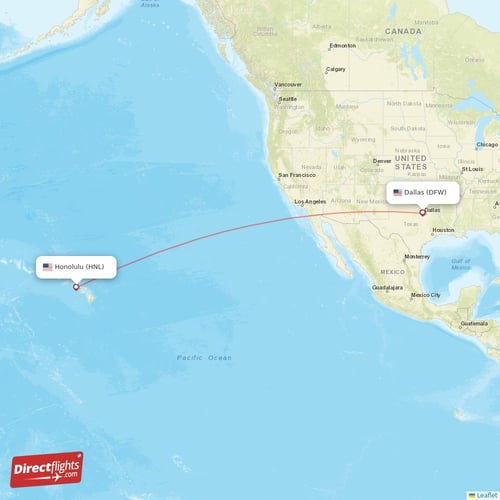
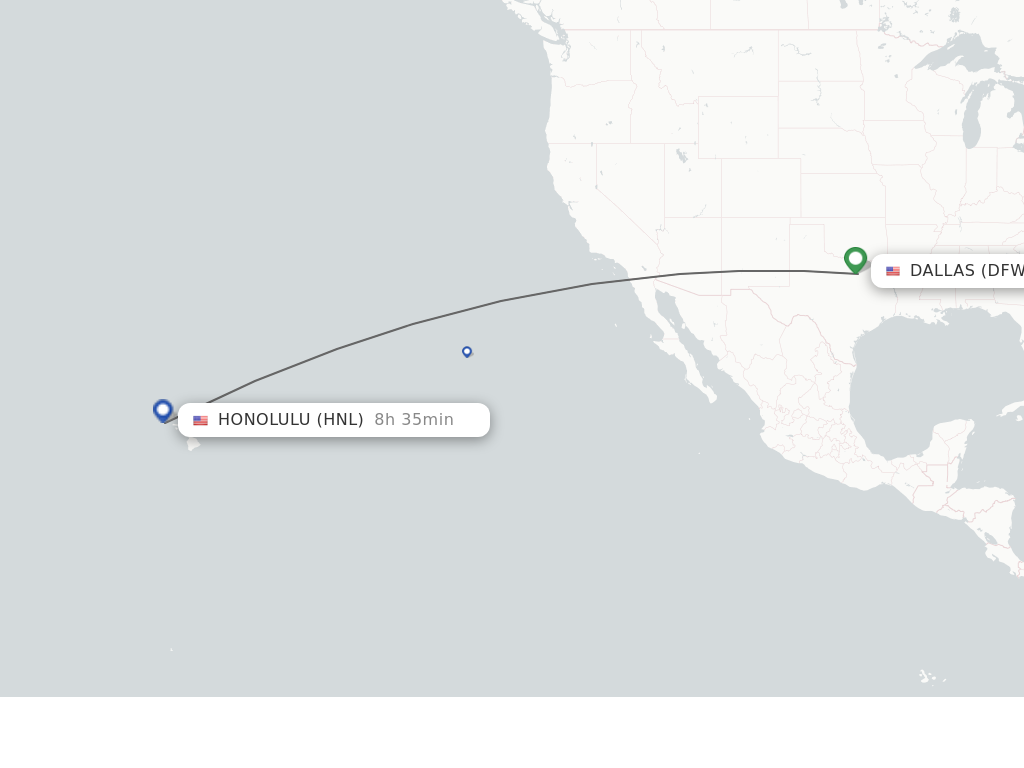
True direct flights from Texas to Hawaii are rare and often seasonal or operated by specific airlines during peak travel periods. These would be the quickest option, bypassing the need for any intermediate stops. A hypothetical direct flight from a major Texas hub like Houston or Dallas to Honolulu would likely clock in at around 7.5 to 9 hours of actual flight time. This is because the direct flight path covers the distance without any deviations. However, the availability and cost of these flights make them a less common choice for many travelers. When they are available, they are highly sought after.
Connecting Flights: The Common Reality
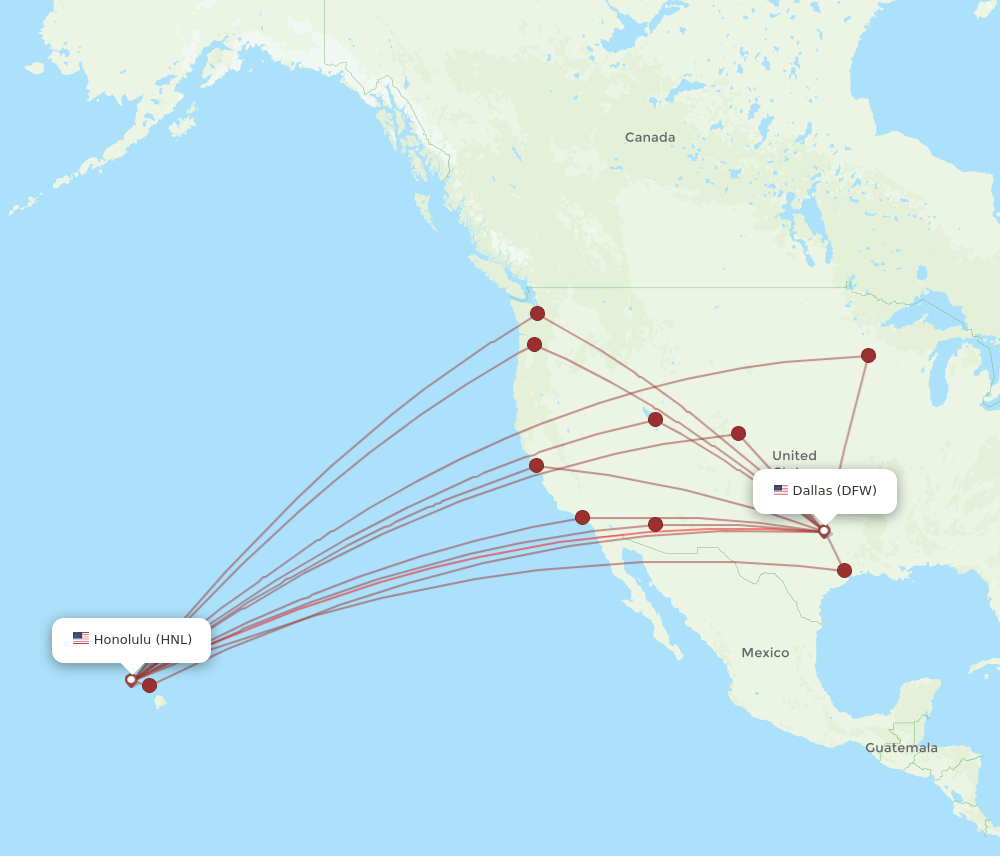
The vast majority of flights from Texas to Hawaii involve at least one layover, typically on the West Coast of the United States. Common layover cities include:
- Los Angeles International Airport (LAX) in California.
- San Francisco International Airport (SFO) in California.
- Seattle-Tacoma International Airport (SEA) in Washington.
- Portland International Airport (PDX) in Oregon.
These layovers add significant time to your journey. The total travel time for a connecting flight is the sum of:
- Flight time from Texas to the West Coast layover city.
- Layover duration (time spent at the airport between flights).
- Flight time from the West Coast layover city to Hawaii.
The layover duration is a crucial variable. It can range from a short 60-minute connection (which can be stressful) to several hours, or even an overnight stay if you opt for a longer stop.
Typical Connecting Flight Durations:
A flight from Texas to Hawaii with one layover on the West Coast will generally range from 10 to 15 hours in total travel time. This figure includes the flight segments and a reasonable layover period (e.g., 1.5 to 3 hours).
-
Example Scenario 1: Flight from Houston (IAH) to Los Angeles (LAX) (approx. 4 hours) + Layover in LAX (2 hours) + Flight from LAX to Honolulu (HNL) (approx. 5.5 hours) = 11.5 hours total travel time.
-
Example Scenario 2: Flight from Dallas (DFW) to San Francisco (SFO) (approx. 4.5 hours) + Layover in SFO (2.5 hours) + Flight from SFO to Honolulu (HNL) (approx. 5 hours) = 12 hours total travel time.
-
Example Scenario 3: Flight from Austin (AUS) to Seattle (SEA) (approx. 5 hours) + Layover in SEA (3 hours) + Flight from SEA to Honolulu (HNL) (approx. 6 hours) = 14 hours total travel time.
These are approximations, and actual flight schedules, airline routing, and layover times can vary. Flights with two layovers are also possible, though less common for this route, and would naturally extend the travel time considerably, potentially pushing it to 16+ hours.
Planning Your Texas to Hawaii Journey: Tips for a Smoother Trip
Given the potentially long travel times, careful planning is essential for a comfortable and enjoyable journey from Texas to Hawaii. This involves selecting the right flights, packing strategically, and considering your accommodation upon arrival.
Choosing Your Flights Wisely
When searching for flights, pay close attention to the total travel time, not just the flight duration. Use flight comparison websites and airline apps to explore different options.
- Direct vs. Connecting: Weigh the convenience of a direct flight (if available and affordable) against the cost savings and flexibility of a connecting flight.
- Layover Duration: Aim for a layover of at least 1.5 to 2 hours. This provides a buffer for potential delays, allows ample time to navigate the airport, and reduces the stress of missing your connecting flight. Shorter layovers can be risky, especially in large, busy airports.
- Layover City: Some travelers prefer certain layover cities over others based on their airport experience or desired to spend a few extra hours exploring. For example, San Francisco International Airport is a major hub with many amenities.
- Time of Day: Consider when your flights depart and arrive. Overnight flights can sometimes be more economical, but they also mean less sleep. Arriving in Hawaii in the morning or early afternoon allows you to make the most of your first day.
Packing for the Journey and Your Destination
The long hours spent in transit require thoughtful packing.
- Comfortable Clothing: Wear loose, comfortable clothing for the flight. Layers are essential, as cabin temperatures can fluctuate.
- Entertainment: Bring books, downloaded movies, podcasts, or games to pass the time. A good pair of noise-canceling headphones can be a lifesaver.
- Neck Pillow and Blanket: These can significantly improve your comfort during long flights, helping you to rest or sleep.
- Snacks and Water Bottle: While airlines provide refreshments, having your own snacks is always a good idea. An empty reusable water bottle can be filled after security.
- Travel Essentials: Pack any necessary medications, toiletries, a portable charger for your devices, and any important documents.
- Destination-Specific Items: Don’t forget your swimwear, sunscreen, hats, and comfortable walking shoes for exploring Hawaii. Consider that Hawaii offers a diverse range of activities, from relaxing on the beaches of Waikiki to hiking in Haleakala National Park on Maui.
Accommodation Considerations
Once you’ve landed in Hawaii, your accommodation choice will greatly influence your overall experience and budget. Hawaii offers a spectrum of options, from luxurious resorts to charming vacation rentals.
- Hotels and Resorts: Hawaii is renowned for its beautiful hotels and resorts, many offering stunning ocean views and extensive amenities like swimming pools, on-site dining, and spa services. Popular choices include the Grand Wailea Maui, A Waldorf Astoria Resort, the Halekulani Hotel in Waikiki, and the Four Seasons Resort Oahu at Ko Olina. These often provide a hassle-free vacation experience with everything you need at your fingertips.
- Apartments and Villas: For longer stays or for families seeking more space and the ability to cook their own meals, apartments or villas can be an excellent option. Websites like Airbnb and VRBO offer a wide selection across the islands. This type of accommodation can also offer a more local experience.
- Budget-Friendly Stays: If you’re traveling on a budget, consider guesthouses, hostels, or less touristy hotels. The key is to book in advance, especially during peak seasons.
No matter which type of accommodation you choose, booking in advance is highly recommended, particularly if you are traveling during popular times like spring break or the winter holidays. Many hotels and resorts offer various room types, from standard suites to expansive villas, catering to different needs and budgets. Always check reviews to ensure the accommodation meets your expectations.
Making the Most of Your Hawaiian Adventure
A flight from Texas to Hawaii is a significant undertaking, but the reward is a vacation in one of the world’s most stunning destinations. Understanding the flight durations and planning accordingly will set the stage for a truly memorable trip. Whether you’re drawn to the historical significance of Pearl Harbor, the vibrant nightlife of Waikiki, the volcanic landscapes of the Island of Hawaii, or the lush rainforests of Kauai, Hawaii offers an unparalleled escape.
Remember that the journey is part of the adventure. By being prepared for the flight times and making informed choices about your travel and accommodation, you can ensure that your transition from the mainland to paradise is as smooth and enjoyable as possible. Pack your sense of adventure, and prepare to be captivated by the magic of the Hawaiian Islands.