
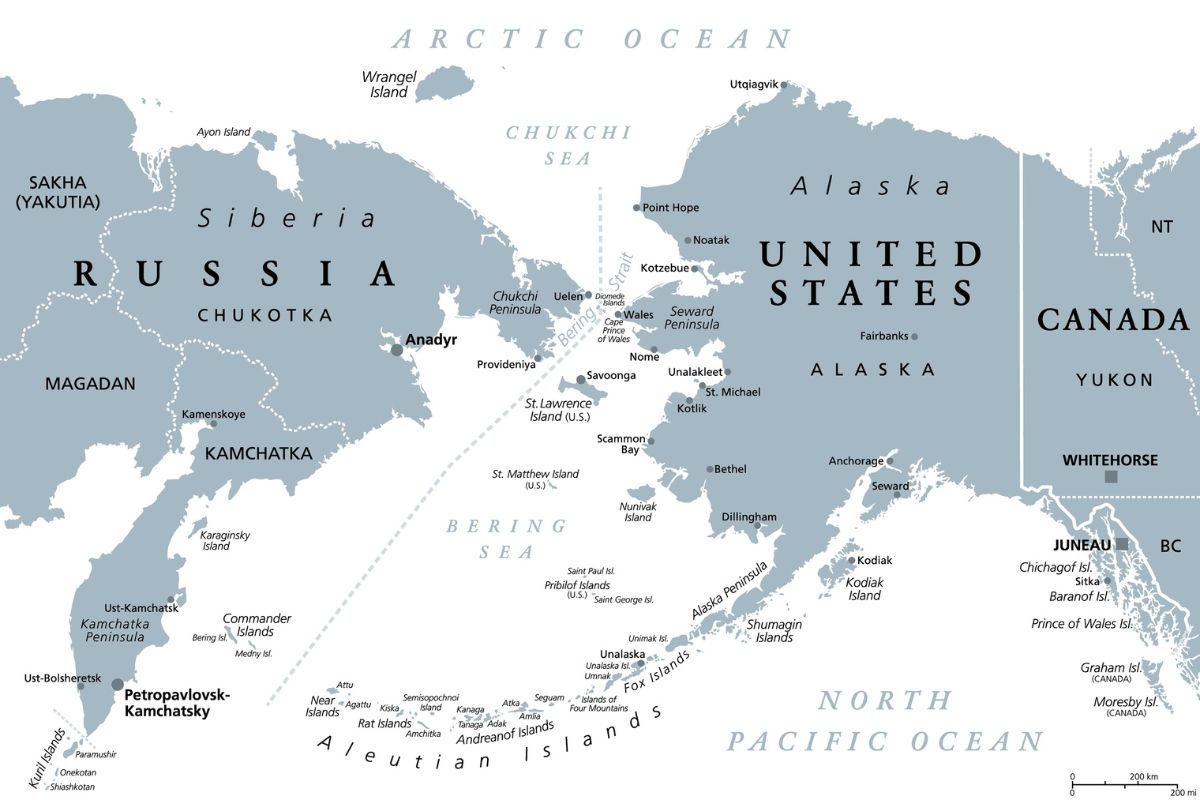
Embarking on a journey to Alaska, often referred to as “The Last Frontier” or “The Great Land,” is an adventure unlike any other. This vast and majestic state, occupying a significant portion of North America‘s northwestern tip, promises breathtaking landscapes, unparalleled wildlife encounters, and a rich tapestry of cultural experiences. From towering glaciers and pristine national parks to vibrant cities and remote Arctic villages, Alaska offers a diverse array of attractions for every type of traveler.
However, before you can immerse yourself in the wonders of this incredible destination, a crucial question arises: how long is the flight to Alaska? Understanding flight durations is paramount for effective travel planning, influencing everything from your itinerary and packing list to managing jet lag and maximizing your precious vacation time. Given Alaska’s geographic isolation from the contiguous United States, flight times can be substantial, making careful consideration of your departure point and final Alaskan destination essential.
This comprehensive guide will delve into the intricacies of flying to Alaska, exploring typical flight durations from major hubs, the factors that influence these times, and offering insights into navigating the state’s diverse regions. We’ll also touch upon accommodation options, must-see landmarks, and lifestyle considerations, ensuring your journey to the Great Land is as smooth and enriching as possible. Whether you’re dreaming of witnessing the Northern Lights in Fairbanks, cruising the fjords near Juneau, or hiking through Denali National Park, a well-planned flight is your first step towards an unforgettable Alaskan experience.
Understanding Flight Durations to Alaska
Calculating the exact flight time to Alaska isn’t as simple as checking a single number; it’s a dynamic equation influenced by several variables. The sheer size of the state, combined with the vast distances involved, means that flight durations can vary significantly. By understanding these factors, travelers can make informed decisions that best suit their schedule and preferences.
Key Factors Influencing Your Flight Time
Several elements play a crucial role in determining how long you’ll spend in the air en route to Alaska:
- Your Origin City: The most significant factor is your departure location. Flights from the western United States (e.g., Seattle, Los Angeles) will naturally be shorter than those originating from the Midwest (e.g., Chicago, Denver) or the East Coast (e.g., New York, Florida). The farther east you are, the longer the flight.
- Your Destination City within Alaska: Alaska has several major airports, and the final leg of your journey will depend on which one you’re flying into. The primary international gateways are Anchorage (Ted Stevens Anchorage International Airport), Fairbanks (Fairbanks International Airport), and Juneau (Juneau International Airport). Flying to Anchorage is typically the quickest option from most points in the contiguous United States), as it’s the largest city and a central hub. Flights to Fairbanks or Juneau often involve an additional leg or are longer due to their respective locations.
- Direct vs. Connecting Flights: Direct flights are always the fastest, bypassing layovers and the potential for delays. However, direct routes might be limited depending on your origin and the season, making connecting flights a common necessity. Each layover adds several hours to your total travel time, sometimes even necessitating an overnight stay.
- Aircraft Type and Speed: While less impactful than distance, different aircraft models have varying cruising speeds, which can slightly affect flight duration. Headwinds and tailwinds also play a role, making westbound flights generally longer than eastbound ones.
- Time of Year: While not directly affecting flight speed, the time of year can influence route availability and frequency, particularly to smaller Alaskan towns. Peak summer season (June-August) sees more direct flights and options.
Typical Direct Flight Times from Major US Hubs
To give you a clearer picture, here are estimated direct flight times to Anchorage, Fairbanks, and Juneau from popular departure cities in the United States. Remember, these are approximate and can vary due to various factors.
To Anchorage (Ted Stevens Anchorage International Airport):
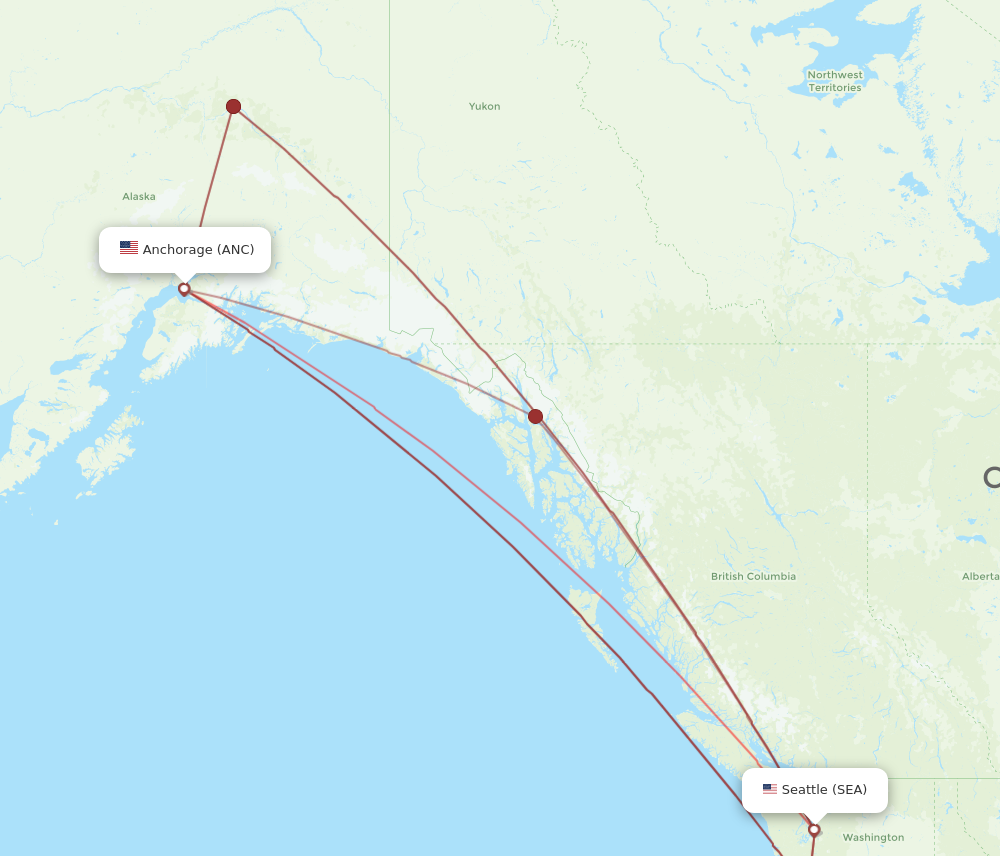
- From Seattle, Washington: Often considered the primary gateway to Alaska, a direct flight from Seattle is remarkably quick, typically around 3 hours to 3 hours 30 minutes. Its proximity in the Pacific Northwest makes it a popular connecting hub.
- From Los Angeles, California: Flights from Southern California usually take between 5 hours and 30 minutes to 6 hours.
- From Denver, Colorado: A direct flight from the Mountain West region clocks in at approximately 5 hours to 5 hours 30 minutes.
- From Chicago, Illinois: Expect a direct flight from the Midwest to be around 6 hours 30 minutes to 7 hours.
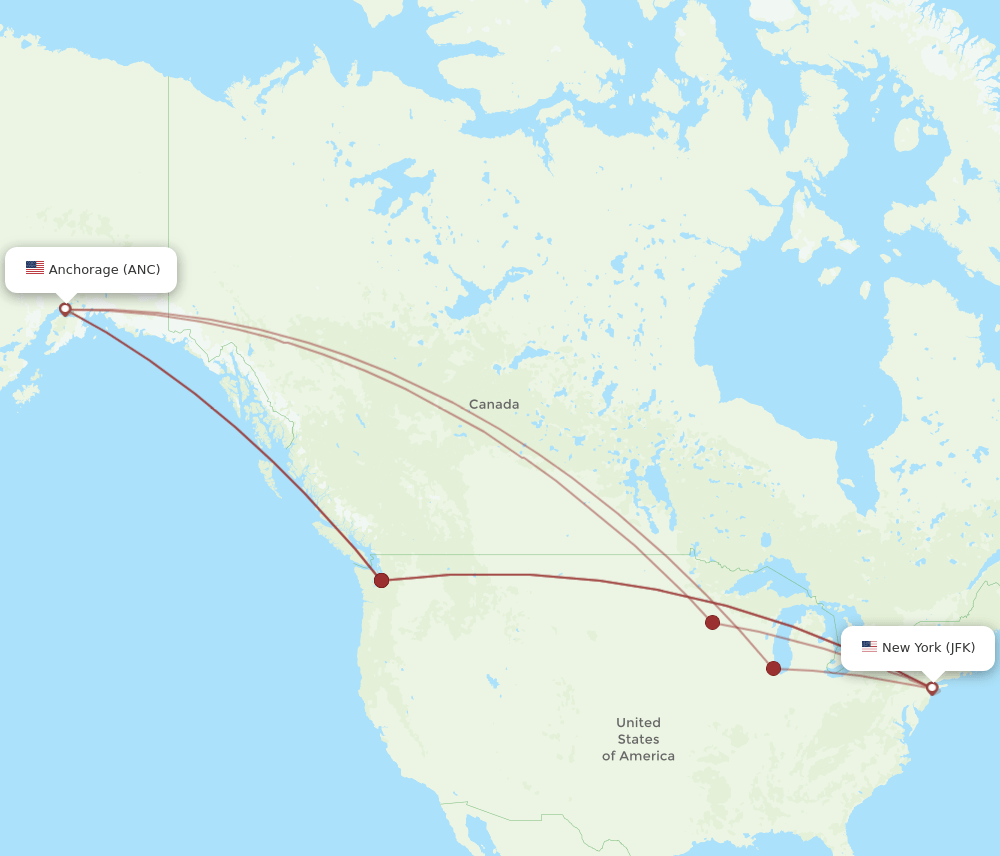
- From New York, New York: Direct flights from the East Coast are the longest, typically ranging from 7 hours to 8 hours.
To Fairbanks (Fairbanks International Airport):
Flights to Fairbanks are often slightly longer than to Anchorage or may require a connection, even from Seattle.
- From Seattle: Direct flights are available and typically take around 3 hours 30 minutes to 4 hours.
- From Chicago: A direct flight, if available, would be roughly 7 hours to 7 hours 30 minutes. Connections add significant time.
- From Los Angeles: Direct options are less common, but flying via Seattle or Anchorage would make the total travel time around 8-10 hours, including layovers.
To Juneau (Juneau International Airport):
Juneau, Alaska’s capital, is uniquely situated and often requires a connection, primarily through Seattle or Anchorage. It’s not directly accessible by road from the rest of North America.
- From Seattle: Direct flights are common and take approximately 2 hours to 2 hours 30 minutes. This makes Seattle an indispensable hub for Juneau visitors.
- From Anchorage: An internal flight connecting Anchorage to Juneau typically lasts about 1 hour 30 minutes.
- From other major US cities: Expect at least one layover, usually in Seattle, resulting in total travel times ranging from 7 to 12+ hours.
These figures underscore the importance of choosing your departure and arrival airports carefully, especially if you have limited time or prefer to minimize travel fatigue.
Navigating Alaska’s Diverse Destinations
Once you’ve factored in your flight duration, the real adventure begins: deciding where in this magnificent state you’ll explore. Alaska is a land of extremes, with each region offering a distinct flavor of the frontier experience. Understanding the main hubs and their unique appeal will help you tailor your trip and even influence your flight planning further, especially if internal travel is part of your itinerary.
Anchorage: The Gateway City
Anchorage is Alaska’s largest city and economic hub, serving as the most common entry point for visitors. Its modern infrastructure, combined with easy access to wilderness, makes it an ideal base for exploring the south-central region and beyond.
- Accessibility: As mentioned, Anchorage is the most accessible Alaskan city by air, with numerous direct flights from major United States cities. The Ted Stevens Anchorage International Airport handles significant passenger traffic, especially during the summer.
- Attractions: Within Anchorage itself, you can explore the Alaska Native Heritage Center, stroll or bike the Tony Knowles Coastal Trail, and enjoy the vibrant downtown scene. Just a short drive away are breathtaking natural sites like the Alaska Wildlife Conservation Center and the scenic beauty of the Chugach Mountains.
- Accommodation: Anchorage offers a wide range of accommodation options, from luxury hotels like the Hotel Captain Cook to comfortable mid-range hotels and budget-friendly motels. Many hotels offer shuttle services to and from the airport, catering to diverse lifestyle travel preferences.
Fairbanks: The Interior’s Charm
Located in Alaska’s interior, Fairbanks is renowned as the best place in the United States to view the Northern Lights due to its prime location beneath the Auroral Oval. It offers a distinctly different Alaskan experience, characterized by longer summer days and cold, dark winters.
- Accessibility: Fairbanks International Airport is the second-largest in Alaska, with direct flights primarily from Seattle and Anchorage. Most other destinations require a connection.
- Attractions: Beyond the aurora, Fairbanks is a gateway to the Arctic Circle, offers dog sledding tours, and is home to the University of Alaska Fairbanks’ Museum of the North. The nearby Chena Hot Springs Resort provides a relaxing retreat with natural hot springs and an ice museum.
- Accommodation: You’ll find a mix of hotels, lodges, and even unique stays like cabins with aurora viewing potential in Fairbanks and its surrounding areas, catering to those seeking both comfort and adventure.
Juneau: The Capital’s Coastal Beauty
Juneau, the capital of Alaska, is nestled amidst towering mountains and the Inside Passage. Its unique geography means it’s only accessible by air or sea, making the journey part of the allure.
- Accessibility: As previously noted, direct flights to Juneau International Airport are primarily from Seattle and Anchorage. Many visitors also arrive via cruise ship, making it a popular port of call.
- Attractions: The highlight of Juneau is the majestic Mendenhall Glacier, easily accessible from downtown. Other attractions include the Mount Roberts Tramway offering panoramic views, whale watching tours, and sea kayaking in the pristine waters. The nearby Glacier Bay National Park is another iconic landmark reachable via smaller vessels.
- Accommodation: Juneau offers charming boutique hotels, cozy bed and breakfasts, and some larger chain hotels, providing comfortable stays amidst its dramatic natural backdrop.
Beyond the Main Hubs: Regional Travel Considerations
While Anchorage, Fairbanks, and Juneau are the main entry points, Alaska’s true wilderness and smaller, charming towns often require further travel.
- Bush Planes: For truly remote experiences in places like Talkeetna (gateway to Denali climbers) or remote fishing lodges, small bush planes are the lifeline, offering unique “flightseeing” opportunities.
- Ferries: The Alaska Marine Highway System (ferry system) connects coastal communities like Seward, Ketchikan, Sitka, and Skagway, providing an incredible way to experience the Inside Passage and the Gulf of Alaska.
- Railroad: The Alaska Railroad offers scenic routes connecting Seward to Fairbanks via Anchorage and Denali National Park, providing a leisurely way to travel and soak in the landscapes.
- Road Trips: While limited, road networks connect Anchorage to Fairbanks, the Kenai Peninsula (including Seward and Homer), and Valdez, offering opportunities for self-guided exploration.
Planning these additional legs of your journey is just as vital as planning your initial flight to Alaska.
Maximizing Your Alaskan Travel Experience
Beyond the mechanics of travel, making the most of your Alaskan adventure involves thoughtful planning of activities, accommodation, and understanding the local tourism landscape.
Planning Your Journey: Beyond the Flight
A successful trip to Alaska requires more than just booking flights. Consider these aspects:
- Best Time to Visit: The summer months (June to August) are peak season, offering long daylight hours, warmer temperatures, and full access to attractions and tours. For Northern Lights viewing, late August through April are ideal. Wildlife viewing opportunities vary by season.
- Booking Flights and Accommodation: Due to Alaska’s popularity, especially in summer, it’s highly recommended to book flights and accommodation several months in advance to secure better prices and availability. Look for deals on package tours that combine flights, lodging, and activities.
- Packing Essentials: Regardless of the season, layering is key. Even in summer, evenings can be cool. Bring waterproof outer layers, sturdy hiking boots, insect repellent, and sun protection. For winter trips, extreme cold weather gear is essential.
- Car Rentals: While some major cities offer public transportation, a rental car provides the most flexibility for exploring regions around Anchorage and Fairbanks. Book well in advance, especially for SUVs or 4x4s if you plan on venturing off paved roads.
Accommodation Choices for Every Traveler
Alaska offers a diverse range of lodging options, catering to various budgets and travel styles:
- Luxury Resorts: For those seeking indulgence, cities like Anchorage and popular tourist towns offer upscale resorts with spas, fine dining, and guided excursions. Think of boutique hotels in Juneau or wilderness lodges near Denali National Park.
- Cozy Cabins and Lodges: Throughout the state, particularly in more natural settings, you can find charming cabins and lodges that provide an authentic Alaskan experience, often with stunning views and access to outdoor activities.
- Budget-Friendly Hotels: Major cities and towns will have standard chain hotels and motels that offer comfortable and affordable stays. Consider hostels or vacation rentals for even more budget-conscious options.
- Unique Stays: From glamping sites near Seward to remote fishing camps, Alaska has plenty of unique accommodation choices for adventurous travelers.
Must-Do Activities and Attractions
No trip to Alaska is complete without experiencing its iconic attractions and activities:
- Wildlife Viewing: Alaska is a haven for wildlife. Take a bear-viewing tour in Katmai National Park, go whale watching in Juneau or Seward, or spot moose and caribou along the roads.
- National Parks: Explore the vast wilderness of Denali National Park (home to Denali, North America’s highest peak), Kenai Fjords National Park with its tidewater glaciers, or the remote beauty of Glacier Bay National Park.
- Dog Sledding: Experience the state sport firsthand, whether on a summer cart ride on a glacier or an authentic winter run. Learn about the rich history of races like the Iditarod Trail Sled Dog Race.
- Fishing: Alaska is a world-class fishing destination, famous for its salmon and halibut. Towns like Homer on the Kenai Peninsula are prime spots.
- Northern Lights: If visiting in the darker months, chasing the Aurora Borealis in Fairbanks is an ethereal experience that tops many bucket lists.
- Flightseeing: Take a small plane or helicopter tour for unparalleled aerial views of glaciers, mountains, and wildlife, especially around Denali or the Juneau Icefield.
Essential Tips for a Seamless Alaskan Adventure
Preparing for your Alaskan journey goes beyond booking flights and hotels. These practical tips will help ensure your trip is smooth and enjoyable.
- Travel Insurance: Given the potential for unexpected weather delays, remote locations, and adventurous activities, comprehensive travel insurance is highly recommended. It can cover everything from flight cancellations to emergency medical evacuation, offering peace of mind.
- Staying Connected: While major cities have reliable cell service and Wi-Fi, coverage can be spotty or non-existent in more remote areas, especially within national parks or on wilderness tours. Consider satellite phones for deep wilderness excursions.
- Respecting Nature and Wildlife: Alaska’s wilderness is pristine, and its wildlife is abundant. Practice Leave No Trace principles, maintain a safe distance from animals, and store food properly to avoid attracting bears. Guided tours are excellent for safe wildlife viewing.
- Local Culture and Cuisine: Immerse yourself in the vibrant local culture, which is a blend of Alaska Native traditions, Russian heritage (from its time as a Russian colony), and frontier spirit. Don’t miss trying local delicacies like fresh Alaskan King Crab, wild-caught salmon, reindeer sausage, and unique local berries. Many restaurants in Anchorage and Juneau showcase this fresh, regional fare.
- Flexibility: Alaskan weather can be unpredictable, leading to potential delays or changes in travel plans, particularly for small plane charters. Building some flexibility into your itinerary can prevent stress.
In conclusion, while a flight to Alaska might seem long, the journey is an integral part of the experience, leading you to one of the most magnificent and unspoiled destinations on Earth. By understanding the factors influencing flight times, choosing your destinations wisely, and preparing for the unique challenges and rewards of Alaskan travel, you’re set for an unforgettable adventure. Whether you’re drawn by the majestic landscapes, the thrilling wildlife, or the serene beauty of the Northern Lights, Alaska awaits. Start planning your flight today to unlock the wonders of the Great Land.
LifeOutOfTheBox is a participant in the Amazon Services LLC Associates Program, an affiliate advertising program designed to provide a means for sites to earn advertising fees by advertising and linking to Amazon.com. Amazon, the Amazon logo, AmazonSupply, and the AmazonSupply logo are trademarks of Amazon.com, Inc. or its affiliates. As an Amazon Associate we earn affiliate commissions from qualifying purchases.