
Planning a getaway to the vibrant island of Puerto Rico is an exciting prospect, promising sun-drenched beaches, rich history, and a kaleidoscope of cultural experiences. One of the most fundamental questions for any traveler embarking on this journey is, “How long will it take to get there?” The answer, however, is not a simple one-size-fits-all figure. Flight durations to Puerto Rico are inherently variable, influenced by a confluence of factors that range from your departure city to the specific airline and even the time of year. Understanding these variables is key to accurately estimating your travel time and planning your itinerary accordingly.
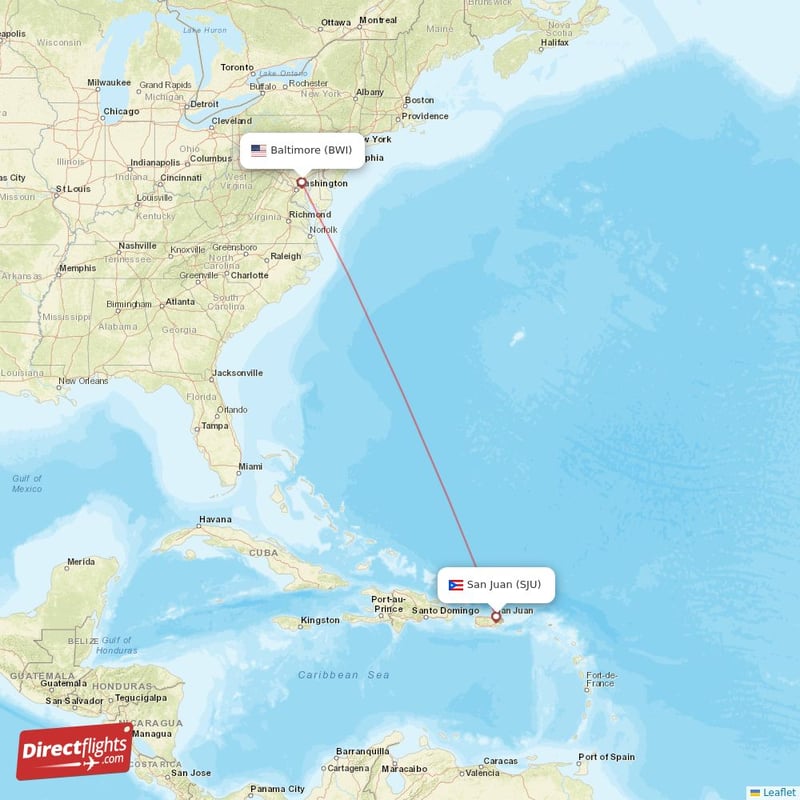
The primary determinant of flight length to Puerto Rico is, unequivocally, your point of origin. Flights originating from the United States mainland, particularly from the Eastern Seaboard, will naturally be shorter than those from the West Coast or other international locations. For instance, a direct flight from New York City or Miami will offer a significantly different travel time compared to a flight from Los Angeles or Chicago. This geographical proximity dictates the sheer distance that needs to be covered, and thus, the time required in the air.
Beyond the continental United States, travelers from further afield, such as from Europe or Asia, will face considerably longer journeys, often involving at least one layover. These extended flights necessitate meticulous planning, packing for comfort, and managing potential jet lag upon arrival. The length of the flight isn’t just about the time spent in the airplane cabin; it also encompasses the time spent in transit, including check-in, security, boarding, and any connections you might have.
Factors Influencing Flight Duration
Several key elements contribute to the overall duration of your flight to Puerto Rico, and recognizing these can help you set realistic expectations for your travel day.
Departure City: The Biggest Variable
As previously touched upon, your departure city is the most significant factor in determining flight time. Let’s break down some common scenarios:
- East Coast USA: For those flying from cities like Miami, Fort Lauderdale, Orlando, Atlanta, or New York City, direct flights to San Juan (SJU), Puerto Rico‘s main international airport, are widely available and typically range from 2.5 to 4 hours. This relatively short duration makes Puerto Rico a popular destination for weekend trips and shorter vacations for residents of these regions. You can often find flights from Miami to San Juan clocking in at around the 2.5 to 3-hour mark, while from New York, it might lean towards 3.5 to 4 hours.
- Midwest USA: Travelers from cities like Chicago or Detroit will experience slightly longer flights, usually in the 4 to 5.5-hour range for direct services. If direct flights are not available, layovers can easily add several more hours to your journey.
- West Coast USA: For those on the West Coast, such as Los Angeles, San Francisco, or Seattle, direct flights to Puerto Rico are less common. Most journeys will involve at least one stop, typically in a major hub like Atlanta, Charlotte, or Miami. The flight time itself can be around 5 to 6 hours, but with a layover, the total travel time can easily extend to 7 to 10 hours or more.
- Other International Locations: For travelers coming from outside the United States, the flight duration will be considerably longer and almost always involve at least one stop. For example, a flight from London, United Kingdom, to San Juan might involve a layover in a hub like Miami or Charlotte, making the total travel time 8 to 12 hours or more. Similarly, flights from Canada or Europe will follow similar patterns, with layovers significantly extending the overall journey.
Airline and Route Efficiency
Airlines employ different flight paths and utilize varying aircraft types, which can subtly influence flight times. While the direct distance remains constant, factors like wind speed and direction (jet streams), air traffic control patterns, and the specific routing chosen by the airline can add or subtract minutes from the scheduled flight time. Airlines also often optimize routes for fuel efficiency, which can sometimes translate to slightly longer flight paths. Direct flights are, of course, always the quickest option, as they eliminate the time spent on the ground during a layover and the potential for delays associated with connecting flights.
Layover Considerations
For many travelers, particularly those not on the East Coast of the United States, a layover is an unavoidable part of the journey. The duration and location of a layover can significantly impact your total travel time. A short layover of an hour or two might be manageable, but longer layovers can turn a flight into an all-day or even an overnight affair. It’s crucial to factor in not just the flight time but also the time spent in the connecting airport, including deplaning, navigating the terminal, finding your next gate, and re-boarding. Some travelers choose longer layovers to explore the connecting city, turning a necessity into an opportunity, but this is a conscious decision that adds to the overall trip duration.
Time of Year and Weather

While not a direct factor in the scheduled flight time, the time of year and prevailing weather conditions can indirectly influence your journey. During hurricane season (June 1st to November 30th), flights can be subject to delays or cancellations due to severe weather systems. While aircraft are designed to fly in most conditions, extreme weather can necessitate rerouting or holding flights on the ground for safety. Additionally, during peak travel seasons, such as holidays or school breaks, airports are busier, leading to longer check-in times, increased security lines, and potentially more congestion on the tarmac, all of which can add to the overall time spent on your travel day.
Estimating Your Total Travel Time
To accurately gauge how long your trip to Puerto Rico will take, it’s essential to consider more than just the airborne hours. Your total travel time begins the moment you leave your home and ends when you reach your accommodation in Puerto Rico.
Pre-Flight Preparations
Before you even set foot in the airport, several hours are dedicated to travel. This includes:
- Travel to the Airport: Depending on your location, getting to the airport can take anywhere from 30 minutes to over an hour. Factor in potential traffic, especially if you’re traveling during peak commuting times.
- Airport Check-in and Security: For domestic flights within the United States, it’s generally recommended to arrive at least two hours before your scheduled departure. For international flights, three hours is often advised. This buffer allows ample time for checking luggage, going through security screening, and reaching your gate without feeling rushed.
- Boarding: Boarding usually begins 30-60 minutes before departure. This time is spent queuing, finding your seat, and stowing your carry-on luggage.
The Flight Itself
This is the core of your travel time. As discussed, the duration varies significantly based on your departure city.
Post-Flight Procedures in Puerto Rico
Upon landing at Luis Muñoz Marín International Airport (SJU) or another Puerto Rican airport, your journey isn’t quite over:
- Deplaning and Baggage Claim: This can take anywhere from 15 minutes to over an hour, depending on how quickly passengers disembark and how long it takes for your checked luggage to arrive at the carousel.
- Immigration and Customs (if applicable): For travelers arriving from the United States, there are no immigration or customs checks as Puerto Rico is a U.S. territory. However, if you’re arriving from an international location, these procedures will add to your time.
- Ground Transportation: Once you have your luggage, you’ll need to get to your hotel or rental. Options include taxis, ride-sharing services, rental cars, or pre-booked shuttles. The time to procure this transportation and the travel time to your final destination will add to your overall journey. For example, traveling from SJU to the popular tourist area of Old San Juan can take about 20-30 minutes by car.

Popular Flight Times from Major US Cities
To provide a more concrete understanding, here’s a general overview of flight times from some major US cities to San Juan, Puerto Rico:
- Miami, Florida: Approximately 2.5 – 3 hours (direct)
- Fort Lauderdale, Florida: Approximately 2.5 – 3 hours (direct)
- Orlando, Florida: Approximately 2.5 – 3.5 hours (direct)
- Atlanta, Georgia: Approximately 3.5 – 4 hours (direct)
- New York, New York: Approximately 3.5 – 4 hours (direct)
- Charlotte, North Carolina: Approximately 3.5 – 4 hours (direct)
- Chicago, Illinois: Approximately 4.5 – 5.5 hours (direct)
- Dallas, Texas: Approximately 4 – 4.5 hours (direct)
- Houston, Texas: Approximately 4 – 4.5 hours (direct)
- Detroit, Michigan: Approximately 4.5 – 5 hours (direct)
- Denver, Colorado: Approximately 4.5 – 5 hours (direct, though less common)
- Los Angeles, California: Approximately 5.5 – 6 hours (direct, though less common)
- San Francisco, California: Approximately 6 – 6.5 hours (direct, though less common)
It is crucial to remember that these are flight times only and do not include the time spent at the airport before departure or after arrival. For non-direct flights, you must add the layover duration to these figures. Always check with your specific airline for the most accurate estimated flight duration for your chosen route. Understanding these times will allow you to better plan your packing, your airport arrival, and your initial activities upon reaching the beautiful shores of Puerto Rico. Whether you’re heading to the historic streets of Old San Juan, the bioluminescent bays of Vieques, or the El Yunque rainforest, knowing your travel time is the first step to a smooth and enjoyable vacation.