
The journey between the bustling metropolis of New York and the architectural marvel of Chicago is one of the busiest air routes in the United States. For both business travelers seeking efficiency and tourists eager to explore new horizons, understanding the flight duration is crucial for meticulous trip planning. While the direct flight time is relatively short, a comprehensive perspective on travel between these two iconic cities requires considering a multitude of factors, from pre-flight preparations to ground transportation and the overall travel experience. This article delves into the nuances of flying from the Big Apple to the Windy City, offering insights into flight times, influencing factors, and tips for making your journey as smooth and enjoyable as possible, weaving in elements of travel, accommodation, and the distinct lifestyles each city offers.
The Core Flight Duration: What to Expect
When planning a trip from New York to Chicago, the first question that comes to mind is often the simplest: “How long is the flight?” The answer, while straightforward for the airborne portion, becomes more complex when accounting for the entire door-to-door travel experience.
Direct Flight Times
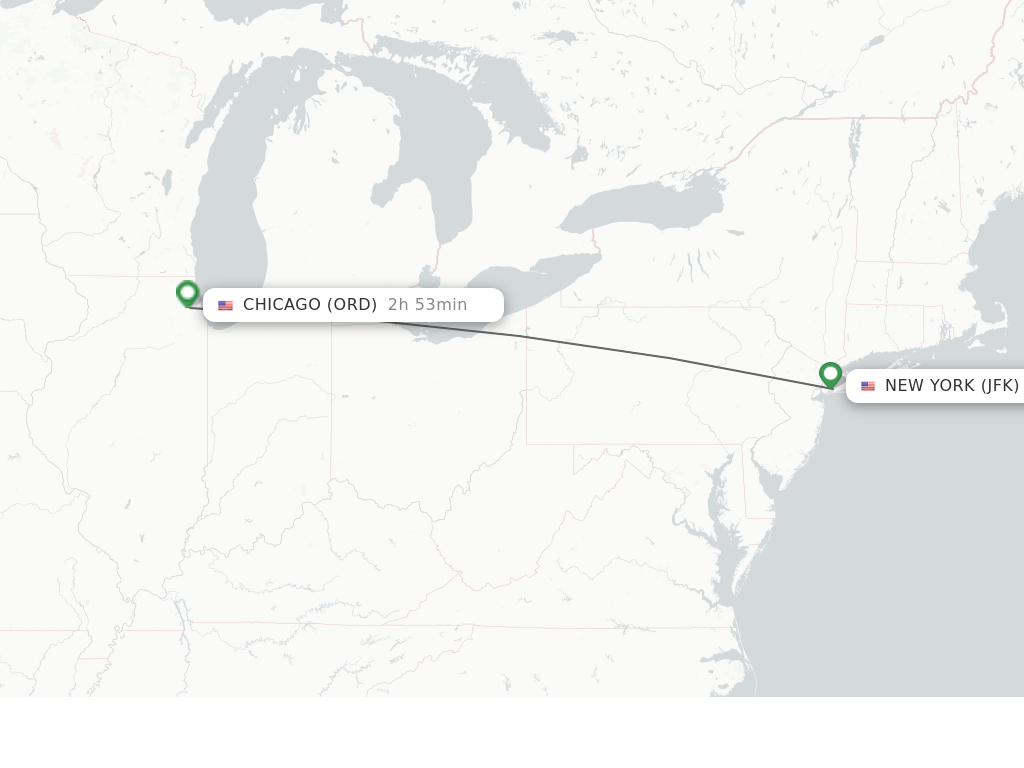
A direct flight between New York and Chicago typically spans a mere 2 hours to 2 hours and 30 minutes in the air. This relatively short duration makes the route ideal for quick getaways, weekend trips, and crucial business meetings. The actual flight time can fluctuate based on several variables, including the specific aircraft type, prevailing weather conditions (such as headwinds or tailwinds), and air traffic control directives. Major airlines frequently operate on this route, providing a competitive array of options. You’ll find carriers like United Airlines, American Airlines, Delta Air Lines, Southwest Airlines, Spirit Airlines, and JetBlue Airways offering numerous daily flights.
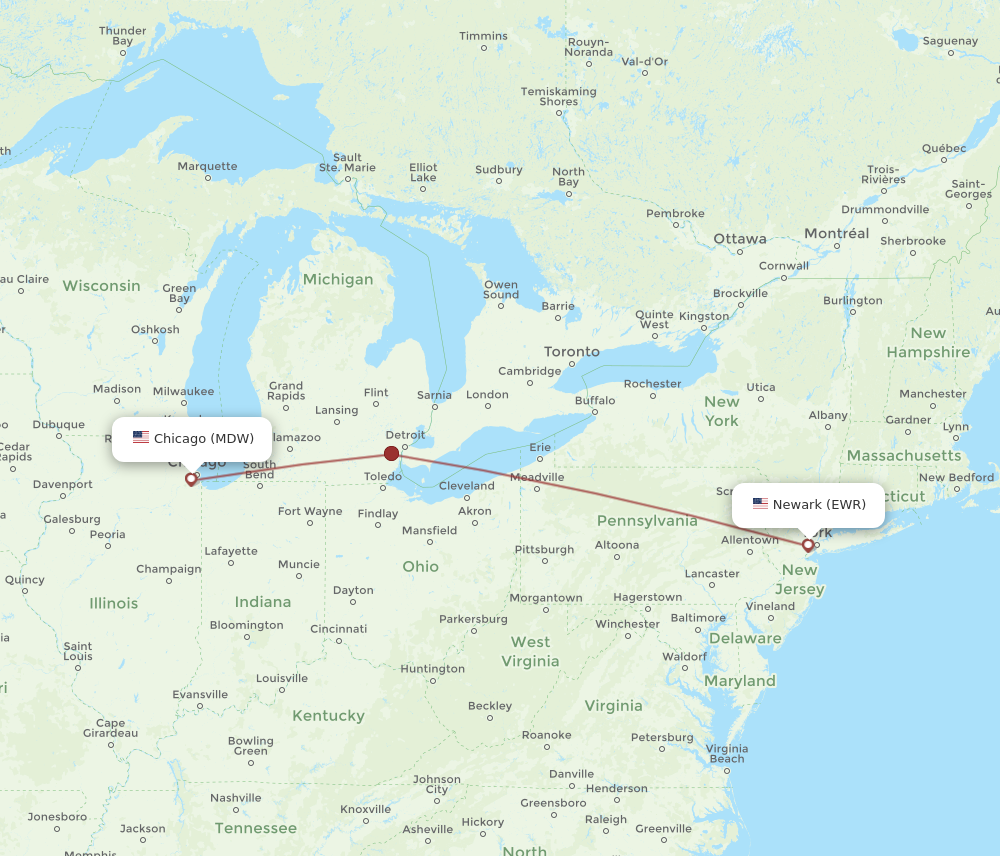
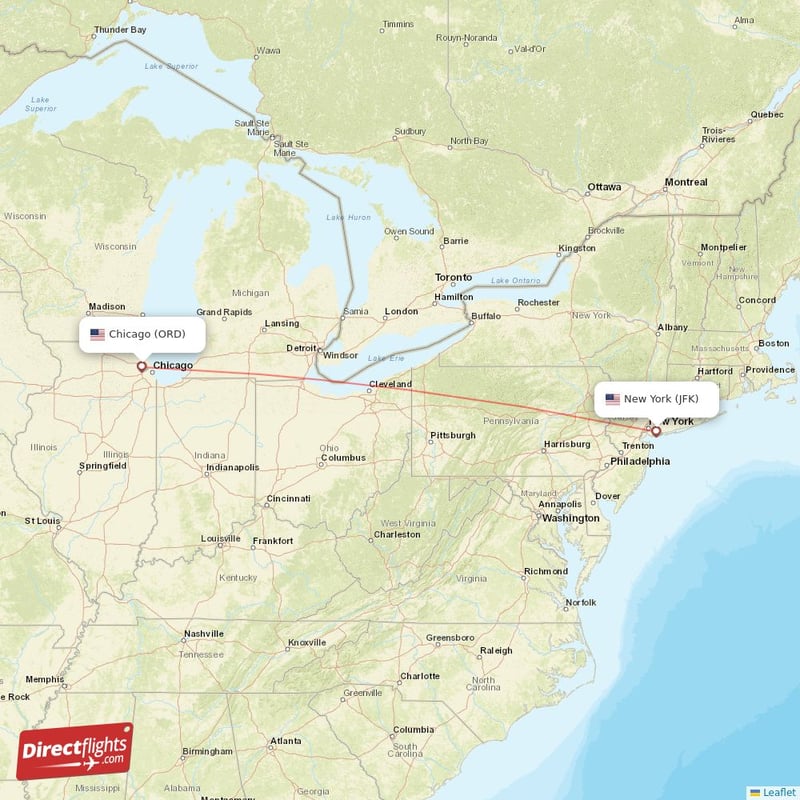
Travelers departing from the New York metropolitan area have a choice of three major airports: LaGuardia Airport (LGA), John F. Kennedy International Airport (JFK) in Queens, and Newark Liberty International Airport (EWR) in New Jersey. Each offers unique advantages in terms of accessibility and airline presence. Upon arrival in Chicago, passengers typically land at either O’Hare International Airport (ORD), one of the world’s busiest hubs, or Midway International Airport (MDW), a smaller, often more convenient option, particularly for travelers flying with Southwest Airlines or heading directly to Downtown Chicago. The vast network of flights ensures flexibility for almost any schedule, catering to both spontaneous adventures and meticulously planned itineraries.
Accounting for Total Travel Time
While the airborne segment is brief, it’s essential to understand that “flight time” is just one piece of the travel puzzle. The total door-to-door journey can easily stretch to 5 to 7 hours, sometimes even longer during peak travel periods or with unforeseen delays. This comprehensive estimate includes several critical stages. Pre-flight procedures, such as arriving at the airport 2-3 hours before departure for check-in, baggage drop, and navigating security checkpoints, are significant time commitments. Expedited services like TSA PreCheck or CLEAR can certainly reduce security wait times, but it’s always wise to factor in ample buffer.
Once through security, passengers need to account for boarding time, which typically begins 30-45 minutes before departure. Upon landing in Chicago, the post-flight process involves deplaning, potentially waiting for checked baggage at the carousel, and then arranging ground transportation to your final destination. This can add another 30-60 minutes, or even more if there are delays in baggage handling or long queues for taxis and rideshares. Finally, the commute to and from the airports themselves, often through urban traffic, is a variable factor that depends heavily on the time of day and specific starting/ending points in both cities. For example, traveling from Manhattan to JFK during rush hour can take well over an hour, just as navigating from O’Hare to Downtown Chicago can be time-consuming. Understanding these cumulative elements is key to a realistic travel plan, especially for those with tight schedules or connecting flights.
Factors Influencing Flight Duration and Experience
Beyond the basic flight schedule, several dynamic elements play a significant role in determining the actual length of your journey from New York to Chicago and your overall travel satisfaction. From meteorological conditions to the efficiency of air traffic management, these factors can transform a routine flight into an extended adventure or a remarkably swift passage.
Weather and Air Traffic Control
Weather is undeniably one of the most unpredictable and impactful factors affecting flight times. Strong headwinds can significantly prolong a flight, adding 15-30 minutes or even more to the anticipated duration as the aircraft battles against the wind. Conversely, powerful tailwinds can provide a beneficial boost, shaving precious minutes off the journey. Severe weather events, such as thunderstorms, snowstorms, or fog, in either the departure or arrival city, can lead to flight delays, diversions, or even cancellations, sometimes forcing pilots to take longer, alternative routes to bypass turbulent areas. These conditions impact not only the airborne time but also ground operations, affecting everything from de-icing procedures to runway availability.
The sheer volume of air traffic in the highly congested airspace over the Northeastern US and the Midwest also frequently contributes to variations in flight times. Air traffic control (ATC) constantly manages the flow of aircraft, and during peak hours or periods of high demand, flights may be held on the tarmac, rerouted, or instructed to fly at lower speeds to maintain safe separation. These ATC delays, while essential for safety, can cumulatively add to the flight duration. For instance, planes often enter holding patterns near busy airports like O’Hare International Airport during peak arrival times, extending the flight beyond its scheduled arrival. Staying informed about potential weather disruptions and checking flight statuses regularly is a prudent step for any traveler.
Aircraft Type and Route Efficiency
The specific aircraft model used for your flight can subtly influence the journey’s length. While the difference might be marginal on a relatively short route like New York to Chicago, modern, fuel-efficient jets typically operate at higher cruising speeds than older models. Airlines choose aircraft based on passenger capacity, route demand, and operational efficiency, but the slight variations in cruising speed can add up over hundreds of miles. For instance, a newer Boeing 737 or Airbus A320 might complete the journey a few minutes faster than an older equivalent.
Beyond the plane itself, the exact flight path dictated by air traffic control and optimized by airlines for fuel efficiency and airspace availability plays a role. While the direct geographical distance is fixed, the actual route flown can vary daily. Pilots and dispatchers continuously adjust flight plans to account for real-time conditions, such as bypassing active storm cells or adhering to specific air corridors designed to reduce congestion. Sometimes a slightly longer, less direct route might be faster if it allows the aircraft to avoid heavy traffic or unfavorable weather. Furthermore, the efficiency of ground operations at both departure and arrival airports, including taxi times to and from the gate, can also contribute to the overall travel duration, sometimes adding an extra 10-20 minutes to the total journey, even before takeoff or after landing.
Time Zones and Practical Considerations
The time zone difference between New York and Chicago is an important, though often overlooked, aspect of planning your trip. New York operates on Eastern Time Zone (ET), while Chicago is in the Central Time Zone (CT). This means there’s a one-hour difference, with Chicago being one hour behind New York. So, a flight departing New York at 10:00 AM ET and landing in Chicago after a 2.5-hour flight would arrive at 11:30 AM CT, making the perceived “elapsed time” seem shorter than the actual block time. This can be advantageous for travelers heading west, as it gives them an extra hour upon arrival, perfect for settling into their accommodation or heading straight to a business meeting without feeling too rushed.
Conversely, for travelers flying from Chicago to New York, the time difference means arriving an hour later than the equivalent flight time might suggest. This eastward travel can feel more impactful on one’s schedule, especially for early morning commitments. Beyond time zones, practical considerations like peak travel times also influence the overall experience. Flights during holidays, major events, or prime business travel hours (early mornings, late afternoons) are often more crowded, potentially leading to longer lines at security, fuller planes, and higher chances of air traffic delays. Budget travel might involve less convenient flight times or airports, but often comes with cost savings that appeal to a different lifestyle choice. Understanding these factors allows travelers to optimize their schedule and manage expectations for a smoother journey between these two dynamic cities.
Maximizing Your Journey: Travel Tips and Lifestyle Choices
Traveling between major hubs like New York and Chicago offers a wealth of choices that can significantly impact not just the duration, but also the comfort, convenience, and overall enjoyment of your trip. By making informed decisions about airports, airlines, and in-flight amenities, you can transform a routine flight into an integral part of your travel experience, whether it’s for luxury travel, a budget-conscious family trip, or a crucial business stay.
Choosing the Right Flight and Airport
The selection of your departure and arrival airports can be a game-changer. In the New York area, JFK is a major international hub, often preferred for its global connections and extensive amenities, but it can be further from Manhattan and more prone to delays. LaGuardia Airport (LGA) has undergone significant modernization, offering a more convenient domestic travel experience and generally closer proximity to parts of NYC. Newark Liberty International Airport (EWR) in New Jersey serves as a viable alternative, especially for those located on the west side of the Hudson River or looking for different airline options. Each has distinct ground transportation options and travel times from the city center, which should be factored into your total journey.
In Chicago, O’Hare International Airport (ORD) is the larger hub, serving a vast network of airlines and destinations, though its size can sometimes mean longer taxi times and walks within the terminals. Midway International Airport (MDW), while smaller, is often praised for its efficiency and closer proximity to Downtown Chicago, making it a popular choice for those traveling with Southwest Airlines or seeking quicker access to the city. When booking, consider early morning flights which statistically experience fewer delays, and try to avoid peak travel hours if flexibility allows. Weighing the trade-offs between budget airlines (which might offer lower fares but fewer amenities or less convenient schedules) and full-service carriers (providing more comfort, included baggage, and better in-flight services) depends entirely on your personal travel style and priorities.
Enhancing Your Airport and In-Flight Experience
To truly maximize your journey, savvy travelers often utilize services and amenities designed to streamline the airport experience. Services like TSA PreCheck and CLEAR can dramatically reduce time spent in security lines, offering a smoother and less stressful start to your trip. For those who travel frequently or simply enjoy a more relaxed pre-flight environment, access to airport lounges through programs like Priority Pass or airline-specific memberships (e.g., Delta Sky Club, United Club) provides a quiet space away from the terminal crowds, often with complimentary food, beverages, and Wi-Fi. This can be particularly beneficial during unexpected delays, transforming waiting time into productive or relaxing moments.
Once onboard, the in-flight experience, though brief, can still be optimized for comfort. Many airlines offer Wi-Fi access (for a fee) allowing business travelers to stay productive or leisure travelers to stream entertainment. Bringing your own snacks, a good book, or downloading movies beforehand ensures you have preferred entertainment, regardless of what the airline offers. Investing in a comfortable travel pillow, noise-canceling headphones, and a compact blanket can make even a short flight feel more luxurious, aligning with a lifestyle focused on well-being and convenience. For families traveling with children, pre-booking seats together, having portable entertainment, and packing familiar snacks can make a significant difference in managing the journey.
Ground Transportation and Accommodation in Chicago
Upon landing in Chicago, efficient ground transportation from the airport to your accommodation is key to continuing a smooth travel experience. From O’Hare International Airport (ORD), the CTA Blue Line provides direct, affordable access to Downtown Chicago and beyond, taking approximately 45-60 minutes. From Midway International Airport (MDW), the CTA Orange Line offers a similar service, reaching downtown in about 25-30 minutes. Taxis, rideshares, and airport shuttle services are also readily available for those preferring direct door-to-door convenience, though at a higher cost.
Chicago boasts a phenomenal array of Chicago hotels and accommodations catering to every taste and budget. For luxury travelers, establishments like The Langham Chicago or The Peninsula Chicago offer impeccable service and stunning views. Mid-range options such as the Hyatt Regency Chicago or Sofitel Chicago Magnificent Mile provide excellent value and central locations. Boutique hotels like Thompson Chicago appeal to those seeking unique experiences and personalized service. Beyond hotels, various apartments and villas are available for longer stays or those desiring a more local feel. Once settled, exploring Chicago’s landmarks becomes the highlight. A visit to Millennium Park to see Cloud Gate (The Bean), exploring the world-class collections at the Art Institute of Chicago, or enjoying the vibrant atmosphere of Navy Pier are must-dos. For breathtaking views, the Skydeck Chicago at the iconic Willis Tower offers an unforgettable perspective of the city. No trip to Chicago would be complete without indulging in its renowned Chicago food scene, featuring quintessential dishes like deep-dish pizza and hot dogs.
Exploring New York and Chicago: A Tale of Two Cities
Flying from New York to Chicago is more than just a change of scenery; it’s a transition between two of America’s most influential and culturally rich urban centers. Each city offers a distinct blend of history, architecture, gastronomy, and lifestyle, making any visit a memorable experience. Understanding what makes each city unique can help tailor your travel plans, whether you’re embarking on a luxurious escape, a budget-friendly adventure, a family vacation, or a crucial business trip.
Iconic Landmarks and Cultural Gems
New York City, a global icon, boasts an unparalleled array of landmarks that resonate with visitors worldwide. From the majestic Statue of Liberty symbolizing freedom to the towering Empire State Building offering panoramic views, the city is a living museum. The dazzling lights of Times Square, the world-renowned theaters of Broadway, and the serene expanses of Central Park define the quintessential NYC experience. Its neighborhoods, from the artistic vibe of Greenwich Village to the financial power of Wall Street, each tell a unique story, making it a dream destination for travelers seeking diverse experiences and cultural immersion.
Chicago, in contrast, presents a grand spectacle of modern architecture and public art. Its skyline, punctuated by giants like the Willis Tower (formerly Sears Tower) and the John Hancock Center, is best admired from a Chicago Architecture Foundation Center River Cruise. The vibrant energy of The Magnificent Mile offers world-class shopping and dining, while Millennium Park hosts the iconic Cloud Gate sculpture, affectionately known as “The Bean.” The Art Institute of Chicago, one of the oldest and largest art museums in the United States, and the engaging exhibits at the Museum of Science and Industry solidify Chicago’s reputation as a cultural powerhouse. Both cities are rich in history and offer distinct visual and experiential feasts for visitors, making the journey between them a bridge between two grand American narratives.
Accommodation and Lifestyle Considerations
The accommodation landscape in both New York and Chicago is as diverse as their populations, catering to a wide spectrum of preferences and budgets. In NYC, travelers can choose from opulent luxury hotels in Midtown Manhattan, boutique hotels in trendy neighborhoods like SoHo or Greenwich Village, or more budget-friendly options found further afield in Brooklyn or Queens. The choice of neighborhood often dictates the lifestyle experience, from the fast-paced energy of Times Square to the quieter, residential charm of the Upper West Side. For business stays, hotels near convention centers or financial districts are paramount, while family trips might prioritize proximity to parks and attractions, often found in apartment-style accommodations.
Chicago offers similar versatility. The River North and Gold Coast neighborhoods are popular for luxury hotels and vibrant nightlife, while the Loop area is ideal for business travelers due to its proximity to corporate offices and public transport hubs. Families might prefer hotels with amenities like pools or easy access to Millennium Park and museums. Long-term stays can be facilitated through serviced apartments or extended-stay hotels, offering more space and home-like comforts. Whether you seek the pampered experience of a five-star resort or the practicality of a budget-friendly hostel, both cities provide extensive choices that align with various travel lifestyles and help define your unique visit, emphasizing comfort and convenience after your flight.
Gastronomy and Entertainment
The culinary scenes of New York and Chicago are world-class, offering distinct gastronomic adventures. New York is a global melting pot, boasting everything from high-end Michelin-starred restaurants to an incredible array of street food vendors and international eateries across its five boroughs. Whether it’s a classic New York-style pizza, a gourmet meal in Tribeca, or a bagel from a local deli, the city’s food scene is an experience in itself. Its entertainment options are equally diverse, from world-class opera at the Metropolitan Opera to intimate jazz clubs in Harlem, not to mention professional sports teams and countless live music venues.
Chicago, while known for its unique contributions like deep-dish pizza and Chicago-style hot dogs, also features a sophisticated and innovative dining landscape. The city is home to several Michelin-starred restaurants and a burgeoning farm-to-table movement. Beyond its iconic comfort foods, Chicago offers diverse international cuisine, upscale dining experiences, and bustling food markets. For entertainment, Chicago’s legendary blues and jazz clubs, vibrant theater scene (including several Broadway in Chicago productions), and passionate sports culture provide endless options. Both cities promise a feast for the senses, ensuring that your travel beyond the flight itself is filled with delectable tastes and unforgettable performances, cementing their status as top global destinations for tourism and lifestyle.
The flight from New York to Chicago is a quick and efficient airborne journey, typically lasting between 2 and 2.5 hours. However, a realistic understanding of travel time necessitates factoring in airport procedures, security, boarding, and ground transportation, which can extend the door-to-door experience to 5-7 hours. Variables such as weather, air traffic control, and aircraft type all play a role in the actual flight duration, while the one-hour time zone difference offers a perceived advantage when traveling westward. By choosing the right airports, utilizing expedited services like TSA PreCheck and CLEAR, and optimizing your in-flight comfort, you can enhance your travel experience. Both New York and Chicago stand as magnificent destinations, offering a rich tapestry of landmarks, diverse accommodation options, and vibrant culinary and entertainment scenes. This relatively short flight is a gateway to exploring the unique charms and dynamic lifestyles that define these two iconic American cities, making every minute of your journey, both in the air and on the ground, a part of a larger, memorable adventure.
LifeOutOfTheBox is a participant in the Amazon Services LLC Associates Program, an affiliate advertising program designed to provide a means for sites to earn advertising fees by advertising and linking to Amazon.com. Amazon, the Amazon logo, AmazonSupply, and the AmazonSupply logo are trademarks of Amazon.com, Inc. or its affiliates. As an Amazon Associate we earn affiliate commissions from qualifying purchases.