
Embarking on a journey from the bustling metropolis of New York to the captivating islands of Japan is an adventure that spans continents and cultures. While the allure of Tokyo’s neon-lit streets, the serene temples of Kyoto, or the breathtaking natural beauty of Mount Fuji beckons, a crucial factor for any traveler is understanding the flight duration. The question, “How long is a flight from New York to Japan?” is not a simple one, as several variables can influence the total travel time. This comprehensive guide will delve into the intricacies of this trans-Pacific voyage, considering flight types, layovers, and the specific cities involved to provide you with a clear picture of what to expect.
Understanding the Factors Influencing Flight Time
The duration of your flight from New York to Japan is not a fixed number. It’s a dynamic calculation influenced by a confluence of factors, each playing a significant role in determining your arrival time. Understanding these elements can help you better plan your trip, manage expectations, and even choose the most efficient route for your travel needs.
Direct vs. Connecting Flights
The most significant determinant of flight length is whether you opt for a direct (non-stop) flight or one with one or more layovers.
-
Direct Flights: For travelers prioritizing speed and convenience, direct flights are the undisputed champion. These flights depart from New York and arrive in Japan without any stops, offering the shortest possible travel time. The absence of deplaning, navigating unfamiliar airports, and waiting for connecting flights dramatically reduces the overall journey duration. Airlines operating these routes aim to provide the most streamlined experience, making them ideal for those with limited time or a preference for seamless travel. However, direct flights often come with a premium price tag and may have less flexible scheduling compared to connecting options.
-
Connecting Flights: When direct flights are unavailable, too expensive, or don’t align with your schedule, connecting flights become the alternative. These flights involve a stopover in a third city, where you will disembark, potentially change planes, and then continue to your final destination in Japan. The layover city can significantly impact the total travel time. Common layover points between New York and Japan include cities in Canada, Europe, or other parts of Asia. The duration of the layover – from a brief connection of an hour or two to an extended stop of several hours or even overnight – is a critical factor. While connecting flights can sometimes be more affordable and offer greater flexibility in terms of departure and arrival times, they invariably add considerable hours to your journey. Navigating airport terminals, the risk of missed connections due to delays, and the general fatigue associated with multiple boarding processes are all aspects to consider.
Departure and Arrival Airports
The specific airports from which you depart in the New York metropolitan area and to which you arrive in Japan also play a role, albeit a less pronounced one than the direct vs. connecting factor.
-
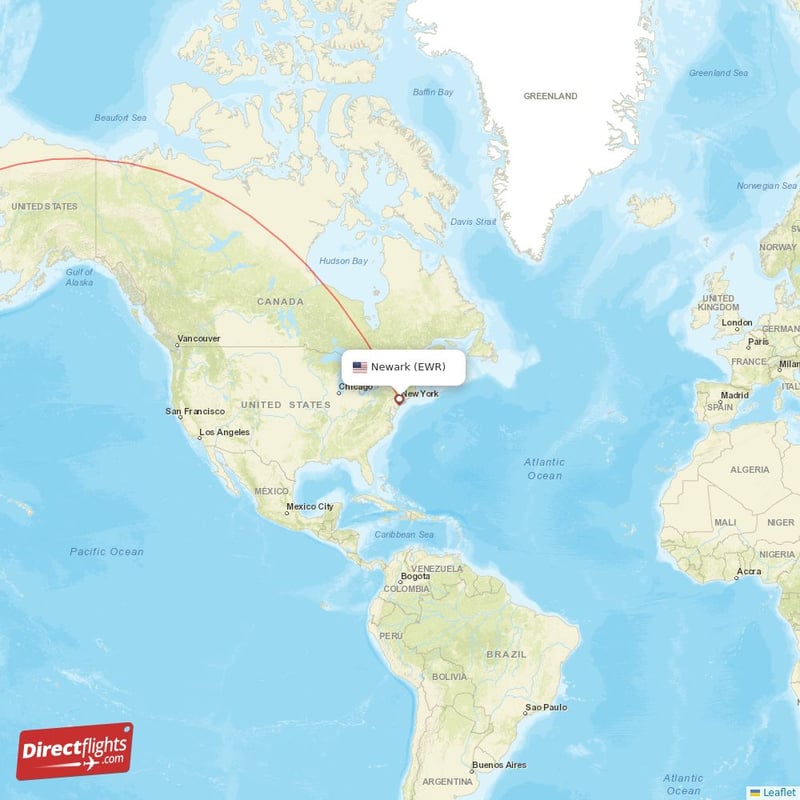
New York Area Airports: New York is served by several major international airports, including John F. Kennedy International Airport (JFK), Newark Liberty International Airport (EWR), and LaGuardia Airport (LGA). While LGA primarily handles domestic flights, both JFK and EWR are gateways for international travel. The choice of departure airport might influence which airlines offer direct flights and their specific routes.
-
Japanese Airports: Similarly, Japan has multiple international airports that receive flights from North America. The most common gateways are Narita International Airport (NRT) and Haneda Airport (HND) in Tokyo, and Kansai International Airport (KIX), serving the Osaka region. Flights to Tokyo (whether NRT or HND) are generally more frequent from New York. The distance between New York and these different Japanese cities will have a marginal effect on flight times, but the primary difference will stem from the airline’s chosen flight path.
Airline Routing and Flight Paths
Airlines design their flight paths to be as efficient as possible, considering factors like prevailing winds, air traffic control regulations, and fuel efficiency. While the most direct geographical route might seem obvious, actual flight paths can meander.
-
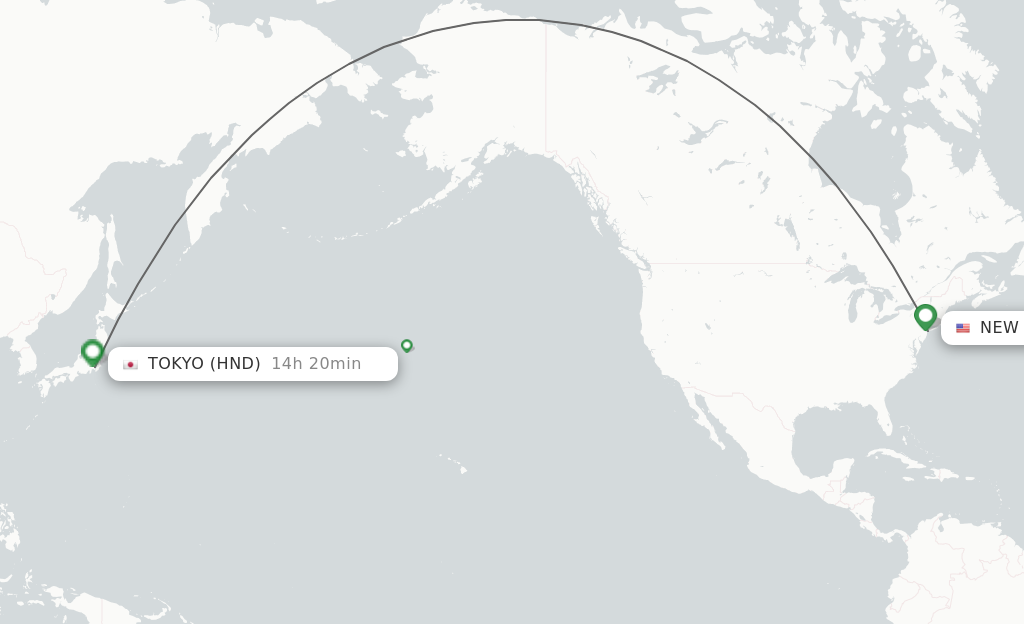
Great Circle Route: In theory, the shortest distance between two points on a sphere is a “great circle route.” Flights between New York and Japan generally follow a path that arcs northward across North America, Canada, and then over the Pacific Ocean. This northern routing is often dictated by jet streams, which can either assist or hinder flight speed.
-
Jet Streams: These high-altitude air currents can significantly impact flight times. Flying with a tailwind (a jet stream blowing in the same direction as the aircraft) can shorten flight duration, while flying against a headwind can lengthen it. Airlines carefully consider jet stream forecasts when planning their routes and flight schedules.
-
Air Traffic Control and Airspace Restrictions: The airspace over various countries and regions has specific regulations and traffic control systems. Flight paths must adhere to these protocols, which can sometimes lead to slight deviations from the most direct geographical line.
Time Difference and Jet Lag
While not directly affecting flight duration, the significant time difference between New York and Japan is an important consideration for travelers. Japan is 13 hours ahead of New York (Eastern Standard Time). This means that departing New York in the evening and arriving in Japan in the afternoon of the next day is common, despite the flight being closer to 13-15 hours. This disparity can contribute to jet lag, a phenomenon that affects many long-haul travelers. Preparing for the time difference by adjusting sleep schedules beforehand and staying hydrated during the flight can help mitigate its effects.
Typical Flight Durations: New York to Japan
Now, let’s get to the heart of the matter: the actual time you can expect to spend in the air.

Direct Flights: The Fastest Option
For those seeking the quickest journey, direct flights from New York to Japan are available, primarily connecting New York (usually JFK) to Tokyo (both NRT and HND).
- Duration: A non-stop flight from New York to Tokyo typically ranges from 13 to 15 hours. This figure represents the time from takeoff to touchdown. Airlines like Japan Airlines (JAL) and All Nippon Airways (ANA) frequently operate these direct routes. The exact time can fluctuate slightly based on the specific airline, the direction of the flight (eastbound flights can sometimes be a bit shorter due to jet streams), and prevailing weather conditions. It’s crucial to check the specific flight details provided by the airline at the time of booking, as these are the most accurate estimates.
Connecting Flights: Adding Time to Your Journey
When direct flights are not an option, connecting flights will significantly increase your travel time. The duration of a connecting flight is highly variable, depending on the number of layovers and the length of each stop.
-
One-Stop Flights: A typical flight from New York to Japan with a single layover can range from 16 hours to over 24 hours. This includes the flight time between cities and the layover duration at the connecting airport. For example, a flight might involve a stop in Vancouver, Seattle, Los Angeles, or even a city in Europe like Amsterdam or Paris, before continuing to Tokyo or Osaka. The layover itself can vary from a couple of hours to a full day, depending on the airline’s schedule and the connection options.
-
Two or More Stops: Flights with two or more layovers are less common for this route unless seeking exceptionally low fares or specific routing. These journeys can easily extend to 25-30 hours or more, making them a substantial commitment. Such flights are often chosen by budget-conscious travelers willing to endure extended travel for significant cost savings.
When planning your trip, always factor in the layover time when calculating the total travel duration. Many booking websites will display the “total travel time,” which includes the flight segments and layovers, providing a more realistic estimate than just the in-air flight time.
Making the Most of Your Long Journey
A flight from New York to Japan is a significant undertaking. To ensure a comfortable and enjoyable experience, consider these tips:
Preparing for a Long-Haul Flight
- Comfort is Key: Invest in a good neck pillow, comfortable clothing layers, and noise-canceling headphones. Staying hydrated by drinking plenty of water and avoiding excessive alcohol and caffeine is essential.
- Entertainment: Download movies, music, podcasts, and books onto your devices. Most long-haul flights offer in-flight entertainment systems, but having your own backups provides assurance.
- Movement: Get up and walk around the cabin periodically to improve circulation and prevent stiffness. Stretching in your seat can also be beneficial.
- Sleep: Try to sleep during the flight, especially if it’s an overnight journey. Using an eye mask and earplugs can help create a more conducive sleep environment.
Navigating Your Arrival in Japan
- Airport Procedures: Be prepared for immigration and customs procedures upon arrival. Having your travel documents readily accessible will expedite the process.
- Transportation: Research transportation options from the airport to your accommodation in Japan beforehand. Tokyo’s Narita Express and Limousine Bus are popular choices for NRT, while Haneda is more integrated with the city’s train and subway network.
- Jet Lag Management: Upon arrival, try to adjust to the local time as quickly as possible. Exposing yourself to natural light during the day and minimizing screen time before bed can help.
Choosing Your Accommodation in Japan
Once you’ve landed in Japan, your next step is securing comfortable accommodation. The country offers a diverse range of options, from luxurious hotels to traditional inns.
-
Hotels: Japan boasts an impressive array of hotels, catering to all budgets and preferences. For a high-end experience, consider world-renowned establishments like the Park Hyatt Tokyo or the Ritz-Carlton Tokyo, offering impeccable service and stunning city views. Mid-range options are plentiful, providing comfortable stays with excellent amenities. Even budget-friendly business hotels offer clean and efficient rooms. Many hotels are conveniently located near major train stations, facilitating easy exploration.
-
Ryokans: For a truly immersive cultural experience, staying in a traditional Japanese inn, or ryokan, is highly recommended. These establishments offer tatami mat rooms, futon beds, and often include exquisite multi-course kaiseki dinners and breakfast. Popular ryokan destinations include Hakone and Kyoto. Experiencing an onsen (hot spring bath) at a ryokan is a quintessential part of Japanese hospitality.
-
Apartments and Vacation Rentals: For longer stays or families, renting an apartment or a vacation home through platforms like Airbnb can offer more space and a local living experience. This is particularly beneficial for those who want to cook some of their own meals and have a home base for extended exploration.
Whether you are seeking the luxury of a five-star suite, the charm of a traditional villa, or the convenience of a well-appointed apartment, Japan has accommodation options to suit every traveler’s needs and desires, ensuring your stay is as comfortable as your flight was long.
By understanding the nuances of flight durations and preparing adequately, your journey from New York to Japan can be a smooth and exciting prelude to the incredible experiences that await you in the Land of the Rising Sun.