
Embarking on a journey to the enchanting islands of Hawaii is a dream for countless travelers seeking an idyllic escape to sun-drenched beaches, lush landscapes, and vibrant culture. This archipelago, a captivating blend of natural wonders and rich Polynesian heritage, stands as a premier destination within the United States. However, nestled far out in the Pacific Ocean, a significant question often arises for aspiring visitors: “How long is the flight to Hawaii?” The answer, while seemingly straightforward, is influenced by a myriad of factors, from your departure city to the specific island you choose to visit, and even the type of aircraft you’re flying on. Understanding these variables is key to planning a seamless and enjoyable Hawaiian adventure, ensuring your focus remains on the breathtaking experiences that await rather than the journey itself.
For many, the flight to Hawaii represents the longest leg of their travel, acting as a bridge between their everyday lives and the tranquil paradise they envision. Whether you’re planning a romantic getaway, a family vacation filled with exciting activities, a luxurious resort stay, or a budget-friendly exploration of local culture, knowing the expected flight duration allows for better planning of your itinerary, accommodation bookings, and even how you pack for the journey. This comprehensive guide will delve into the typical flight times from various regions, explore the factors that can alter your travel duration, introduce the major airlines and airports serving the islands, and offer essential tips for making your long-haul flight as comfortable as possible. Prepare to unravel the complexities of flying to Hawaii and get one step closer to experiencing its unparalleled beauty and aloha spirit.
Understanding Flight Durations to Hawaii: A Pacific Journey
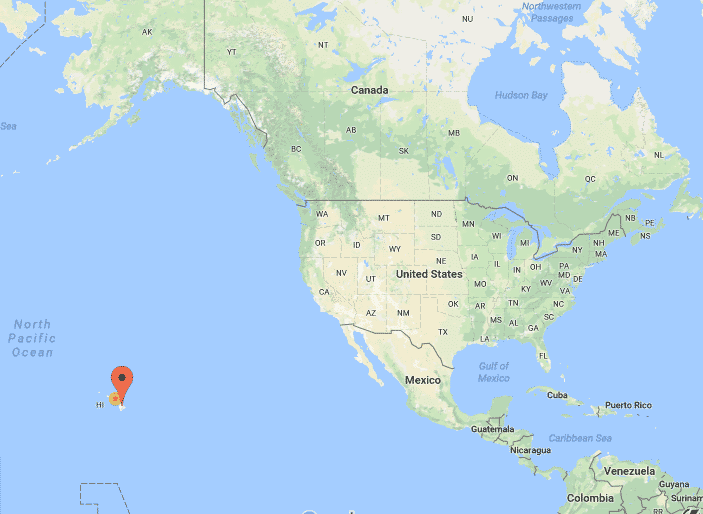
The Hawaiian Islands, located approximately 2,500 miles southwest of the continental United States, are a testament to nature’s artistry and a beacon for global tourism. Due to its remote mid-ocean location, reaching Hawaii invariably involves a substantial flight. The duration varies significantly depending on your point of origin within North America and beyond. Direct flights are available from many major North American cities, while travelers from more distant locations will typically require connecting flights, extending their overall travel time. The primary arrival point for most visitors is Daniel K. Inouye International Airport (HNL) in Honolulu on the island of Oahu, though direct routes to other islands like Maui, the Big Island, and Kauai are becoming increasingly common.
Flights from the West Coast of the United States
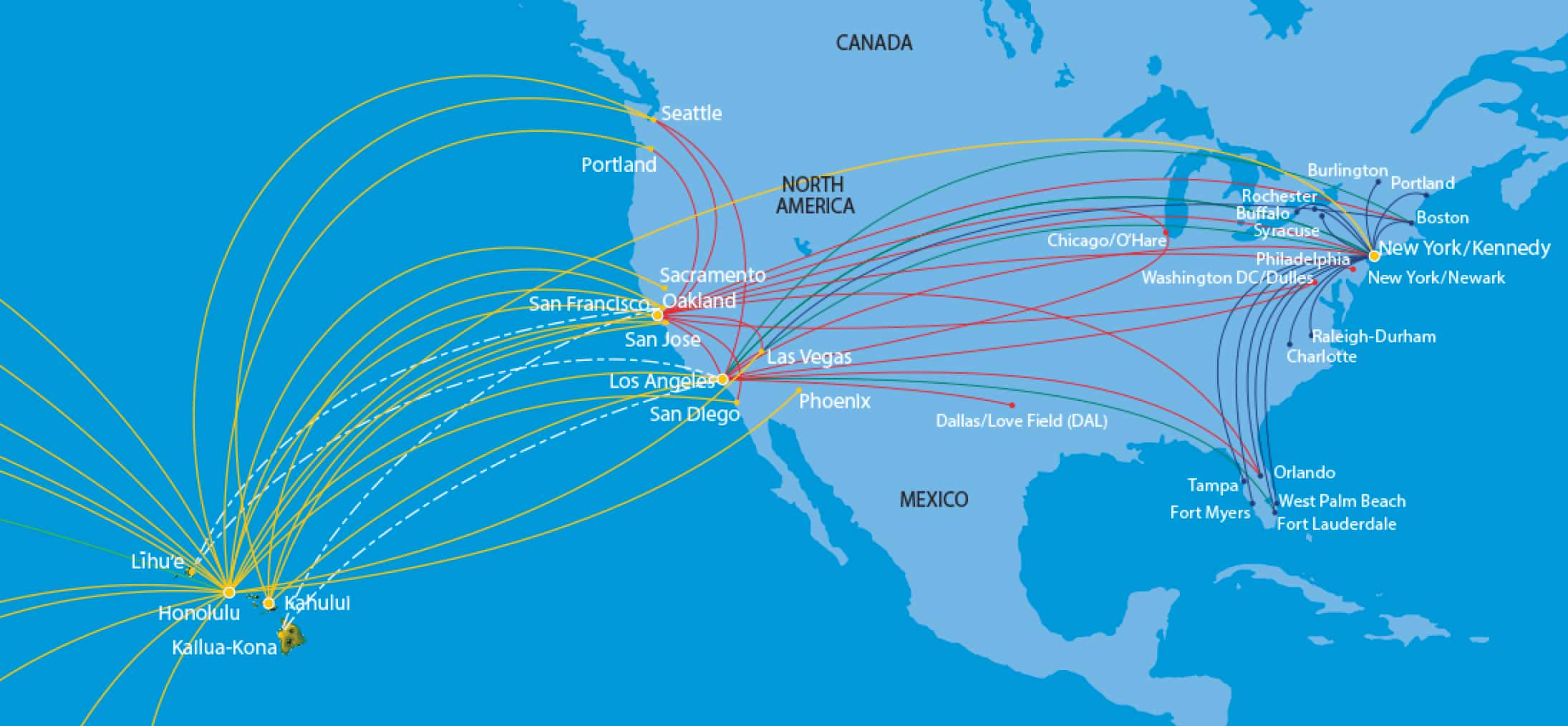
For travelers departing from the West Coast of the United States, Hawaii is the most accessible. This region acts as the primary gateway, offering the shortest direct flights to the islands. Cities like Los Angeles, San Francisco, Seattle, and Portland are bustling hubs for Hawaiian travel, with numerous daily departures.
- Los Angeles (LAX) to Honolulu (HNL): A direct flight typically takes around 5 hours and 30 minutes to 6 hours. This is one of the most popular and frequent routes.
- San Francisco (SFO) to Honolulu (HNL): Similar to Los Angeles, flights from San Francisco usually range from 5 hours and 30 minutes to 6 hours.
- Seattle (SEA) to Honolulu (HNL): Flights from the Pacific Northwest tend to be slightly longer, averaging 6 hours to 6 hours and 30 minutes.
- Portland (PDX) to Honolulu (HNL): Expect a flight duration of approximately 6 hours to 6 hours and 30 minutes.
Airlines such as Hawaiian Airlines, United Airlines, Delta Air Lines, American Airlines, Southwest Airlines, and Alaska Airlines all operate extensive services from these California, Washington, and Oregon cities, offering a range of options for direct flights to various Hawaiian islands.
Flights from the Central United States
Traveling to Hawaii from the central regions of the United States involves longer flight times, with many routes offering direct services, but also a higher likelihood of needing connecting flights, especially to the smaller Hawaiian airports.
- Phoenix (PHX) to Honolulu (HNL): A direct flight typically takes around 6 hours and 30 minutes to 7 hours.
- Denver (DEN) to Honolulu (HNL): Direct flights generally span 7 hours to 7 hours and 30 minutes.
- Chicago (ORD) to Honolulu (HNL): Flights from the Midwest are significantly longer, usually around 8 hours and 30 minutes to 9 hours for a direct service.
- Dallas (DFW) or Houston (IAH) to Honolulu (HNL): From Texas, expect direct flights to be in the range of 8 hours to 8 hours and 45 minutes.
While direct flights are available from these major hubs, travelers from smaller cities in the central United States will almost certainly have a layover, typically on the West Coast, adding several hours to their total travel time.
Flights from the East Coast of the United States
For those journeying from the East Coast of the United States, flights to Hawaii represent a true long-haul experience. Direct flights are limited but do exist from a few major airports, offering the most efficient, albeit longest, travel times without a stopover.
- Atlanta (ATL) to Honolulu (HNL): One of the longest direct flights, often taking 9 hours and 30 minutes to 10 hours and 30 minutes.
- New York City (JFK/EWR) to Honolulu (HNL): Direct services can range from 10 hours to 11 hours.
- Boston (BOS) to Honolulu (HNL): Similar to New York City, a direct flight will be around 10 hours to 11 hours.
- Miami (MIA) or Orlando (MCO), Florida to Honolulu (HNL): Direct flights, if available, would be on the higher end of the long-haul spectrum, likely exceeding 10 hours. Most travelers from Florida will have at least one stop, usually on the West Coast or in a central hub, extending total travel time to 12-15+ hours.
For East Coast residents, a connecting flight is often the more common and sometimes more economical option. While this extends the overall travel duration, it can also offer a chance to break up the journey, perhaps with an overnight stay in a West Coast city, transforming a single long journey into a multi-stop travel experience.
Factors Influencing Your Hawaii Flight Time
Beyond the geographical distance between your departure point and the Hawaiian Islands, several other elements can significantly affect the actual duration of your flight. Understanding these factors can help set realistic expectations and contribute to better planning for your travel and accommodation.
Departure City and Destination Island
As highlighted, the most prominent factor is your departure city. The further east your origin in the United States, the longer your flight will naturally be. However, it’s not just about the starting point; your destination island within Hawaii also plays a crucial role. While most international and mainland flights land at Daniel K. Inouye International Airport (HNL) in Honolulu, Oahu, an increasing number of direct flights from the mainland now serve other major airports such as Kahului Airport (OGG) on Maui, Kona International Airport (KOA) on the Big Island (Hawaii Island), and Lihue Airport (LIH) on Kauai.
If your final destination is not Oahu and you land in Honolulu, you will need to book an inter-island flight. These short flights, typically lasting between 20 minutes to an hour, connect the major islands. For example, a flight from Honolulu to Maui takes about 30 minutes. While brief, this extra leg of the journey adds to your overall travel time, including waiting, boarding, and deplaning. Some smaller airports, like Hana Airport or Kapalua Airport on Maui, primarily handle inter-island traffic and may require an additional connection even from Honolulu.
Aircraft Type and Air Speed
The type of aircraft used for your flight can also subtly influence travel duration. Modern aircraft, such as the Boeing 787 Dreamliner or Airbus A350, are designed for fuel efficiency and can often maintain higher cruising speeds, potentially shaving a few minutes off a long-haul flight compared to older models. However, a more significant aviation factor is the jet stream. Flights traveling east (from Hawaii back to the mainland) often catch favorable tailwinds from the powerful jet stream, making the return journey noticeably shorter, sometimes by as much as 30 minutes to an hour, especially on routes to the West Coast. Conversely, flights flying west (to Hawaii) usually face headwinds, which can slightly increase flight duration.
Weather Conditions and Air Traffic

Unpredictable weather conditions, both at your departure airport and in Hawaii, can lead to delays or altered flight paths. Strong headwinds, as mentioned, can prolong the flight, while severe weather might necessitate rerouting, adding extra minutes or even causing holding patterns. Similarly, air traffic control and airport congestion, particularly at busy hubs like LAX or SFO, can cause delays in takeoff or landing. While these factors usually only add minor increments to the published flight time, they are real-world considerations for any air traveler.
Direct vs. Connecting Flights
The choice between a direct flight and a connecting flight is perhaps the most impactful decision on your total travel time.
- Direct Flights: These offer the fastest way to get to Hawaii, as they involve no stopovers. The flight duration quoted for direct routes represents the time spent in the air from one airport to the other. They are ideal for travelers seeking efficiency and maximum comfort, minimizing disruptions to their journey.
- Connecting Flights: While often more budget-friendly, connecting flights significantly increase your overall travel time. Beyond the cumulative flight time, you must factor in the layover duration, which can range from a quick 1-hour dash between gates to an extended several-hour wait. Travelers also need to account for potential delays with the first flight, which could impact their ability to make a connecting flight. For complex itineraries, especially those combining mainland flights with inter-island travel, allow ample connection time to avoid stress and missed flights.
Major Airlines and Airports Serving Hawaii
Planning your Hawaiian getaway requires not only understanding flight durations but also knowing which airlines operate to the islands and where you’ll land. The competitive landscape of air travel to Hawaii ensures a variety of choices, catering to different budgets and preferences for travel and lifestyle.
Key Airlines for Your Hawaiian Adventure
Several major carriers offer robust services to the Hawaiian Islands, providing travelers with flexibility in scheduling, pricing, and amenities. Each airline caters to slightly different travel styles, from luxury travel to budget-conscious trips.
- Hawaiian Airlines: As the flag carrier of Hawaii, Hawaiian Airlines provides the most extensive network of flights from the U.S. mainland to multiple Hawaiian islands, as well as comprehensive inter-island services. They are renowned for their authentic Hawaiian hospitality, offering a taste of the islands before you even land. Their hub is Honolulu.
- United Airlines: A major player, United Airlines offers numerous daily flights from its West Coast hubs (like San Francisco and Los Angeles) and other continental U.S. cities to various Hawaiian airports.
- Delta Air Lines: Delta Air Lines provides strong service from its West Coast gateways, including Seattle and Los Angeles, to Honolulu and other major islands.
- American Airlines: With routes primarily from Dallas, Los Angeles, and Phoenix, American Airlines connects many parts of the U.S. to Hawaii.
- Southwest Airlines: Known for its budget-friendly fares and customer-centric policies, Southwest Airlines has rapidly expanded its service to Hawaii from California cities, offering both mainland-to-island and inter-island flights.
- Alaska Airlines: A popular choice for travelers from the Pacific Northwest, Alaska Airlines offers frequent service from Seattle, Portland, and other West Coast cities to multiple Hawaiian destinations.
- International Carriers: For those traveling from outside North America, airlines such as Air Canada (Vancouver, Toronto), WestJet (Canada), Japan Airlines (Japan), Korean Air (Korea), and Qantas (Australia) provide direct services to Honolulu from their respective regions, with flight times varying significantly (e.g., 7-9 hours from Japan, 10+ hours from Australia).
Primary Arrival Airports in Hawaii
While Hawaii has numerous small airstrips, four major airports serve as the primary gateways for mainland and international travelers. These airports are well-equipped to handle high volumes of tourism, offering various services, rental car options, and connections to local attractions and hotels.
- Daniel K. Inouye International Airport (HNL) – Honolulu, Oahu: This is the largest and busiest airport in Hawaii, handling the vast majority of intercontinental and international flights. Located just west of downtown Honolulu, it’s the gateway to the vibrant city, Waikiki Beach, Diamond Head, and Pearl Harbor. If your destination is Oahu, this is where you’ll land.
- Kahului Airport (OGG) – Kahului, Maui: As the second-busiest airport, OGG serves the popular island of Maui. It welcomes a significant number of direct flights from the U.S. mainland and is the main entry point for exploring Maui’s Road to Hana, Haleakala National Park, and its world-renowned beaches and luxury resorts.
- Kona International Airport (KOA) – Kailua-Kona, Big Island: Situated on the west side of the Big Island (also known as Hawaii Island), KOA is a major hub for visitors keen on exploring the island’s diverse landscapes, from volcanic terrains to coffee plantations. It handles direct flights from many West Coast cities and is convenient for accessing Volcanoes National Park and the Kona coffee region.
- Lihue Airport (LIH) – Lihue, Kauai: This airport serves the Garden Isle of Kauai, known for its dramatic cliffs, pristine beaches, and lush rainforests. Direct flights primarily originate from the West Coast, providing access to attractions like the Na Pali Coast and Waimea Canyon.
When booking your flight, consider flying directly to your chosen island if possible, especially from the West Coast. This saves you the time and hassle of an additional inter-island connection, streamlining your arrival and allowing you to immerse yourself in the local culture and attractions sooner.
Planning Your Perfect Hawaiian Getaway
A trip to Hawaii is often a once-in-a-lifetime experience, and meticulous planning can transform a good trip into an unforgettable one. Beyond merely booking a flight, optimizing your travel, ensuring comfort during long-haul journeys, and understanding what awaits you upon arrival are crucial steps in crafting your ideal Hawaiian escape.
Optimizing Your Flight Booking
Booking your flight to Hawaii strategically can save both time and money, aligning with both luxury travel and budget travel principles.
- Book in Advance: Flights to Hawaii are in high demand, especially during peak seasons (winter holidays, spring break, summer). Booking 3-6 months in advance often secures better fares and more direct flight options.
- Be Flexible with Dates: If your schedule allows, consider flying during off-peak times or on weekdays, which are generally less expensive and less crowded. Mid-week flights (Tuesday-Thursday) often offer better deals.
- Use Flight Comparison Tools: Websites like Google Flights, Skyscanner, and Kayak can help you compare prices across multiple airlines and find the best routes, including direct flights versus those with layovers.
- Consider Loyalty Programs: If you frequently fly with a particular airline, leverage your loyalty points or miles for discounts, upgrades, or even free flights. This can be a smart strategy for long-haul routes.
- Direct vs. Layovers: Weigh the cost savings of a connecting flight against the added travel time and potential for delays. For shorter flights (e.g., West Coast to Hawaii), direct is often preferred. For longer journeys from the East Coast or Europe/Asia, a layover might be inevitable or even desired to break up the journey.
Making the Most of Long-Haul Travel
Long flights to Hawaii demand preparation to ensure your comfort and well-being, especially for family trips or business stays where rest is paramount.
- Stay Hydrated: The dry cabin air can be dehydrating. Drink plenty of water before and during your flight, and limit caffeine and alcohol.
- Dress Comfortably: Wear loose, breathable clothing. Layers are always a good idea as cabin temperatures can fluctuate.
- Move Around: To prevent stiffness and reduce the risk of deep vein thrombosis (DVT), get up and walk around the cabin every couple of hours, or perform simple stretches in your seat.
- In-Flight Entertainment: Load your devices with movies, TV shows, music, podcasts, or e-books. Most major airlines offer extensive in-flight entertainment systems, but having your own backup is always wise.
- Sleep Aids: For overnight or very long flights, consider an eye mask, earplugs, and a neck pillow to help you rest.
- Snacks and Amenities: While airlines provide meals on long flights, bringing your preferred healthy snacks can be beneficial. Don’t forget essentials like lip balm, moisturizer, and any necessary medications.
- Combat Jet Lag: Upon arrival, try to adjust to the local time zone immediately. Expose yourself to natural light during the day, stay active, and avoid heavy meals before bedtime. Hawaii’s time zone (HST) is significantly behind the continental U.S., meaning an earlier arrival often feels like a very early start to your day.
Beyond the Flight: What Awaits You in Hawaii
Once your flight lands and you’ve navigated the arrival process, the true magic of Hawaii begins. The islands offer an unparalleled array of experiences, catering to every interest and travel style.
- Destinations & Attractions: From the iconic Waikiki Beach and the historic Pearl Harbor on Oahu to the stunning Na Pali Coast of Kauai and the volcanic landscapes of Hawaii Island, each island presents unique landmarks and natural beauty.
- Tourism & Local Culture: Immerse yourself in the rich Polynesian heritage through traditional luaus, hula performances, and visits to local markets. Explore the vibrant food scene, sampling fresh poke, poi, and tropical fruits. Engaging with local culture provides a deeper understanding and appreciation of the islands.
- Accommodation: Hawaii boasts a diverse range of accommodation options, from luxurious resorts and boutique hotels to charming vacation rentals and budget-friendly apartments. Whether you seek a lavish suite with ocean views or a cozy villa for a long-term stay, booking in advance is crucial, especially during peak travel times.
- Lifestyle & Activities: The islands are a playground for outdoor enthusiasts. Enjoy surfing, snorkeling, hiking, golfing, or simply relaxing on pristine beaches. Whether your lifestyle leans towards adventure or serene relaxation, Hawaii offers countless ways to unwind and rejuvenate.
Understanding the flight duration to Hawaii is merely the first step in a larger, exciting journey. By carefully considering your flight options, preparing for your long-haul journey, and planning your activities and accommodation, you can ensure that your anticipation builds to a truly memorable and enriching experience in this captivating paradise. The hours spent in the air will quickly fade into memory as you step onto Hawaiian soil, greeted by the warm sun, gentle breezes, and the spirit of Aloha.
LifeOutOfTheBox is a participant in the Amazon Services LLC Associates Program, an affiliate advertising program designed to provide a means for sites to earn advertising fees by advertising and linking to Amazon.com. Amazon, the Amazon logo, AmazonSupply, and the AmazonSupply logo are trademarks of Amazon.com, Inc. or its affiliates. As an Amazon Associate we earn affiliate commissions from qualifying purchases.