
Florida, the “Sunshine State,” is renowned for its pristine beaches, vibrant theme parks, and lush natural beauty. Millions flock to its shores each year, drawn by the allure of destinations like Orlando with its world-class attractions such as Walt Disney World Resort and Universal Orlando Resort, or the cultural richness of Miami and the historical charm of St. Augustine. The state offers a diverse range of accommodations, from luxurious resorts and sprawling villas to convenient apartments and budget-friendly options, catering to every type of traveler and lifestyle, be it a family trip, a romantic getaway, or a business stay.
However, alongside the perpetual sunshine and balmy weather, Florida is also a prominent player in a seasonal phenomenon that demands respect and preparedness: hurricane season. Understanding the duration and potential impact of this period is crucial for anyone planning a trip to the Sunshine State, whether for a short vacation or a long-term stay. This article delves into the specifics of Florida’s hurricane season, offering insights to help you plan your travels with confidence.
Understanding the Atlantic Hurricane Season
The Atlantic hurricane season is a well-defined period during which tropical cyclones are most likely to form and intensify across the Atlantic Ocean, Caribbean Sea, and Gulf of Mexico. These powerful weather systems can bring devastating winds, torrential rain, and significant storm surge, impacting coastal communities and inland areas alike.
The Official Dates: June 1st to November 30th
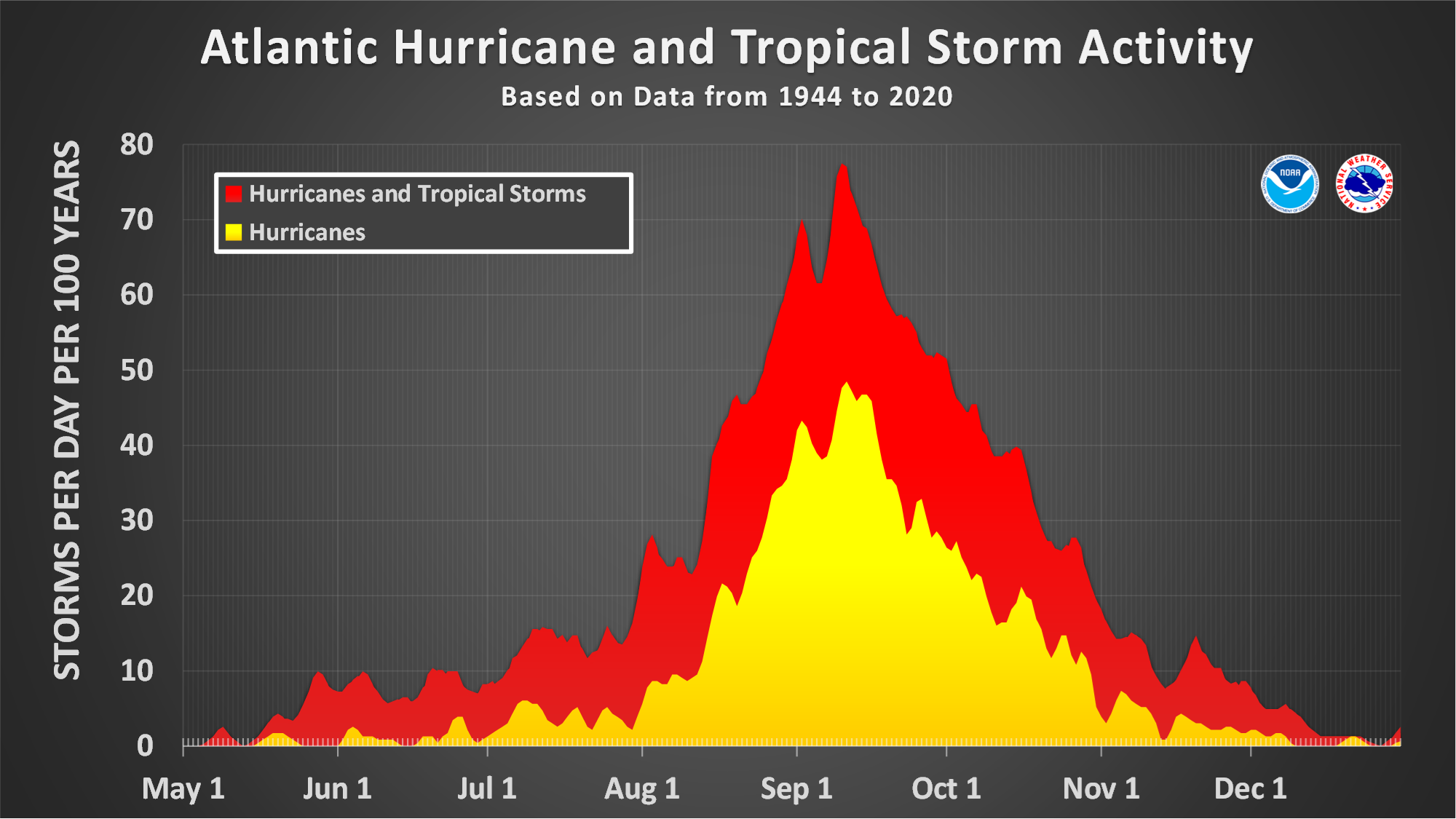
For Florida, like much of the Atlantic basin, the official hurricane season runs annually from June 1st to November 30th. This eight-month span is when meteorological conditions are most conducive to the development and sustenance of hurricanes. The peak of the season typically falls between mid-August and late October, when ocean temperatures are warmest and atmospheric conditions are most favorable for storm formation.
The National Hurricane Center (NHC), a division of the National Oceanic and Atmospheric Administration (NOAA), meticulously tracks and forecasts these systems. While the official dates provide a framework, it’s important to understand that tropical activity can, and occasionally does, occur outside of these boundaries. However, the vast majority of significant hurricane threats to Florida materialize within this designated period.
Why These Dates?
The timing of hurricane season is driven by a confluence of climatic factors:
- Ocean Temperatures: Warm sea surface temperatures are the primary fuel for hurricanes. As the summer progresses and into the fall, the Atlantic Ocean absorbs significant solar radiation, leading to higher temperatures that can support the intensification of tropical disturbances into powerful storms.
- Atmospheric Conditions: Favorable atmospheric patterns, such as the presence of easterly waves moving off the coast of Africa, the Madden-Julian Oscillation, and reduced wind shear, contribute to the organization and strengthening of tropical systems.
- Moisture Availability: Ample moisture in the atmosphere is essential for cloud and thunderstorm development, a key component of tropical cyclones.
The period from June 1st to November 30th encompasses the optimal conditions for these factors to align, making it the designated hurricane season.
What to Expect During Hurricane Season
Knowing the dates is only the first step; understanding what this period entails for travel and life in Florida is equally important. While not every year sees significant hurricane activity impacting the state, the possibility is ever-present, and preparedness is key.
The Spectrum of Tropical Activity
Tropical activity during the hurricane season can range from weak tropical storms that bring only moderate rainfall and gusty winds to major hurricanes that can cause widespread destruction. The intensity of storms is categorized using the Saffir-Simpson Hurricane Wind Scale, with Category 1 being the least intense and Category 5 being the most destructive.
Florida’s extensive coastline along the Atlantic Ocean and the Gulf of Mexico makes it particularly vulnerable to tropical cyclones. Cities like Tampa, Fort Lauderdale, and Jacksonville have experienced direct hits from powerful storms, underscoring the need for vigilance.
The Peak Months: August, September, and October
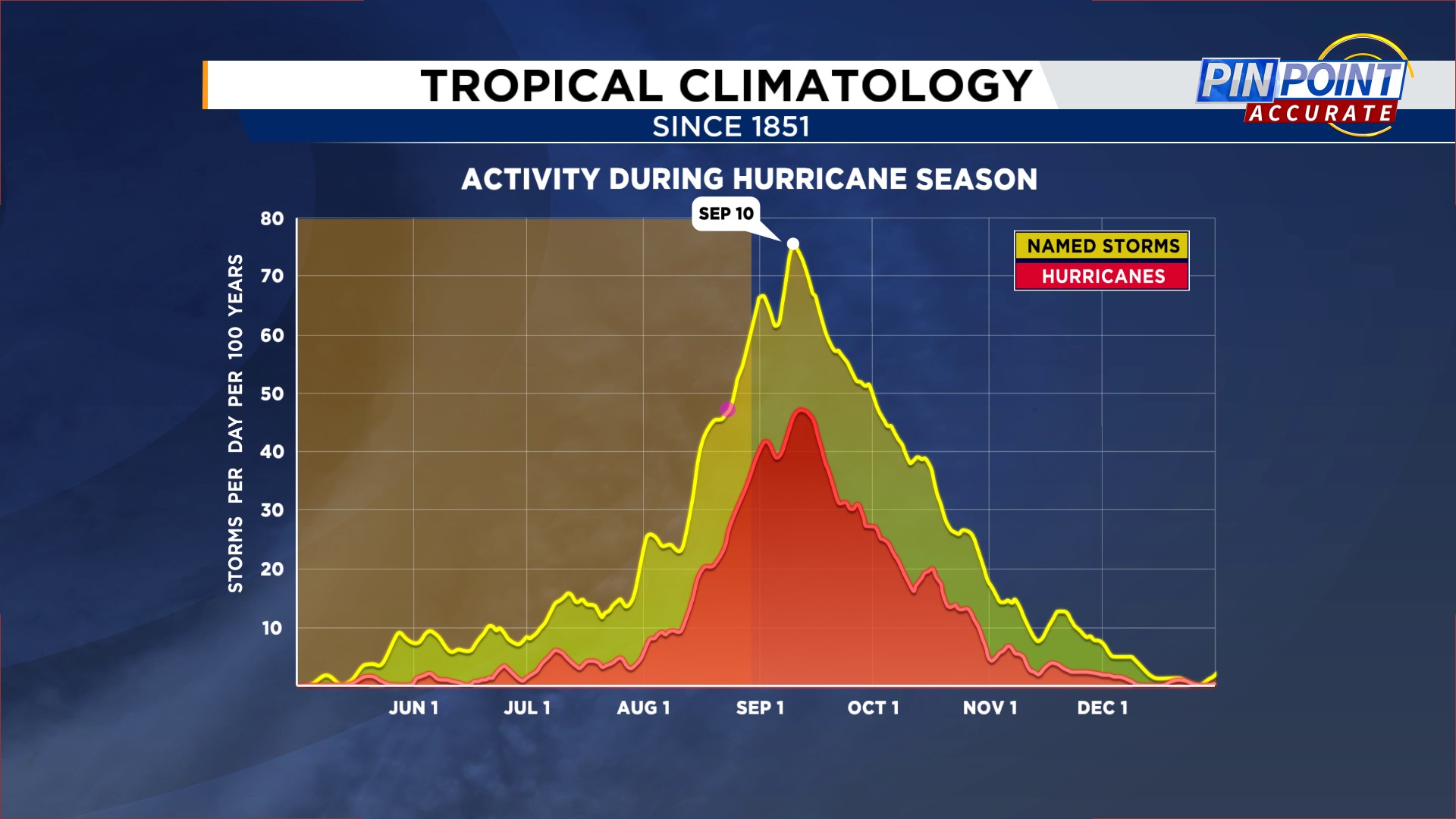
While the season begins on June 1st, the most active period for hurricanes threatening Florida generally occurs between August and October. During these months, ocean temperatures are at their warmest, and the atmospheric steering patterns are often conducive to storms moving into the Gulf of Mexico or along the Atlantic coast. September is statistically the most active month for hurricanes in the Atlantic basin.
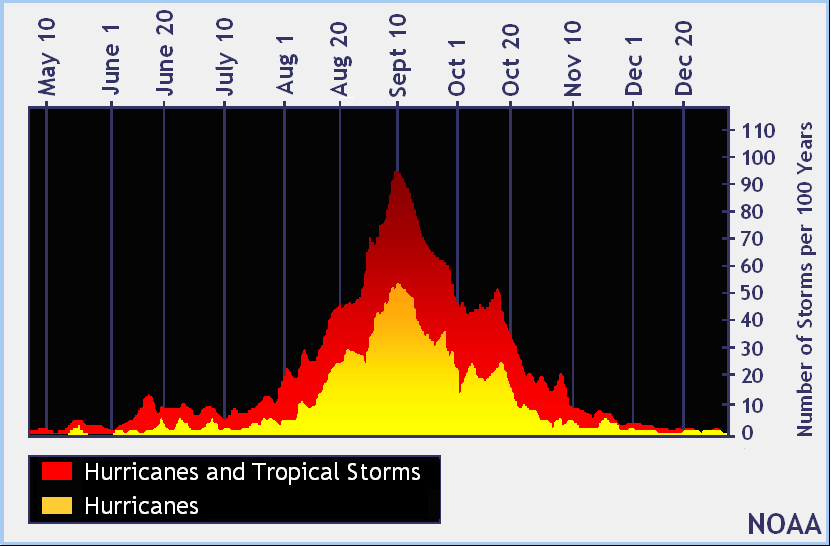
This means that travel plans made during the latter half of the season, particularly in August, September, and October, warrant extra attention to weather forecasts and potential travel advisories.
Preparing for Potential Impacts
For travelers, understanding hurricane season means incorporating preparedness into travel planning. This doesn’t necessarily mean avoiding Florida altogether, but rather making informed decisions and taking proactive steps.
Travel Planning and Flexibility
When booking a trip during hurricane season, especially between August and October, consider the following:
- Travel Insurance: Investing in comprehensive travel insurance is highly recommended. Look for policies that cover trip cancellations or interruptions due to weather events, including hurricanes. This can protect your financial investment if your travel plans are disrupted.
- Flexible Bookings: Whenever possible, opt for accommodations and flights with flexible booking or cancellation policies. Many hotels and airlines understand the risks associated with hurricane season and offer more lenient terms during this period. This allows you to adjust your plans if a storm is projected to impact your destination.
- Monitor Weather Forecasts: Stay informed about weather forecasts from reliable sources like the National Hurricane Center. Pay attention to tropical storm watches and warnings issued for your intended travel area.
On-the-Ground Preparedness
If you are already in Florida when a storm is developing, or if you are traveling during a period of heightened activity, it’s essential to be prepared:
- Stay Informed: Continue to monitor local news and weather updates. Your hotel or accommodation provider will also be a valuable source of information and guidance.
- Follow Evacuation Orders: If an evacuation order is issued for your area, heed it immediately. Your safety is paramount.
- Emergency Kit: While not always necessary for short-term travelers, having a basic emergency kit with water, non-perishable food, a flashlight, and any necessary medications is always a good practice in areas prone to severe weather.
Beyond the Official Dates: Early and Late Season Possibilities
While the June 1st to November 30th window defines the official season, it’s important to acknowledge that tropical storms can sometimes form before June 1st or after November 30th. These occurrences are less common but do happen, and awareness can contribute to a more comprehensive understanding of hurricane preparedness.
Pre-Season Activity
Occasionally, a tropical or subtropical storm can develop in the Atlantic or Gulf of Mexico in the weeks leading up to June 1st. These early-season storms, while less frequent, serve as a reminder that the threat can emerge before the official start. For instance, a storm might form in late May, catching some by surprise if they are only focusing on the official start date. This underscores the importance of general awareness of weather patterns throughout the spring.
Post-Season Anomalies
Similarly, while rare, tropical activity can sometimes linger into early December. These late-season storms are often weaker or less organized, but they can still pose a threat. The cessation of hurricane season on November 30th signifies the statistical likelihood of storm formation decreasing significantly, but it doesn’t guarantee complete safety from tropical weather systems.
Why Flexibility is Key for Long-Term Stays
For those considering a long-term stay in Florida, perhaps in an apartment or for extended tourism, understanding the nuances of hurricane season becomes even more critical. Months spent in the state during the latter half of the year will inevitably overlap with the peak months. This necessitates a proactive approach to preparedness that extends beyond typical vacation planning.
- Know Your Evacuation Zone: Familiarize yourself with the local evacuation zones and routes for your specific area.
- Secure Your Property: If you are in a long-term rental, understand your responsibilities for securing windows and doors in preparation for potential storms.
- Community Resources: Be aware of local community resources and emergency shelters.
Ultimately, Florida’s hurricane season, spanning from June 1st to November 30th, is an integral part of the state’s climate. By understanding its duration, peak periods, and the potential for activity outside these dates, travelers and residents alike can plan more effectively, travel with greater peace of mind, and stay safe amidst the dynamic weather of the Sunshine State. Whether you are planning a visit to enjoy the theme parks in Orlando, relax on the beaches of the Florida Keys, or explore the vibrant culture of Miami, being informed about hurricane season is a vital component of a successful and safe experience.
LifeOutOfTheBox is a participant in the Amazon Services LLC Associates Program, an affiliate advertising program designed to provide a means for sites to earn advertising fees by advertising and linking to Amazon.com. Amazon, the Amazon logo, AmazonSupply, and the AmazonSupply logo are trademarks of Amazon.com, Inc. or its affiliates. As an Amazon Associate we earn affiliate commissions from qualifying purchases.