
For anyone dreaming of a sun-soaked escape to the Sunshine State, understanding the rhythm of Florida’s weather is key to a seamless and enjoyable trip. While Florida boasts incredible attractions, pristine beaches, and vibrant culture year-round, it also experiences an annual hurricane season. Knowing the duration and characteristics of this period is not about deterring travel, but empowering visitors with the knowledge to plan intelligently, ensure safety, and still have an unforgettable experience. From securing flexible accommodation in Miami to exploring the inland wonders of Orlando, a well-informed traveler is a happy traveler.
Understanding Florida’s Hurricane Season
The official hurricane season in the Atlantic Basin, which directly impacts Florida, runs for six months, an important window for travelers and residents alike to be aware of. This period marks the heightened potential for tropical storms and hurricanes to form and affect coastal and even inland regions.
Official Dates and Peak Months
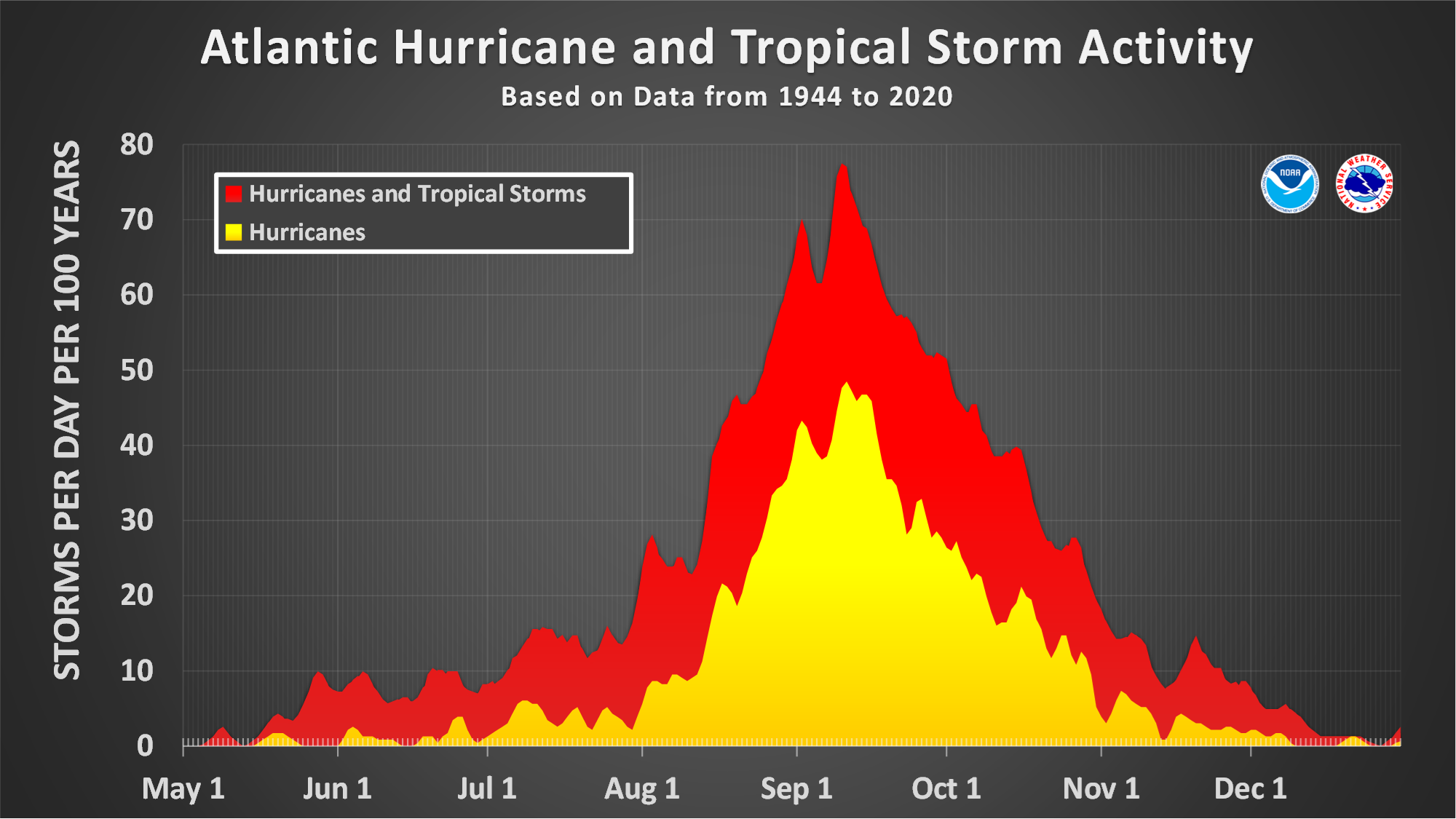
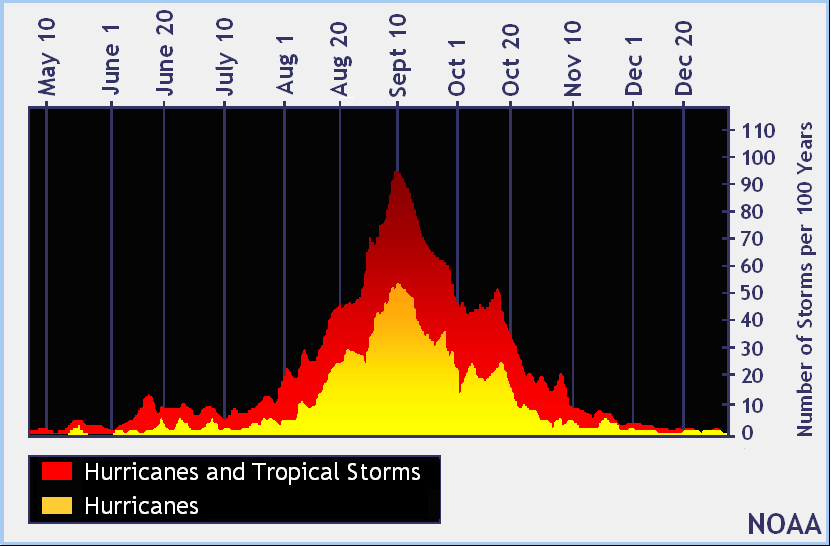
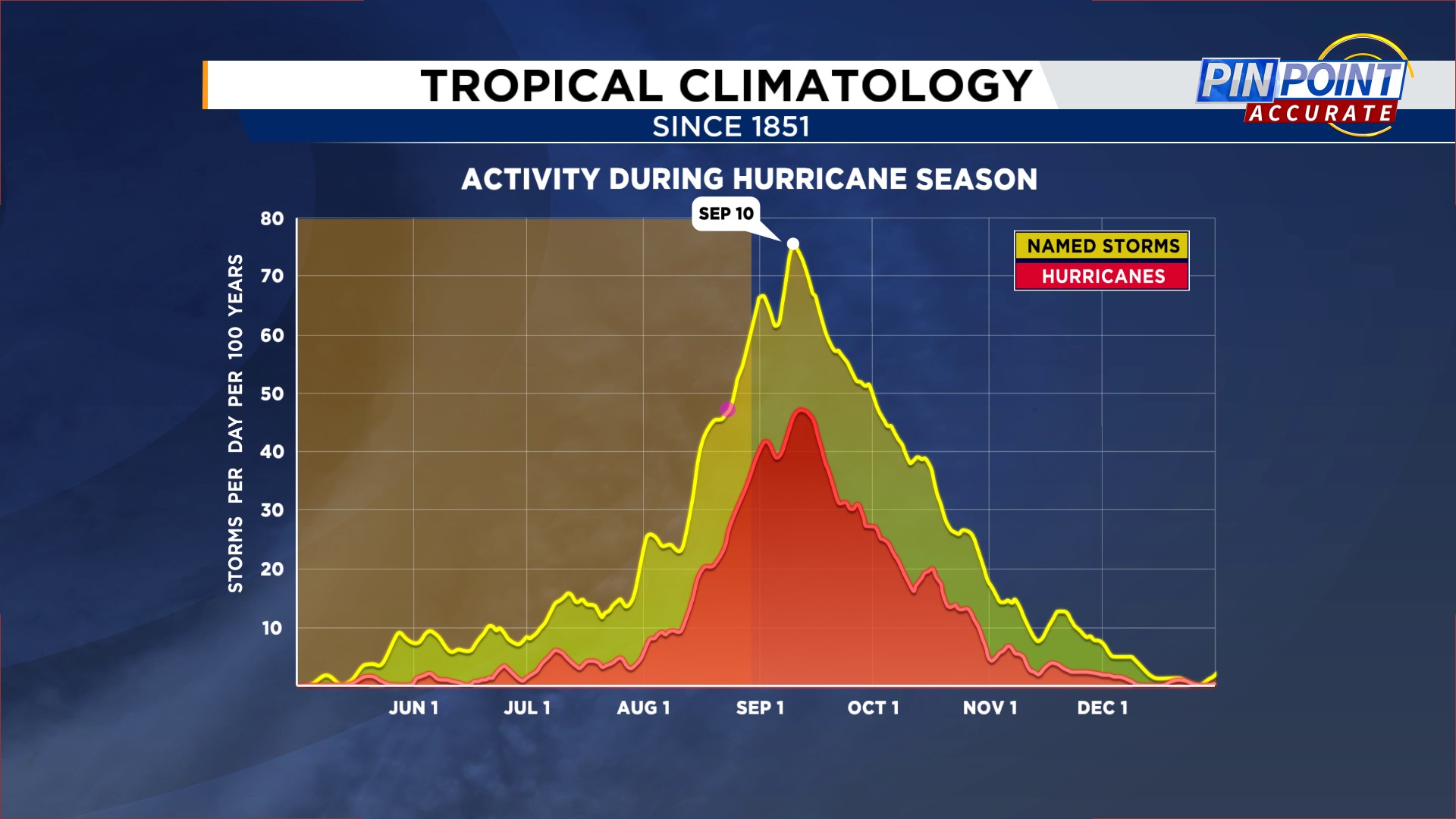
The Atlantic hurricane season officially begins on June 1st and concludes on November 30th each year. While storms can technically form outside these dates, this six-month window encompasses over 97% of all tropical cyclone activity in the region.
Within this broader season, there are distinct peak months when activity typically intensifies. The period from mid-August through late October is historically the most active, with September often standing out as the busiest month for tropical storm and hurricane formation. This peak correlates with optimal ocean temperatures and atmospheric conditions conducive to cyclone development in the Atlantic Ocean and the Gulf of Mexico. While early season storms (June-July) and late season storms (November) can occur, they are generally less frequent and often less intense than those occurring during the peak. This understanding is vital for tourists planning their visits, as it allows for strategic booking and preparation.
The Science Behind Hurricanes
Hurricanes, also known as tropical cyclones, are powerful rotating storm systems characterized by a low-pressure center, strong winds, and heavy rainfall. They form over warm ocean waters, typically with surface temperatures of at least 80°F (26.5°C), which provides the necessary heat and moisture for their development. As warm, moist air over the ocean rises, it creates an area of lower pressure below. Air from surrounding areas with higher pressure then rushes in to fill this void, and this new air also becomes warm and moist and rises. This continuous cycle of rising and cooling air forms clouds and thunderstorms. The Earth’s rotation (the Coriolis effect) causes these winds to spiral inward, creating the characteristic circular pattern.
As the storm system intensifies, it is classified based on its sustained wind speeds:
- Tropical Depression: Winds up to 38 mph (62 km/h).
- Tropical Storm: Winds 39-73 mph (63-118 km/h), at which point it is given a name.
- Hurricane: Winds 74 mph (119 km/h) or higher, categorized from 1 to 5 on the Saffir-Simpson Hurricane Wind Scale.
Category 5 hurricanes, with sustained winds exceeding 157 mph (252 km/h), are the most destructive. Understanding these classifications helps travelers gauge the potential impact and heed warnings seriously.
Historical Context and Impact on Florida
Florida’s geographical position, surrounded by the Atlantic Ocean to the east and the Gulf of Mexico to the west, makes it particularly susceptible to tropical cyclones. The state has a long and vivid history with these powerful storms, which have shaped its development and resilience. Iconic hurricanes such as Hurricane Andrew (1992), Hurricane Charley (2004), Hurricane Irma (2017), and Hurricane Ian (2022) serve as powerful reminders of the potential for devastation. These events have not only caused significant physical damage but have also led to advancements in building codes, evacuation procedures, and emergency preparedness.
While the memory of past hurricanes can be daunting, it’s important to remember that direct hits from major hurricanes are relatively rare in any given year for a specific location. Florida has robust infrastructure and well-practiced emergency response systems in place. For travelers, this history underscores the importance of staying informed and having a contingency plan, especially when visiting coastal regions like the Florida Keys, Miami, or Tampa during the peak season. The state’s experience means that hotels, local governments, and tourism boards are often very well-prepared to guide visitors through any potential weather events.
Planning Your Florida Trip During Hurricane Season
Traveling to Florida during hurricane season doesn’t mean canceling your trip altogether; rather, it means applying a little extra foresight and preparation. Many visitors choose this time of year due to various advantages, but smart planning is paramount.
Pros and Cons of Off-Peak Travel
Traveling during hurricane season, particularly outside the absolute peak, can offer several attractive benefits. The most significant is often lower prices on flights, hotels, and even some attractions. Demand tends to decrease, leading to better deals on luxury resorts in South Florida or family-friendly suites near Walt Disney World Resort in Orlando. Additionally, you’ll likely encounter fewer crowds at popular destinations, meaning shorter lines at theme parks, easier access to restaurants, and more serene beach experiences. The weather, outside of storm activity, can still be wonderfully warm, often with vibrant afternoon thunderstorms that clear quickly, leaving behind crisp air.
However, the primary “con” is, of course, the risk of disruption from tropical weather. A significant storm could lead to flight cancellations, road closures, attraction shutdowns, or even mandatory evacuations, potentially cutting your trip short or altering your plans drastically. This uncertainty requires a flexible mindset and proactive planning. While a direct hit from a major hurricane is rare, even a distant tropical storm can bring several days of heavy rain, strong winds, and rough seas, impacting outdoor activities. Weighing these pros and cons will help you decide if this travel window aligns with your comfort level and vacation priorities.
Essential Travel Insurance Considerations
If you decide to travel to Florida during hurricane season, comprehensive travel insurance is not just recommended; it’s almost essential. Standard travel insurance policies vary widely, so it’s crucial to understand what is covered, especially concerning weather-related disruptions.
Look for policies that specifically include:
- Trip Cancellation/Interruption due to weather: This covers non-refundable expenses if your trip is canceled or cut short due to a named storm impacting your destination or preventing you from reaching it. Be aware of “named storm” clauses – generally, a storm must be named before you purchase the policy for coverage to apply.
- Travel Delay: Reimburses expenses for meals and accommodation if your travel is delayed by a specified number of hours due to weather.
- Evacuation Coverage: This can cover costs if you need to evacuate your accommodation due to an official order.
- Medical Coverage: While not directly hurricane-related, it’s always wise to have, especially if you get injured during a weather event or related activities.
Always read the fine print, compare different providers, and consider “cancel for any reason” (CFAR) policies if you want maximum flexibility, though these are typically more expensive. Purchasing insurance well in advance of the hurricane season, or at least before any storm is named or becomes a credible threat, is key.
Flexible Booking Strategies
When booking flights and accommodation during hurricane season, prioritize flexibility.
- Flights: Choose airlines that offer flexible change policies or consider booking with points/miles, which often have more lenient cancellation or alteration rules. Keep an eye on airline waiver policies as a storm approaches; many airlines offer free changes or cancellations if your travel is affected by a named storm.
- Hotels and Resorts: Opt for accommodations that offer free cancellation up to the day of arrival. Many reputable hotels and resorts in destinations like Key West or Fort Lauderdale will have specific hurricane policies, often allowing guests to rebook or receive refunds if a mandatory evacuation order is issued or if the property is directly impacted. Confirm these policies directly with the hotel or booking platform.
- Attractions and Tours: Pre-purchasing tickets for attractions like Universal Orlando Resort or Kennedy Space Center can sometimes save money, but ensure they have clear refund or rescheduling options in case of weather-related closures. Many theme parks, for instance, have their own “hurricane guarantee” policies.
Packing Essentials for Unexpected Weather
Packing smart can make a significant difference in comfort and safety during hurricane season. Beyond your usual vacation attire, consider these additions:
- Rain Gear: A lightweight, waterproof jacket or poncho, and water-resistant shoes are invaluable for sudden downpours, even outside of a major storm.
- Emergency Kit Basics: While hotels are equipped, having your own small kit can be reassuring. Include a portable power bank for charging devices, a flashlight, any essential medications, a first-aid kit, and copies of important documents (IDs, insurance policies, booking confirmations).
- Important Documents: Keep all critical identification, travel insurance details, and booking information in a waterproof bag or accessible digital format.
- Comfort Items: Books, games, or downloaded movies/shows can be lifesavers if you experience power outages or are confined to your hotel room due to severe weather.
- Cash: ATMs might be unavailable during power outages.
Staying Safe and Informed in Florida
Preparation is your best defense. Florida has an advanced system for monitoring and responding to hurricanes, and travelers can benefit immensely by understanding how to tap into these resources.
Monitoring Weather Updates
Staying informed is perhaps the most crucial aspect of safe travel during hurricane season. Reliable and official sources are your best friends:
- National Hurricane Center (NHC): The NHC is the primary source for hurricane forecasts and advisories in the Atlantic Basin. Their website (nhc.noaa.gov) provides real-time updates, cone forecasts, and detailed discussions about active systems.
- Local Weather Channels and News: Florida local news stations are experts in tracking storms and providing hyper-local impacts. Download local news apps for the area you are visiting (e.g., Miami, Tampa, Jacksonville) to receive push notifications.
- NOAA Weather Radio: A battery-powered NOAA Weather Radio can provide critical alerts even if internet and cell services are disrupted.
- Florida Division of Emergency Management: The official state emergency management website often provides aggregated information and resources relevant to all residents and visitors.
- Hotel Communications: Your accommodation will likely have protocols for informing guests about developing weather situations and any necessary actions. Pay close attention to their guidance.
Evacuation Plans and Routes
Understanding potential evacuation plans is not about panic, but about preparedness. If a hurricane threatens your specific location, local authorities may issue voluntary or mandatory evacuation orders.
- Know Your Zone: Coastal and low-lying areas in Florida are divided into evacuation zones. Before your trip, learn if your hotel or destination is in an evacuation zone. This information is readily available on county emergency management websites (e.g., Miami-Dade County Emergency Management, Orange County Emergency Management).
- Evacuation Routes: Major highways are often designated as evacuation routes. Familiarize yourself with these, especially if you are driving your own vehicle. Do not wait for a mandatory order to begin evacuation if you feel unsafe or have the means to leave earlier.
- Follow Official Guidance: Always comply with instructions from local law enforcement and emergency officials. They have the most accurate information and are focused on public safety. Hotels will also guide guests through these processes.
Hotel and Accommodation Preparedness
Reputable hotels, resorts, and vacation rentals in Florida are generally well-prepared for hurricane season, especially those in vulnerable coastal areas.
- Safety Protocols: Many properties have detailed hurricane preparedness plans, including securing outdoor furniture, boarding up windows, and ensuring emergency power supplies for essential services.
- Guest Communication: Expect clear communication from hotel staff regarding weather updates, on-site safety procedures, and any potential changes to services or amenities.
- Shelter-in-Place: If an evacuation isn’t ordered, but a storm is expected, hotels will typically advise guests to shelter in place. They will have emergency supplies and often a designated safe area within the building.
- Amenities: Be aware that amenities like pools, outdoor dining, and beach access may be temporarily closed for safety reasons before, during, and immediately after a storm. Staff will do their best to assist guests and restore services as quickly as possible.
- Cancellation Policies: As mentioned, confirm the specific hurricane cancellation policy with your accommodation provider. Many offer refunds or rebooking options if a major storm impacts the area.
Local Resources and Emergency Contacts
Beyond official weather channels, local resources can be invaluable:
- Tourist Information Centers: These centers can provide localized advice, maps of shelters, and updates specific to tourist areas.
- County Emergency Management Websites: These are rich sources of information, including shelter locations, special needs registries, and up-to-date local advisories.
- Florida’s 511 Traveler Information System: This service provides real-time traffic and road condition updates, which are crucial during evacuations. Dial 511 or visit FL511.com.
- Non-Emergency Hotlines: Save local non-emergency police or sheriff department numbers in your phone, as 911 should only be used for true emergencies.
- Consulate Information (for international travelers): International visitors should also register their travel plans with their respective country’s embassy or consulate and have their emergency contact information readily available.
Exploring Florida: Destinations and Activities During the Season
Despite the hurricane season, Florida remains a captivating destination. With strategic planning, you can still enjoy its diverse offerings, sometimes even with the added benefit of smaller crowds.
Best Regions to Visit (and those to approach with caution)
When considering travel during hurricane season, some regions of Florida present relatively lower risks or offer more readily available alternatives than others.
- Inland Regions: Cities like Orlando, home to major theme parks like Walt Disney World Resort, Universal Orlando Resort, and SeaWorld Orlando, are generally considered safer due to their distance from the coast. While they can still experience heavy rains and tropical storm-force winds, the threat of storm surge (the most destructive aspect of hurricanes) is significantly reduced. This makes Central Florida a popular choice for families and those seeking less weather-dependent itineraries.
- North Florida: Regions like Jacksonville and Gainesville tend to see fewer hurricane landfalls than South Florida or the Florida Panhandle, though they are certainly not immune.
- Regions to Approach with Caution: The Florida Keys and other low-lying coastal areas, including Miami, Fort Lauderdale, Naples, and Sarasota, are more vulnerable to storm surge and often subject to earlier evacuation orders. While beautiful, visiting these areas during the peak of hurricane season requires heightened awareness and strict adherence to official advisories. The Panhandle cities like Pensacola and Panama City, situated on the Gulf of Mexico, are also highly susceptible to hurricane activity originating in the Gulf.
Indoor Attractions and Alternative Activities
Should weather turn inclement, Florida offers a wealth of indoor activities to keep visitors entertained.
- Theme Parks: As mentioned, Orlando’s theme parks have numerous indoor shows, rides, and dining options. Many also have extensive covered areas. Busch Gardens Tampa Bay in Tampa also offers a mix of indoor and outdoor experiences.
- Museums and Galleries: Explore world-class art at the Salvador Dalí Museum in St. Petersburg or the Pérez Art Museum Miami. The Kennedy Space Center Visitor Complex near Cape Canaveral offers fascinating indoor exhibits about space exploration.
- Aquariums and Zoos: The Florida Aquarium in Tampa and SeaWorld Orlando offer engaging indoor exhibits with marine life.
- Shopping and Entertainment Complexes: Major malls like Sawgrass Mills in Sunrise or Aventura Mall in Aventura provide extensive shopping, dining, and entertainment options under one roof. Disney Springs and Universal CityWalk also offer ample covered retail and restaurant spaces.
- Indoor Sports and Recreation: Consider indoor go-karting, bowling, or trampolining parks, which are increasingly popular across the state.
Enjoying Florida’s Natural Beauty Responsibly
Florida’s natural landscapes are a major draw, but during hurricane season, exercising caution is vital.
- Beaches: Even without a direct storm, tropical disturbances can generate strong rip currents and rough surf. Always check local beach conditions and flag warnings. Red flags mean dangerous conditions, and swimming should be avoided.
- State and National Parks: Places like Everglades National Park or various state parks offer incredible opportunities for wildlife viewing, kayaking, and hiking. However, trails can become waterlogged and impassable during heavy rains. Check park websites for closures and conditions before visiting. Avoid waterways if thunderstorms are approaching.
- Boating and Water Sports: Exercise extreme caution. Sudden weather changes are common, and even distant storms can make ocean or gulf waters hazardous. Always check marine forecasts and consider postponing activities if conditions are anything less than ideal. Ensure you have proper safety equipment.
- Wildlife: During and after heavy rainfall, wildlife, including alligators and snakes, may be displaced from their usual habitats and appear in unexpected areas. Maintain a respectful distance and never feed wildlife.
Post-Hurricane Travel: What to Expect
In the aftermath of a hurricane, Florida communities demonstrate remarkable resilience. For travelers, understanding the recovery process is important for planning future visits and appreciating the efforts to rebuild. While immediate post-storm travel is often discouraged to allow emergency services to work unimpeded and avoid strain on resources, tourism plays a vital role in economic recovery. Many destinations work diligently to reopen attractions and accommodate visitors as soon as it’s safe to do so. Supporting local businesses through tourism helps communities get back on their feet. It’s always best to check with official tourism boards and local authorities for accurate information on a specific area’s status before traveling to a recently impacted region. Florida will always bounce back, continuing to offer its unique charm and experiences to those who visit.
By understanding the duration of hurricane season, preparing with robust travel insurance and flexible bookings, and staying informed through official channels, you can navigate Florida’s weather patterns confidently. This proactive approach ensures that your journey to the Sunshine State remains filled with positive memories, regardless of the season.
LifeOutOfTheBox is a participant in the Amazon Services LLC Associates Program, an affiliate advertising program designed to provide a means for sites to earn advertising fees by advertising and linking to Amazon.com. Amazon, the Amazon logo, AmazonSupply, and the AmazonSupply logo are trademarks of Amazon.com, Inc. or its affiliates. As an Amazon Associate we earn affiliate commissions from qualifying purchases.