
Jury duty is a cornerstone of the justice system, a civic responsibility that ensures a fair trial by a jury of one’s peers. For residents of California, receiving a jury summons can bring about a host of questions, chief among them being: “How long is jury duty on the first day?” This is a perfectly natural inquiry, as understanding the time commitment is crucial for planning work, personal appointments, and even travel arrangements. While the duration can vary, a clear understanding of the process will alleviate much of the uncertainty.
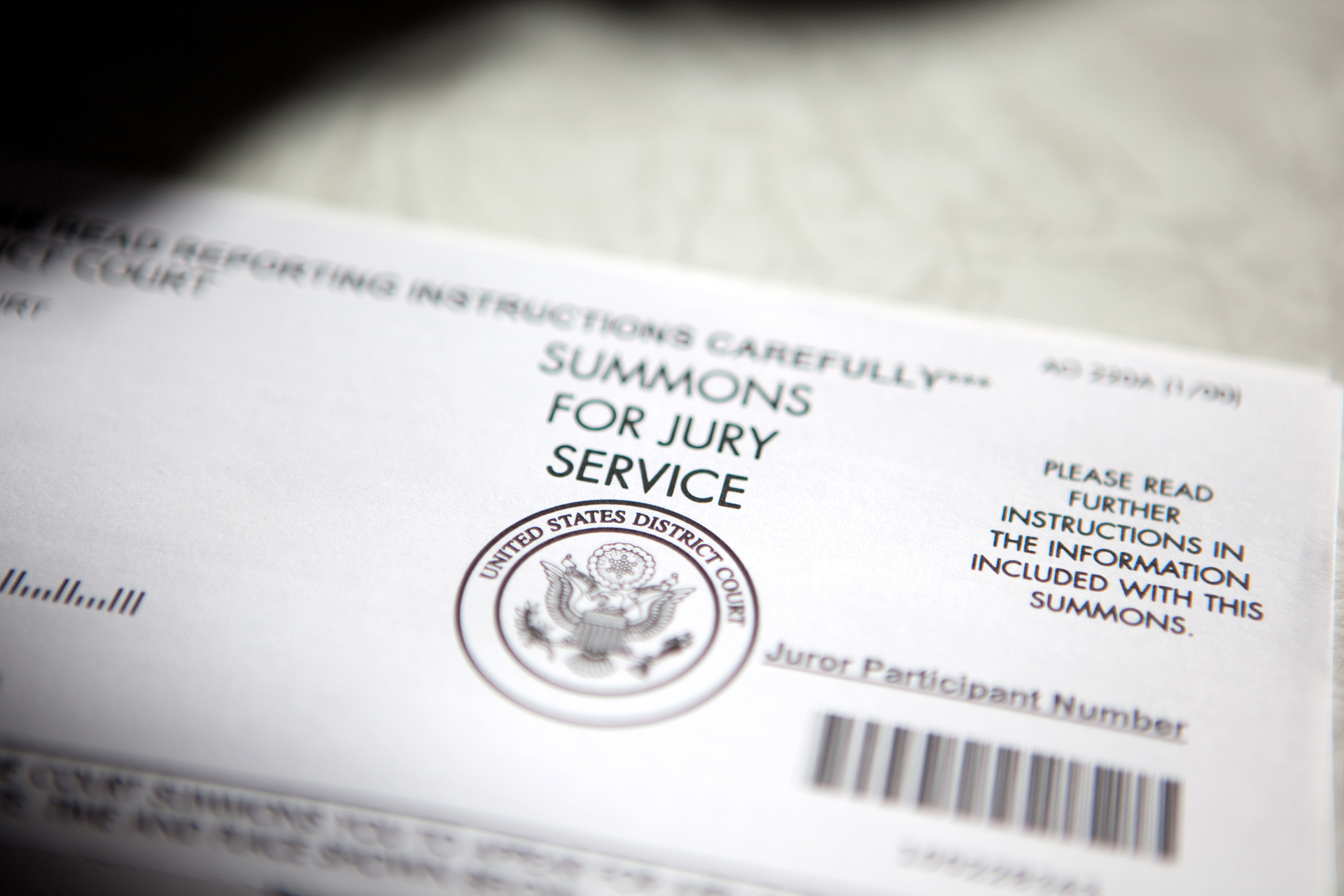
The initial day of jury service in California is often characterized by orientation and administrative procedures. It’s rarely a full eight-hour workday spent in a courtroom, especially for those who are not selected for a specific trial. The primary goal of the first day is to familiarize potential jurors with their roles, responsibilities, and the workings of the court.
Understanding the First Day of Jury Duty
The first day of jury duty in California typically involves a series of steps designed to process a large number of summoned citizens efficiently. This process begins the moment you arrive at the courthouse.
Arrival and Check-In
Upon arriving at the courthouse, you’ll be directed to the jury assembly room. This is a central hub where all potential jurors gather. The check-in process is usually straightforward. You’ll likely need to present your jury summons and potentially a form of identification. Jurors are often issued a badge or identification number. This initial administrative step is vital for tracking attendance and ensuring everyone is accounted for. The atmosphere in the jury assembly room can range from quiet and studious to a low hum of conversation, depending on the number of people present and the court’s procedures. Many courthouses provide amenities like seating, restrooms, and sometimes vending machines. If you’re considering this as part of a larger trip, understanding this initial phase is key. For instance, if you’re staying at a hotel like the Hyatt Regency Sacramento and planning to attend a trial, knowing the early morning start is important for your accommodation and morning routine.
Orientation and Information Session
Once checked in, you will attend an orientation session. This is typically conducted by a court staff member or a judge. The orientation covers essential information regarding jury service:
- The Role of a Juror: This segment will explain the fundamental principles of jury duty, including the importance of impartiality, the burden of proof, and the juror’s oath.
- Courtroom Procedures: You’ll learn about the general flow of a trial, from jury selection to the presentation of evidence, closing arguments, and deliberation.
- Juror Conduct and Ethics: This includes rules about not discussing the case with anyone outside the jury, not conducting independent research about the case, and maintaining confidentiality.
- Legal Terminology: Basic legal terms may be explained to help you understand court proceedings more clearly.
- Juror Rights and Responsibilities: This covers topics like compensation, disqualifications, and how to request an excuse or postponement if absolutely necessary.
This session is usually presented in a lecture format and can last anywhere from 30 minutes to a couple of hours, depending on the court. It’s a crucial part of the process, designed to equip you with the knowledge needed to serve effectively.
Waiting and Potential Dismissal
After the orientation, you will likely be waiting in the jury assembly room until you are called for potential jury selection. This is where the “how long” question becomes more variable.
- Waiting Period: If you are not immediately called for a specific trial, you might spend a significant portion of the day waiting. The court will call names or numbers as potential jurors are needed in courtrooms. This waiting period can be a few hours. It’s during this time that many people reflect on how this civic duty fits into their broader lifestyle choices, such as planning family trips or business stays.
- Dismissal for the Day: The good news is that for many people, especially in busier counties like those in the greater Los Angeles area or San Diego, your jury service might conclude on the first day without you being selected for a trial. If you are not called to a courtroom for selection by the end of the day, you are typically excused from service for a specified period (often one year), and your duty is fulfilled. This is a common outcome for the majority of summoned jurors.
Factors Influencing the First Day’s Duration
Several factors can influence how long you will actually spend at the courthouse on your first day of jury duty in California. Understanding these can help you manage your expectations and plan accordingly.
Courtload and Case Volume

The primary driver of how long you’ll be at the courthouse is the volume of cases being heard and the need for jurors.
- High Case Volume: In courthouses with a high volume of trials, such as those in populous areas like Orange County or Alameda County, there will be a greater demand for jurors. This means you are more likely to be called for jury selection. The selection process itself can take several hours, as potential jurors are questioned by attorneys. If you are not selected, you will be released for the day. If you are selected, your day will extend considerably as the trial begins.
- Low Case Volume: Conversely, if a particular courthouse has a low number of trials scheduled, fewer jurors will be needed. In such instances, the orientation might conclude, and many potential jurors may be dismissed relatively early in the afternoon, having fulfilled their obligation for the day without being selected. This can be a pleasant surprise if you were anticipating a full day, allowing for spontaneous local culture exploration or an early return to your resort or hotel.
Type of Court and Trial
The type of court you report to can also affect the duration.
- Civil vs. Criminal Courts: Criminal cases often take precedence and may require more jurors, potentially leading to longer waiting periods and selection processes. However, the duration of a civil trial might also be lengthy, impacting the time you spend if selected.
- Complexity of Cases: The complexity of the cases being tried can also influence the length of jury selection. More complex cases might involve more in-depth questioning of potential jurors, extending the process.
Personal Selection for a Trial
If you are selected to serve on a trial, your first day will undoubtedly be longer.
- Jury Selection (Voir Dire): This is the process where attorneys question potential jurors to determine their suitability for a specific case. This can take anywhere from a few hours to an entire day, or even longer for highly complex or high-profile cases.
- Trial Commencement: If you are successfully selected as a juror, the trial will typically begin on the same day, immediately following the selection process. This means you could be in court for the entire day, and your jury duty will extend for the duration of the trial, which could be days, weeks, or even months. For those on a short business stay or a quick vacation to a landmark like the Golden Gate Bridge, this could require significant adjustments to their plans.
Preparing for Your First Day of Jury Duty
Being prepared can make your jury duty experience much smoother and less stressful, regardless of how long you end up serving on the first day.
What to Bring and Wear
- Documentation: Always bring your jury summons and a valid photo ID. Some courts may require you to fill out questionnaires.
- Reading Material or Work: If you anticipate waiting, bring a book, magazine, or a laptop (if allowed and charged) for productive downtime. Ensure any work you bring is discreet and doesn’t disrupt others.
- Snacks and Water: While some courthouses have vending machines, it’s wise to bring your own non-perishable snacks and a bottle of water. Food and drinks are generally not allowed in courtrooms, but they are permitted in the jury assembly room.
- Appropriate Attire: Dress respectfully. Business casual is generally recommended. Avoid shorts, t-shirts with graphics, flip-flops, or overly revealing clothing. You are expected to present yourself in a manner befitting the solemnity of the court. This is especially important if you plan to visit a significant destination like Yosemite National Park before or after your service.
- Medications: If you need to take medication, bring it with you.
Understanding Your Compensation
California law mandates compensation for jurors.
- First Day: Jurors are typically paid a nominal amount for the first day of service, regardless of whether they are selected for a trial or not. This is often around $15 per day, but it’s advisable to check your specific county’s jury information for exact figures.
- Subsequent Days: If you are selected for a trial, your compensation increases significantly after the first day, usually to a rate closer to minimum wage or higher, depending on the length of service. This compensation is designed to help offset lost income for those who are employed.
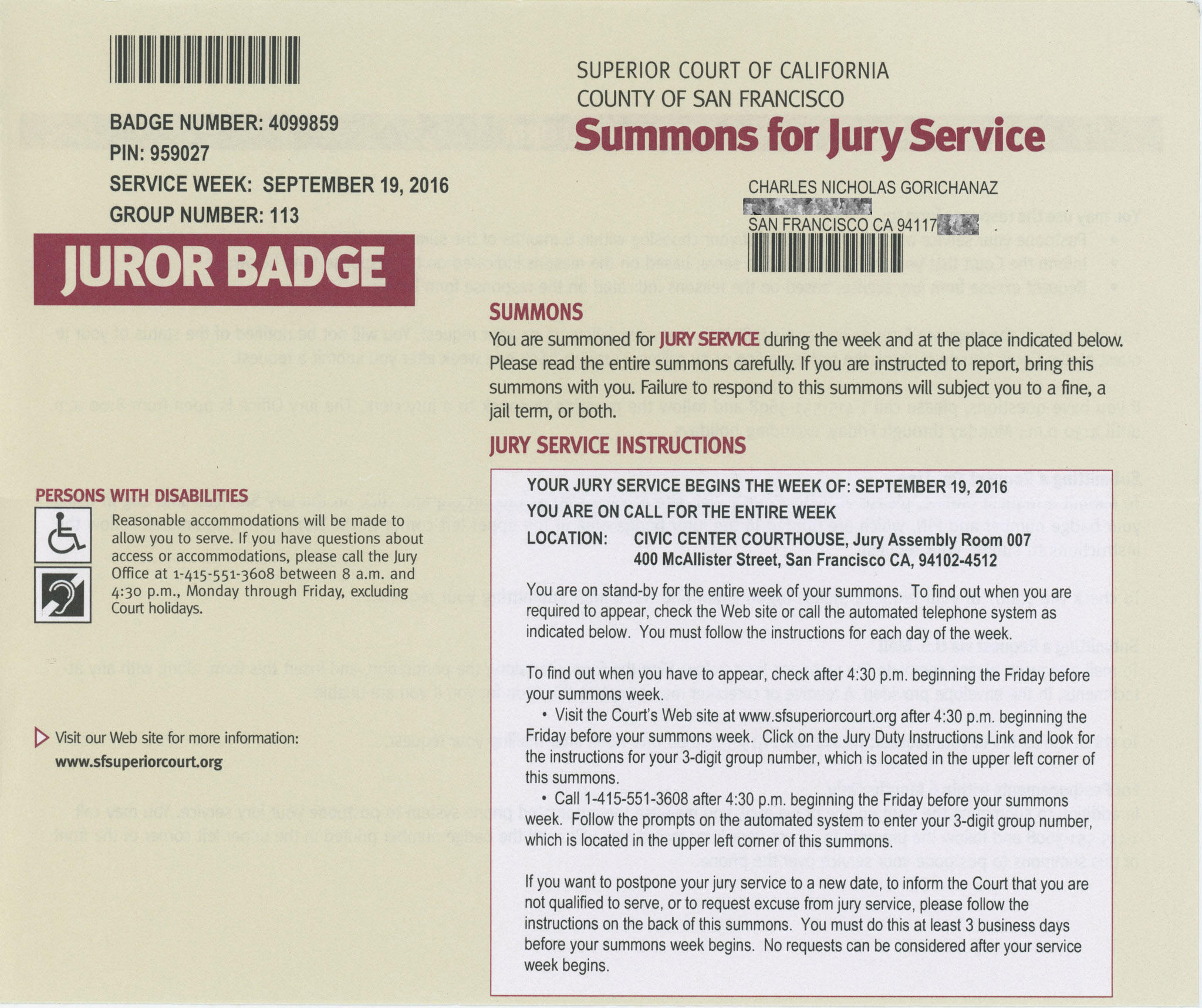
Communication and Planning
- Notify Your Employer: It is your responsibility to notify your employer of your jury duty summons. California law prohibits employers from penalizing employees for serving on jury duty.
- Arrange Childcare/Pet Care: If you have dependents, make arrangements for their care during your expected time of service.
- Travel Plans: If your jury duty conflicts with pre-planned travel or accommodation at a hotel like the Beverly Wilshire, A Four Seasons Hotel, contact the court clerk’s office well in advance to inquire about postponement options. While attractions and experiences in places like San Francisco might be tempting, fulfilling your civic duty takes precedence.
In conclusion, the duration of jury duty on the first day in California is highly variable. It often involves an orientation and waiting period. For many, the day concludes after the orientation and a waiting period, especially if they are not selected for a trial. If selected, the day will extend considerably. Being prepared, understanding the court’s processes, and communicating effectively are key to navigating this important civic responsibility.
LifeOutOfTheBox is a participant in the Amazon Services LLC Associates Program, an affiliate advertising program designed to provide a means for sites to earn advertising fees by advertising and linking to Amazon.com. Amazon, the Amazon logo, AmazonSupply, and the AmazonSupply logo are trademarks of Amazon.com, Inc. or its affiliates. As an Amazon Associate we earn affiliate commissions from qualifying purchases.