
Navigating the landscape of parental leave, particularly maternity leave, can feel like charting unknown territory. For expectant parents in Florida, understanding the duration and availability of time off to welcome a new child is a crucial aspect of planning. While the Sunshine State offers avenues for support, it’s essential to distinguish between federal mandates, state-specific provisions, and employer policies. This guide aims to demystify maternity leave in Florida, offering clarity for those planning their family journey, whether it’s a new adventure in the vibrant city of Miami or a serene escape to the beaches of Siesta Key.
The core of maternity leave in Florida revolves around federal legislation that provides a framework, supplemented by employer-specific benefits. For many, the term “maternity leave” conjures images of extended periods of paid rest and bonding. However, the reality in Florida, as in much of the United States, is more nuanced. The primary federal law governing job protection during significant life events, including childbirth, is the Family and Medical Leave Act (FMLA). Understanding the FMLA is the first step in grasping how long maternity leave can be, and under what conditions.
Understanding Your Rights: The Family and Medical Leave Act (FMLA)
The Family and Medical Leave Act (FMLA), a landmark piece of federal legislation, is the cornerstone of job-protected leave for new parents in the United States. It’s important to clarify that FMLA doesn’t mandate paid leave; rather, it ensures that eligible employees can take unpaid, job-protected leave for specific family and medical reasons, including the birth or adoption of a child.
Eligibility for FMLA Leave
To qualify for FMLA leave, certain criteria must be met by both the employee and the employer.
Employee Eligibility
- Tenure: You must have worked for your employer for at least 12 months. These 12 months do not need to be consecutive.
- Hours of Service: You must have worked at least 1,250 hours during the 12 months immediately preceding the start of your leave.
- Employer Size: Your employer must have at least 50 employees within a 75-mile radius of your worksite.
Employer Eligibility
- Private-sector employers with 50 or more employees in each of 20 or more workweeks in the current or preceding calendar year.
- Public agencies, including state, local, and federal employers.
- Public or private elementary or secondary schools.
If you and your employer meet these requirements, you are entitled to up to 12 workweeks of unpaid leave in a 12-month period for a qualifying reason, such as the birth of a child. This leave can be taken all at once or, in some circumstances, intermittently or on a reduced schedule. For new mothers, this leave typically begins around the time of childbirth, allowing for physical recovery and bonding with the newborn. The duration, up to 12 weeks, provides a significant period for new parents to adjust to their growing family, whether they reside in bustling Orlando or the tranquil Panhandle.
How FMLA Applies to Maternity Leave
For the birth of a child, FMLA leave can be taken by either parent. This means a mother can use her 12 weeks for recovery and bonding, and a father can take his leave to support his partner and bond with the baby. The leave must be taken for a “serious health condition” related to the birth or for bonding with the newborn. This period is crucial for establishing routines, recovering physically, and nurturing the parent-child relationship, experiences that are just as vital for families exploring the theme parks of Orlando as they are for those enjoying a quiet retreat in the Florida Keys.
It’s important to note that FMLA leave runs concurrently with any paid leave provided by your employer, such as paid vacation time, sick leave, or disability benefits. This means that if your employer offers, for instance, six weeks of paid short-term disability leave, those six weeks would count towards your 12 weeks of FMLA leave.
Beyond FMLA: Employer-Provided Benefits and State Initiatives
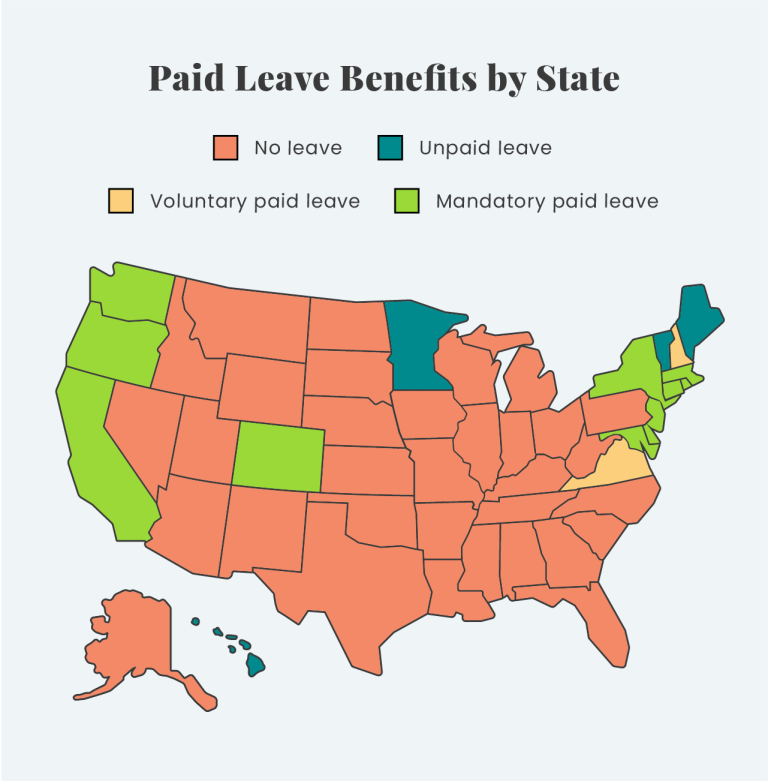
While FMLA provides a foundational level of protection, it doesn’t cover all employees or guarantee paid leave. Many employers in Florida, especially larger corporations and those in industries that prioritize employee retention, offer more generous maternity leave policies. Furthermore, while Florida does not have a state-specific paid family leave program like some other states, understanding the nuances of employer benefits and potential supplementary programs is key.
Employer-Sponsored Maternity Leave Policies
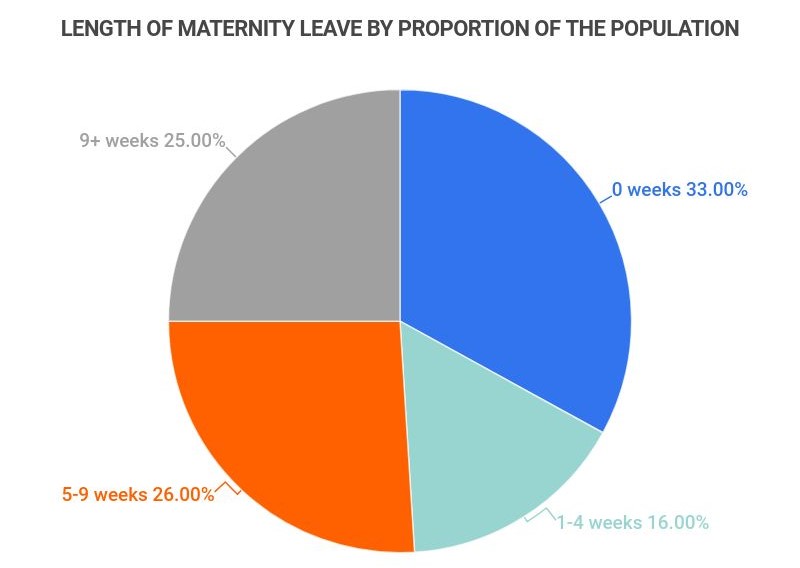
The actual duration and compensation for maternity leave can vary significantly from one employer to another. Many companies recognize the importance of allowing new parents adequate time to bond with their children and recover from childbirth. These policies can include:
- Paid Parental Leave: Some employers offer a set number of weeks or months of paid leave for mothers (and often fathers or adoptive parents) following the birth or adoption of a child. This can range from a few weeks to several months, with varying levels of pay replacement.
- Short-Term Disability (STD) Benefits: For childbirth, short-term disability insurance is often a primary source of income replacement for new mothers. These policies typically cover a percentage of an employee’s salary for a specified period, usually six to eight weeks, coinciding with the period of physical recovery after childbirth. This can be a crucial financial buffer for families planning trips to St. Augustine or enjoying the cultural attractions of Tampa.
- Accrued Paid Time Off (PTO): Employees can often use their accrued vacation days, sick days, or personal days to extend their paid leave.
- Unpaid Leave Beyond FMLA: Some employers may offer additional unpaid leave beyond the 12 weeks provided by FMLA, allowing parents more time for bonding, though job protection for this extended period might not be guaranteed.
It is crucial for expectant parents to consult their employer’s HR department or review their employee handbook to understand the specific maternity leave policies offered. These policies are often a deciding factor for employees when choosing between job opportunities, much like comparing the amenities at a luxury resort in Palm Beach versus a charming boutique hotel in Key West.
The Absence of a State-Paid Family Leave Program in Florida
Unlike a growing number of states such as California, New York, or Massachusetts, Florida does not currently have a state-mandated paid family leave insurance program. This means that the financial support for maternity leave primarily comes from employer-provided benefits, personal savings, or short-term disability insurance. The lack of a statewide paid leave program places more emphasis on individual employer policies and federal protections. This is a significant consideration for families, influencing decisions about when to return to work and how to manage finances during this critical period, whether they are based in the agricultural heartland of Gainesville or the coastal communities of Sarasota.
This absence also means that if an employee is not covered by FMLA (e.g., works for a small employer) and their employer does not offer paid leave, they may not have any job-protected or paid time off for maternity leave. This highlights the importance of understanding one’s rights and exploring all available options well in advance of the due date.
Planning Your Leave: Practical Considerations for Florida Families
The decision of how long to take maternity leave is deeply personal and influenced by a myriad of factors, including financial considerations, job demands, and the availability of childcare. For families in Florida, meticulous planning is key to ensuring a smooth transition into parenthood.
Financial Planning and Income Replacement
One of the most significant aspects of maternity leave is its financial impact. Since FMLA provides only unpaid leave, understanding how income will be replaced is paramount.
- Short-Term Disability (STD): As mentioned, STD is a common way for new mothers to receive a portion of their income during the initial weeks of recovery.
- Employer-Paid Leave: Any paid leave offered by your employer will directly supplement your income.
- Accrued Leave: Utilizing vacation and sick days can help extend paid time off.
- Personal Savings: Many families build up savings to cover expenses during unpaid leave periods.
- Spousal Income: The income of the other parent plays a crucial role in financial stability.
- Government Assistance: While not directly tied to maternity leave duration, programs like the Special Supplemental Nutrition Program for Women, Infants, and Children (WIC) can help offset costs associated with a new baby.
Thoroughly calculating your expected expenses and anticipated income during your leave will help you determine a realistic duration, whether your destination is the vibrant arts scene in St. Petersburg or the natural beauty of the Everglades.

Childcare Arrangements and Return to Work
The return-to-work date is often dictated by the duration of paid leave, the availability of affordable and reliable childcare, and personal preferences for bonding time.
- Childcare Research: Investigating childcare options, including nannies, daycare centers, or family care, should begin early. The cost and availability of quality childcare can significantly influence when a parent feels comfortable returning to work.
- Flexibility and Remote Work: Some employers may offer flexible work arrangements, such as reduced hours, compressed workweeks, or the option to work remotely, which can ease the transition back to the workplace.
- Career Considerations: For some, extended leave might raise concerns about career progression. Balancing the desire for more time with the family against professional goals is a significant consideration.
Ultimately, the length of maternity leave in Florida is a mosaic of federal law, employer generosity, and individual circumstances. While the FMLA guarantees job protection for up to 12 weeks of unpaid leave for eligible employees, the actual paid time off and the overall duration of leave are largely determined by company policies and personal financial planning. For expectant parents in the Sunshine State, proactive research, open communication with employers, and careful financial preparation are the most effective tools for navigating this joyous yet complex period of life. Whether planning a family adventure to Amelia Island or settling into a new routine in their hometown, understanding these provisions empowers parents to make the best decisions for their growing families.
LifeOutOfTheBox is a participant in the Amazon Services LLC Associates Program, an affiliate advertising program designed to provide a means for sites to earn advertising fees by advertising and linking to Amazon.com. Amazon, the Amazon logo, AmazonSupply, and the AmazonSupply logo are trademarks of Amazon.com, Inc. or its affiliates. As an Amazon Associate we earn affiliate commissions from qualifying purchases.