
The Boston Marathon is an iconic event in the world of long-distance running, revered for its rich history, challenging course, and the vibrant atmosphere it brings to the city of Boston, Massachusetts. When contemplating this prestigious race, one of the most fundamental questions often asked, particularly by aspiring participants or curious spectators, is: “How long is the Boston Marathon?” The straightforward answer is 26.2 miles, or precisely 42.195 kilometers. However, this simple measurement belies a far deeper narrative, encompassing a journey through historic towns, formidable inclines, and an unparalleled display of human endurance and spirit. For travelers, runners, and enthusiasts alike, understanding the length is just the beginning of appreciating the full spectrum of experiences that this legendary event offers.
Beyond the exact mileage, the Boston Marathon represents a comprehensive travel experience, demanding careful consideration of accommodation, local tourism, and an immersive lifestyle engagement. From the quaint starting line in Hopkinton to the jubilant finish on Boylston Street, every mile tells a story and offers opportunities for discovery, whether you’re a participant pushing your limits or a visitor soaking in the unique energy of Marathon Monday. This article delves into the details of the course length, exploring its significance, and weaving in essential insights for those planning to witness or be a part of this unforgettable New England tradition.
The Iconic Distance: More Than Just Miles
The standard marathon distance of 26.2 miles is steeped in history, originating from the legend of Pheidippides, who ran from Marathon to Athens to deliver news of victory. The specific 26.2-mile length, however, was officially set at the 1908 London Olympics, where the race started at Windsor Castle and finished in front of the Royal Box at the Olympic Stadium, covering 26 miles and 385 yards. This distance was later standardized globally, and the Boston Marathon proudly adheres to this challenging measure.
The Standard Marathon Length Explained
Every certified marathon course around the globe must adhere to the 26.2-mile (42.195 km) standard, meticulously measured by accredited officials to ensure fairness and comparability of results. This precise measurement is crucial for official record-keeping and for runners aiming to achieve qualifying times for prestigious events like Boston. The length represents a formidable physical and mental challenge, pushing participants to their absolute limits, demanding months, if not years, of dedicated training. For many, completing a marathon is a significant life achievement, a testament to discipline, resilience, and the human spirit’s capacity for endurance. The distance itself has become a benchmark for athletic excellence and personal triumph, drawing millions of participants and spectators worldwide to races like Boston.
Why Boston’s Course is Unique
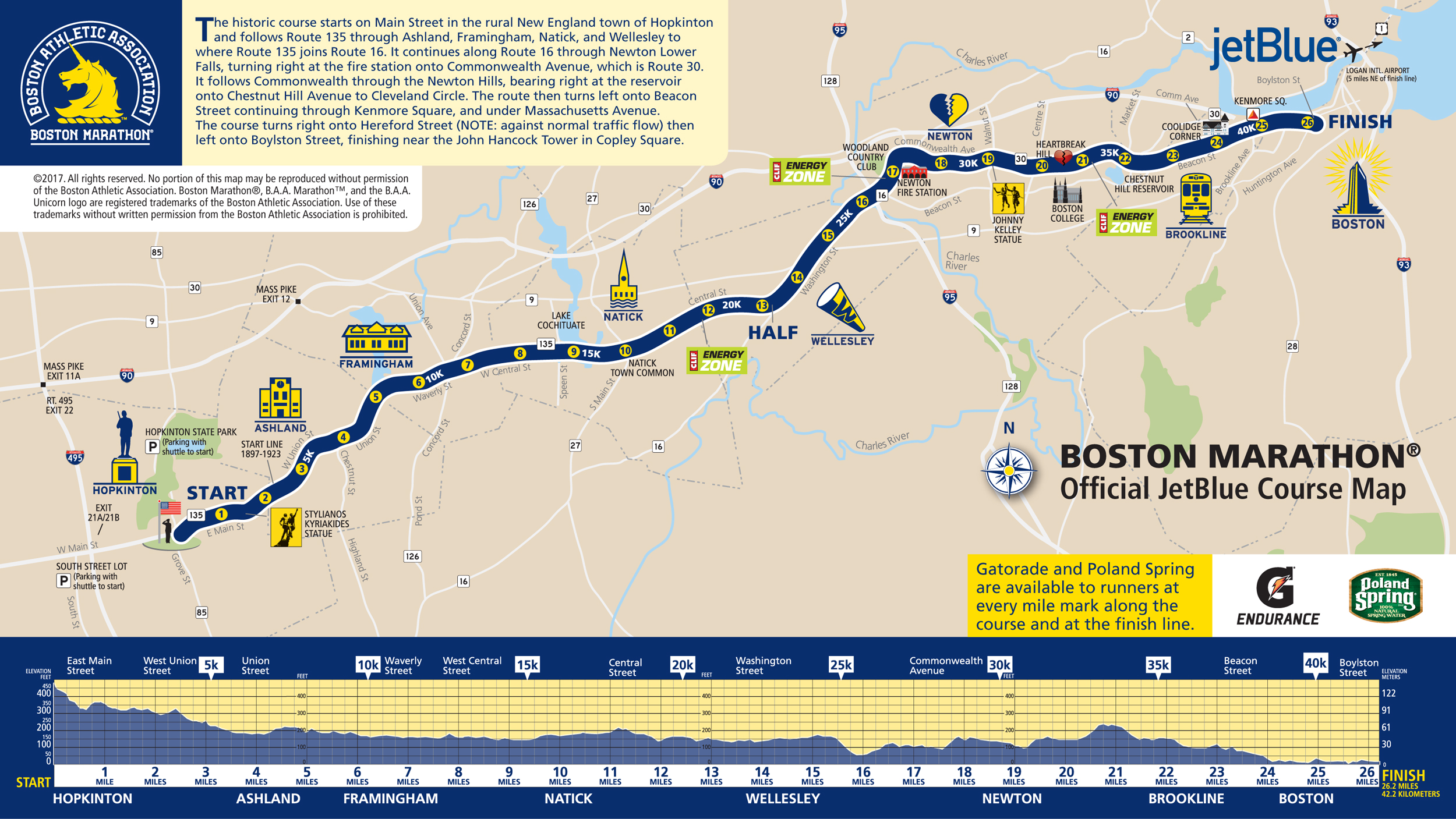
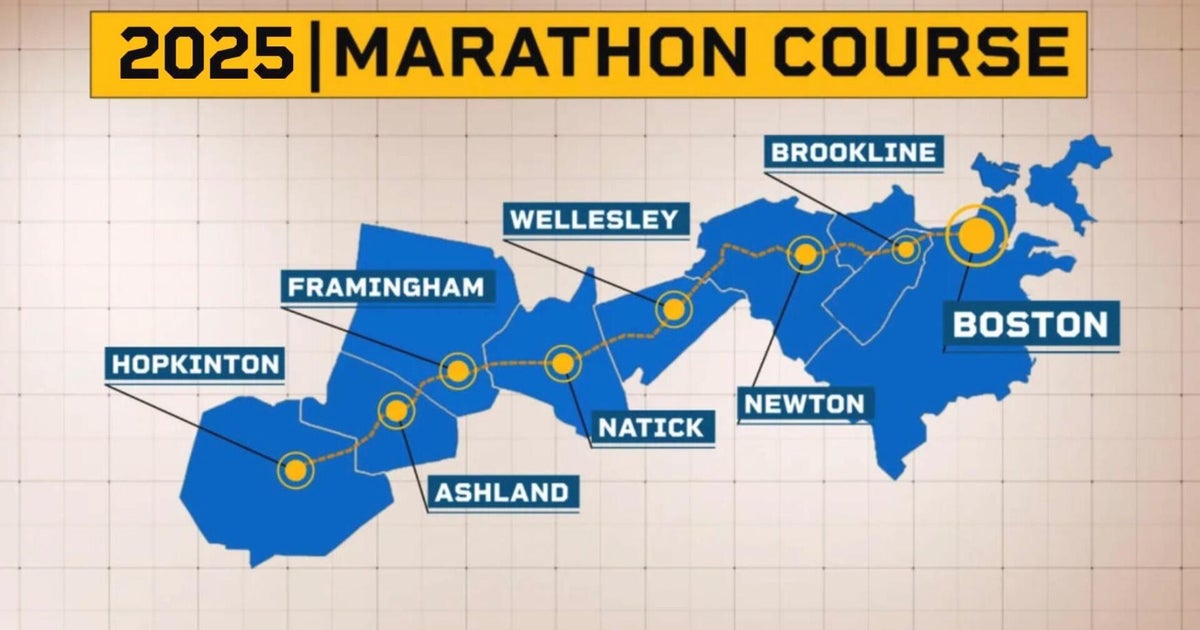
While the distance is standard, the Boston Marathon course is anything but ordinary. It is renowned for being a point-to-point race, starting in the serene suburb of Hopkinton and winding its way eastward through eight distinct Massachusetts cities and towns: Hopkinton, Ashland, Framingham, Natick, Wellesley, Newton, Brookline, and finally, Boston itself.
The course features a net downhill elevation, which might sound easy, but this advantage is often negated by the notorious “Heartbreak Hill” and the relentless series of ascents in Newton between miles 16 and 21. These hills, particularly Heartbreak Hill, challenge even the most seasoned runners, demanding strategic pacing and mental fortitude. Furthermore, the race is traditionally held on Patriots’ Day, the third Monday in April, meaning runners often face unpredictable New England weather conditions—from cold rain and strong headwinds to unseasonably warm temperatures. These factors combine to make the Boston Marathon not just a test of physical endurance over 26.2 miles, but also a strategic battle against topography and climate, solidifying its reputation as one of the world’s most challenging and prestigious marathons.

Planning Your Boston Marathon Experience: Travel & Accommodation
Participating in or spectating the Boston Marathon requires meticulous planning, especially concerning travel and accommodation. As a premier global event, Boston during marathon week transforms into a bustling hub, and securing suitable lodging and navigating the city effectively are key to a stress-free and enjoyable experience. Whether you’re a runner focused on optimal rest or a tourist eager to explore, strategic arrangements are paramount.
Securing Your Stay: Hotels and Accommodation Near the Course
Finding the right accommodation is crucial for both runners and spectators. Due to the marathon’s popularity, hotels in and around Boston book up months in advance, often at elevated prices. It is highly recommended to book your stay as soon as your participation is confirmed or your travel dates are set.
For runners, proximity to the start or finish line can significantly impact race-day logistics and comfort. Hotels in the Back Bay area, particularly around Copley Square and Boylston Street, offer unparalleled access to the finish line, post-race activities, and the official Marathon Expo. Premium options like the Fairmont Copley Plaza, Mandarin Oriental Boston, and The Lenox Hotel provide luxurious amenities and convenient access. Mid-range choices such as the Omni Parker House, Revere Hotel Boston Common, or the Courtyard by Marriott Boston Downtown offer comfortable stays with good access to public transportation and downtown attractions. For those seeking more space or a longer stay, apartment rentals or suites through platforms specializing in furnished apartments can be an excellent option, particularly for families or groups.
Spectators might consider hotels in neighboring towns like Cambridge or along the MBTA (Massachusetts Bay Transportation Authority) subway lines, which offer slightly more budget-friendly rates and easy access to viewing spots along the course. Resorts further out could provide a quieter retreat, though they would necessitate longer travel times into the city. Regardless of your choice, verify the cancellation policies and check for amenities beneficial for runners, such as early breakfast options or late check-out availability. Many hotels in Boston cater specifically to marathon participants during race weekend, offering specialized services to enhance the runner’s experience.
Navigating Boston: Transportation and Travel Tips
Getting to and around Boston during marathon weekend can be challenging due to increased crowds and road closures. Most visitors fly into Logan International Airport (BOS), which is conveniently located a short drive or public transit ride from downtown. Once in the city, the MBTA, affectionately known as “the T,” is your best friend. Its subway, bus, and commuter rail network provides efficient access to all parts of the city and its surrounding suburbs. Marathon weekend typically sees expanded service on the MBTA, especially for lines serving the race course.
For runners, dedicated buses transport participants from Boston Common to the start line in Hopkinton on race morning. It’s essential to familiarize yourself with these arrangements well in advance. For spectators, utilizing the T is crucial for navigating to various viewing points. Key viewing areas like Wellesley (mile 13) or Heartbreak Hill in Newton (mile 20) are accessible via commuter rail or subway, though some walking may be required. Driving is generally discouraged in downtown Boston during the marathon due to extensive road closures and limited parking. Planning your travel itinerary, including specific transit routes and timings, is critical for making the most of your time in Boston and ensuring you don’t miss any of the action.
Embracing Boston’s Charm: Tourism, Landmarks, and Local Culture
The Boston Marathon is not just a race; it’s a gateway to experiencing the vibrant history and culture of one of America’s oldest cities. For visitors, the event provides a unique lens through which to explore Boston’s iconic landmarks and immerse oneself in its distinctive New England charm. From historic sites steeped in revolutionary lore to contemporary culinary delights, the city offers a rich tapestry of experiences beyond the race itself.
A Runner’s Journey Through History: Landmarks Along the Route
The 26.2-mile course of the Boston Marathon is a living museum, guiding runners and spectators past a remarkable array of landmarks that tell the story of Massachusetts and the United States. Starting in Hopkinton, the marathon journeys through towns with deep colonial roots, but it’s in the later stages, particularly as it enters Boston proper, that the historical significance truly shines.
As runners navigate Brookline and approach the city, they are greeted by signs of Boston’s academic and cultural prowess, passing near institutions like Boston University and the architectural marvels lining Commonwealth Avenue. Further along, the course runs alongside the beautiful Charles River, offering scenic views that contrast with the urban grit. The final miles are a triumphal procession through the heart of Boston’s Back Bay neighborhood. Runners pass the iconic Prudential Center and the historic John Hancock Tower (now known as 200 Clarendon Street). The final stretch down Boylston Street is lined with enthusiastic crowds and culminates at the finish line near the Boston Public Library and Copley Square, both significant landmarks in their own right. Spectators positioned along these final miles can not only cheer on the runners but also appreciate the stunning architecture and vibrant city life that surrounds them.
Beyond the Race: Experiencing Boston’s Rich Culture
Visiting Boston for the marathon extends far beyond the 26.2 miles. The city offers a plethora of cultural, historical, and culinary experiences that can enrich any travel itinerary. For history buffs, a walk along the Freedom Trail is a must, connecting 16 significant sites, including Faneuil Hall Marketplace, the Old State House, and the resting place of Paul Revere. You can explore the charming cobblestone streets of Beacon Hill or enjoy the tranquility of the Boston Common and Public Garden.
Art enthusiasts will find solace in institutions like the Museum of Fine Arts or the unique Isabella Stewart Gardner Museum. For sports fans, catching a game at Fenway Park, home of the Boston Red Sox, is an quintessential Boston experience, often coinciding with marathon week.
Culinary exploration is another highlight. Indulge in classic New England clam chowder, fresh lobster rolls, or iconic Boston cream pie. The historic North End offers an authentic Italian experience with myriad trattorias and pastry shops. Newbury Street in Back Bay provides a sophisticated shopping and dining experience. The city’s vibrant food scene caters to all tastes, making it a delightful part of the marathon visit. Engaging with Boston’s local culture provides a deeper appreciation for the city and enhances the overall marathon experience, transforming a race trip into a rich cultural journey.
The Boston Marathon Lifestyle: For Runners and Spectators Alike
The Boston Marathon is more than just an annual athletic competition; it’s a lifestyle event that permeates the fabric of the city and impacts individuals long before and after race day. For runners, it embodies years of dedication, discipline, and commitment to a challenging sport. For spectators, it’s a celebration of community, resilience, and human achievement. This event shapes travel choices, accommodation preferences, and overall lifestyle considerations for anyone who engages with it.
Training and Preparation: A Lifestyle Commitment
For thousands of runners, the 26.2 miles of the Boston Marathon are the culmination of a profound lifestyle commitment. Qualifying for Boston demands strict training regimens, often spanning months or even years, focusing on physical conditioning, nutrition, and mental fortitude. This commitment extends to careful planning of diet, sleep, and managing recovery, becoming an integral part of daily life. Runners often travel for training camps or participate in smaller races as part of their preparation, making travel a regular component of their marathon lifestyle.
The marathon journey isn’t just about the race itself, but the transformative process leading up to it. Runners meticulously plan their travel to Boston with their race day in mind—choosing accommodation that supports pre-race nutrition (e.g., apartments with kitchens), ensures quiet rest, and provides easy access to the expo and bus pickup. Many seek out local running groups or specialized tour packages that combine race entry with accommodation and guided city tours, further integrating their lifestyle around the event. This dedication highlights how deeply ingrained the marathon becomes in a runner’s personal lifestyle, transforming ordinary travel into purpose-driven expeditions.
Making the Most of Marathon Weekend: Luxury to Budget Experiences
The marathon weekend in Boston offers a spectrum of experiences, catering to various lifestyles and budgets. For those seeking a luxurious travel experience, premium hotels in Back Bay offer concierge services, spa treatments for post-race recovery, and fine dining options. High-end resorts or boutique hotels can provide an opulent base for exploring the city’s upscale shops on Newbury Street and enjoying gourmet meals. Exclusive hospitality packages, often including VIP viewing areas and private events, cater to a sophisticated clientele looking for an elevated experience.
Conversely, budget-conscious travelers can still immerse themselves fully in the marathon atmosphere. Hostels, economical hotels slightly outside the city center, or shared apartments offer affordable accommodation options. Public transportation makes navigating Boston inexpensive, and many of the best spectator spots, like those in Wellesley or Newton, are accessible without premium tickets. Enjoying local street food, exploring free landmarks like the Freedom Trail, and soaking in the electric atmosphere of the finish line area are all excellent ways to experience the marathon on a budget. Family trips can be designed to include visits to museums, parks, and historical sites alongside cheering on the runners. Even business travelers might extend their stay to catch the race, blending their professional commitments with the excitement of one of America’s great sporting traditions, demonstrating the marathon’s universal appeal and adaptability to diverse lifestyles.
In conclusion, while the Boston Marathon’s length is a precise 26.2 miles, its true measure is found in the enduring human spirit, the captivating history of Boston, and the vibrant experiences it offers to everyone who participates or visits. It truly is a journey far beyond the miles.
LifeOutOfTheBox is a participant in the Amazon Services LLC Associates Program, an affiliate advertising program designed to provide a means for sites to earn advertising fees by advertising and linking to Amazon.com. Amazon, the Amazon logo, AmazonSupply, and the AmazonSupply logo are trademarks of Amazon.com, Inc. or its affiliates. As an Amazon Associate we earn affiliate commissions from qualifying purchases.