
Embarking on a journey from the bustling metropolis of Atlanta to the idyllic shores of Hawaii is a dream for many. This transcontinental adventure, spanning thousands of miles across the United States, involves a significant time commitment, primarily dictated by the flight duration. Understanding these flight times is crucial for planning your itinerary, managing expectations, and ensuring a smooth transition from the mainland to the Pacific paradise. This guide delves into the intricacies of flight lengths from Atlanta to Hawaii, exploring the factors that influence them and offering insights to help you make the most of your travel time.
Understanding Flight Durations: Direct vs. Connecting Flights
The most significant determinant of your flight duration from Atlanta to Hawaii is whether you opt for a direct flight or one with layovers. Direct flights, while less common for this route, offer the most straightforward and quickest passage. Connecting flights, on the other hand, involve stopping at one or more intermediate airports, which inevitably adds considerable time to your overall journey.
Direct Flights: The Swift Passage
Direct flights from Atlanta to Hawaii are a premium offering, typically sought by those prioritizing efficiency and minimizing travel time. While not always available daily or with every airline, when they are, they represent the most expedient way to reach the Aloha State. These flights bypass the need for deplaning and reboarding, thus eliminating the inherent delays associated with connecting services.
The average flight time for a direct flight from Hartsfield-Jackson Atlanta International Airport to a major Hawaiian airport, such as Daniel K. Inouye International Airport in Honolulu, typically ranges from 8.5 to 10 hours. This duration can fluctuate based on several variables, including wind speed and direction, the specific aircraft used, and air traffic control considerations. It’s important to note that this is the actual time spent in the air.
Connecting Flights: The Extended Journey
Connecting flights are far more prevalent for the Atlanta to Hawaii route. These itineraries offer greater flexibility in terms of scheduling and often provide more competitive pricing, making them a popular choice for many travelers. However, the trade-off is a significantly extended travel time.
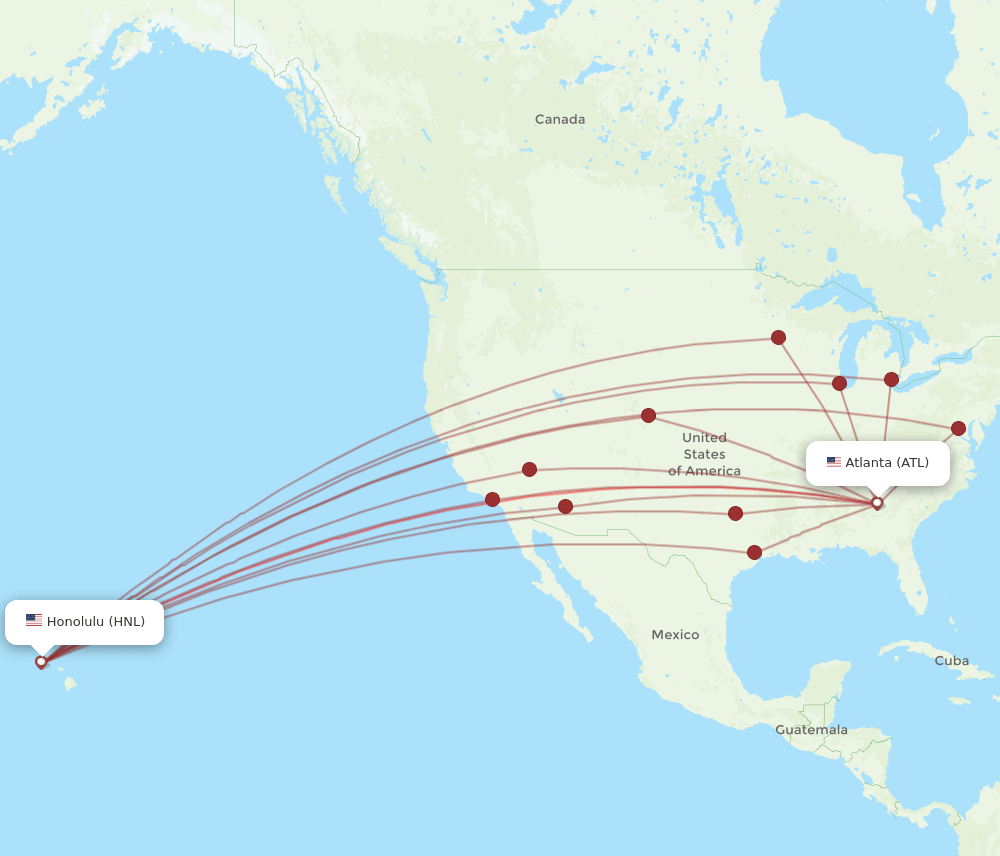
A connecting flight can add anywhere from 3 to 8 hours or more to your total journey, depending on the layover city and the duration of the stop. Common layover cities for flights from Atlanta to Hawaii often include major hubs on the West Coast of the United States, such as Los Angeles, San Francisco, or Seattle. Some routes might even involve a stopover on the East Coast or in the Midwest before heading west.
The total travel time for a connecting flight can therefore stretch from 12 hours to over 20 hours. This extended duration accounts for:
- Flight time to the connecting city: This will vary depending on the layover destination.
- Layover duration: This is the time spent on the ground at the connecting airport. It can range from a brief 1-2 hours to an extensive 6-hour or more break.
- Flight time from the connecting city to Hawaii: This segment will be shorter than the initial transcontinental flight but still substantial.
When booking, it’s essential to carefully examine the total travel time, not just the airtime. A seemingly shorter flight to a connecting city might be negated by an excessively long layover, making the overall journey longer than a flight with a more efficient connection.
Factors Influencing Flight Duration
Several factors, beyond the presence of layovers, can influence the precise duration of your flight from Atlanta to Hawaii. While some are beyond the traveler’s control, understanding them can help set realistic expectations.
Geographical Distance and Air Routes
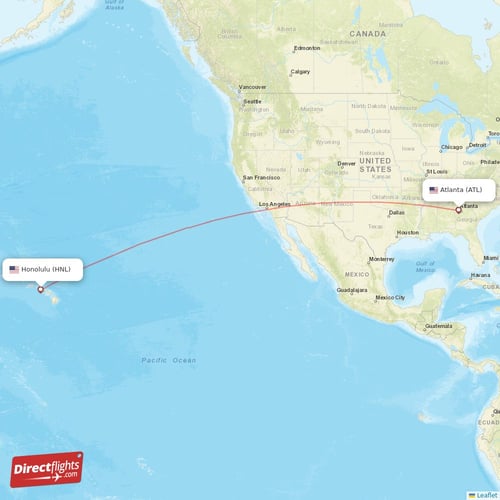
The sheer geographical distance between Atlanta and Hawaii is the primary driver of long flight times. Hawaii is located over 4,000 miles west of Atlanta. Airlines utilize specific air routes (airways) that are optimized for fuel efficiency, safety, and air traffic control. These routes are not always direct straight lines due to factors like weather patterns, restricted airspace, and the need to avoid certain geographical features. The selected flight path, therefore, plays a significant role in the actual time spent in the air.

Jet Streams and Wind Patterns
A crucial, yet often overlooked, factor influencing flight times is the presence and strength of jet streams. Jet streams are fast-flowing, narrow air currents found in the Earth’s atmosphere. When flying eastward, aircraft can often benefit from tailwinds, which can significantly reduce flight times. Conversely, when flying westward, as is the case from Hawaii back to the mainland, headwinds from jet streams can extend flight durations.
For the Atlanta to Hawaii route, eastbound flights (returning from Hawaii) might sometimes be slightly shorter if they can effectively utilize prevailing winds. However, the predominant westbound direction of this journey generally means battling against some atmospheric resistance. Airlines meticulously factor these wind patterns into their flight planning to optimize routes and fuel consumption.
Aircraft Type and Speed
While less impactful than distance or wind, the specific type of aircraft used for the flight can also contribute to minor variations in duration. Different aircraft models have different cruising speeds. For instance, a Boeing 777 might have a slightly different optimal cruising speed than an Airbus A330. However, the differences are generally marginal, and airlines select aircraft based on passenger capacity, route demand, and operational efficiency rather than solely on shaving off a few minutes of flight time.
Air Traffic and Airport Operations
The efficiency of air traffic control systems and the operational capacity of the airports involved can also introduce minor delays. While not directly part of the flight time itself, factors like taxiing on the runway, holding patterns due to congested airspace, or delays in gate assignments at either the departure or arrival airport can contribute to the overall travel experience. For a route as significant as Atlanta to Hawaii, airlines work closely with air traffic control to minimize such disruptions.
Planning Your Trip: Maximizing Your Time in Hawaii
Knowing the approximate flight duration is a fundamental step in planning your Hawaiian adventure. It allows for realistic scheduling of your arrival and subsequent activities. Here’s how to leverage this information effectively.
Scheduling Your Arrival
For direct flights, which are around 9-10 hours, arriving in Hawaii in the late afternoon or early evening is common if departing Atlanta in the morning. This allows for a relatively smooth transition, with time to pick up a rental car, check into your accommodation (perhaps a beautiful resort like the Grand Hyatt Kauai Resort & Spa or a cozy villa in Maui), and perhaps enjoy a casual dinner before resting.
With connecting flights, the extended travel time means you might arrive in Hawaii much later, potentially even the following day. If arriving late at night, consider booking accommodation with a 24-hour check-in or a hotel close to the airport like the Hilton Hawaiian Village Waikiki Beach Resort for your first night to ensure a comfortable start. For those arriving on a red-eye flight from a West Coast hub, you might even land in Hawaii in the morning, allowing you to begin exploring iconic sites like Pearl Harbor or the beaches of Waikiki almost immediately.
Considering Time Zone Differences
A significant aspect of your arrival experience will be the time zone difference. Hawaii observes Hawaii Standard Time (HST), which is 5 hours behind Eastern Standard Time (EST) observed in Atlanta. This means that even if your flight is 9 hours long, departing Atlanta at 10 AM EST will mean you arrive in Hawaii at approximately 4 PM HST (10 AM + 9 hours flight – 5 hours time difference = 4 PM).
This time difference can lead to jet lag, so it’s wise to plan for a relaxed first day. Avoid scheduling strenuous activities or important meetings immediately upon arrival. Focus on acclimatizing, perhaps with a gentle stroll along the beach or enjoying local Hawaiian cuisine at a restaurant in Honolulu.
Maximizing Layover Time (If Applicable)
While layovers are often viewed as necessary evils, they can sometimes be opportunities. If you have a long layover in a major West Coast city like Los Angeles or San Francisco, and your schedule permits, you might consider a brief excursion outside the airport. This requires careful planning, ensuring you have ample time to make your connecting flight, typically at least 2-3 hours before departure. Some travelers might even opt to turn a long layover into an overnight stay, enjoying a quick taste of a city before continuing their journey. However, this strategy significantly increases the complexity and potential for disruption to your travel plans.
Ultimately, understanding the flight duration from Atlanta to Hawaii is key to a well-planned and enjoyable trip. By factoring in direct versus connecting flights, potential delays, and time zone differences, you can arrive in paradise feeling prepared and ready to embrace the spirit of Aloha.
LifeOutOfTheBox is a participant in the Amazon Services LLC Associates Program, an affiliate advertising program designed to provide a means for sites to earn advertising fees by advertising and linking to Amazon.com. Amazon, the Amazon logo, AmazonSupply, and the AmazonSupply logo are trademarks of Amazon.com, Inc. or its affiliates. As an Amazon Associate we earn affiliate commissions from qualifying purchases.