
The question of “how long is the flight from Boston to Chicago?” might seem straightforward, but the answer opens up a world of travel planning, destination exploration, and the rich experiences waiting in two of America’s most iconic cities. For travelers, whether embarking on a business trip, a leisurely escape, or a family adventure, understanding the logistics of this popular route is just the beginning. Beyond the duration in the sky, lies the excitement of discovering the historic charm of Boston and the architectural grandeur of Chicago. This guide not only answers the core question but also delves into what makes this particular journey and its destinations truly special, offering insights into accommodation, local culture, landmarks, and lifestyle considerations for every type of traveler.
Understanding Your Boston to Chicago Flight
Connecting the East Coast with the Midwest, the flight path between Boston and Chicago is a busy corridor for both business and leisure travelers. While the actual time in the air is relatively short, several factors can influence the total travel time, making it essential to plan accordingly.
The Standard Flight Duration
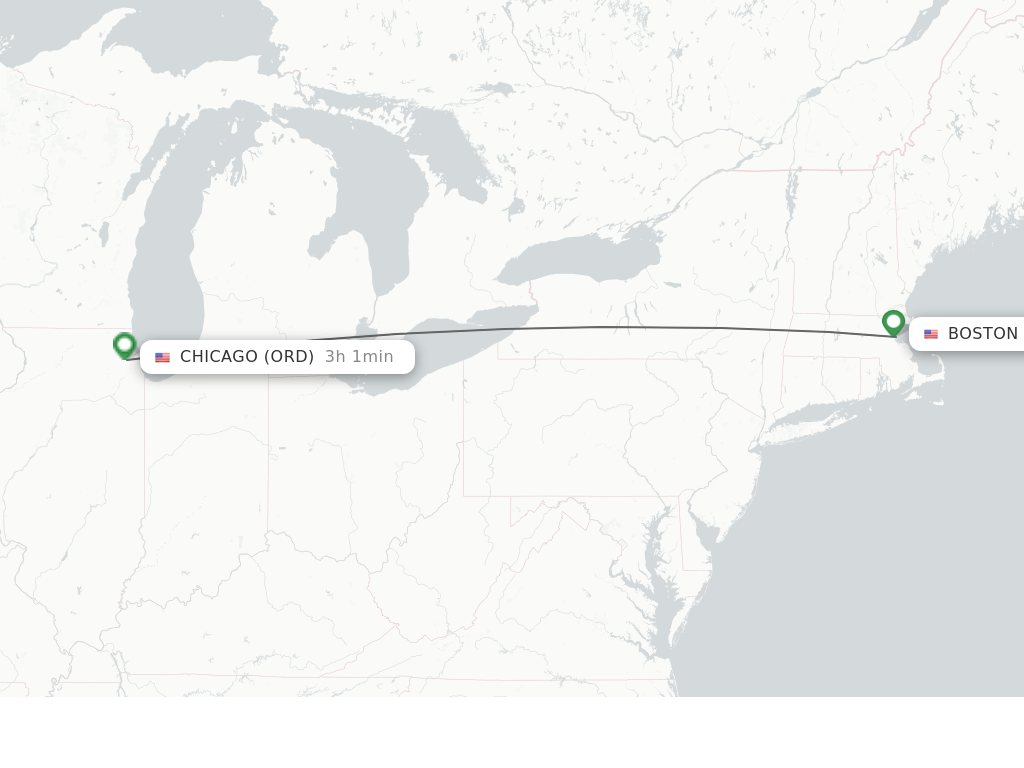
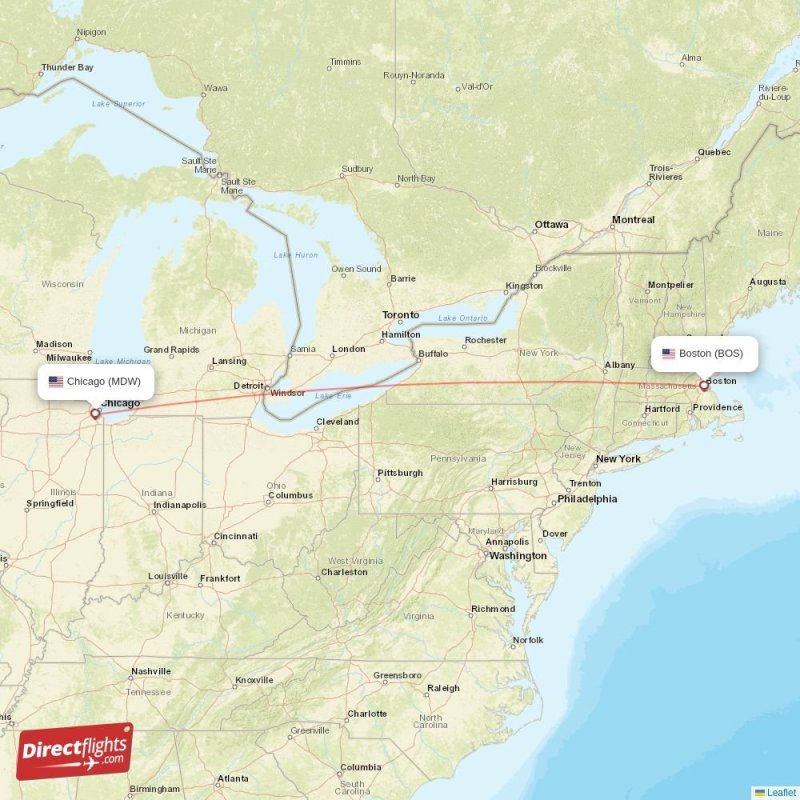
For a direct, non-stop flight from Boston (Logan International Airport – BOS) to Chicago (O’Hare International Airport – ORD or Midway International Airport – MDW), the average flight time is approximately 2 hours and 30 minutes to 3 hours. This duration covers the actual airborne time, excluding taxiing, takeoff, and landing procedures. While seemingly short, this travel window allows passengers to traverse nearly 850 miles (approximately 1,368 kilometers) that separate these two dynamic urban centers.
Factors Influencing Flight Time
Several variables can affect the precise duration of your flight:
- Aircraft Type: Different aircraft models have varying cruising speeds. A newer, more efficient jet might shave a few minutes off the journey compared to older models.
- Headwinds and Tailwinds: Wind conditions play a significant role. Strong headwinds (winds blowing against the direction of flight) can increase flight time, while tailwinds (winds blowing in the same direction as flight) can considerably shorten it. Flights typically take longer when traveling west due to prevailing westerly winds across North America.
- Air Traffic Control (ATC) Delays: Congestion at either BOS, ORD, or MDW can lead to delays in takeoff or holding patterns before landing, adding to the overall travel time.
- Specific Flight Path: While direct, minor adjustments to the flight path due to weather or other air traffic can subtly alter the duration.
- Layovers: Should you opt for a connecting flight, the total travel time will, of course, increase significantly, depending on the layover duration and location. While non-stop flights are widely available for this route, some travelers might choose connecting flights for cost savings or specific airline loyalty.
Major Airlines and Airports
Both Boston and Chicago are major transportation hubs, served by a multitude of airlines offering frequent flights.
In Boston, Logan International Airport (BOS) is the primary gateway, known for its efficiency and proximity to the city center. It offers a wide array of domestic and international flights.
Chicago is unique in having two major airports:
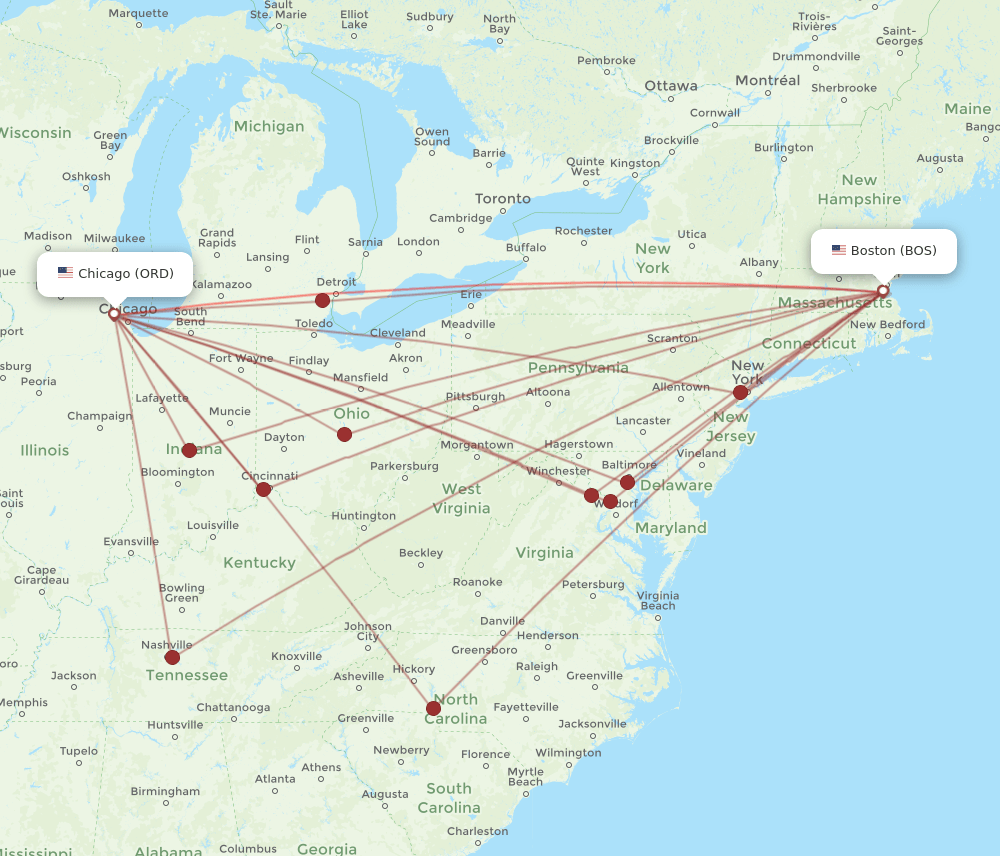
- O’Hare International Airport (ORD): One of the busiest airports in the world, ORD is a hub for United Airlines and American Airlines, offering extensive domestic and international connections.
- Midway International Airport (MDW): A smaller, but very popular airport, especially for budget carriers like Southwest Airlines. MDW is closer to Downtown Chicago, often making it a convenient choice for travelers whose final destination is within the city.
Major airlines frequently operating this route include American Airlines, United Airlines, Delta Air Lines, and Southwest Airlines, providing a competitive market with various fare options and flight times throughout the day.
Beyond the Flight: Exploring Boston’s Historic Charms
Once your flight from Chicago touches down in Boston, a city steeped in American history and vibrant culture awaits. Boston seamlessly blends its colonial past with a cutting-edge present, offering an experience rich in discovery for every visitor.
A Glimpse into Boston’s Rich History
Boston is arguably one of the most historically significant cities in the United States. A must-do is walking the Freedom Trail, a 2.5-mile red-lined path that leads to 16 historically important sites. Along the way, you’ll encounter:
- Faneuil Hall: Known as the “Cradle of Liberty,” a marketplace and meeting hall where speeches by Samuel Adams and others galvanized support for independence.
- Paul Revere House: The oldest house in Downtown Boston and the home of the famed patriot.
- Old North Church: Where the lanterns were hung to signal Paul Revere’s ride.
- Boston Tea Party Ships & Museum: An interactive experience retelling the iconic event.
- Bunker Hill Monument: Commemorating one of the earliest battles of the American Revolution.
Beyond the trail, explore the charming cobblestone streets and elegant brownstones of Beacon Hill, a historic neighborhood renowned for its architectural beauty and gas street lamps.
Cultural Experiences and Culinary Delights
Boston’s cultural scene is equally compelling. Art enthusiasts will appreciate the vast collections at the Museum of Fine Arts or the unique, intimate experience of the Isabella Stewart Gardner Museum, housed in a Venetian-style palace. For a dose of urban greenery, stroll through Boston Common and the adjacent Public Garden, especially beautiful in spring and fall.
Culinary adventures in Boston are a treat. Given its coastal location, fresh seafood is a staple. Indulge in classic clam chowder, lobster rolls, or oysters at one of the many renowned seafood restaurants. The North End, Boston’s oldest residential community, offers an authentic taste of Italy with its myriad of Italian restaurants, bakeries, and cafes. Don’t leave without trying a cannoli!
Accommodation in Boston: From Luxury to Budget
Boston offers a diverse range of accommodation options to suit every preference and budget.
- Luxury Stays: For those seeking opulence, hotels like The Langham Boston, set in a former Federal Reserve Bank building, or the historic Omni Parker House, famous for inventing the Boston Cream Pie, provide exceptional service and amenities. The elegant hotels in Back Bay also offer a luxurious experience.
- Boutique Hotels: Neighborhoods like Back Bay and the South End are home to charming boutique hotels that offer unique character and personalized service.
- Mid-Range and Budget-Friendly Options: Numerous hotels cater to the mid-range traveler, often found near Logan Airport or slightly outside the most central areas, with good public transport links. Hostels and guesthouses are available for budget-conscious travelers, particularly around university districts.
When booking, consider the proximity to your planned activities. The excellent public transportation system, known as the “T,” makes navigating the city convenient regardless of your accommodation’s exact location.
Discovering the Windy City: Chicago’s Architectural Grandeur and Vibrant Culture
Landing in Chicago after your flight from Boston introduces you to a vastly different urban landscape. The Windy City is celebrated for its groundbreaking architecture, world-class museums, thriving arts scene, and distinct culinary identity.
Architectural Marvels and Iconic Landmarks
Chicago’s skyline is a testament to architectural innovation. A boat tour on the Chicago River is highly recommended for a comprehensive view of the city’s historic and modern structures. Key landmarks include:
- Millennium Park: Home to the iconic Cloud Gate, affectionately known as “The Bean,” and the Jay Pritzker Pavilion.
- Art Institute of Chicago: One of the oldest and largest art museums in the United States, boasting an encyclopedic collection.
- Navy Pier: A lively entertainment hub featuring rides, restaurants, and unparalleled views of Lake Michigan.
- Willis Tower (formerly Sears Tower): For breathtaking panoramic views, venture up to the Skydeck and brave “The Ledge,” glass-bottomed balconies extending out from the building.
- Magnificent Mile: A stretch of Michigan Avenue famous for its upscale shopping, luxury hotels, and historic buildings like the Tribune Tower and the Wrigley Building.
Chicago’s Culinary and Entertainment Scene
No visit to Chicago is complete without indulging in its legendary deep-dish pizza. Local favorites like Lou Malnati’s, Giordano’s, and Pequod’s Pizza offer distinct takes on this Chicago classic. Beyond pizza, the city boasts a vibrant and diverse culinary landscape, from casual street food to numerous Michelin-starred restaurants that cater to gourmands.
The entertainment options are boundless. Chicago is a mecca for live music, particularly blues and jazz, with historic clubs like the Green Mill Cocktail Lounge and Kingston Mines offering nightly performances. The city is also a significant theater town, home to a flourishing improv comedy scene, spearheaded by the renowned Second City improv theater, a launching pad for many famous comedians.
Where to Stay in Chicago: A Guide to Neighborhoods and Hotels
Chicago’s extensive range of accommodation ensures there’s something for every budget and travel style.
- Luxury Resorts and Hotels: Hotels such as The Peninsula Chicago, Waldorf Astoria Chicago, and The Langham Chicago offer unparalleled luxury and service, often with stunning views of the city or Lake Michigan. Many are located along the Magnificent Mile or in the adjacent River North area.
- Boutique and Lifestyle Hotels: Explore stylish boutique hotels like the Thompson Chicago in Gold Coast or unique properties in neighborhoods like River North, West Loop, or Fulton Market, known for their trendy restaurants and nightlife.
- Business Stays: The Loop area is ideal for business travelers, offering proximity to corporate offices, convention centers, and excellent public transport connections.
- Budget-Friendly Options: For cost-conscious travelers, hostels and more affordable hotel chains are available, particularly outside the immediate city center, with easy access to Chicago’s comprehensive public transit system, the “L” train.
Choosing your accommodation based on your itinerary and preferred ambiance will enhance your Chicago experience.
Planning Your Intercity Journey and Maximizing Your Experience
Whether you’re flying from Boston to Chicago for business, leisure, or to visit family, careful planning can transform a simple trip into a memorable travel experience.
Best Time to Fly and Booking Tips
The best time to fly depends on your priorities:
- Weather: Both cities experience distinct seasons. Summer (June-August) offers warm weather ideal for outdoor activities but often higher prices and larger crowds. Spring (April-May) and Fall (September-October) provide pleasant temperatures, fewer tourists, and beautiful foliage in Boston or comfortable exploring weather in Chicago, making them excellent shoulder seasons. Winters (November-March) can be cold and snowy, but offer unique festive atmospheres and lower travel costs.
- Cost: Generally, booking flights several weeks in advance yields better prices. Tuesdays, Wednesdays, and Saturdays are often the cheapest days to fly. Using price comparison websites and being flexible with your travel dates can lead to significant savings. Consider flying into MDW in Chicago if you prioritize lower fares, as it often has more budget-friendly options than ORD.
- Business Travel: Peak business travel times, usually Monday mornings and Friday afternoons, tend to have higher fares. Booking off-peak flights can be more cost-effective.
Travel Style: From Business to Leisure
The Boston to Chicago route caters to a variety of lifestyles:
- Business Stays: The relatively short flight time makes it convenient for corporate travel. Many hotels in both cities offer business-centric amenities like meeting rooms, executive lounges, and fast Wi-Fi. Early morning flights allow for full-day meetings, while evening flights offer a quick return.
- Leisure Travelers: For those on vacation, both cities offer an abundance of attractions. Travelers can immerse themselves in history in Boston, enjoy a Red Sox game at Fenway Park, then fly to Chicago to marvel at its architecture, catch a Cubs game at Wrigley Field, or explore its world-class museums.
- Family Trips: Both destinations are family-friendly. Boston offers interactive museums and historical reenactments, while Chicago boasts the Shedd Aquarium, Field Museum, and attractions at Navy Pier. Planning activities suitable for all ages and booking family-friendly accommodation with amenities like suites or pools is key.
- Luxury Travel: Both cities excel in luxury experiences, from five-star hotels and gourmet dining to high-end shopping and exclusive tours. Many resorts and high-end apartments are available for discerning travelers.
- Budget Travel: Despite being major cities, budget-conscious travelers can find ways to enjoy Boston and Chicago through free walking tours, public parks, affordable eateries, and hostel accommodations.
Making the Most of Both Cities
To truly maximize your experience, consider a multi-city itinerary that allows you to fully immerse yourself in the unique character of each destination. Start with Boston’s colonial charm and intellectual prowess, then transition to Chicago’s urban dynamism and cultural vibrancy.
- Cultural Immersion: Dedicate time to local culture—attending a performance, exploring neighborhood festivals, or engaging with local guides for a deeper understanding of each city’s heritage.
- Food Tours: From Boston’s North End Italian treats to Chicago’s deep-dish pizza and diverse ethnic cuisines, food tours offer a delicious way to explore.
- Accommodation Comparison: Utilize online booking platforms to compare hotels, apartments, and villas, ensuring you find accommodation that aligns with your budget and desired amenities in each city. Reviews and long-term stay options are also important for extended visits.
- Transportation: While flying is the fastest way between cities, utilize each city’s excellent public transportation upon arrival to save on costs and experience urban life like a local.
In conclusion, while the direct flight from Boston to Chicago typically lasts a concise 2.5 to 3 hours, this journey is merely the conduit to experiencing two of America’s most compelling and contrasting urban destinations. From the historic cobblestones of Boston to the gleaming skyscrapers of Chicago, each city offers a unique tapestry of travel, tourism, and lifestyle opportunities. By considering flight logistics, exploring accommodation options, and diving into the local attractions, every traveler can craft an unforgettable adventure connecting these two remarkable metropolises.