
Embarking on a journey from the bustling metropolis of Chicago to the serene, sun-drenched shores of Hawaii is a dream for many. This iconic route connects the heart of the American Midwest with the idyllic islands of the Pacific, promising an unforgettable escape. While the allure of volcanic landscapes, pristine beaches, and vibrant culture is undeniable, the first question on most travelers’ minds revolves around the duration of the flight. This comprehensive guide will not only answer that crucial question but also delve into everything you need to know about planning, experiencing, and enjoying your Hawaiian adventure, from the moment you leave Chicago to your first breath of aloha air.
Understanding Flight Durations to Hawaii from Chicago
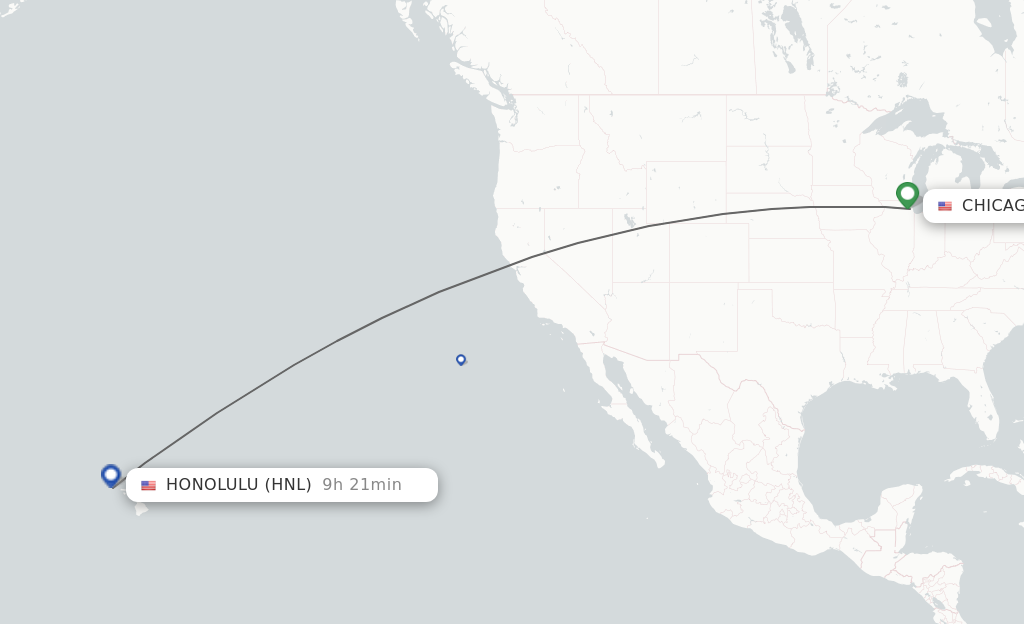
The journey across the continental United States and the vast Pacific Ocean is a significant one. When flying from Chicago to Hawaii, travelers can expect a substantial amount of time in the air. For a direct, non-stop flight, the average duration typically ranges from 8.5 to 9.5 hours. However, several factors can influence this estimate, and connecting flights will naturally extend your overall travel time.
Factors Influencing Flight Times
While the direct distance between Chicago and Hawaii is roughly 4,250 miles (approximately 6,840 kilometers), actual flight times can fluctuate due to a combination of variables:
- Wind Speed and Direction: The most significant factor impacting flight duration is the jet stream. Flights heading west from Chicago to Hawaii often encounter headwinds, which can slow down the aircraft and extend the flight time. Conversely, eastbound flights benefit from tailwinds, making them faster. This is why the return journey from Hawaii to Chicago is often noticeably shorter.
- Aircraft Type: Modern aircraft, such as the Boeing 787 Dreamliner or Airbus A330, are designed for long-haul efficiency and can maintain higher cruising speeds, potentially shaving a few minutes off the total flight time compared to older models.
- Specific Destination Island: While the difference might be marginal, the exact Hawaiian island you’re flying to can also affect the duration. Flights to Daniel K. Inouye International Airport (HNL) in Honolulu (Oahu) are usually the most direct, being the primary hub. Flights to other major airports like Kahului Airport (OGG) on Maui, Lihue Airport (LIH) on Kauai, or Kona International Airport (KOA) on the Big Island (Hawaii Island) might have slightly varied times, especially if requiring a brief routing adjustment.
- Air Traffic Control and Route Optimization: Flight paths are dynamically adjusted based on air traffic, weather patterns, and fuel efficiency, which can lead to minor variations in expected arrival times.
Non-Stop vs. Connecting Flights
When planning your trip, you’ll encounter two primary flight options:
-
Non-Stop Flights: These are the most direct and convenient, minimizing travel time and reducing the chances of missed connections. Several major airlines offer non-stop service from O’Hare International Airport (ORD) in Chicago to Honolulu’s Daniel K. Inouye International Airport (HNL). Airlines such as United Airlines, American Airlines, and sometimes Hawaiian Airlines or Delta Air Lines operate these routes. As mentioned, expect these flights to be in the range of 8.5 to 9.5 hours. For travelers prioritizing speed and comfort, a non-stop option is highly recommended, despite potentially being a higher investment.
-
Connecting Flights: While adding to the overall travel duration, connecting flights can often be more budget-friendly or offer greater flexibility in departure times. Common layover cities for flights from Chicago to Hawaii include major West Coast hubs like Los Angeles, San Francisco, Seattle, or Phoenix. Depending on the length of your layover, a connecting flight can easily extend your total travel time to 11-15 hours or even more. Travelers opting for connecting flights should factor in buffer time between flights and consider amenities available at their layover airport for comfort.
Preparing for Your Hawaiian Journey from Chicago
A long-haul flight demands thoughtful preparation to ensure a smooth and enjoyable experience. From essential packing to managing the effects of time zone changes, a little foresight goes a long way.
Essential Pre-Flight Considerations
- Booking Your Flight and Accommodation: Hawaii is a popular destination, so booking flights and accommodations well in advance – ideally 6-12 months for peak season travel – is crucial to secure the best rates and availability. Consider what type of accommodation suits your lifestyle and budget, whether it’s a luxury resort on Maui or a charming vacation rental on Kauai.
- Packing Smart: Hawaii’s climate is warm and tropical, so pack light clothing, swimwear, and plenty of reef-safe sunscreen. However, don’t forget a light jacket or sweater for cooler evenings, air-conditioned interiors, or higher elevations (like Haleakala on Maui). Comfortable walking shoes are a must for exploring, and consider a reusable water bottle to stay hydrated.
- Minimizing Jet Lag: With a five-hour time difference between Chicago (Central Time) and Hawaii (Hawaii Standard Time) during most of the year, jet lag can be a concern. Start adjusting your sleep schedule a few days before departure, hydrate well during the flight, avoid excessive caffeine and alcohol, and try to get natural light exposure upon arrival to help reset your body clock.
- Travel Insurance: For a significant trip like this, comprehensive travel insurance is highly recommended. It can cover unforeseen circumstances like flight delays, lost luggage, medical emergencies, or trip cancellations, providing peace of mind.
- Health and Safety: While generally safe, familiarize yourself with local guidelines and any specific health recommendations for travelers. Staying informed about current travel advisories is always prudent.
In-Flight Comfort and Entertainment
Making an 8-9+ hour flight enjoyable requires a proactive approach to comfort and entertainment.
- Seat Selection: If possible, choose your seat wisely. A window seat offers views (especially during sunrise/sunset over the Pacific), while an aisle seat provides easier access to stretch your legs and use the restroom. Consider paying for extra legroom options if available, as the added space can make a significant difference on a long flight.
- Hydration and Movement: The dry cabin air can lead to dehydration. Drink plenty of water throughout the flight. Get up and walk around the cabin every couple of hours, and perform simple stretches in your seat to promote circulation and prevent stiffness.
- Entertainment: Most long-haul flights offer extensive in-flight entertainment systems with movies, TV shows, music, and games. However, it’s also wise to bring your own entertainment, such as downloaded movies or podcasts on a tablet, a good book, or a journal.
- Snacks and Meals: While airlines provide meals on long flights, bringing your own favorite non-perishable snacks can be a lifesaver, especially if you have dietary restrictions or simply prefer specific treats.
- Comfort Items: A neck pillow, eye mask, and noise-canceling headphones are indispensable for creating a personal oasis of comfort and allowing for restful sleep. Dress in comfortable, layered clothing to adjust to fluctuating cabin temperatures.
Arriving in Paradise: What to Expect in Hawaii
After hours in the air, the sight of Hawaii’s lush green landscapes and shimmering blue waters emerging from the clouds is truly breathtaking. Your arrival sets the stage for the rest of your adventure.
Navigating Major Hawaiian Airports
Hawaii is served by several international and inter-island airports, with Daniel K. Inouye International Airport (HNL) in Honolulu being the primary gateway.
- Daniel K. Inouye International Airport (HNL), Oahu: This is the busiest airport and where most non-stop flights from the mainland arrive. Upon arrival, you’ll be greeted with the warm aloha spirit, often including a traditional lei greeting (which can be pre-arranged). HNL is well-equipped with car rental agencies, shuttle services, and taxis to transport you to popular Honolulu areas like Waikiki Beach.
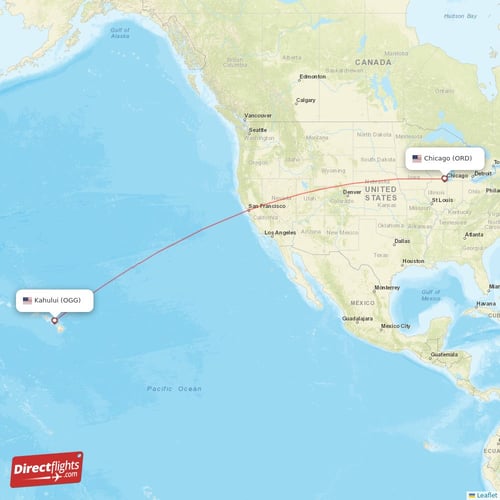
- Kahului Airport (OGG), Maui: The second busiest, serving the beautiful island of Maui. Many direct flights from the West Coast arrive here.
- Lihue Airport (LIH), Kauai: The main airport for the Garden Isle, Kauai.
- Kona International Airport (KOA), Big Island: Serves the west side of the Big Island, popular for resorts and coffee farms. Hilo International Airport (ITO) serves the east side.
Regardless of your arrival airport, familiarize yourself with ground transportation options beforehand. Pre-booking rental cars is highly recommended, especially on islands like Maui and the Big Island, where public transportation is limited.
Island-Hopping and Local Transportation
Many travelers choose to experience more than one Hawaiian island. Inter-island flights are common, relatively short (30-60 minutes), and offered by Hawaiian Airlines and Southwest Airlines.
- Car Rentals: On most islands, a rental car is essential for exploring at your own pace, especially for reaching remote beaches, hiking trails, and scenic drives. Book well in advance, as demand can be high.
- Public Transportation: Oahu has the most extensive public transportation system, TheBus, which can get you around Honolulu and to some outer areas. Other islands have limited or no public bus service.
- Ride-Sharing and Taxis: Services like Uber and Lyft are available in major tourist areas on Oahu, Maui, and the Big Island. Taxis are also an option, particularly for airport transfers.
Beyond the Flight: Experiencing Hawaii
The long flight from Chicago is merely the prelude to an extraordinary adventure. Hawaii offers a myriad of experiences, catering to every type of traveler.
Iconic Hawaiian Destinations and Activities
Each Hawaiian island boasts its unique charm and a wealth of attractions:
- Oahu: Home to the iconic Waikiki Beach with its vibrant energy, world-class surfing on the North Shore, and historical sites like Pearl Harbor and the solemn USS Arizona Memorial. Don’t miss hiking up Diamond Head for panoramic views of Honolulu.
- Maui: Known for its luxurious resorts along Kaanapali Beach, the breathtaking Road to Hana, and the spectacular sunrise from the summit of Haleakala National Park. Maui is also a prime spot for whale watching during winter months.
- Kauai: The “Garden Isle” captivates with its dramatic Napali Coast (best seen by helicopter or boat tour) and the grandeur of Waimea Canyon, often called the “Grand Canyon of the Pacific.” Lush valleys and cascading waterfalls define its landscape.
- Big Island: Offers incredible diversity, from the active volcanoes of Hawaii Volcanoes National Park (including Kilauea and Mauna Loa) to the snow-capped peak of Mauna Kea. Explore black sand beaches, lush rainforests, and historic Kona coffee plantations.
Across all islands, popular activities include snorkeling and scuba diving in crystal-clear waters, surfing lessons for beginners, exhilarating hikes through volcanic landscapes, attending a traditional luau for a taste of Hawaiian culture, and simply relaxing on sun-drenched beaches.
Accommodation Options for Every Traveler
Hawaii provides a diverse range of accommodations to suit every budget and lifestyle preference:
- Luxury Resorts: For those seeking an opulent experience, resorts like the Four Seasons Resort Maui at Wailea, the Grand Hyatt Kauai Resort & Spa, or the Hilton Hawaiian Village Waikiki Beach Resort offer world-class amenities, stunning ocean views, and impeccable service. These are perfect for romantic getaways or those who enjoy being pampered.
- Boutique Hotels and Inns: Many smaller, charming hotels provide a more intimate and personalized experience, often reflecting local Hawaiian architecture and design.
- Vacation Rentals and Condominiums: Ideal for families, groups, or longer stays, these options offer the convenience of kitchens and living spaces, often at a more economical price point than resorts. Platforms like Airbnb and Vrbo are popular for finding these.
- Budget-Friendly Stays: While Hawaii can be an expensive destination, there are also more affordable options, including smaller hotels and guesthouses, particularly in less tourist-dense areas.
Choosing the right accommodation often depends on your trip’s purpose – whether it’s a family trip, a honeymoon, an adventure tourism quest, or a serene retreat.
Embracing Hawaiian Culture and Cuisine
Beyond the scenic beauty, the true essence of Hawaii lies in its rich culture and hospitality, known as the “Aloha spirit.”
- Local Culture: Engage with the local culture by attending a luau, where you can enjoy traditional food, hula dancing, and storytelling. Learn a few basic Hawaiian phrases (“Aloha” for hello/goodbye/love, “Mahalo” for thank you). Be respectful of sacred sites and natural resources. Tourism in Hawaii emphasizes sustainable practices, encouraging visitors to malama Aina (care for the land).
- Food: Hawaiian cuisine is a delicious fusion of Polynesian, Asian, and American influences. Indulge in fresh poke bowls, savory kalua pig (often cooked in an imu, an underground oven), fresh seafood, and tropical fruits. Don’t leave without trying a refreshing shave ice and exploring local farmers’ markets for unique treats.
- Responsible Travel: Remember that Hawaii is a fragile ecosystem. Adhere to “Leave No Trace” principles, protect marine life (do not touch turtles or corals), and support local businesses. Your visit contributes to the preservation of these beautiful islands.

Making Your Dream Trip a Reality
The flight from Chicago to Hawaii is a significant journey, spanning approximately 8.5 to 9.5 hours for non-stop options or longer with connections. While the duration may seem daunting, the anticipation of arriving in paradise makes every minute worthwhile. By understanding the flight logistics, preparing for comfort, and planning your island experiences, you can transform a long flight into the gateway to an unforgettable adventure. Hawaii awaits with its breathtaking landscapes, warm hospitality, and vibrant culture, promising memories that will last a lifetime. Start planning your escape today, and prepare to be enchanted by the magic of the Pacific.
LifeOutOfTheBox is a participant in the Amazon Services LLC Associates Program, an affiliate advertising program designed to provide a means for sites to earn advertising fees by advertising and linking to Amazon.com. Amazon, the Amazon logo, AmazonSupply, and the AmazonSupply logo are trademarks of Amazon.com, Inc. or its affiliates. As an Amazon Associate we earn affiliate commissions from qualifying purchases.