
Embarking on an international journey from the bustling heart of the United States to the romantic capital of France is an exciting prospect for any traveler. Whether you’re planning a dream vacation, a crucial business trip, or a cultural exploration, one of the first questions that comes to mind is often about the travel time itself. Specifically, for those departing from the windy city of Chicago with aspirations of strolling along the Seine River or gazing upon the Eiffel Tower, “How long is the flight from Chicago to Paris?” is a query of paramount importance.

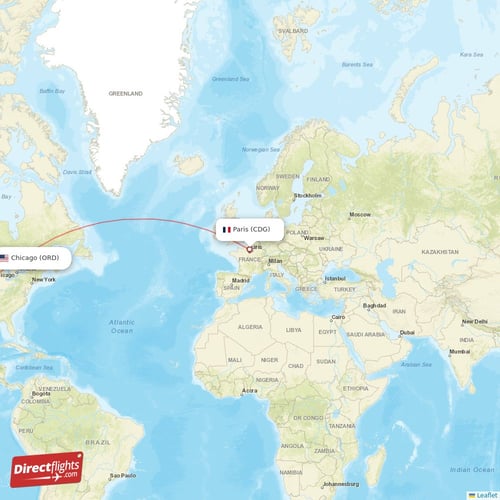
The answer isn’t a single, fixed number, but rather a range influenced by several factors. Generally, a direct, non-stop flight from Chicago to Paris typically spans between 7 hours and 30 minutes to 8 hours and 30 minutes. This journey covers an approximate air distance of 4,143 miles (6,668 kilometers) across the Atlantic Ocean. However, connecting flights, which are often more affordable or offer greater flexibility, can extend this travel time significantly, sometimes ranging from 10 to 15 hours or even more, depending on the layover duration and location. Understanding these nuances is key to planning a seamless and enjoyable travel experience.
Understanding the Core Flight Details
The journey from North America to Europe is a substantial one, crossing multiple time zones and vast expanses of ocean. Delving into the specifics of flight types, influencing factors, and major airports involved can help travelers make informed decisions and set realistic expectations for their transatlantic adventure.
Direct vs. Connecting Flights
The choice between a direct and a connecting flight is often the most significant determinant of overall travel time.
-
Direct Flights: As mentioned, direct flights from Chicago to Paris are the fastest option. These flights depart from a major Chicago airport and land directly at a major Paris airport without any intermediate stops. Airlines such as United Airlines, American Airlines, and Air France frequently offer non-stop services on this route. While generally more expensive, the convenience and reduced travel fatigue often justify the cost for many travelers, especially those on a tight schedule or preferring a smoother journey.
-
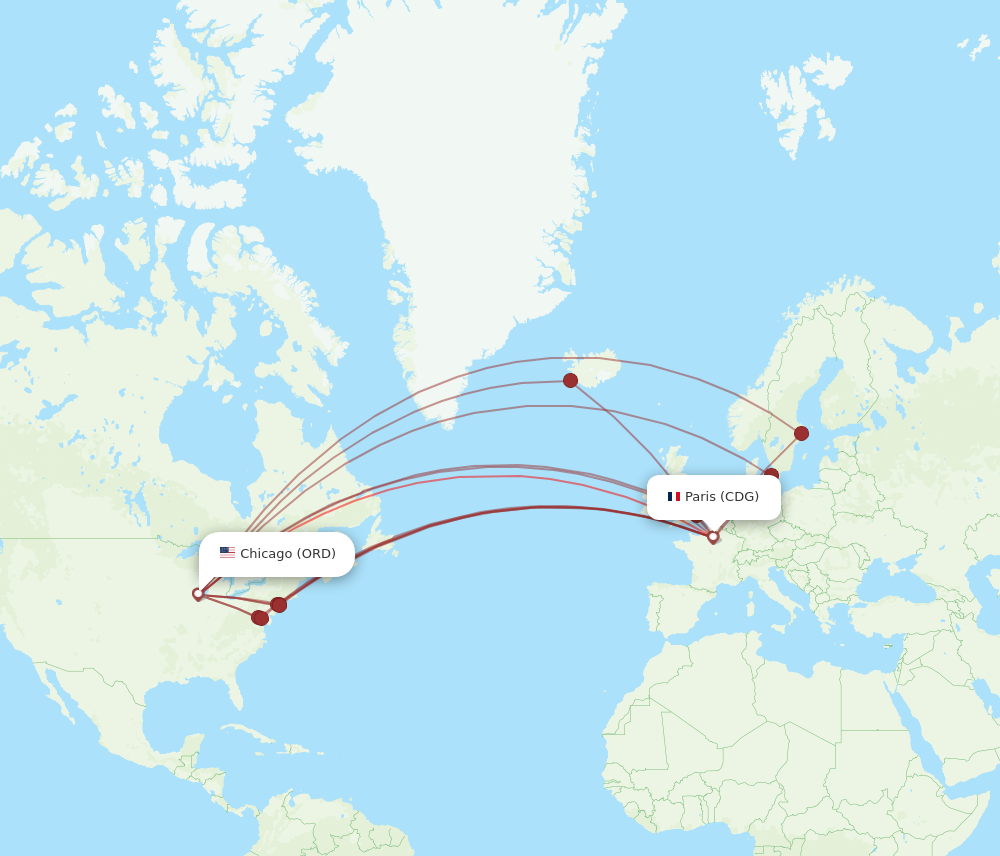
Connecting Flights: These flights involve at least one stop, usually in another major hub city like London, Dublin, Amsterdam, or Frankfurt. The total travel time for a connecting flight can vary wildly. A short, efficient layover might add just 2-3 hours to the direct flight time, bringing the total to around 10-11 hours. However, longer layovers, sometimes exceeding 6-8 hours, can push the total travel time beyond 15 hours. While these flights are typically more budget-friendly, travelers must weigh the savings against the increased travel duration and potential for delays or missed connections. Airlines like Delta Air Lines, Lufthansa, British Airways, and others frequently operate connecting routes between these two cities.
Factors Influencing Flight Duration
Beyond the direct versus connecting flight choice, several other elements can subtly, or sometimes significantly, impact the actual time spent in the air.
- Aircraft Speed and Type: Modern long-haul aircraft, such as the Boeing 787 Dreamliner, Airbus A350, or Boeing 777, are designed for fuel efficiency and speed over long distances. The specific model used by an airline can slightly alter flight times.
- Wind Conditions (Jet Stream): The prevailing winds, particularly the transatlantic jet stream, play a crucial role. Flights heading eastbound (from Chicago to Paris) often benefit from tailwinds, potentially shortening the journey by 30 minutes to an hour. Conversely, westbound flights (from Paris to Chicago) usually encounter headwinds, making them longer, often by an hour or more.
- Air Traffic Control and Route Optimization: Air traffic congestion at departure or arrival airports, as well as decisions by air traffic control, can lead to minor delays or rerouting. Airlines also constantly optimize their routes for efficiency, considering factors like weather patterns and fuel consumption.
- Time Zone Changes: It’s important to remember that Paris is 7 hours ahead of Chicago (Central Time). So, while your flight might be 8 hours, you’ll arrive much later on the clock than when you departed. For example, an 8 PM departure from Chicago will mean an approximately 1:30 PM arrival the next day in Paris. This significant time difference is the primary cause of jet lag and should be factored into your immediate post-arrival plans.
Major Airports in Chicago and Paris
Understanding which airports serve these routes is essential for booking and planning ground transportation.
- Chicago: The primary airport for international flights is O’Hare International Airport (ORD). It’s one of the busiest airports in the world and serves as a major hub for numerous airlines. While Midway International Airport (MDW) also serves Chicago, it primarily handles domestic flights and rarely offers direct international connections to Paris.
- Paris: The main international gateway to Paris is Charles de Gaulle Airport (CDG). Located northeast of the city, it’s a massive hub with excellent connections to downtown Paris via the RER train, taxis, and buses. Another significant airport is Orly Airport (ORY), situated south of the city. While Orly handles many European and some international flights, the vast majority of direct transatlantic flights from Chicago will arrive at Charles de Gaulle.
Maximizing Your Travel Experience: Beyond the Flight
The flight itself is just one component of your overall travel experience. Thoughtful preparation and timing can significantly enhance your comfort and enjoyment, ensuring you arrive in Paris refreshed and ready to explore.
Preparing for an Overseas Journey
A long-haul flight demands specific preparations to make the journey as comfortable as possible.
- Health and Wellness: Consider staying hydrated before and during the flight. Dress in comfortable, loose-fitting clothing. Light exercise before boarding and stretching during the flight can help with circulation. Packing a small bag with essentials like a travel pillow, eye mask, noise-canceling headphones, and any necessary medications is highly recommended.
- Immigration and Customs: Ensure your passport is valid for at least six months beyond your planned departure from the Schengen Area. While US citizens don’t currently need a visa for short tourist stays in France, the ETIAS (European Travel Information and Authorization System) will become mandatory for visa-exempt non-EU nationals, including Americans, for entry into the Schengen Area in the near future. Keep an eye on the latest requirements.
- Entertainment and Productivity: Load your devices with movies, music, podcasts, or e-books. Many international flights offer in-flight entertainment systems, but having your own options provides greater flexibility. For business travelers, this time can also be used for catching up on work, making the journey productive.
Choosing the Right Time to Fly
The timing of your flight, both season and time of day, can impact your experience in Paris.
- Seasonality:
- Spring (April-June) and Fall (September-October): These are often considered the best times to visit Paris. The weather is pleasant, the crowds are manageable, and flight prices can be reasonable.
- Summer (July-August): While popular, summer sees peak tourist crowds and higher prices for flights and accommodation. The weather can also be quite warm.
- Winter (November-March): Offers the lowest prices and smallest crowds, but the weather is colder and days are shorter. The festive season around Christmas and New Year’s is an exception, with increased prices and visitors.
- Managing Jet Lag: Flying eastbound from Chicago to Paris means you’ll “lose” several hours, leading to jet lag upon arrival. To mitigate this:
- Choose a flight that arrives in Paris in the late morning or early afternoon. This allows you to check into your hotel, freshen up, and then spend the afternoon outdoors, exposing yourself to natural light to help reset your circadian rhythm.
- Try to adjust your sleep schedule a few days before departure, shifting it closer to Parisian time.
- Avoid heavy meals and excessive alcohol on the flight.
- Upon arrival, resist the urge to nap for too long. Power through until evening, and then aim for a full night’s sleep.
Your Parisian Adventure Awaits: Accommodation and Exploration
Once you’ve successfully navigated the transatlantic flight, the real adventure begins. Paris offers an unparalleled array of accommodation options and countless opportunities for cultural immersion and sightseeing.
Selecting Your Ideal Parisian Stay
Accommodation forms a crucial part of your overall Paris experience. The city boasts a diverse range of choices to suit every preference and budget.
- Hotels: From luxurious five-star resorts like the Ritz Paris or Shangri-La Paris to charming boutique hotels in neighborhoods like Saint-Germain-des-Prés or Le Marais, Paris has it all. Brands like Hilton, Marriott, and Accor have a strong presence, offering reliable standards and amenities. Consider booking well in advance, especially during peak season, and utilize booking platforms that offer reviews and comparison tools.
- Apartments and Villas: For longer stays, family trips, or those seeking a more local experience, renting an apartment can be an excellent option. Websites like Airbnb or local agencies offer a wide selection, often providing kitchen facilities, which can be a budget-friendly advantage. For ultimate luxury, private villas or high-end serviced apartments provide unparalleled comfort and privacy.
- Hostels and Budget Accommodation: Paris also caters to budget travelers with a variety of hostels and affordable hotels, particularly in areas like the Latin Quarter or the 10th and 11th arrondissements. These options are perfect for solo travelers or groups looking to maximize their exploration funds.
Iconic Landmarks and Local Culture in Paris
No visit to Paris is complete without immersing yourself in its rich history and vibrant culture.
- Must-Visit Landmarks:
- Eiffel Tower: The quintessential symbol of Paris. Book tickets in advance to avoid long queues.
- Louvre Museum: Home to thousands of works of art, including the Mona Lisa. It requires significant time to truly appreciate.
- Notre-Dame Cathedral: While still undergoing restoration after the fire, its exterior remains a powerful sight, and its surrounding area is historically significant.
- Arc de Triomphe and Champs-Élysées: A grand boulevard leading to the iconic arch, offering panoramic views from the top.
- Montmartre and Sacre-Cœur Basilica: A charming, hilly district with bohemian vibes, street artists, and stunning views of the city.
- Cultural Experiences: Explore the city’s numerous smaller museums, wander through picturesque neighborhoods like the Latin Quarter or Le Marais, and enjoy a leisurely boat trip along the Seine River, passing under historic bridges like the Pont Neuf. Consider day trips to nearby attractions such as Disneyland Paris for family fun or the magnificent Versailles Palace for a glimpse into French royal history.
Culinary Delights and Experiences
Paris is a global culinary capital, and savoring its food scene is an essential part of the tourism experience.
- Dining Options: From Michelin-starred restaurants to charming bistros and bustling outdoor markets, the city offers something for every palate. Don’t miss classic French dishes like croissants, pain au chocolat, macarons, escargots, coq au vin, and crème brûlée.
- Café Culture: Experience the quintessential Parisian café culture. Sit at an outdoor table, sip a coffee or aperitif, and watch the world go by. This is an integral part of the local lifestyle.
- Food Tours and Cooking Classes: For a deeper dive, consider joining a food tour through a specific neighborhood or taking a cooking class to learn how to prepare traditional French cuisine.
Lifestyle Considerations for Your Paris Trip
Beyond the logistics of flights and sights, understanding the broader lifestyle aspects of your journey can significantly impact your overall satisfaction and help you tailor your trip to your specific needs and desires.
Budget vs. Luxury Travel
Paris can cater to a wide spectrum of travel budgets, from the most opulent luxury to surprisingly affordable options.
- Luxury Travel: If you’re seeking a lavish experience, Paris offers world-class luxury hotels, Michelin-starred dining, exclusive shopping on the Champs-Élysées or Avenue Montaigne, and private tours. This lifestyle often means seamless transportation (private cars), premium suites with stunning views, and personalized services.
- Budget Travel: For travelers mindful of their expenses, Paris can still be enjoyed without breaking the bank. Opt for hostels, smaller hotels, or apartment rentals outside the immediate city center but with good metro access. Utilize public transport, enjoy picnics with items from local markets, and take advantage of free attractions like walking tours or window shopping. Many museums offer free entry on the first Sunday of the month or for specific age groups.
Tips for Family Trips or Business Stays
The nature of your trip will dictate different planning priorities.
- Family Trips:
- Accommodation: Consider apartments with multiple rooms and kitchen facilities. Many hotels offer family suites.
- Activities: Beyond the main landmarks, explore child-friendly museums, parks like Jardin du Luxembourg, or a day trip to Disneyland Paris.
- Pacing: Don’t try to cram too much into one day. Children often need more breaks and downtime.
- Business Stays:
- Connectivity: Ensure your accommodation offers reliable Wi-Fi and suitable workspace. Many hotels provide business centers and meeting rooms.
- Location: Choose a hotel conveniently located near your meeting venues or with easy access to public transport.
- Amenities: Look for hotels with fitness centers, lounge access, or in-room dining to maximize productivity and convenience during a busy schedule.
- Flexibility: Business travel often requires flexibility. Look for flight and hotel booking options with easy cancellation or change policies.
In conclusion, while the direct flight from Chicago to Paris is a manageable 7.5 to 8.5 hours, the entire journey encompasses much more than just the time spent in the air. From choosing the right flight and preparing for the transatlantic crossing to selecting the perfect Parisian accommodation and planning your cultural exploration, every detail contributes to an unforgettable travel experience. With careful planning and an adventurous spirit, your trip from the heartland of the United States to the enchanting streets of Paris will be nothing short of magical.