
Embarking on a journey from the heart of Texas to the tropical paradise of Hawaii is an exciting prospect, promising sun-drenched beaches, volcanic landscapes, and a rich Polynesian culture. However, before you can feel the warm Hawaiian breeze and explore its stunning islands, the primary logistical question on your mind is likely: “How long is the flight from Dallas, TX to Hawaii?” The answer, as with many travel queries, isn’t a single, simple number. It depends on a variety of factors, primarily the availability of direct flights and the specific island you’re aiming for.
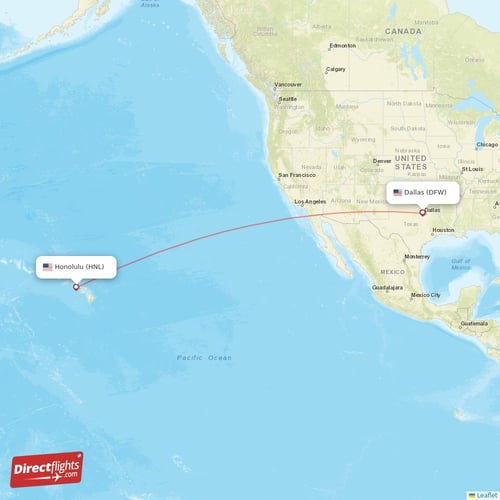
While Dallas is a major hub with extensive flight options, direct routes to Hawaii are less common than from cities on the West Coast. This means that most travelers will experience flights with at least one stop, significantly extending their travel time. Understanding these nuances is crucial for planning your Hawaiian adventure effectively, from packing your bags to booking accommodations and anticipating your arrival. This article will delve into the typical flight durations, factors influencing them, and what to expect for your journey from Dallas to the Aloha State.
Understanding Flight Durations: Direct vs. Connecting Flights
The most significant determinant of your flight duration from Dallas to Hawaii is whether you opt for a direct flight or one with layovers.
Direct Flights: The Ideal Scenario
Direct flights from Dallas/Fort Worth International Airport (DFW) to Hawaii are a rare but highly desirable option. When available, these flights typically operate to major Hawaiian gateways like Honolulu International Airport (HNL) on Oahu or Kahului Airport (OGG) on Maui.
- Estimated Flight Time for Direct Flights: A direct flight from Dallas to Hawaii can range from approximately 8 to 9.5 hours. This is the total time spent in the air, not including time spent at the airport for check-in, security, and boarding. The exact duration can fluctuate based on factors such as the specific aircraft, wind conditions, and air traffic control. For example, a flight to Honolulu might be slightly shorter than one to Kona on the Big Island, although direct options to Kona are even more infrequent.
The allure of a direct flight is undeniable. It minimizes travel time, reduces the stress associated with navigating multiple airports, and allows you to start your vacation sooner. However, the availability of these direct routes can be seasonal or dependent on specific airline schedules, making them potentially more expensive or harder to book during peak travel periods. Travelers seeking direct flights should book well in advance and be flexible with their travel dates if possible.
Connecting Flights: The More Common Reality
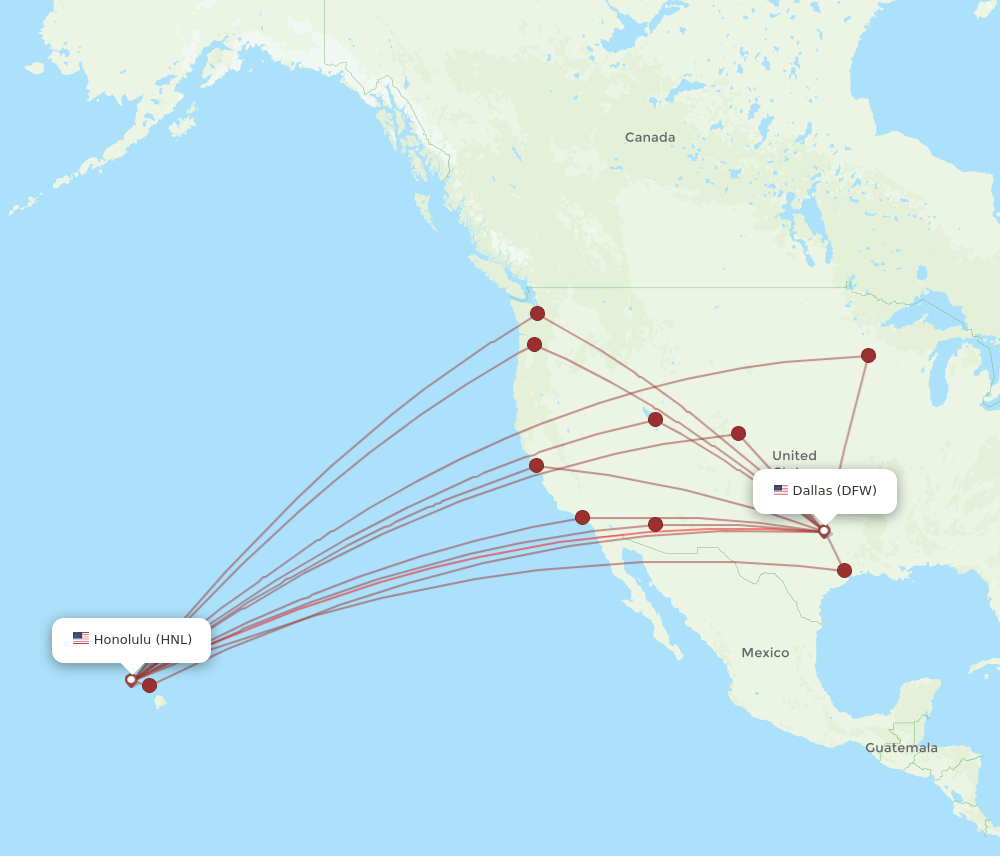
For the majority of travelers flying from Dallas to Hawaii, a connecting flight is the standard. This typically involves a stopover in a major West Coast city, such as Los Angeles (LAX), San Francisco (SFO), Seattle (SEA), or sometimes even Denver (DEN) or Phoenix (PHX). The layover city serves as a bridge, allowing passengers to connect to their Hawaiian destination.
-
Estimated Flight Time with One Stop: When you factor in a layover, the total travel time from Dallas to Hawaii can increase significantly. The total duration, including the flight segments and the layover, can range from 11 to 16 hours, and sometimes even longer.
- Flight Segments: The actual flight time from Dallas to the West Coast hub typically takes around 3 to 4 hours. The subsequent flight from the West Coast to Hawaii is generally around 5 to 6 hours.
- Layover Duration: The length of the layover is the variable that most impacts the total travel time. Layover times can vary from a short 1 to 2 hours to much longer waits of 4 to 6 hours or more, especially if you’re booking less expensive, less convenient flight combinations. Some travelers may even opt for longer layovers to explore the layover city briefly, turning a necessity into a mini-experience.
The key to managing connecting flights is careful planning. Look for itineraries that offer reasonable layover times to avoid excessive waiting or the risk of missing your connection. Airlines often group flights to Hawaii in the late afternoon or evening from West Coast hubs, meaning your total travel day might begin in Dallas very early in the morning.
Factors Influencing Flight Duration
Beyond the direct versus connecting flight distinction, several other factors can influence how long your journey from Dallas to Hawaii ultimately takes.
Choice of Hawaiian Island
Hawaii is an archipelago, and while most international and mainland flights land on the most populated islands, your specific destination can subtly affect flight times.
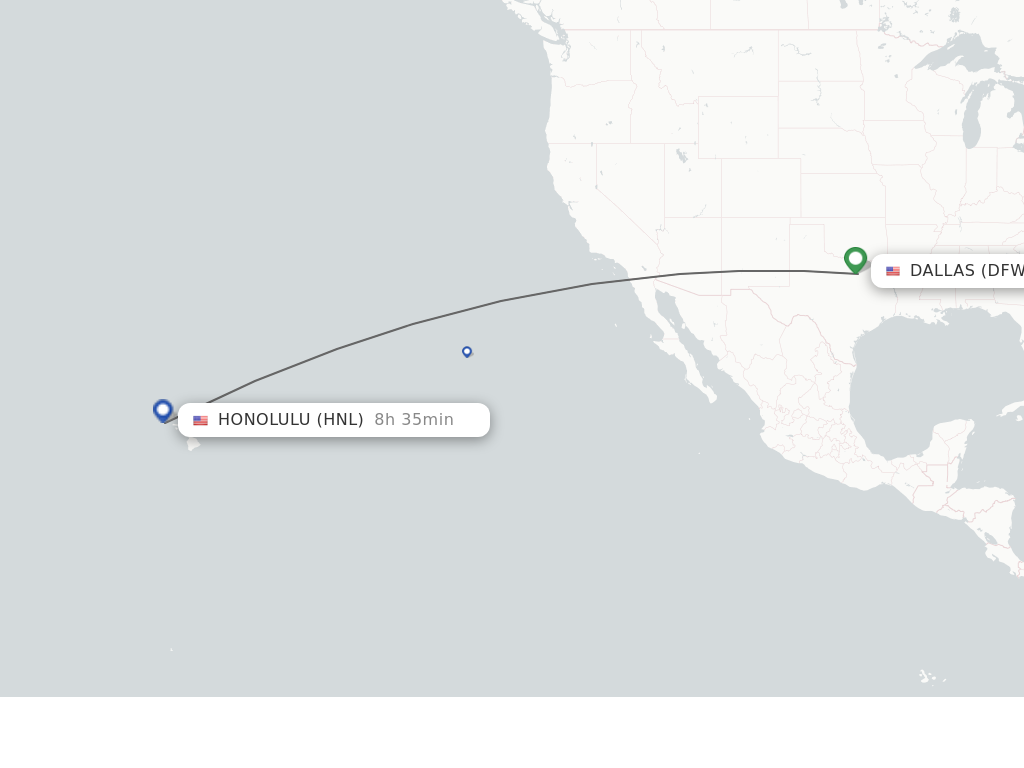
- Oahu (HNL): As the primary gateway, Honolulu International Airport on Oahu often has the most flight options, both direct and connecting. Flights to Oahu are generally among the shortest once you reach the West Coast.
- Maui (OGG): Kahului Airport on Maui is another major destination, and flight times are comparable to Oahu.
- Kauai (LIH): Lihue Airport on Kauai sees fewer direct flights, meaning connections are more common.
- Big Island (KOA/ITO): The Big Island has two main airports: Kona International Airport (KOA) on the west side and Hilo International Airport (ITO) on the east. Flights to the Big Island might involve slightly longer flight times from the West Coast depending on the specific routing.
If your travel plans include island hopping, remember that inter-island flights are short, typically 30-45 minutes. However, they add another layer of travel time and airport logistics to your overall trip.
Airline and Aircraft Type
Different airlines utilize various aircraft types with different cruising speeds. While the difference is usually minor, it can contribute a few minutes to the overall flight time. More significantly, airline routing and scheduling play a role. Some airlines might offer more efficient connections, while others might have less optimal layover cities or longer taxi times on the tarmac.
Weather and Air Traffic
While less predictable, weather conditions, particularly headwinds or tailwinds, can slightly alter flight durations. Severe weather can also lead to delays and disruptions, impacting your overall travel time. Air traffic congestion, especially around major hubs like Dallas/Fort Worth (DFW) and West Coast airports, can also contribute to delays on the ground and in the air.
Time of Year and Day
The time of year can influence flight availability and prices. During peak seasons like summer holidays or winter breaks, demand for flights to Hawaii soars, leading to more flight options, potentially including more direct flights, but also higher prices. Conversely, the shoulder seasons might offer fewer options. The time of day you fly can also impact your layover experience; overnight flights might have longer transit times but allow you to sleep through part of the journey.
Planning Your Journey: Tips for a Smoother Trip
A journey from Dallas to Hawaii is a significant undertaking, and thoughtful planning can make a world of difference.
Booking Your Flights
- Book in Advance: To secure the best prices and desired flight times, it’s highly recommended to book your flights several months in advance, especially if you’re traveling during peak season.
- Compare Airlines: Utilize flight comparison websites to explore options from various airlines. Pay attention not just to the price but also to the total travel time, layover duration, and the number of stops.
- Consider Layovers Strategically: If you have a connecting flight, look for layovers in major hubs that are known for efficient operations. A layover of 1.5 to 3 hours is generally considered ideal for ensuring a smooth connection without excessive waiting.
- Be Flexible with Dates: If your travel dates are flexible, experiment with different departure and arrival days. Often, flying on a Tuesday or Wednesday can be cheaper than flying on a Friday or Sunday.
Preparing for the Long Haul
- Pack Smart: Ensure you have essentials within reach in your carry-on bag: a neck pillow, eye mask, earplugs, comfortable clothing, snacks, entertainment (books, downloaded movies, music), and any necessary medications.
- Stay Hydrated and Move: Long flights can be dehydrating. Drink plenty of water and get up to walk around the cabin periodically to prevent stiffness and improve circulation.
- Manage Jet Lag: Hawaii is in the Hawaii–Aleutian Time Zone (HST), which is significantly behind Central Standard Time (CST) in Dallas (typically 4-5 hours difference depending on daylight saving). Prepare for jet lag by adjusting your sleep schedule gradually before your departure if possible. Upon arrival, try to expose yourself to natural sunlight and stay active during the day to help your body adjust to the new time zone.
Accommodation and Activities in Hawaii
While the flight duration is a key logistical consideration, so is what awaits you in Hawaii. Once you land, your chosen island will offer a wealth of experiences. Whether you’re looking for the vibrant nightlife of Waikiki on Oahu, the luxurious resorts of Wailea on Maui, the dramatic natural beauty of the Na Pali Coast on Kauai, or the active volcanoes of Hawaii Volcanoes National Park on the Big Island, Hawaii has something for every traveler.
When booking your accommodation, consider factors like proximity to attractions, desired amenities (pools, on-site dining, ocean views), and your travel style. Options range from world-class resorts like the Grand Wailea Maui, A Waldorf Astoria Resort to charming boutique hotels and family-friendly condominiums. Many visitors opt for vacation rentals or apartments for longer stays, offering more space and a home-like feel, which can be particularly appealing for family trips or extended explorations of the islands. Remember to factor in transportation upon arrival; renting a car is often essential for exploring islands like Maui or the Big Island at your own pace.
Ultimately, the flight from Dallas, TX to Hawaii is the first step in an unforgettable journey. By understanding the flight durations, the factors that influence them, and by planning meticulously, you can ensure a smooth transition from the mainland to the breathtaking beauty and unique culture of the Hawaiian Islands. Enjoy your adventure!