
Embarking on a journey from the bustling metropolis of Los Angeles to the serene shores of Hawaii is a dream for many, symbolizing an escape to paradise. While the allure of volcanic landscapes, pristine beaches, and vibrant culture is undeniable, a common and critical question for prospective travelers revolves around the logistics of getting there: How long is the flight from LAX to Hawaii? Understanding flight durations is key to planning your itinerary, managing expectations, and preparing for a comfortable journey across the Pacific Ocean. This comprehensive guide delves into average flight times, factors influencing your travel, airline insights, and essential tips to ensure your transition from the US mainland to the Aloha State is as smooth as possible.
Unveiling the Journey: Average Flight Times from Los Angeles to the Hawaiian Islands
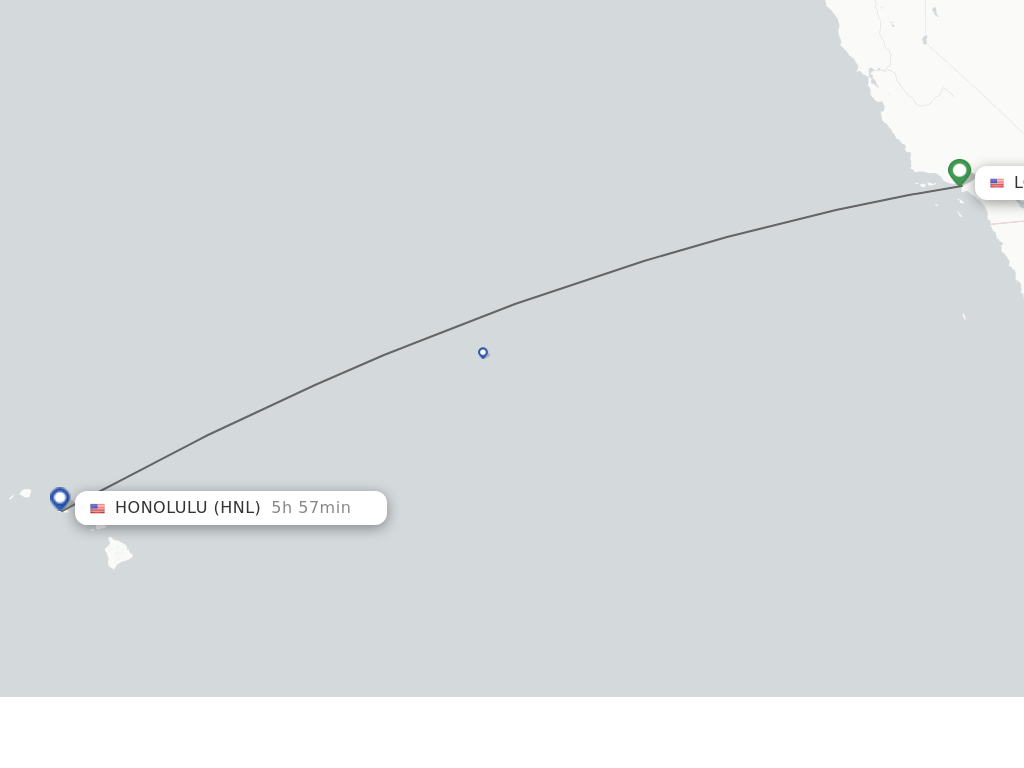
The journey from LAX ( Los Angeles International Airport) to Hawaii is a significant trans-Pacific flight. While the islands appear relatively close on a map, they are nestled almost 2,500 miles southwest of Los Angeles. This distance translates into specific flight durations that vary depending on your ultimate island destination within the Hawaiian archipelago.
Direct Flights: Reaching Paradise Swiftly
For most travelers, direct flights are the preferred option for their efficiency and convenience. From LAX, you can find direct routes to several major airports across Hawaii’s primary islands. Here’s a breakdown of typical direct flight times:
- To Oahu ( Honolulu International Airport – HNL ): This is the most common and often the shortest direct flight. Expect the journey to take approximately 5 hours and 30 minutes to 6 hours. Honolulu is the capital city and a major hub, making it a frequent first stop for many visitors.
- To Maui ( Kahului Airport – OGG ): Flights to Maui are very popular, especially given the island’s reputation for stunning resorts and natural beauty. Direct flights typically range from 5 hours and 40 minutes to 6 hours and 15 minutes.
- To Kauai ( Lihue Airport – LIH ): The “Garden Isle” offers a more secluded and lush experience. Direct flights to Lihue are generally between 5 hours and 50 minutes to 6 hours and 20 minutes.
- To Big Island ( Kona International Airport – KOA or Hilo International Airport – ITO ): The largest island, offering diverse landscapes from volcanoes to black sand beaches, is accessible via two major airports.
- Flights to Kona on the Big Island’s west coast typically take 6 hours to 6 hours and 30 minutes.
- Flights to Hilo on the island’s east side are usually in a similar range, often around 6 hours and 10 minutes to 6 hours and 40 minutes.
It’s important to remember that these are average times. Actual flight durations can fluctuate slightly due to various operational and environmental factors.
Factors Influencing Your Flight Duration
While direct flights offer a relatively consistent journey, several elements can subtly or significantly impact the actual time you spend in the air:
- Wind Currents (Jet Stream): This is perhaps the most influential natural factor. Flights traveling westward from the US mainland to Hawaii often encounter headwinds, which can lengthen the flight. Conversely, eastbound return flights benefit from tailwinds, typically making the journey back to Los Angeles about 30-60 minutes shorter.
- Aircraft Type: Modern, fuel-efficient aircraft with advanced aerodynamics can sometimes shave a few minutes off a flight compared to older models. However, this is usually a minor variable for commercial routes.
- Airline Efficiency and Route Optimization: Airlines optimize their flight paths for fuel efficiency and speed, but minor variations in flight plans due to air traffic control, weather, or operational considerations can slightly alter arrival times.
- Specific Destination Airport: As noted above, the westernmost islands (like Kauai) or further points on the Big Island might add a few extra minutes compared to Oahu due to the slight difference in geographical distance.
- Air Traffic Control (ATC) Delays: While uncommon for trans-Pacific routes, delays on the ground at LAX or during approach to busy Hawaiian airports can add to your overall travel time, even if the actual flight portion remains consistent.
Time Zone Shift: Don’t forget the significant time zone change. Hawaii does not observe daylight saving time and is typically 3 hours behind Pacific Standard Time (PST) and 2 hours behind Pacific Daylight Time (PDT). This means a flight departing LAX at 9:00 AM and arriving after 6 hours in the air will land around 12:00 PM Hawaiian time, effectively making it feel like a shorter day. This “time travel” is a pleasant bonus for westbound travelers but can contribute to jet lag.
Navigating Your Hawaiian Airway: Airlines, Airports, and Booking Insights
Choosing the right flight is a crucial step in planning your Hawaiian getaway. From selecting an airline that meets your comfort and budget needs to understanding the best times to book, a little foresight can significantly enhance your travel experience.
Major Airlines Serving the Route
Several reputable airlines offer direct flights from LAX to Hawaii, providing travelers with a range of options regarding pricing, service, and cabin classes. Key carriers include:
- Hawaiian Airlines: As the flag carrier of Hawaii, Hawaiian Airlines offers a distinct island-style service, including complimentary meals and drinks, setting the tone for your vacation even before you land. They have extensive inter-island connections as well.
- Delta Air Lines: A major international carrier, Delta Air Lines provides robust service with various cabin options, from basic economy to Delta One (business class), ensuring comfort for different budgets and preferences.
- United Airlines: Another significant player, United Airlines offers frequent flights and a wide network. They provide amenities like in-flight entertainment and Wi-Fi, along with diverse seating classes.
- American Airlines: American Airlines also operates numerous daily flights from LAX to Hawaii, offering competitive pricing and various service levels, including their premium economy and first-class options.
- Southwest Airlines: Known for its flexible baggage policy (two free checked bags) and open seating, Southwest Airlines has become a popular choice for budget-conscious travelers and families.
- Alaska Airlines: While more prominent on the West Coast, Alaska Airlines also offers direct routes from LAX to Hawaii, often praised for its customer service.
When booking, consider not only the price but also baggage allowances, in-flight amenities, loyalty programs, and schedule convenience. Some airlines might offer better connections if you plan to island-hop immediately upon arrival.
Choosing Your Departure and Arrival Hubs
Your departure point is primarily LAX, one of the busiest airports in the world, offering extensive flight options. While other West Coast airports like San Francisco ( SFO ) or Seattle ( SEA ) also offer Hawaii flights, LAX remains a dominant gateway.
For arrival, you have a choice of several key airports in Hawaii:
- Daniel K. Inouye International Airport ( HNL ) in Honolulu, Oahu: This is the main international gateway to Hawaii and the busiest airport. Many visitors start here to explore Waikiki, Pearl Harbor, and Diamond Head before potentially connecting to other islands.
- Kahului Airport ( OGG ) in Maui: The primary airport for Maui, serving its world-class resorts and natural attractions like Haleakala National Park and the Road to Hana.
- Lihue Airport ( LIH ) in Kauai: The main point of entry for Kauai, offering access to the dramatic Na Pali Coast and Waimea Canyon.
- Kona International Airport ( KOA ) and Hilo International Airport ( ITO ) on the Big Island: KOA serves the resort-heavy Kailua-Kona side, while ITO is closer to Hawaii Volcanoes National Park and the lush eastern side. Your choice depends on which part of the Big Island you plan to explore first.
Booking Tips:
- Best Time to Book: Generally, booking 2-4 months in advance can yield the best prices, though this can vary. For peak travel seasons (winter holidays, spring break, summer), consider booking even earlier.
- Flexibility: If your travel dates are flexible, flying mid-week (Tuesday-Thursday) or during off-peak seasons (late spring, early fall) often results in lower fares and fewer crowds.
- Price Alerts: Set up price alerts on travel websites to monitor fare fluctuations and snag a deal.
- Consider Bundles: Sometimes, booking flights and accommodation together as a package can offer savings. Many online travel agencies and even airline websites offer this option.
Preparing for Your Island Escape: Tips for a Comfortable Journey
A long flight, even to a destination as exciting as Hawaii, requires preparation to ensure comfort and minimize stress. Thinking ahead about your packing, in-flight experience, and onward travel will make your journey significantly more enjoyable.
Essential Pre-Flight Preparations
Before you even step foot in LAX, a bit of planning can go a long way:
- Packing Smart: Hawaii is casual! Pack light clothing, swimsuits, sun hats, and comfortable walking shoes. Don’t forget reef-safe sunscreen to protect marine life and insect repellent. Check your airline’s baggage allowance carefully to avoid extra fees, especially if you’re flying with a budget carrier.
- Accommodation Booking: Secure your hotels, resorts, apartments, or villas well in advance, especially during peak season. Researching different types of accommodation—from luxury resorts along Waikiki or Kaanapali Beach to charming boutique hotels in Poipu Beach or vacation rentals near Anaehoomalu Bay—is vital for tailoring your stay to your lifestyle and budget.
- Rental Cars & Inter-Island Travel: If you plan to explore beyond your resort, a rental car is almost essential on most islands. Book this ahead of time, as demand can be high. If you’re visiting multiple islands, book your inter-island flights (usually with Hawaiian Airlines or Southwest Airlines) in advance too.
- Documentation: Ensure your ID (driver’s license for domestic travel, passport for international) is current and easily accessible. Keep digital and physical copies of all travel documents.
Maximizing Comfort During Your Flight
A 5.5 to 6.5-hour flight can feel long if you’re not prepared. Here are tips for making the journey as comfortable as possible:
- Dress in Layers: Airplane cabins can fluctuate in temperature. Wearing comfortable, loose-fitting clothing and layers allows you to adjust.
- Hydrate, Hydrate, Hydrate: Air travel can be dehydrating. Drink plenty of water before and during your flight. Avoid excessive alcohol and caffeine, which can contribute to dehydration and jet lag.
- Bring Snacks: While most airlines offer some food service on Hawaii flights, having your favorite snacks can be a lifesaver, especially if you have dietary restrictions or specific preferences.
- Entertainment is Key: Load up your devices with movies, TV shows, podcasts, audiobooks, or e-books. Don’t rely solely on in-flight entertainment, which might be limited or require a fee. A good book or puzzle game can also pass the time.
- Comfort Essentials: A neck pillow, eye mask, and noise-canceling headphones can significantly improve your ability to relax or sleep. Compression socks are also recommended for long flights to promote circulation and prevent swelling.
- Move Around: Every hour or two, try to stand up and stretch, walk a bit in the aisle, or do simple in-seat exercises to keep your blood flowing.
- Combat Jet Lag: Given the time zone difference, try to adjust your sleep schedule gradually a few days before departure. Once onboard, set your watch to Hawaiian time and try to sleep or stay awake accordingly. Exposure to natural light upon arrival helps reset your body clock.
Beyond the Flight: What Awaits You in Paradise
Once you’ve successfully navigated the flight from LAX to Hawaii, a world of extraordinary experiences awaits. Each island offers a unique charm, cultural richness, and breathtaking natural beauty, catering to every type of traveler, whether you seek luxury travel, budget-friendly adventures, family trips, or a romantic escape.
Exploring Hawaii’s Diverse Islands
- Oahu: The Gathering Place: Home to Honolulu, Waikiki Beach, and historical sites like Pearl Harbor. Oahu balances urban vibrancy with stunning natural landmarks like Diamond Head and the world-famous North Shore surfing breaks. It’s a hub for local culture, diverse food scenes, and lively nightlife along Kalakaua Avenue.
- Maui: The Valley Isle: Renowned for its luxurious resorts, beautiful beaches like Kaanapali Beach, and epic drives such as the Road to Hana. Maui offers incredible opportunities for whale watching (seasonal), snorkeling at Molokini, and witnessing the sunrise from Haleakala National Park.
- Kauai: The Garden Isle: Famous for its dramatic, emerald-green landscapes, Kauai is a paradise for outdoor adventurers. Explore the majestic Na Pali Coast by boat or helicopter, hike through Waimea Canyon (the “Grand Canyon of the Pacific”), or relax on the pristine sands of Poipu Beach.
- Big Island: The Orchid Isle/Volcano Island: The youngest and largest island, offering incredible diversity. Witness active volcanoes at Hawaii Volcanoes National Park (home to Kilauea and Mauna Loa), stargaze from Mauna Kea, snorkel with manta rays in Kona, or discover black sand beaches.
Beyond these main islands, travelers might consider the quieter charm of Molokai or the private island of Lanai for an even more secluded experience.
Making the Most of Your Hawaiian Adventure
- Embrace Local Culture: Hawaii boasts a rich Polynesian heritage. Attend a traditional luau, learn a few basic Hawaiian phrases, watch a hula performance, and visit historical sites to truly appreciate the local way of life.
- Sustainable Tourism: Practice malama Aina (care for the land). Be respectful of local customs, dispose of trash properly, use reef-safe sunscreens, and support local businesses.
- Culinary Delights: From fresh poke and plate lunches to fine dining showcasing local ingredients, Hawaii’s food scene is a treat. Don’t miss out on trying local fruits and seafood.
- Activities for Everyone: Whether you’re into surfing, hiking, snorkeling, diving, golfing, or simply relaxing by the pool, Hawaii has activities to suit all interests and fitness levels. Many resorts offer an array of amenities and guided experiences.
- Budget vs. Luxury: Hawaii can cater to various budgets. While it’s often perceived as a luxury destination, budget-conscious travelers can find deals on flights and accommodation, opt for vacation rentals, and enjoy free natural attractions. Conversely, those seeking opulent experiences will find no shortage of five-star resorts and exclusive tours.
In conclusion, the flight from LAX to Hawaii is a manageable journey, typically ranging from 5.5 to 6.5 hours, largely depending on your specific island destination. With careful planning for your flight and a keen eye on what each Hawaiian island offers, you’ll find that the journey is merely the first step to an unforgettable adventure in one of the world’s most captivating destinations.